


Lam Dong Step by Step Finalizes Greenhouse Gas Emission Data
Lam Dong Province is currently executing a greenhouse gas inventory and reviewing operational activity data across manufacturing facilities. Initial results indicate that existing data remains inconsistent, posing notable hurdles to identifying specific emission sources and formulating targeted mitigation strategies.

Enterprises Facing Emission Reduction Imperatives
Industrial manufacturing, mineral extraction and processing, and building materials production all consume substantial amounts of electricity and fuel, potentially generating significant greenhouse gas emissions. To curb these emissions, enterprises must identify emission sources, monitor energy consumption patterns, and select reduction measures tailored to the operational conditions of each facility.
In Lam Dong, the facilities under review vary widely in scale and operational profile, ranging from bauxite mining, processing, and alumina production to power generation, chemical manufacturing, and general industrial processing. Among these, prominent entities include Dak Nong Aluminum Company - TKV, Binh Dien Lam Dong Joint Stock Company, Saigon - Lam Dong Beer Joint Stock Company, Vinh Tan 1 Power Company Limited, and Vinh Tan 2 Thermal Power Plant.
Placing these facilities under review aims to gather essential data for the greenhouse gas inventory, while establishing a baseline to evaluate electricity consumption and emission sources in industrial production. However, inclusion in the review list or completion of an inventory does not automatically mean a facility has effectively implemented reduction measures.
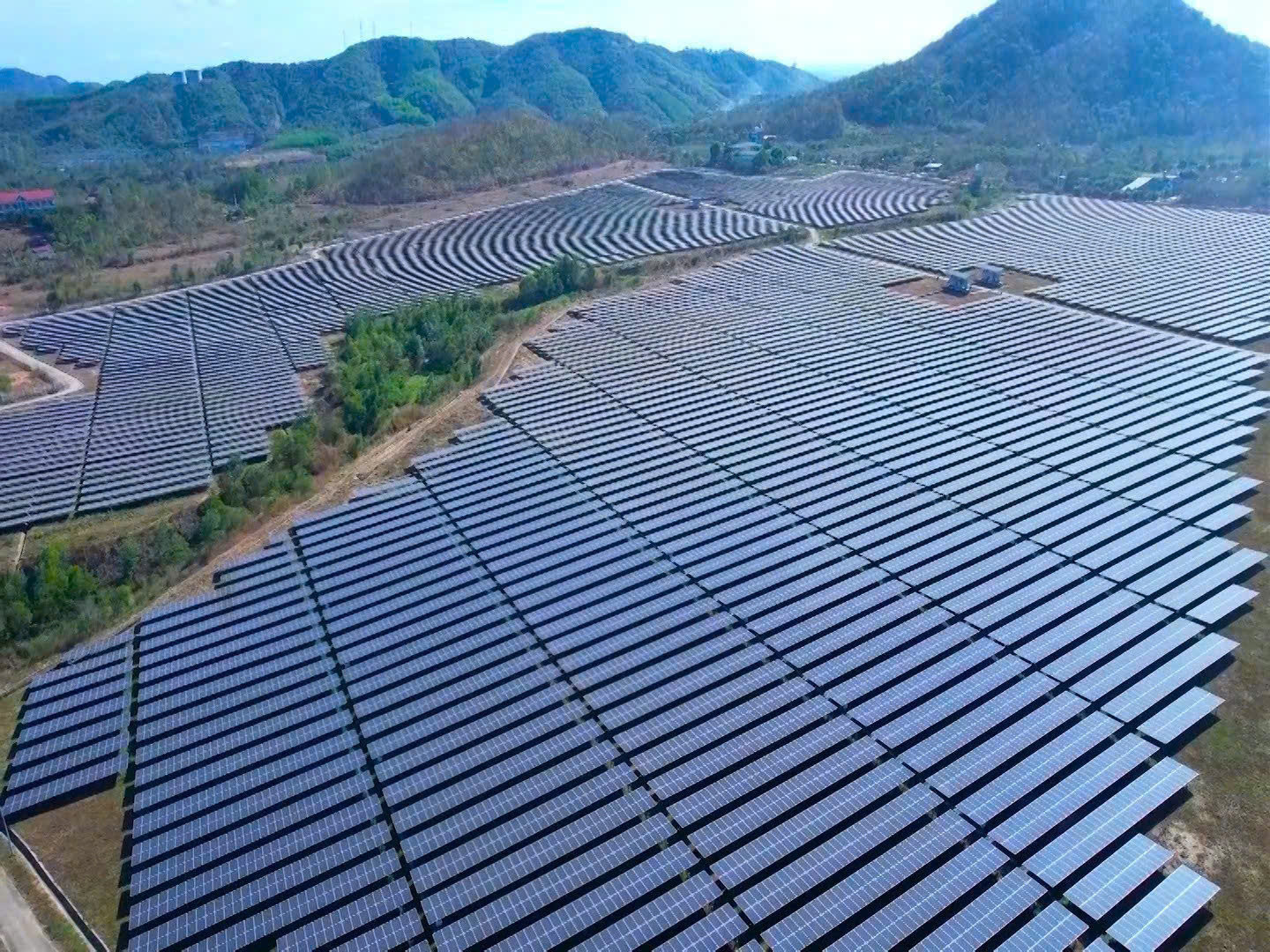
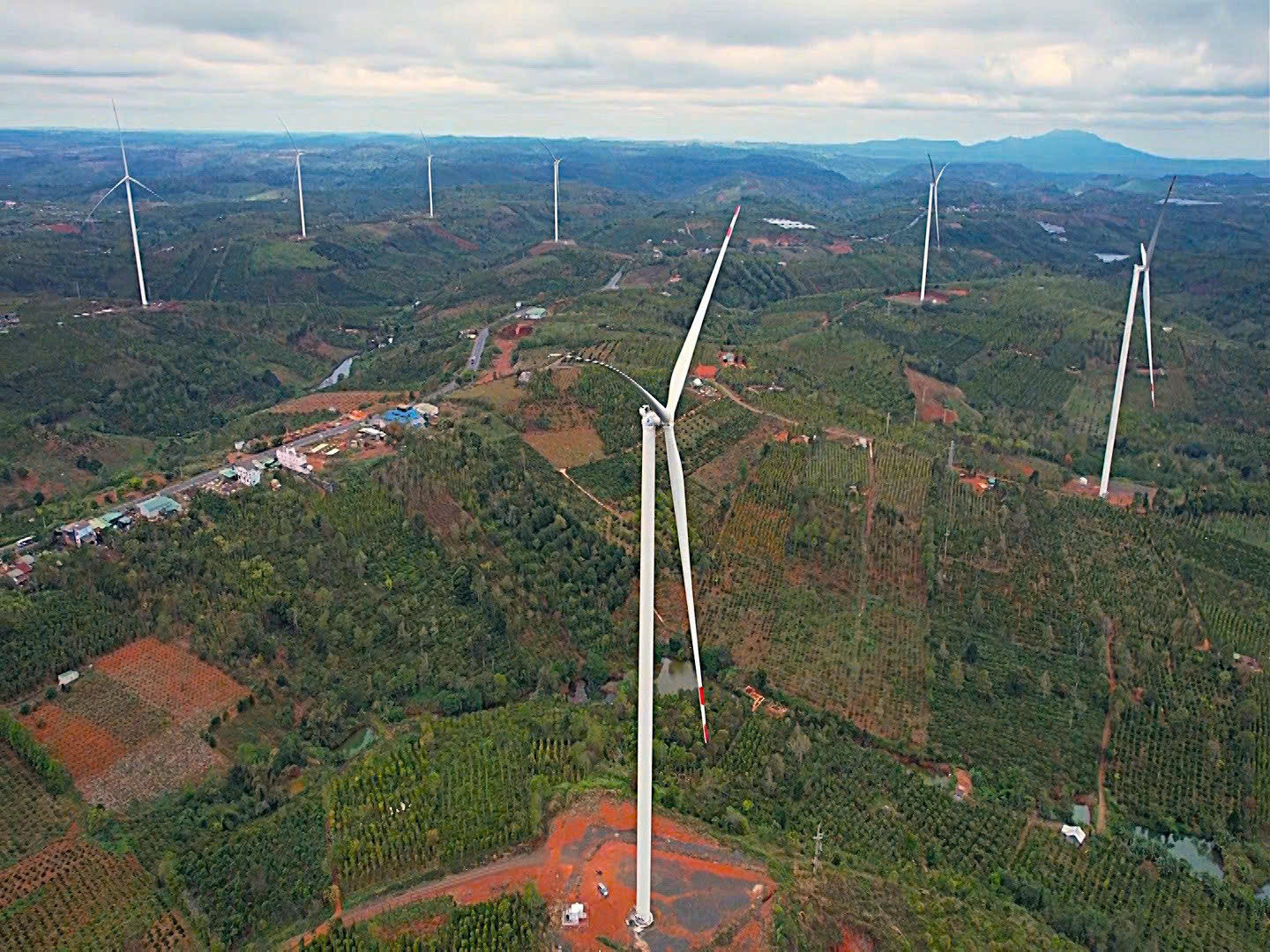
In the energy sector, Lam Dong currently operates 97 renewable power generation projects with a total installed capacity of 3,887.89 MW, accounting for 47.17 percent of the province's overall power generation capacity. These include 58 hydropower projects totaling 2,325.31 MW, 11 wind power projects with 404.2 MW, and 28 centralized solar power projects with 1,158.38 MW.
The province aims to expand its renewable energy portfolio between 2026 and 2030, with a focus on wind and solar power. Aligned with this direction, manufacturing facilities need to track electricity and fuel consumption, refine operational data, and adopt suitable energy-saving solutions. The actual effectiveness of emission reductions will be evaluated using operational data and verified performance metrics at each site.
However, technology conversion is not always straightforward. Initial capital investment, limited access to technology, and a shortage of specialized personnel in greenhouse gas accounting can present significant barriers, particularly for enterprises lacking dedicated tracking systems. Therefore, alongside enterprise-led initiatives, official guidance, data updates, and compliance support remain essential regulatory management functions.
Reviewing Emission Sources and Finalizing Data
To establish a solid baseline for monitoring and managing emission sources, the Lam Dong Department of Industry and Trade conducted a survey of 100 enterprises under its oversight. Of these, 65 enterprises submitted completed survey forms, representing a 65 percent response rate.
The survey focused on production scale and output, electricity, fuel, and raw material consumption rates, direct and indirect emission sources, energy efficiency practices, and the implementation of reduction solutions. These data points serve as critical inputs for calculating emissions and updating the list of facilities subject to mandatory reporting.
According to the 2025 list of key energy-using establishments issued by the Provincial People's Committee via Decision No. 2722/QD-UBND/2026, the province has 48 facilities in industrial production, agriculture, and transport, alongside 8 facilities in construction. This list serves as an important reference for cross-referencing and reviewing facilities requiring oversight in relation to greenhouse gas emissions.