


Lam Dong Strengthens Community-Based Environmental Governance
Lam Dong is promoting community-based models of environmental governance, developing green agriculture, strengthening forest protection, and applying technology to natural resource management to advance its sustainable development goals.
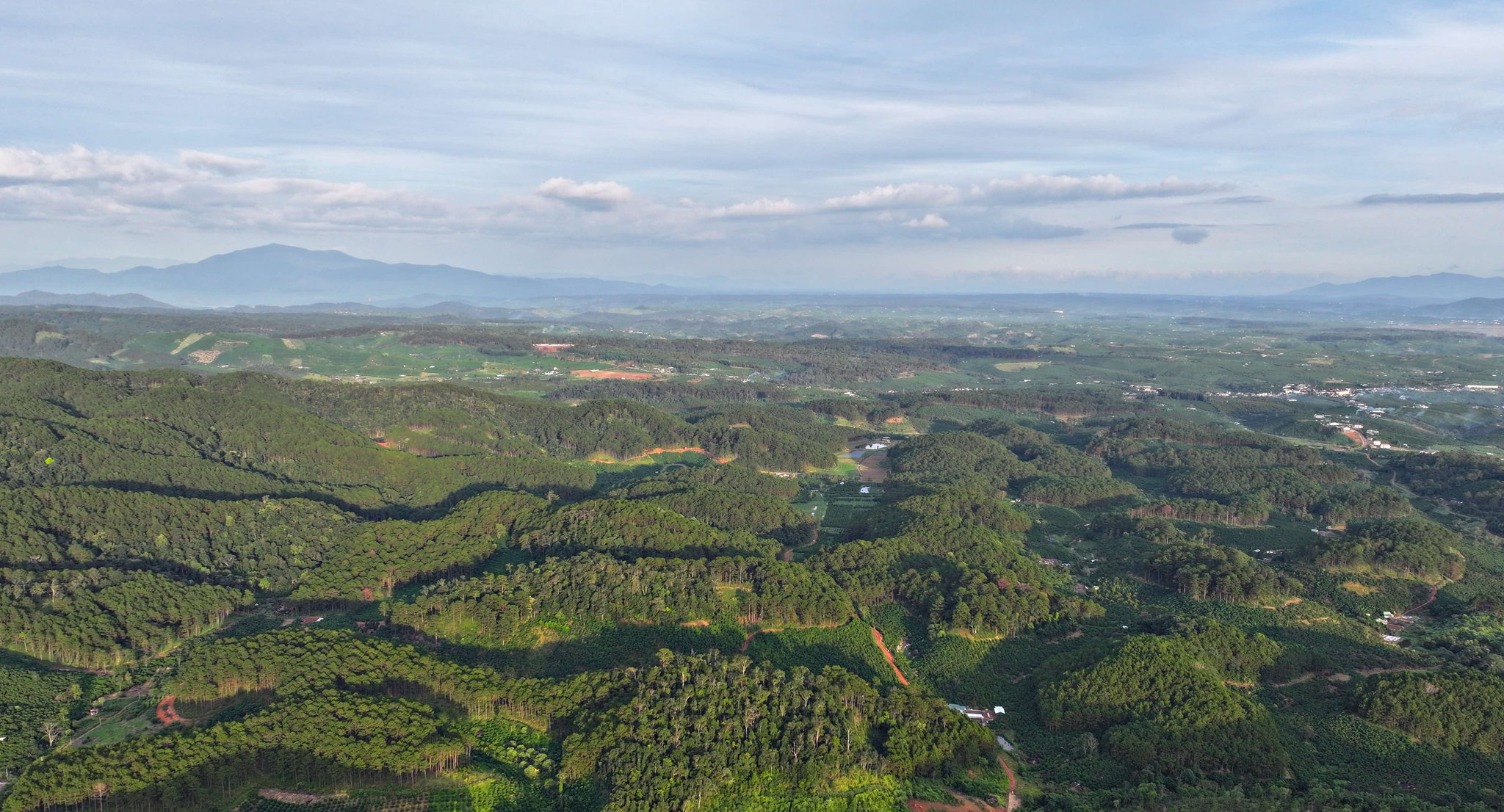
Climate change, extreme weather events, urbanization pressures, and agricultural production are posing significant challenges to environmental protection efforts in Lam Dong.
People at the Center of Environmental Governance
As an area rich in forest resources and vital for maintaining ecological security for the Central Highlands and the southeastern regions downstream, Lam Dong is experiencing mounting environmental pressures due to ongoing urbanization, the expansion of high-tech agriculture, and tourism development.
Provincial reports indicate that along with socio-economic progress, several environmental challenges have surfaced, including localized pollution, the buildup of household and agricultural waste, urban wastewater, landslides, flooding, and increasing pressure on water resources, forests, and land.
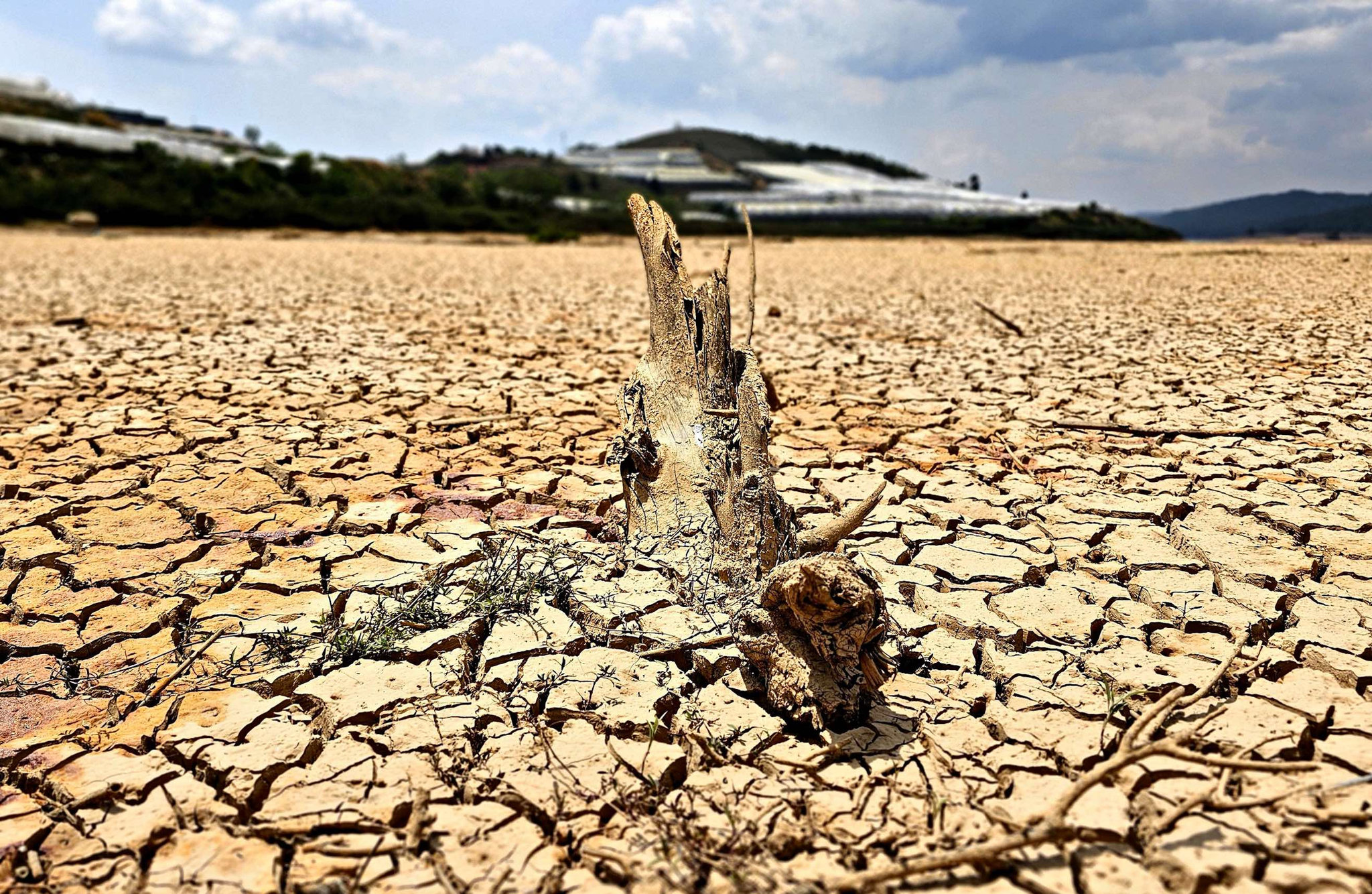
Currently, only approximately 43.59% of the urban population has access to wastewater collection and treatment services. About 36.4% of households engage in waste separation at the source, while over 35% of domestic waste continues to be disposed of through direct landfilling.
In response to this issue, many local areas in the province are adopting environmental governance models that promote active public involvement.
In various communes and wards, initiatives such as "Green Residential Areas," "Green–Clean–Beautiful Roads," "Green Sundays," "Waste-Free Fields," and "Waste Sorting at Source" have gained increasing recognition.
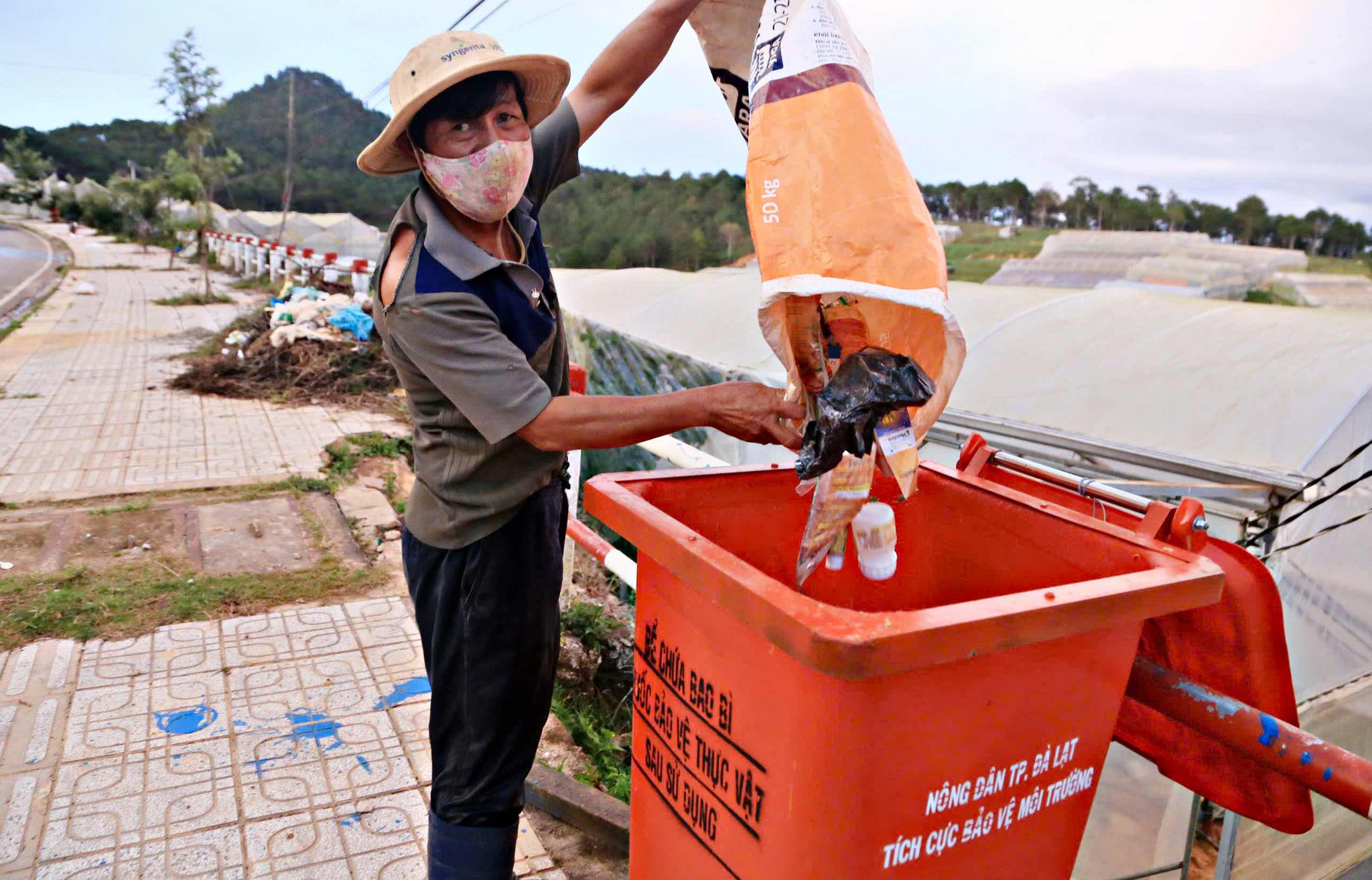
In key agricultural regions, the issue of agricultural plastic waste has been a serious problem for a long time. Used pesticide containers and plastic mulch were frequently discarded carelessly, which has a detrimental impact on soil health, water resources, and landscapes.
To tackle this problem, many areas have set up collection spots for pesticide packaging in high-production zones. For instance, in Ham Thuan Bac, the “Waste-Free Fields” initiative has implemented 30 concrete collection stations for used pesticide bottles and containers, helping reduce the risk of soil and water contamination.
Beyond just waste collection, numerous cooperatives and households are progressively embracing eco-friendly production methods such as reducing chemical usage, applying organic farming techniques, conserving irrigation water, and recycling agricultural by-products.
The Department of Agriculture and Environment states that raising community awareness is crucial for effective environmental governance. When community members actively engage in monitoring and management and enjoy the benefits of a cleaner and greener environment, environmental initiatives are generally more sustainable than those driven only by government efforts.
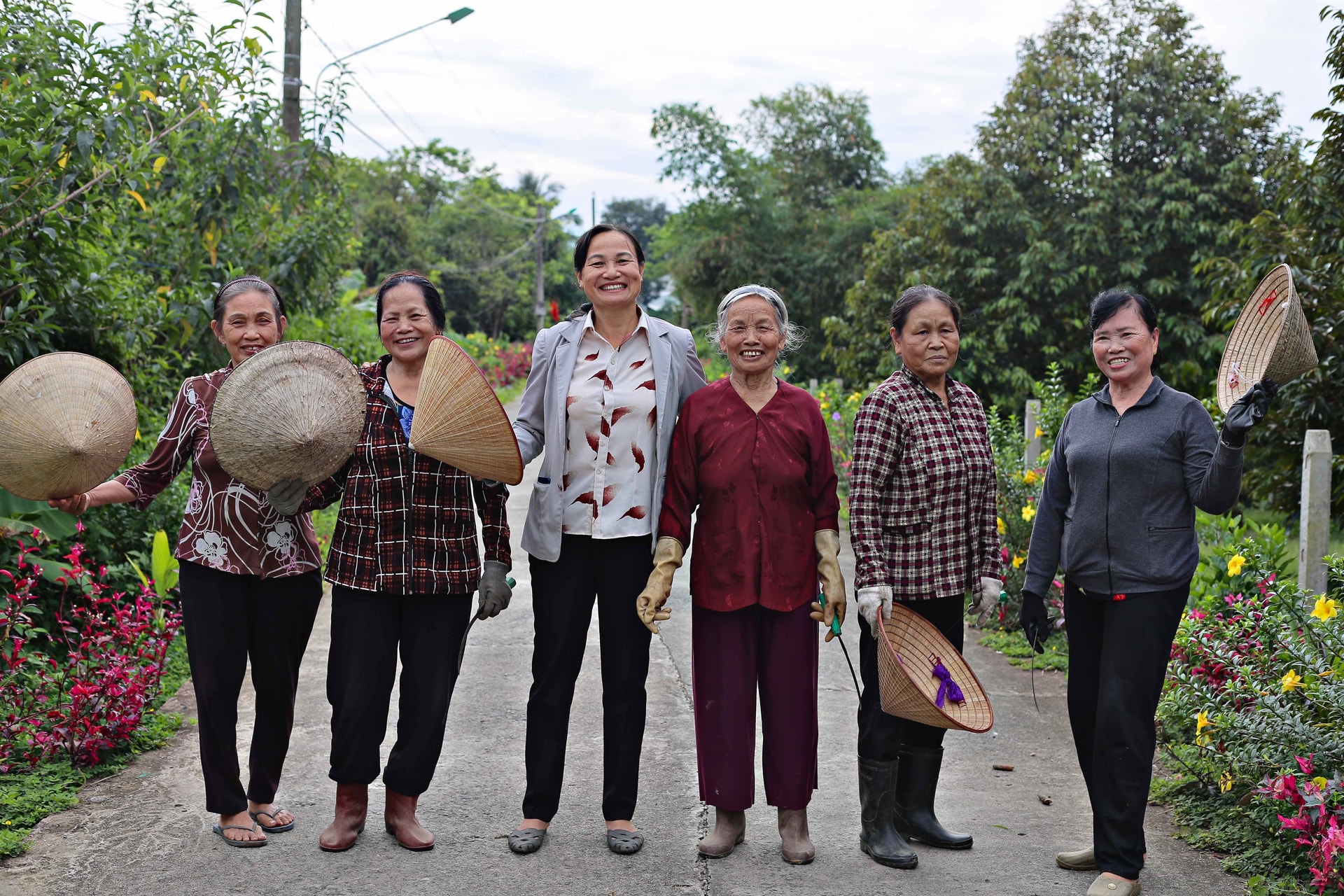
Mass organizations like the Women’s Union, Youth Union, and Farmers’ Association have made significant contributions through initiatives such as “Five No’s, Three Cleans,” “Exchange Waste for Gifts,” “Youth Flower Roads,” and “Clean Homes, Beautiful Alleys.”
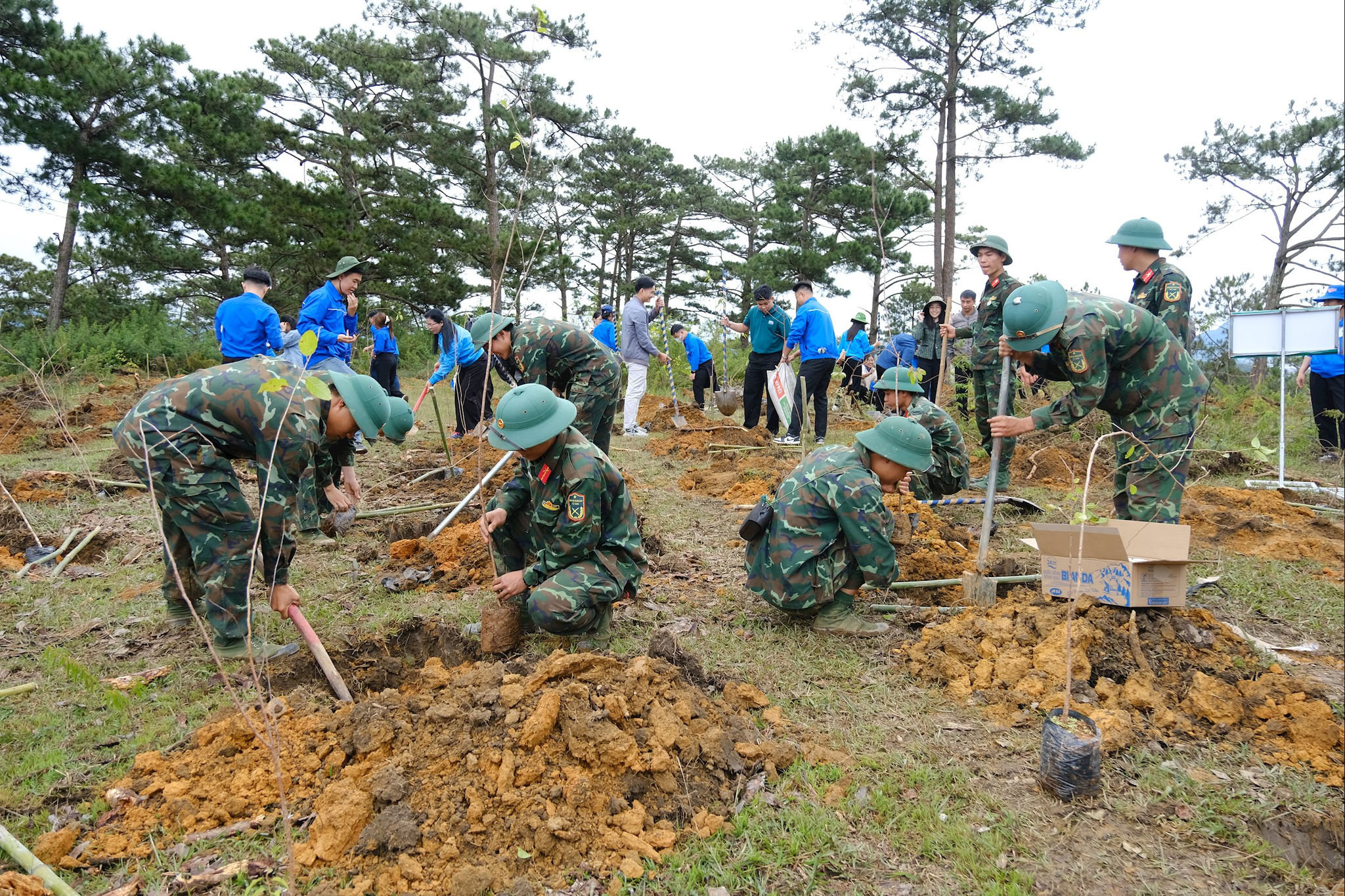
Data from community-driven projects indicate that various localities have organized numerous awareness campaigns, environmental clean-up efforts, tree-planting initiatives, waterway clearance operations, while collecting many tons of waste.
In urban centers such as Da Lat, Gia Nghia, and Phan Thiet, local governments are prioritizing the management of waste hotspots, stream encroachments, and water pollution. Regular urban beautification efforts, drainage system maintenance, and tree-planting initiatives are being carried out to enhance urban surroundings and mitigate localized flooding during the rainy season.
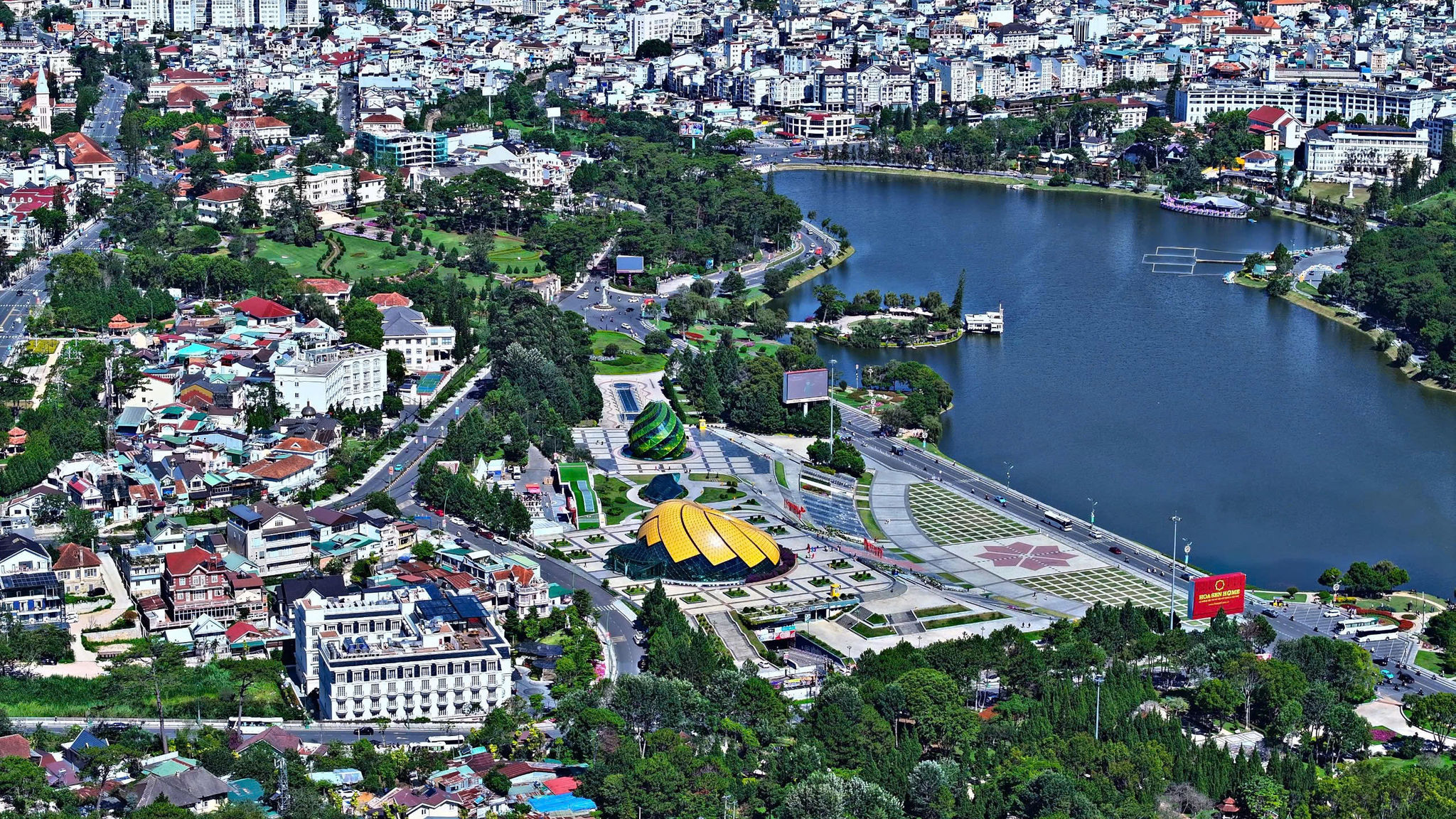
At the same time, Lam Dong is gradually accelerating digital transformation in natural resources and environmental management. Many localities have begun digitizing land data, monitoring forest changes through satellite imagery, applying technology to pollution monitoring, and improving systems for receiving public feedback.
Proactively Adapting to Climate Change
Besides the issue of environmental pollution, Lam Dong often encounters severe weather phenomena including heavy rains, landslides, localized droughts, thunderstorms, and wildfires.
The region's hilly landscape, extensive river network, and heavy rainfall make many parts susceptible to sudden floods and landslides.
.jpg)
In 2025, Lam Dong recorded 38 natural disasters that claimed 17 lives, injured 21 people, and caused approximately VND 1.84 trillion in damage. Flooding at the end of 2025 alone triggered hundreds of landslides, inundated thousands of homes, and severely affected agricultural production.
As disaster risks become increasingly complex, the province is assessing high-risk areas, developing relocation plans for residents, and allocating funds to projects on landslide prevention, reservoir safety and drainage systems.
Lam Dong currently manages 966 irrigation facilities, which include 536 reservoirs, over 3,600 kilometers of canal systems, and a network for hydrometeorological monitoring comprising hundreds of rainfall, hydrological, and disaster alert stations.
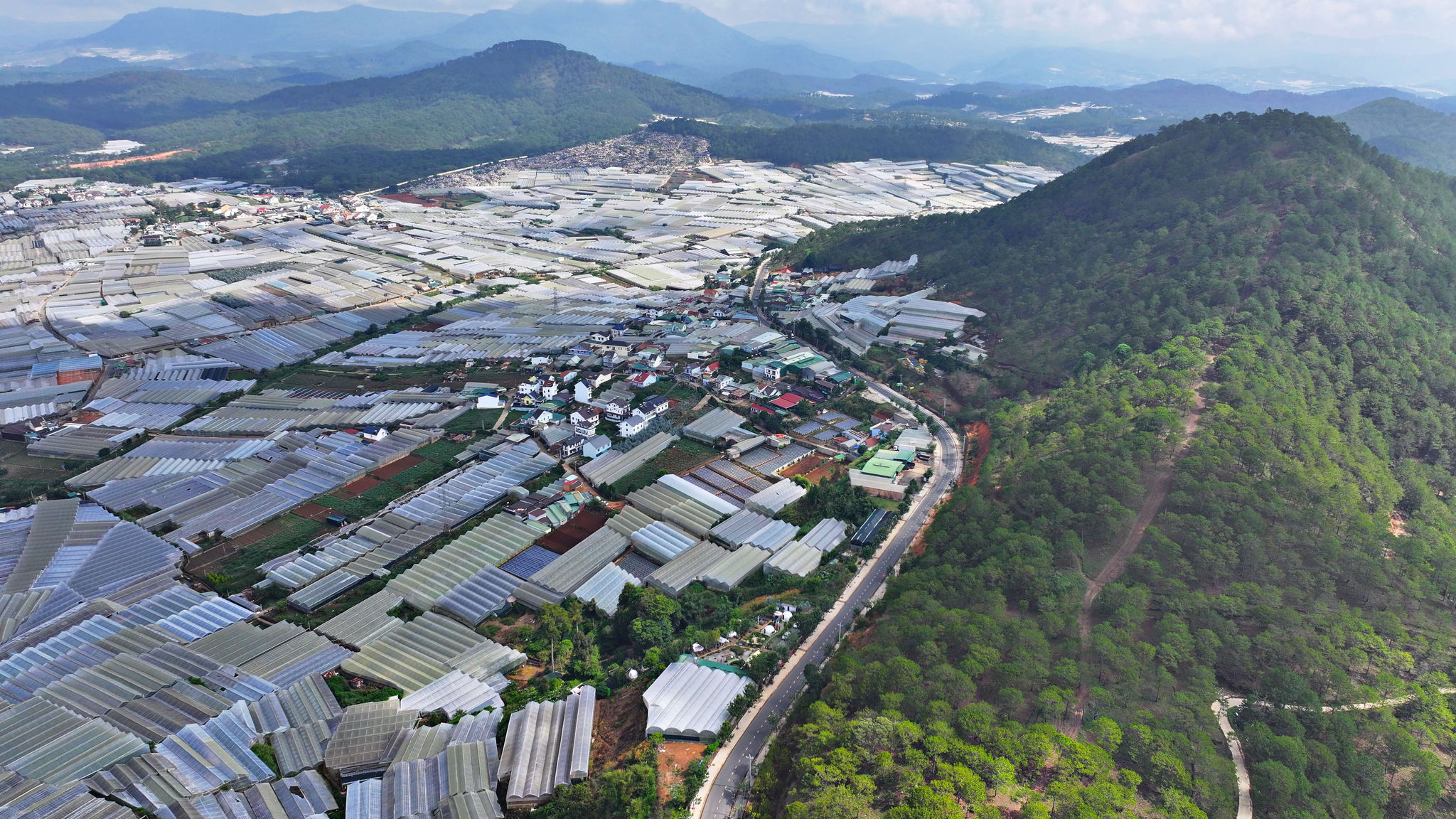
Experts indicate that stronger data integration across various sectors and broader utilization of digital technologies will enhance forecasting, early warning systems, and the overall effectiveness of disaster management.
In the agricultural sector, a variety of climate adaptation models are being extensively adopted. Innovations such as water-efficient irrigation systems, intelligent greenhouses, circular farming methods, and sensors that monitor soil moisture and nutrient levels are becoming more prevalent in the cultivation of vegetables, flowers, coffee, and fruits.

According to the provincial agricultural sector, sustainable agriculture not only decreases greenhouse gas emissions but also enhances product quality and aligns with the demands of export markets.
In addition to agriculture, the protection and development of forests are essential strategies for adapting to climate change.
Lam Dong continues to maintain one of the highest forest cover rates in the nation. The province is expanding forest protection contracts with local communities and residents, helping protect ecosystems while creating stable income sources.
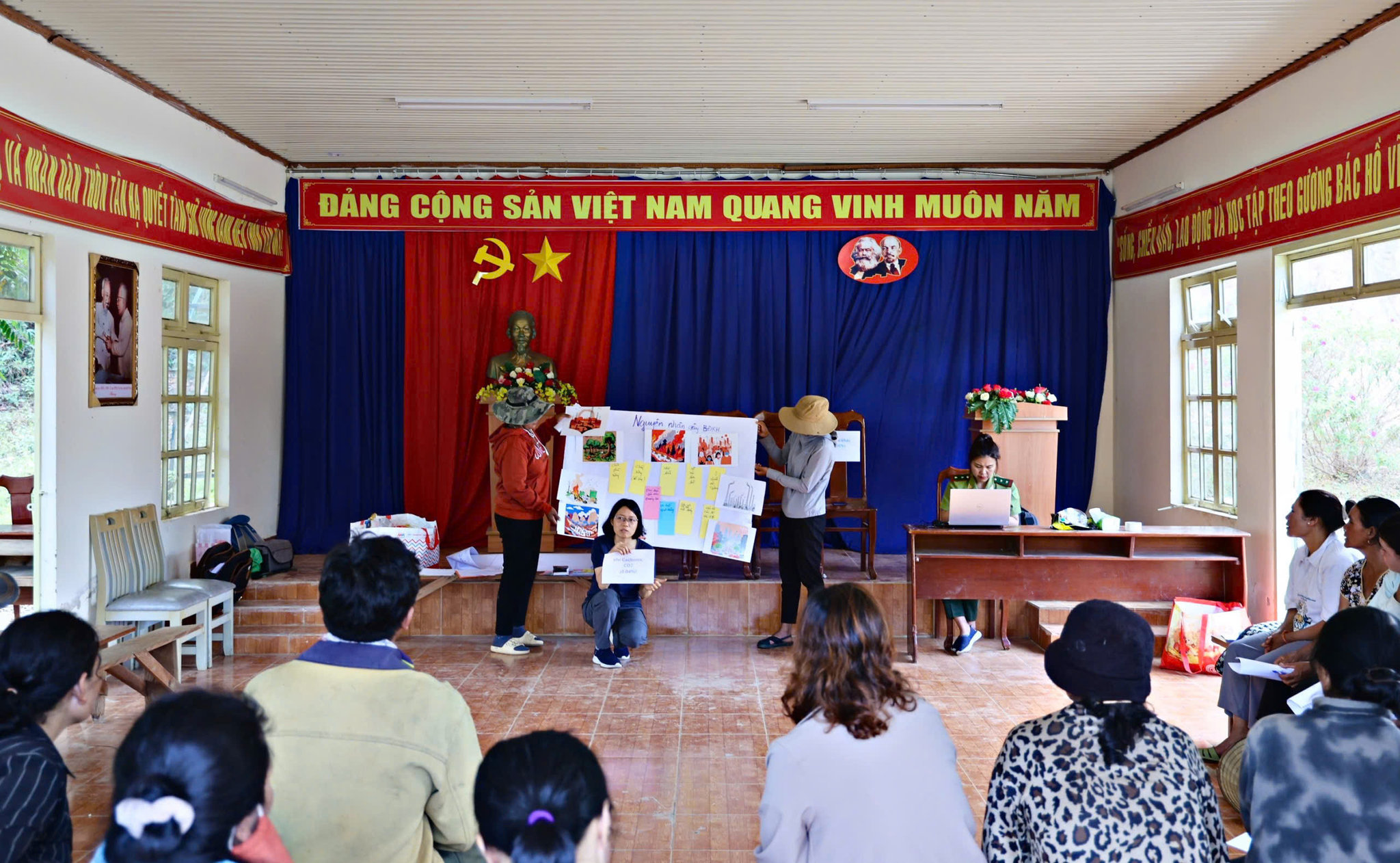
Many families involved in forest protection initiatives are now earning extra income due to forest environmental service payment policies, which has heightened their awareness and dedication to forest preservation.
Between 2021 and 2025, the province planted over 63 hectares of coastal forests, rehabilitated hundreds of hectares of protective forests, and safeguarded more than 10,000 hectares of woodland to mitigate erosion, shield against wind and sand, and restore natural ecosystems.
According to Le Trong Yen, Standing Vice Chairman of the Lam Dong Provincial People’s Committee, the province firmly adheres to the principle of not compromising the environment for economic development at any cost. Investment initiatives are required to fulfill environmental protection standards, utilize resources effectively, and reduce impacts on natural ecosystems to a minimum.
In the upcoming years, the province will maintain its focus on the circular economy, reducing emissions, developing clean energy, and enhancing its capacity for climate adaptation.
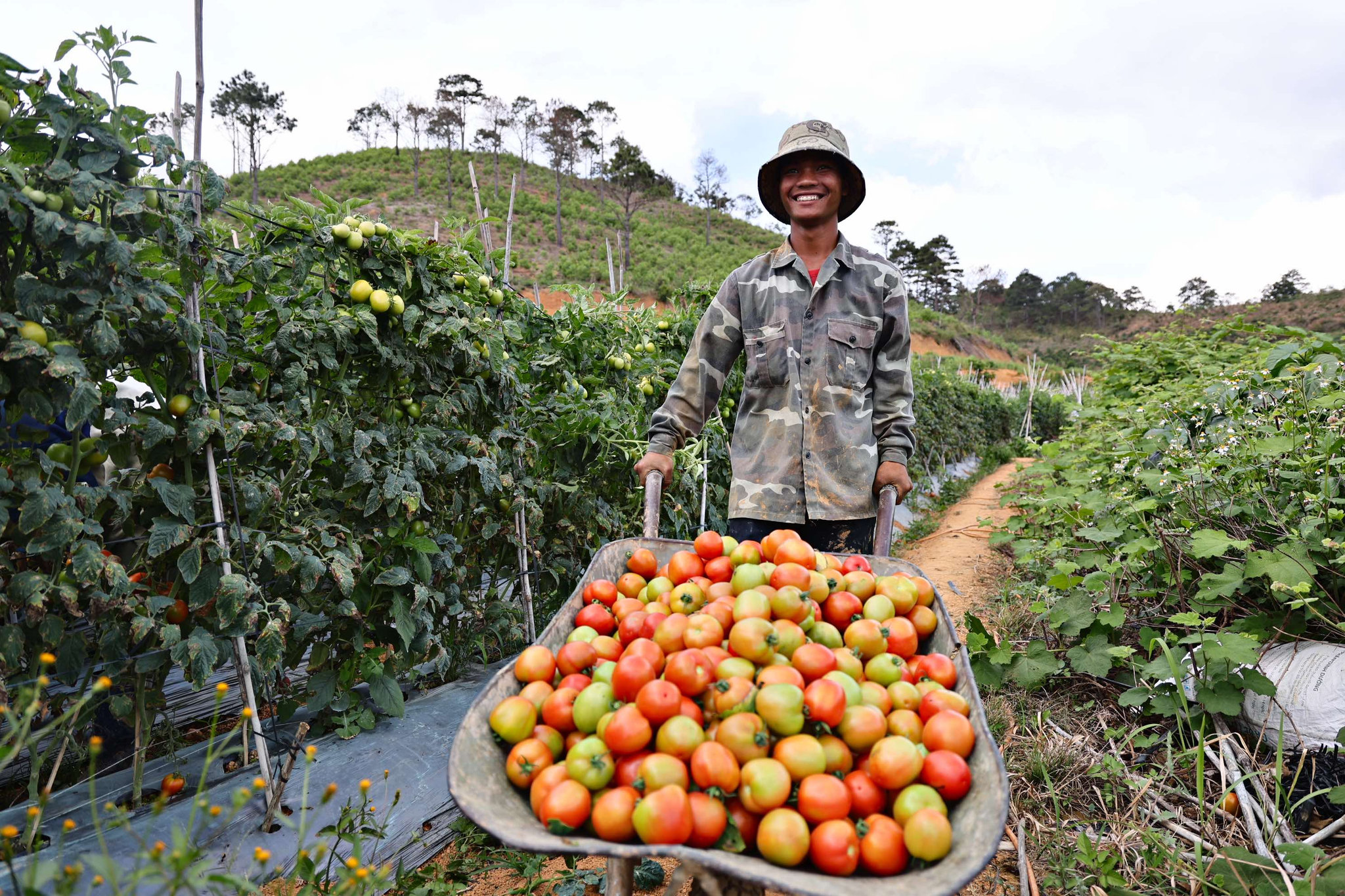
As part of its Climate Change Response Plan for 2026–2030, Lam Dong targets the incorporation of climate adaptation strategies into all socio-economic development plans and policies, strives to keep forest coverage above 46.2%, and reduce greenhouse gas emissions by at least 16% compared to the business-as-usual scenario.
The province also intends to enhance community-based models and strengthen public engagement in environmental monitoring, waste management, and disaster prevention initiatives.
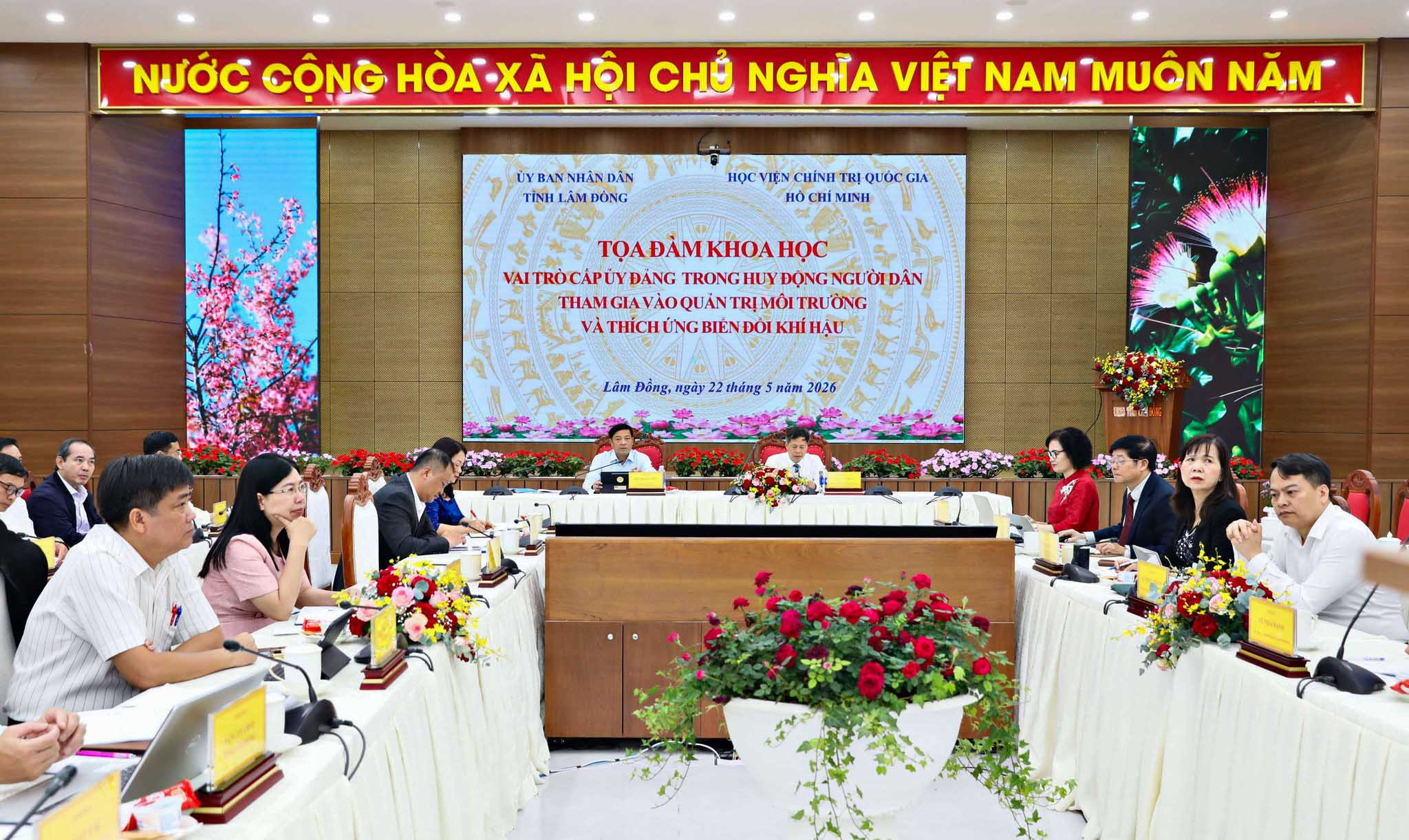
At the workshop, Associate Professor Dr. Le Van Chien, Director of the Institute of Leadership and Public Administration at the Ho Chi Minh National Academy of Politics, stated that as climate change becomes increasingly complex, community-based environmental governance models will be an important pathway for Lam Dong and other localities nationwide to enhance resilience, reduce risks, and achieve long-term sustainable development.
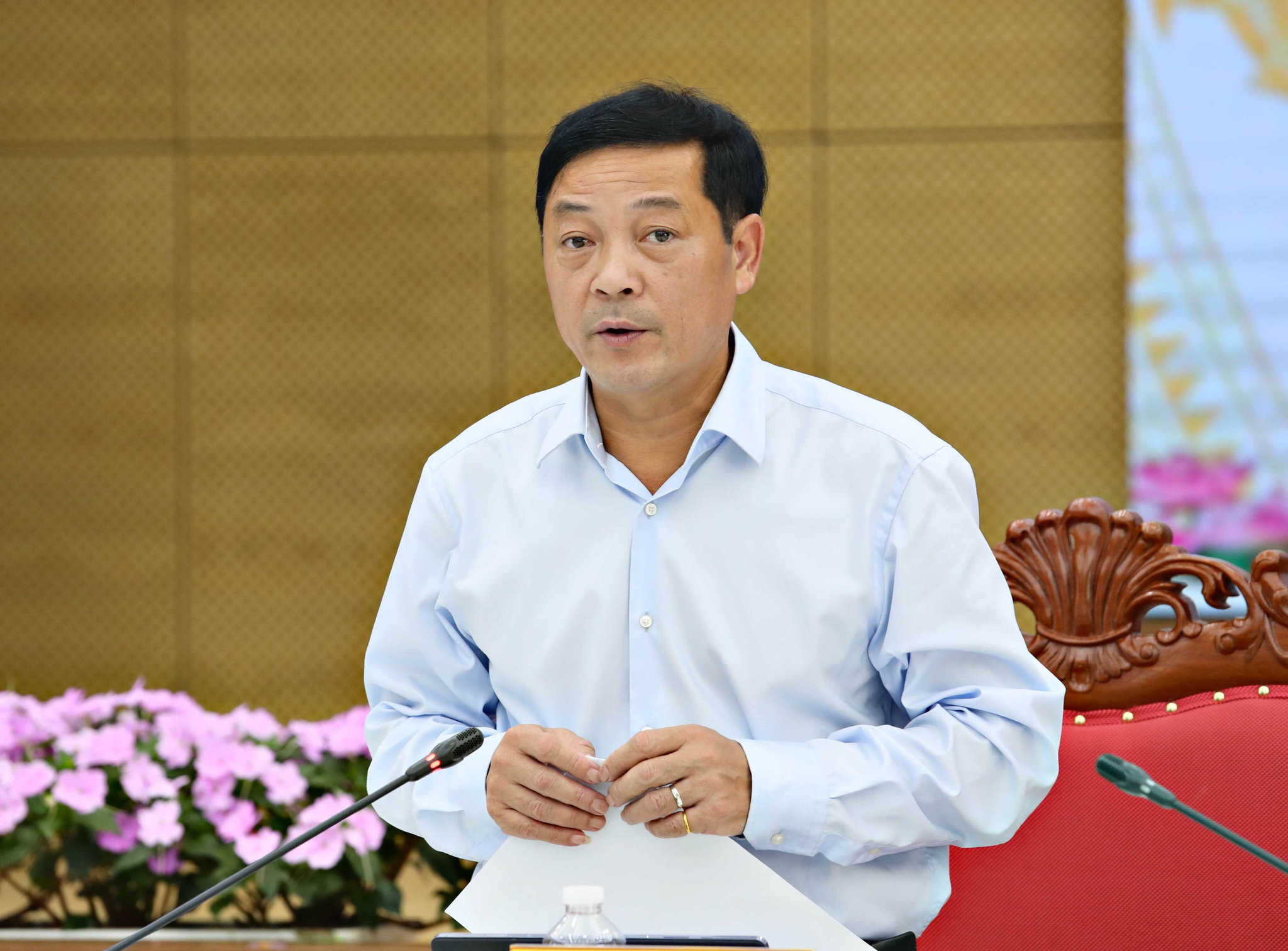
Environmental protection and climate change adaptation can no longer be viewed solely as the responsibility of the natural resources and environment sector. They must become the shared responsibility of the entire political system and every citizen. Only when people truly become the central actors can green solutions take root in everyday life and generate sustainable, long-term results
Le Trong Yen, Standing Vice Chairman of the Provincial People’s Committee