


Lam Dong Strengthens Watercraft Management During Peak Beach Tourism Season
As the beach tourism season reaches its busiest period of the year, Lam Dong Province is stepping up inspections and management of watercraft operations to ensure the safety of residents and visitors. Particular attention is being given to vessels serving tourism activities amid the rapid increase in water-based transportation and recreational services.
Ensuring Tourist Safety
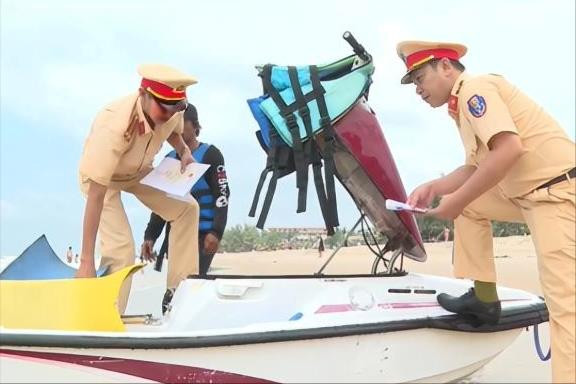
Following recent administrative restructuring, Lam Dong now boasts an extensive eastern coastline with numerous beaches, tourist destinations, and busy fishing ports. Well-known attractions such as Mui Ne, Tien Thanh, Ke Ga, Co Thach, Phan Ri Cua, and Phu Quy Island continue to attract large numbers of domestic and international visitors.
Alongside the rapid growth of marine tourism, recreational services such as jet skis, passenger speedboats, sightseeing vessels, and coastal tour boats have expanded significantly. These activities enrich visitors' experiences while creating additional livelihood opportunities for local communities.
However, watercraft operations also pose potential safety risks if not properly managed. Violations such as operating vessels that fail to meet technical standards, lacking lifesaving equipment, exceeding passenger limits, or allowing unqualified operators to take control can lead to serious accidents.
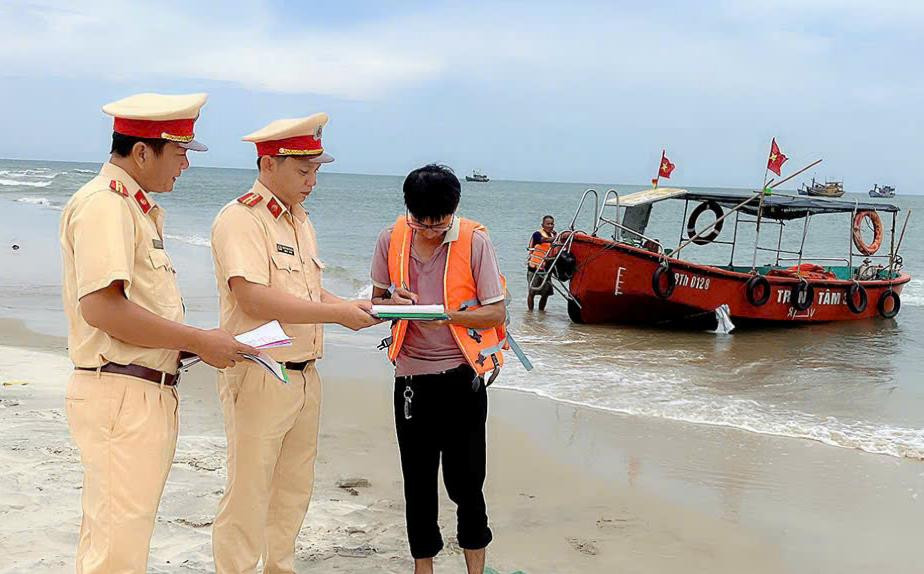
In response, the Waterway Police under the Traffic Police Division of the Lam Dong Provincial Police have proactively implemented a range of measures to strengthen supervision and control of watercraft operations across the province.
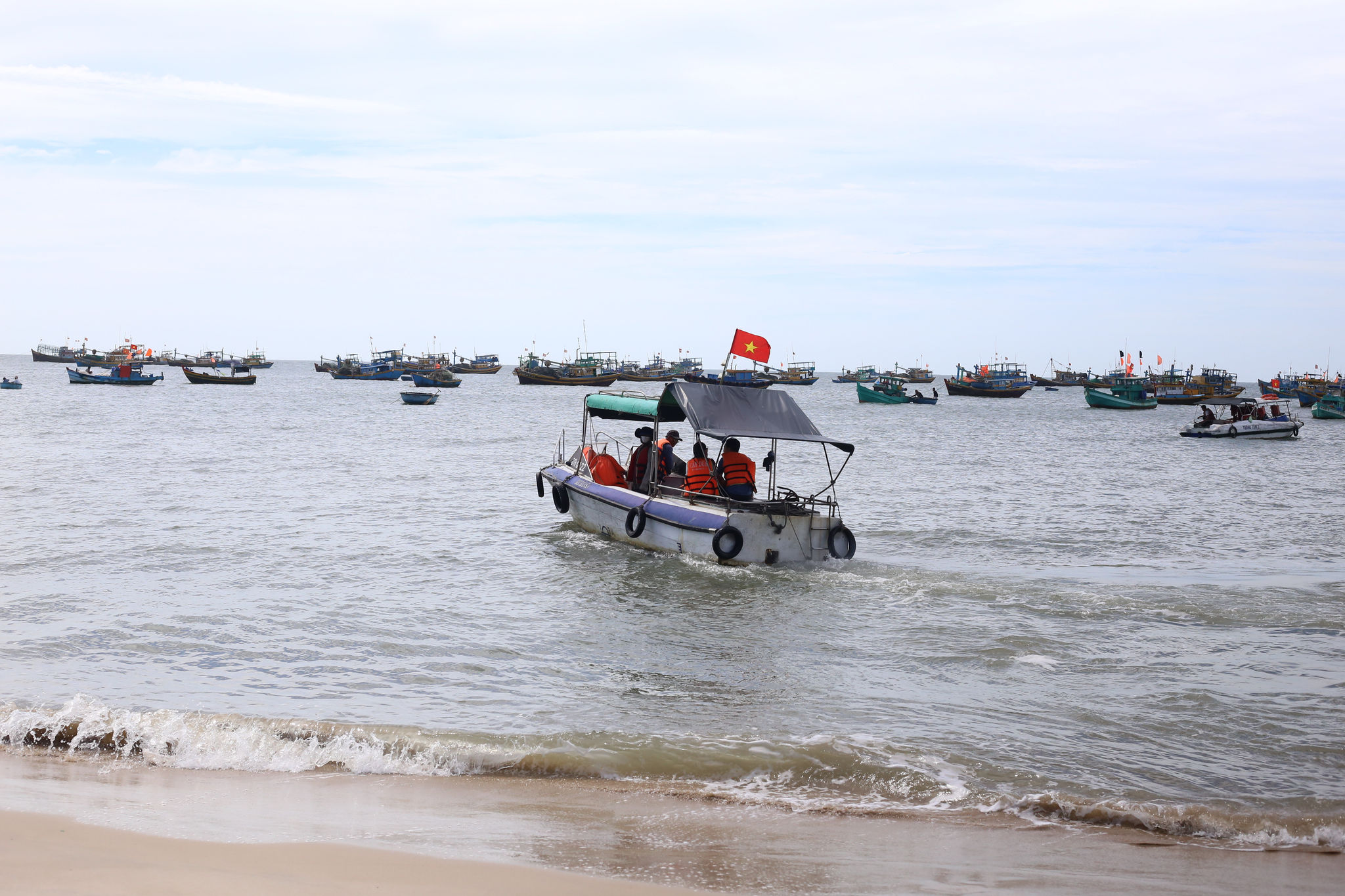
At ports, boat anchorages, and coastal tourist destinations, officers regularly conduct patrols and inspections, focusing on vessel registration and inspection certificates, lifesaving and rescue equipment, operator qualifications, and compliance with inland waterway traffic safety regulations.
.jpg)
At beaches where jet ski services are available, inspections are carried out even more rigorously to ensure that operations comply with regulations and do not endanger swimmers or tourists.
Strict Enforcement Against Violations
As part of the province's peak-season traffic safety campaign, authorities are focusing on detecting and strictly handling violations that directly contribute to accidents, including overloading passengers, operating unsafe vessels, failing to carry mandatory safety equipment, allowing unqualified operators, and alcohol-related violations.
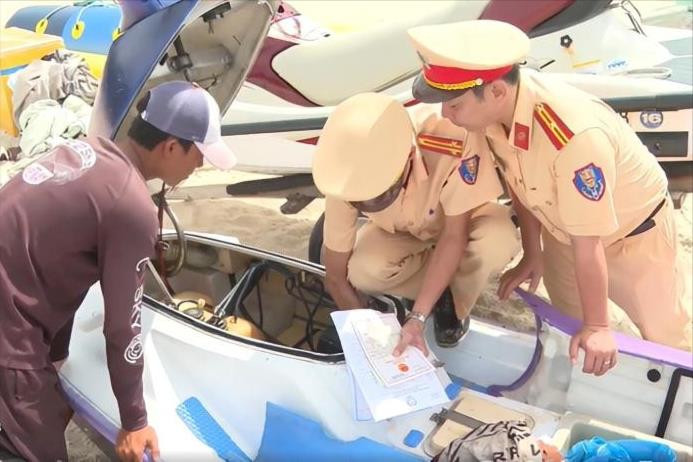
Lieutenant Colonel Tong Ngoc Phan Binh, Deputy Head of Waterway Police Team No. 2 under the Traffic Police Division of Lam Dong Provincial Police, said the unit has established comprehensive patrol and inspection plans for key waterways and priority areas. In addition to enforcement, officers are actively working with businesses and vessel owners, encouraging them to sign commitments to refrain from operating vessels that fail to meet legal requirements and to strictly comply with waterway traffic safety regulations.
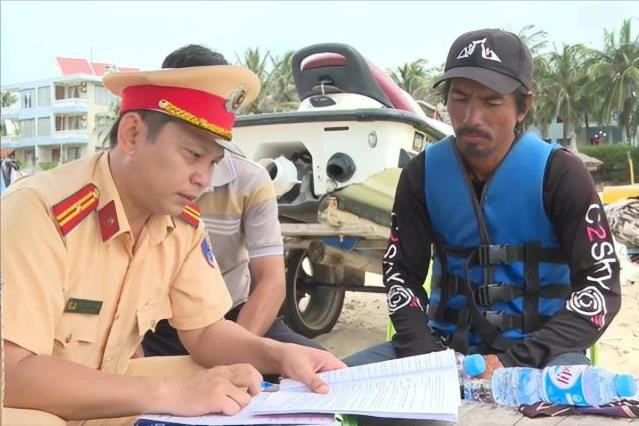
Nguyen Khac Vinh, a jet ski operator serving tourists, said that visitor safety is always the top priority. Before every trip, customers receive safety instructions, are required to wear life jackets, and are instructed to remain within designated operating areas away from crowded swimming zones.
Thanks to these coordinated management measures, inland waterway traffic safety across the province has remained generally stable since the beginning of the year. Nevertheless, with visitor numbers expected to continue rising throughout the summer and into the latter months of the year, Waterway Police will further intensify patrols in key areas and suspend the operation of vessels that fail to meet legal safety requirements.
Strengthening watercraft management not only helps prevent accidents and protect the lives and property of residents and tourists but also contributes to building a safe, professional, and sustainable tourism environment. It is also a key step toward unlocking the full economic potential of eastern Lam Dong's coastal region and establishing marine tourism as a major driver of the province's socio-economic development.