


Lam Dong strives to make community-based tourism a key product
The Lam Dong Provincial People’s Committee has issued a plan to develop community-based tourism for the 2026–2030 period, aiming to effectively tap into the province’s natural and cultural resources.
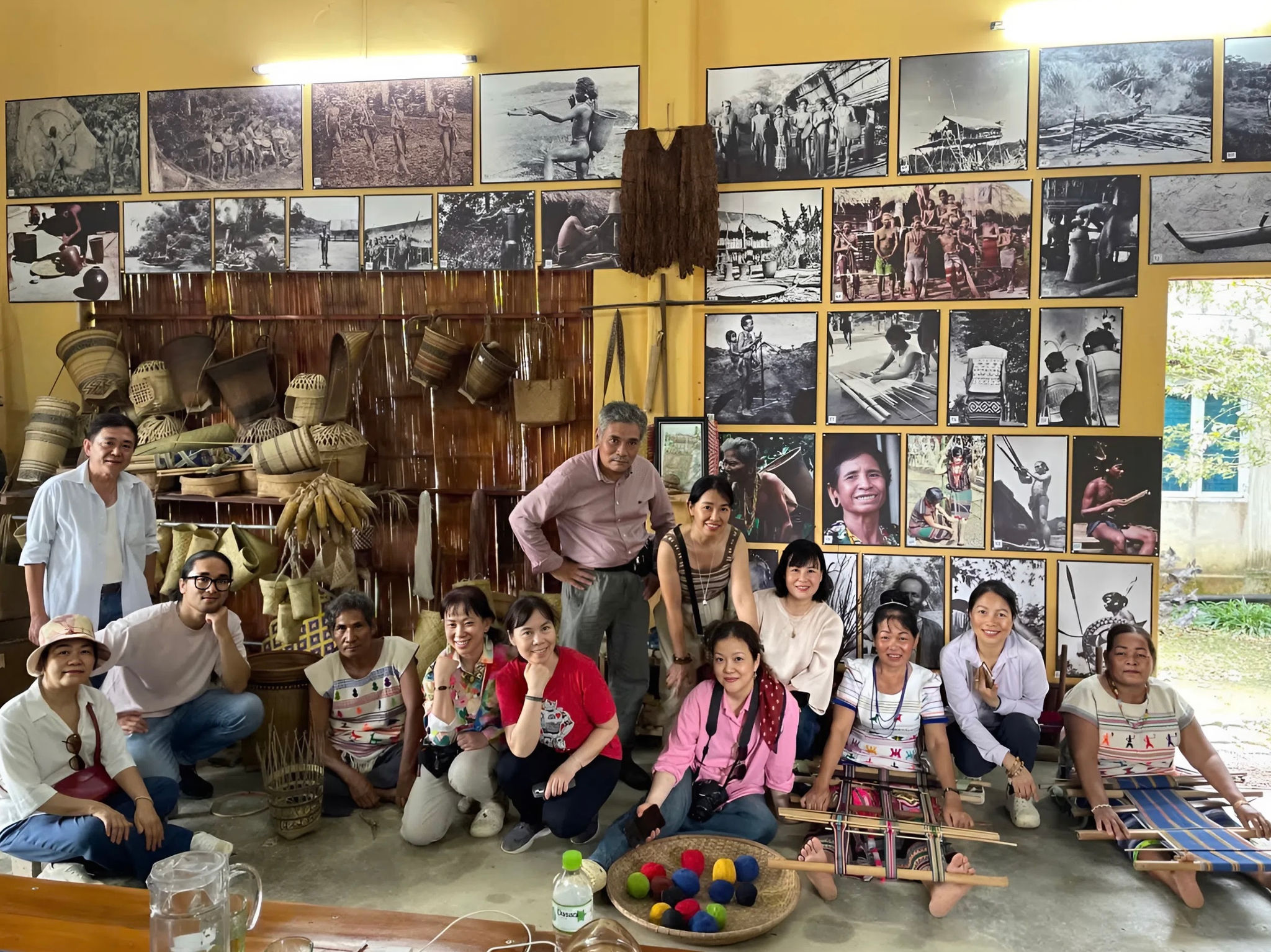
Community-based tourism to shape Lam Dong’s brand
The plan seeks to position community-based tourism as a key tourism product, contributing to Lam Dong’s brand identity while ensuring sustainable development. It emphasizes cultural preservation, environmental protection, and improving local livelihoods, especially for ethnic minority communities—thereby supporting rural economic growth, sustainable poverty reduction, and the development of new rural areas and civilized urban spaces.
By 2027, the province aims for at least 30% of community-based tourism sites to be equipped with community centers and regularly operating cultural teams. Around 40% of tourism business owners are expected to receive management training, while at least 30% of workers will be trained in service skills, with women accounting for at least 10% of those trained.
Driving digital transformation and sustainable development
Lam Dong also aims to have around 50% of its community-based tourism sites adopt digital tools, while piloting at least one community-based tourism village model in areas with strong potential. By 2030, all such destinations are expected to be promoted across digital platforms.
The plan outlines key tasks and solutions, including raising awareness among communities, organizations, and individuals to build consensus during implementation.
Priority will be given to upgrading infrastructure for community-based tourism while developing distinctive products linked to agricultural tourism, eco-tourism, and local cultural experiences. Digital applications will be enhanced through QR codes for destination information, online surveys, and increased promotion on digital platforms.
At the same time, the province will focus on preserving and promoting traditional cultural values, maintaining cultural spaces, and establishing codes of conduct between communities and visitors to build a friendly and attractive destination image.
Lam Dong also plans to support the development of at least one model community-based tourism site in areas with large ethnic minority populations, serving as a model for replication, while organizing study tours to learn from successful models nationwide.