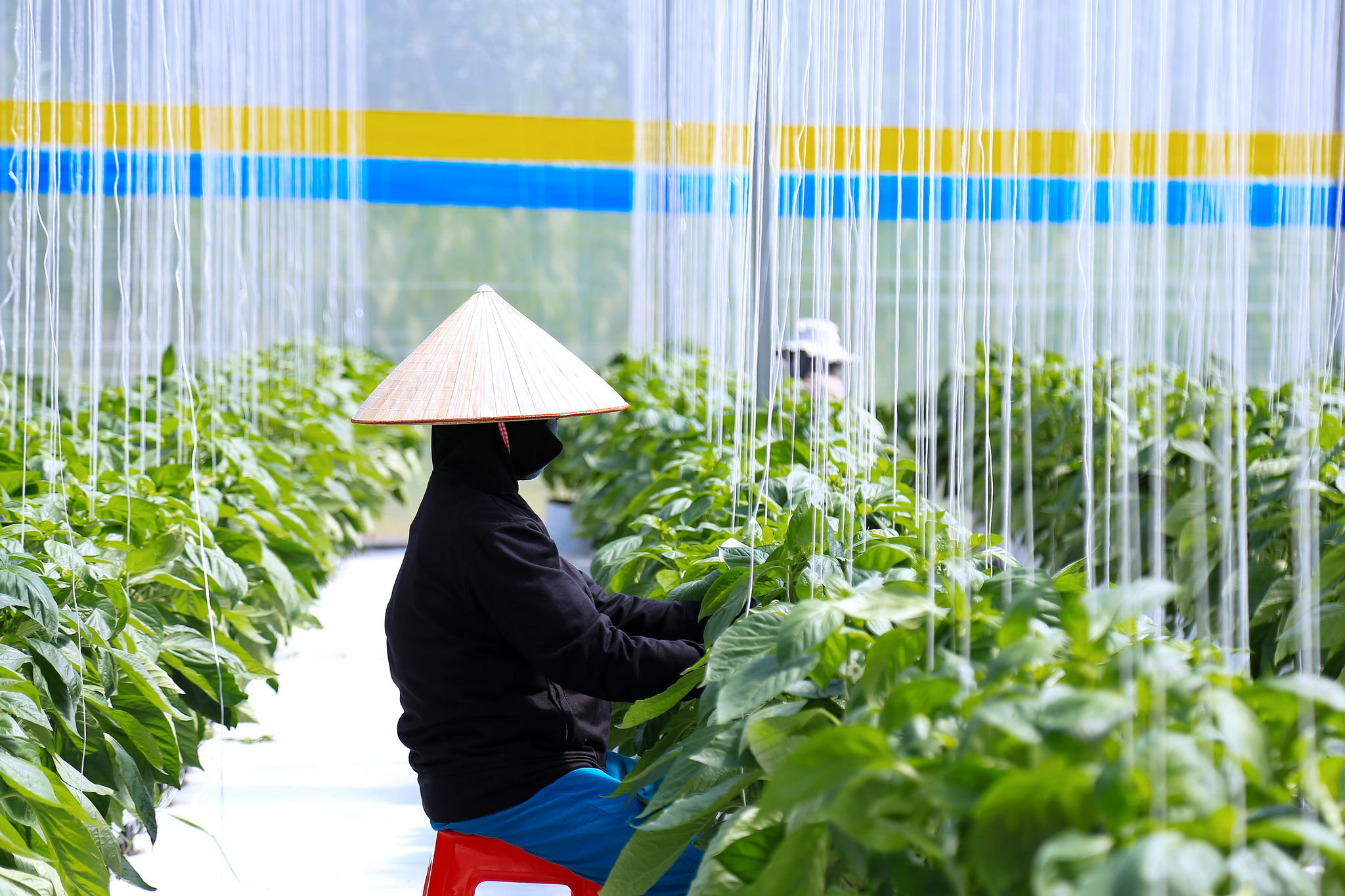


Lam Dong taps regional strengths to develop OCOP products
Lam Dong is drawing on its diverse local products to develop distinctive OCOP goods, raise agricultural value and support rural economic growth and new-style rural development.
Diverse products built on local strengths
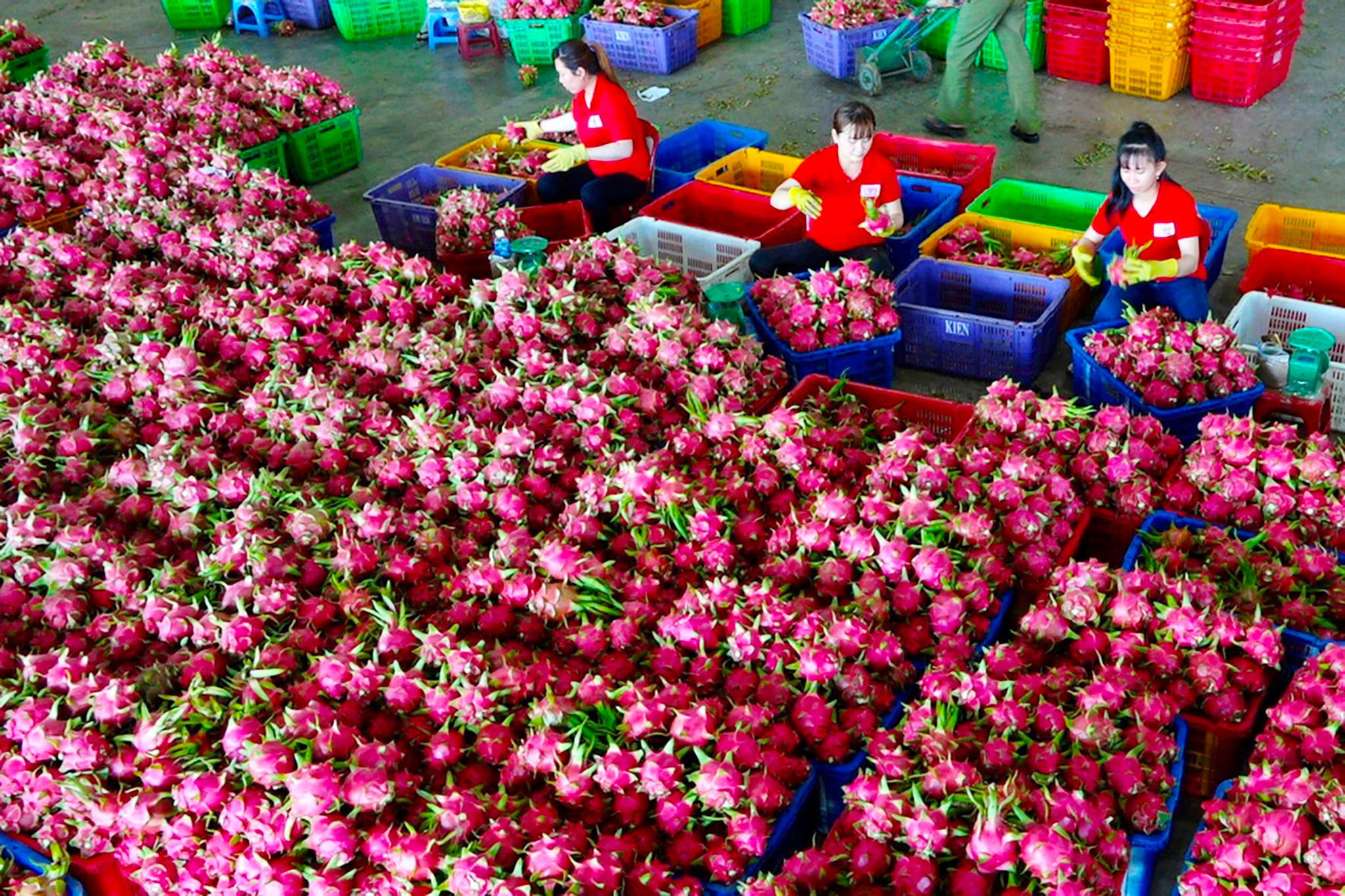
From coffee, tea, macadamia nuts and cocoa to artichokes, vegetables, fruit, dragon fruit, medicinal herbs and processed seafood, Lam Dong has a wide range of local products for developing the One Commune One Product (OCOP) program.
The province's diverse natural conditions, together with the production characteristics and cultural identity of each locality, provide a strong foundation for products with distinctive regional features. Many products are gradually being processed, repackaged and upgraded to meet higher quality standards and market demands.
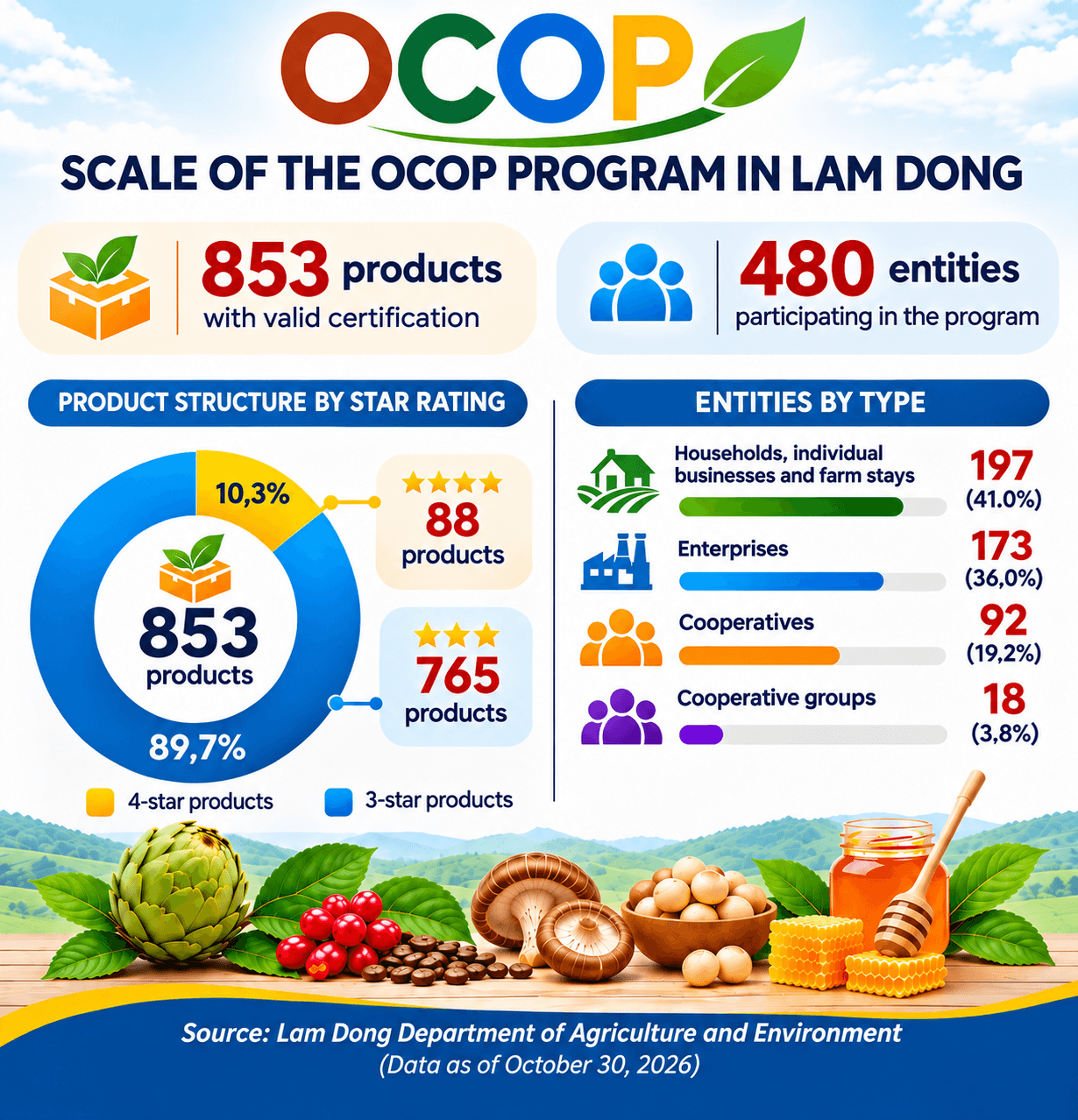
According to the Department of Agriculture and Environment, as of October 30, 2026, the province had 853 OCOP products with valid certifications, including 88 four-star and 765 three-star products.
The program has attracted 480 participating entities, including enterprises, cooperatives, cooperative groups, production establishments, individual households and farms.
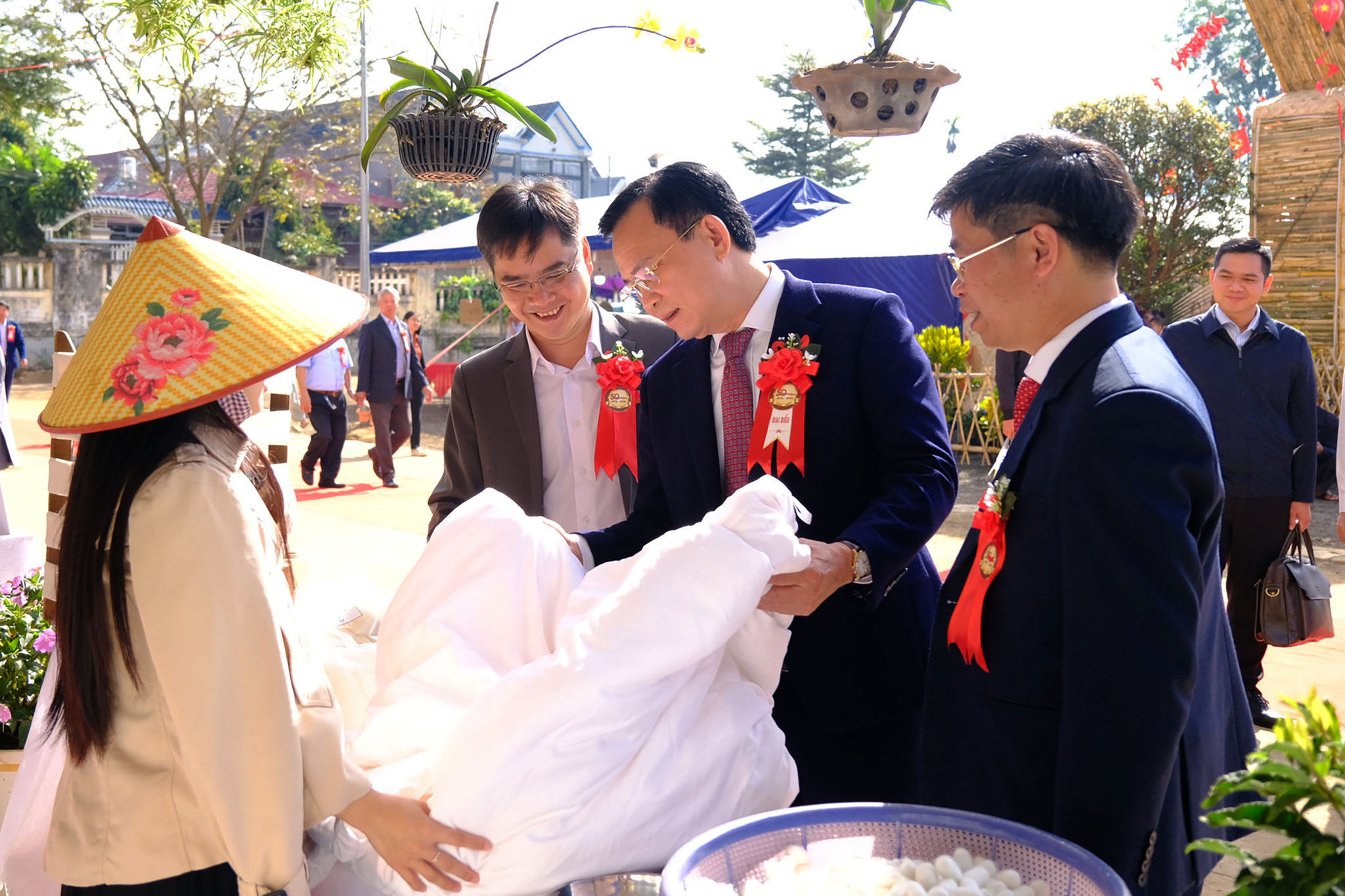
In 2026, the Lam Dong Provincial People's Committee recognized 17 three- and four-star OCOP products. Eight received four-star ratings, mainly processed artichoke and herbal products, while nine received three-star ratings in categories including food, mushrooms, coffee, macadamia nuts and other processed products.
Producers are increasingly investing in processing, improving packaging and building brands around familiar agricultural products. Some have also begun applying traceability systems, improving quality and developing products through value chains, helping local specialties become more competitive commercial goods.
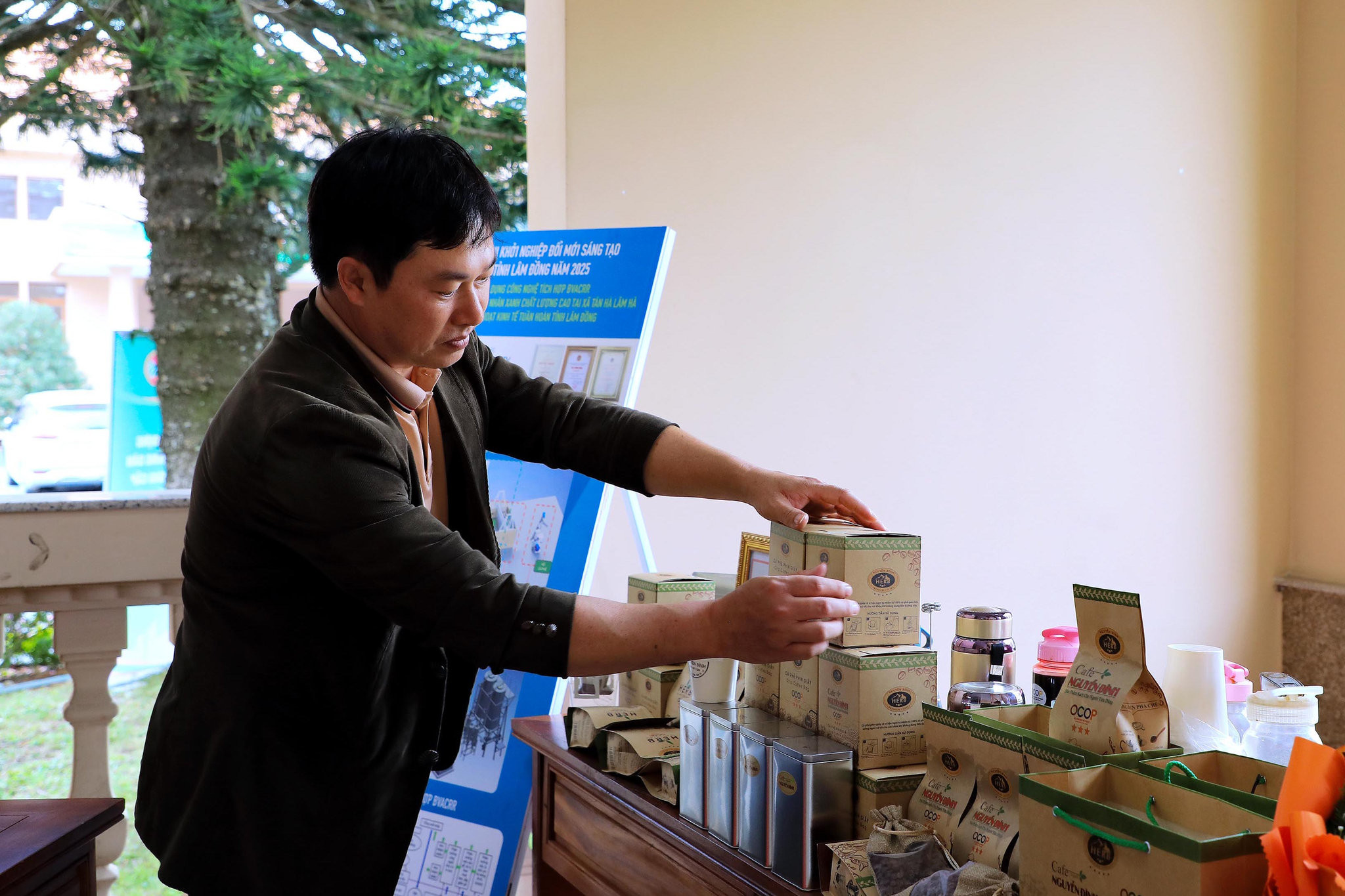
Many Lam Dong OCOP products are now available in supermarkets, specialty stores and trade fairs inside and outside the province. Some have also been exported. Producers are placing greater emphasis on quality, product value and market access.
However, product diversity also highlights the need to focus on goods with genuine competitive advantages. Some OCOP products have yet to distinguish themselves from similar items on the market, while quality standardization, packaging improvement and production management remain limited among some producers.
According to the agriculture and environment sector's development orientation, OCOP development should focus on product identity, competitiveness and practical value rather than simply increasing the number of certified products. This will help localities make better use of their strengths and move toward more sustainable product development.
Linking OCOP development with the rural economy
The OCOP program not only helps raise agricultural value but also supports rural industries, production organization and livelihoods. With participation from different economic sectors, the program is gradually strengthening links from raw-material areas to processing and distribution.
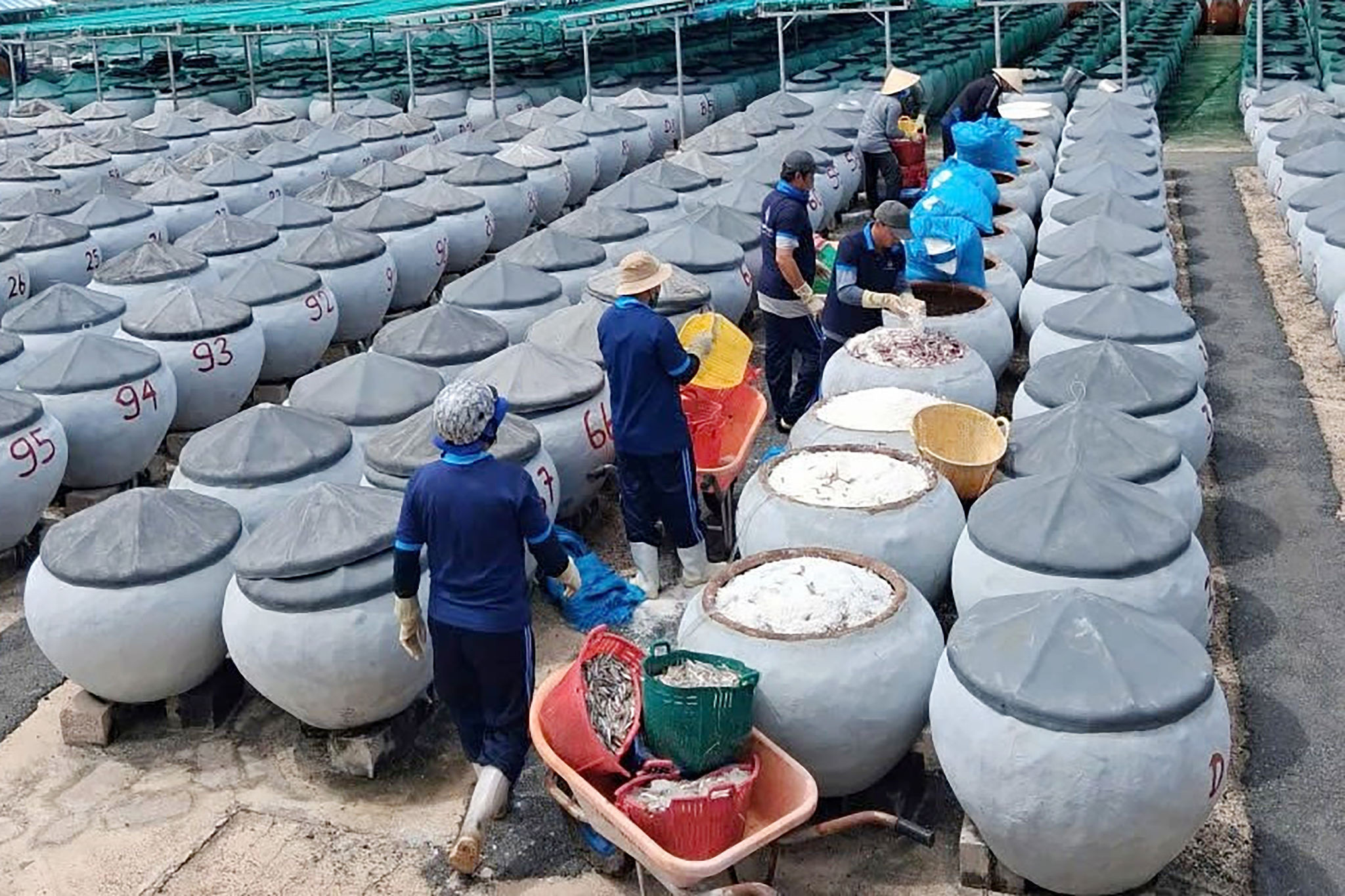
For small producers, joining the OCOP program provides an opportunity to improve products, access technical support, build brands and find new markets. Enterprises and cooperatives, meanwhile, play an important role in linking raw-material areas, organizing processing and expanding distribution channels.
Despite the progress, OCOP trade promotion remains limited. According to the Department of Agriculture and Environment, promotion and market connections in some areas remain fragmented and poorly coordinated. Some producers still struggle with quality management, production organization and market access, while post-certification inspection and monitoring also need to be strengthened.
To address these limitations, Lam Dong has determined that OCOP development must be tied to the actual strengths and conditions of each locality. Priorities include supporting technology adoption, improving quality standards, developing value-chain products and strengthening competitiveness.
The province also plans to expand trade promotion, distribution networks and OCOP product display and sales points. Linking OCOP products with tourism is another priority, creating more opportunities to promote local specialties and reach new consumers.
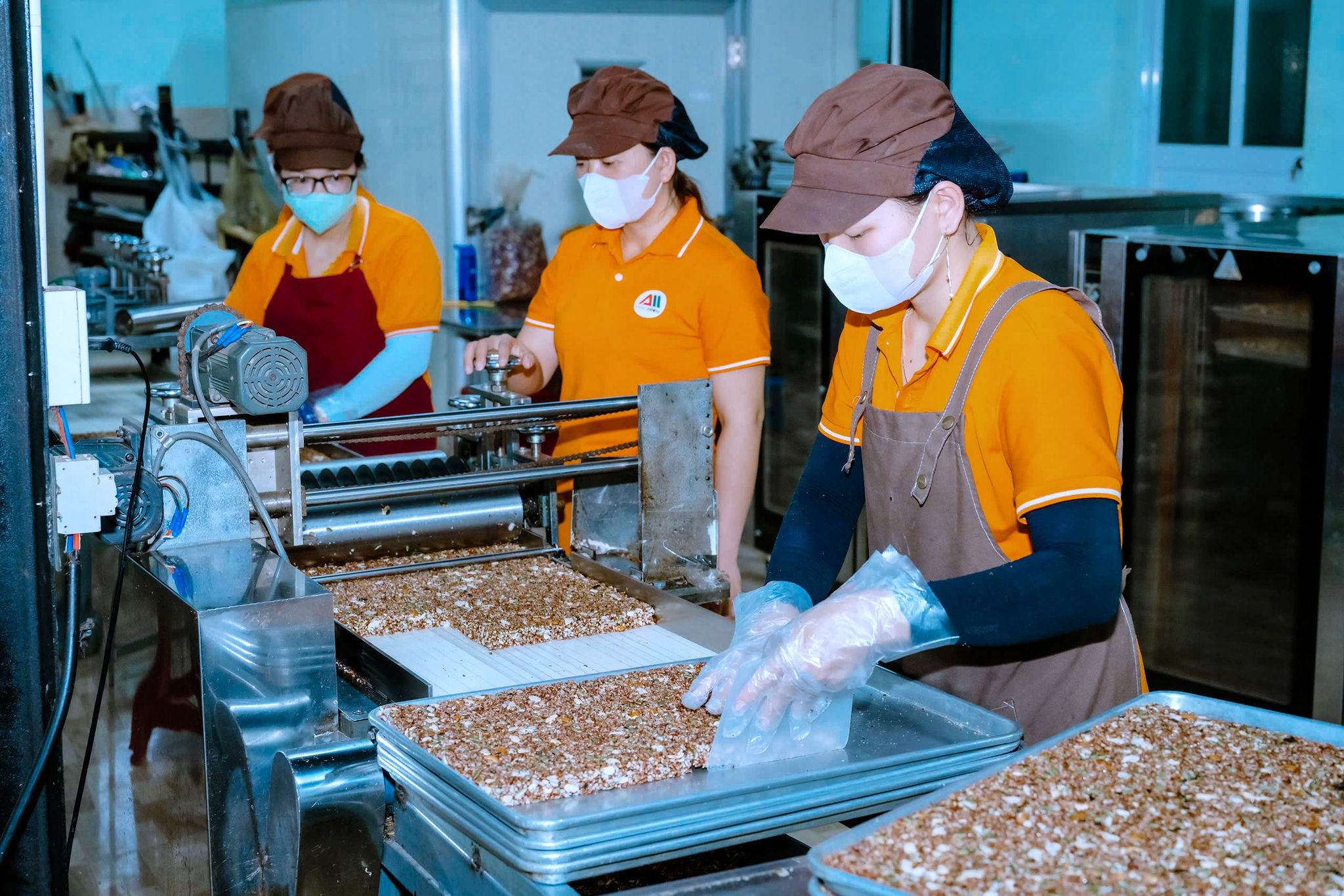
Another development direction is to link OCOP with the preservation and promotion of traditional crafts and cultural identity. Distinctive local products have value not only as commercial goods but also as a way to introduce the unique lifestyles and production traditions of local communities.
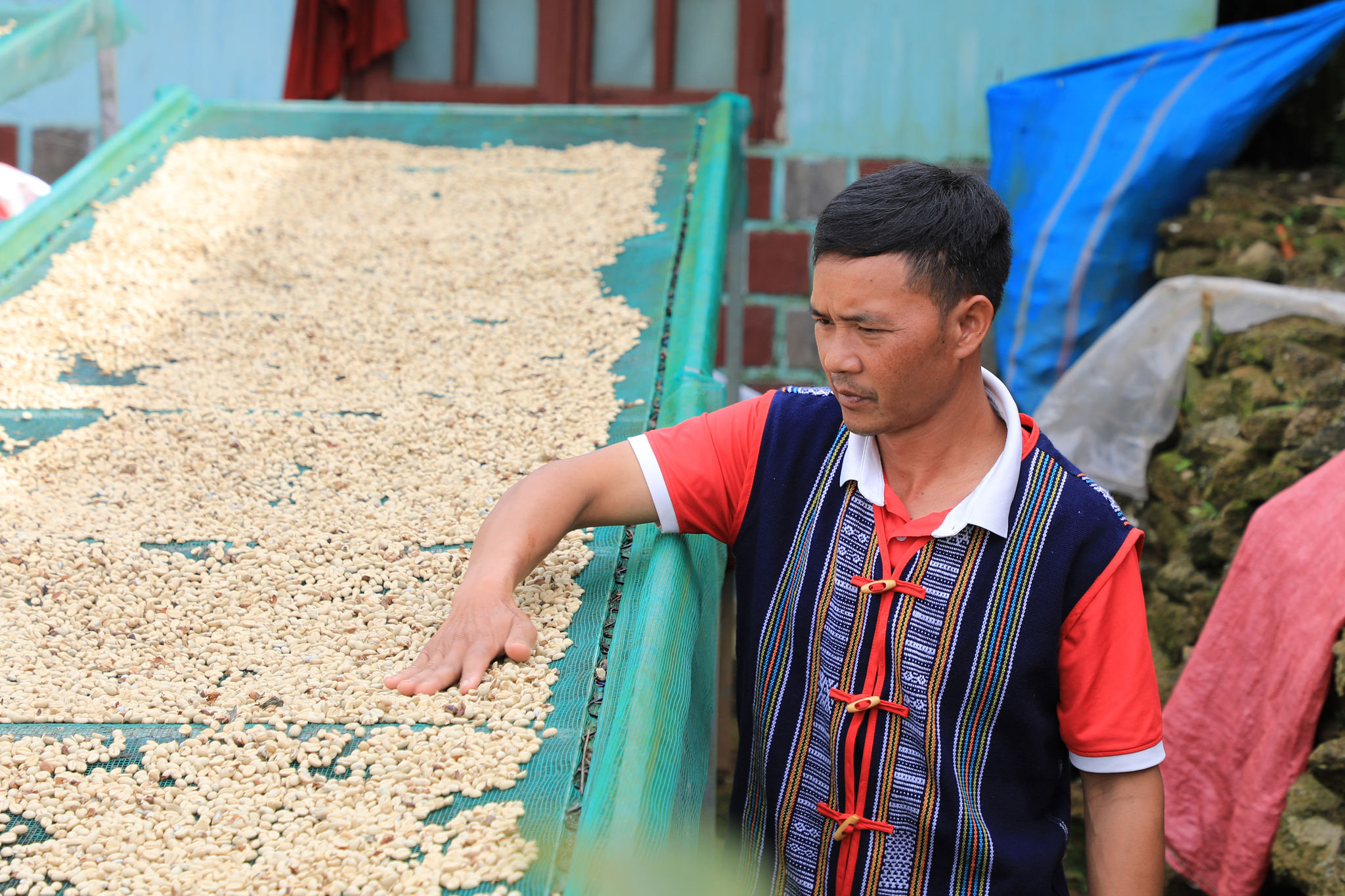
This also creates opportunities to combine product development with rural tourism and cultural preservation. Under the Provincial People's Committee's orientation, future OCOP development will continue to focus on selecting distinctive products, improving quality, strengthening production linkages and expanding markets.
These priorities are closely tied to rural economic development, livelihood creation and higher household incomes, contributing to Lam Dong's new-style rural development goals.