


Lam Dong targets sustainable development in border areas
Socio-economic development in Lam Dong’s border areas has been identified as a long-term priority, with the aim of improving livelihoods and building a border region of peace, cooperation and development.
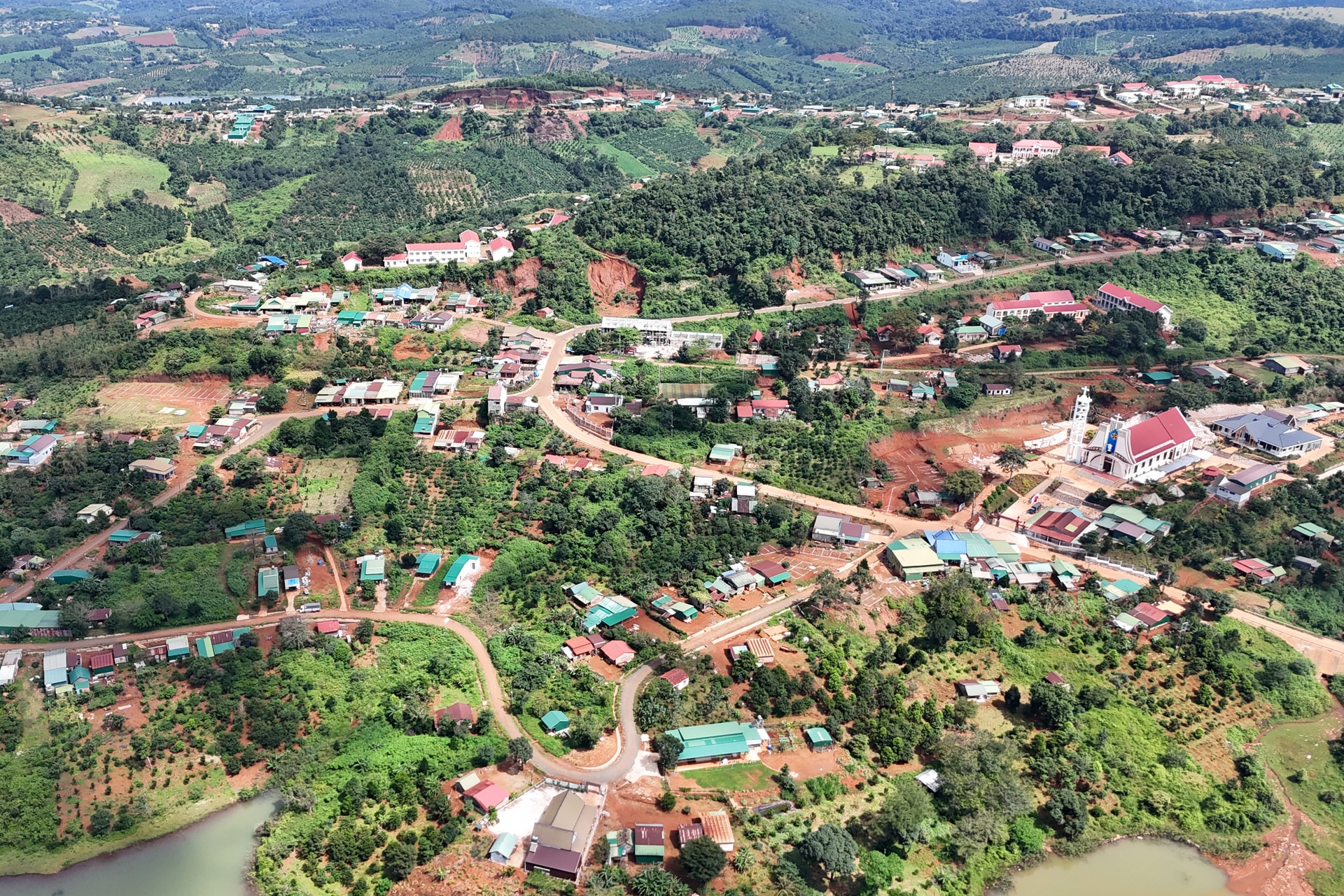
Improving livelihoods in disadvantaged communities
Quang Truc is one of the province’s most disadvantaged communes, with more than 47% of its population belonging to ethnic minorities. In recent years, authorities have implemented multiple programs and projects that have helped transform the area.
In addition to infrastructure investment, social support and land allocation policies, poverty reduction programs have delivered measurable improvements in local living standards.
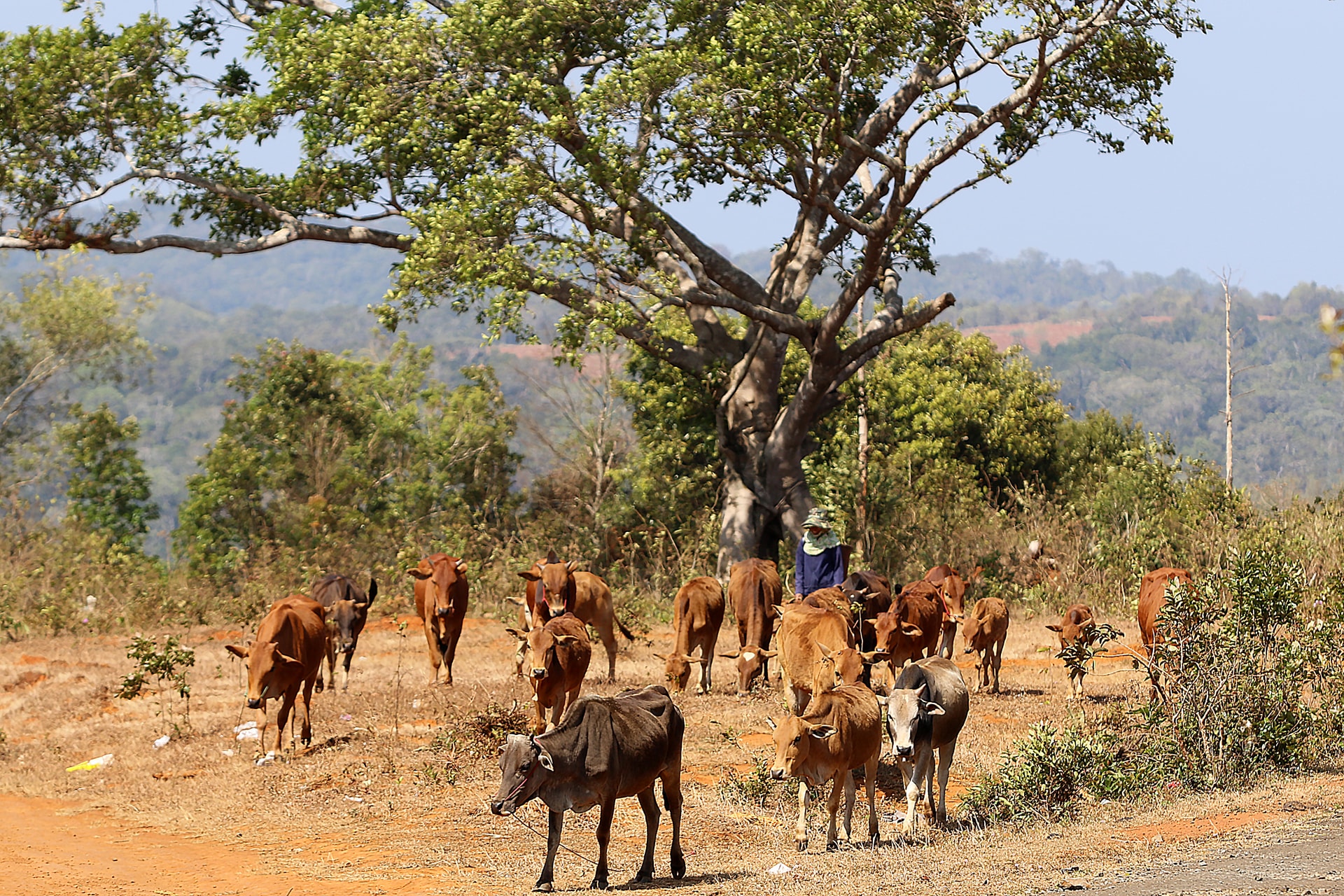
Doan Minh Thuan, vice chairman of the Quang Truc Commune People’s Committee, said local authorities have focused on livelihood support, mainly providing breeding cattle to households.
More than 300 cows have been distributed, and the model has proven effective, as it is well suited to local conditions and farming practices, he said.
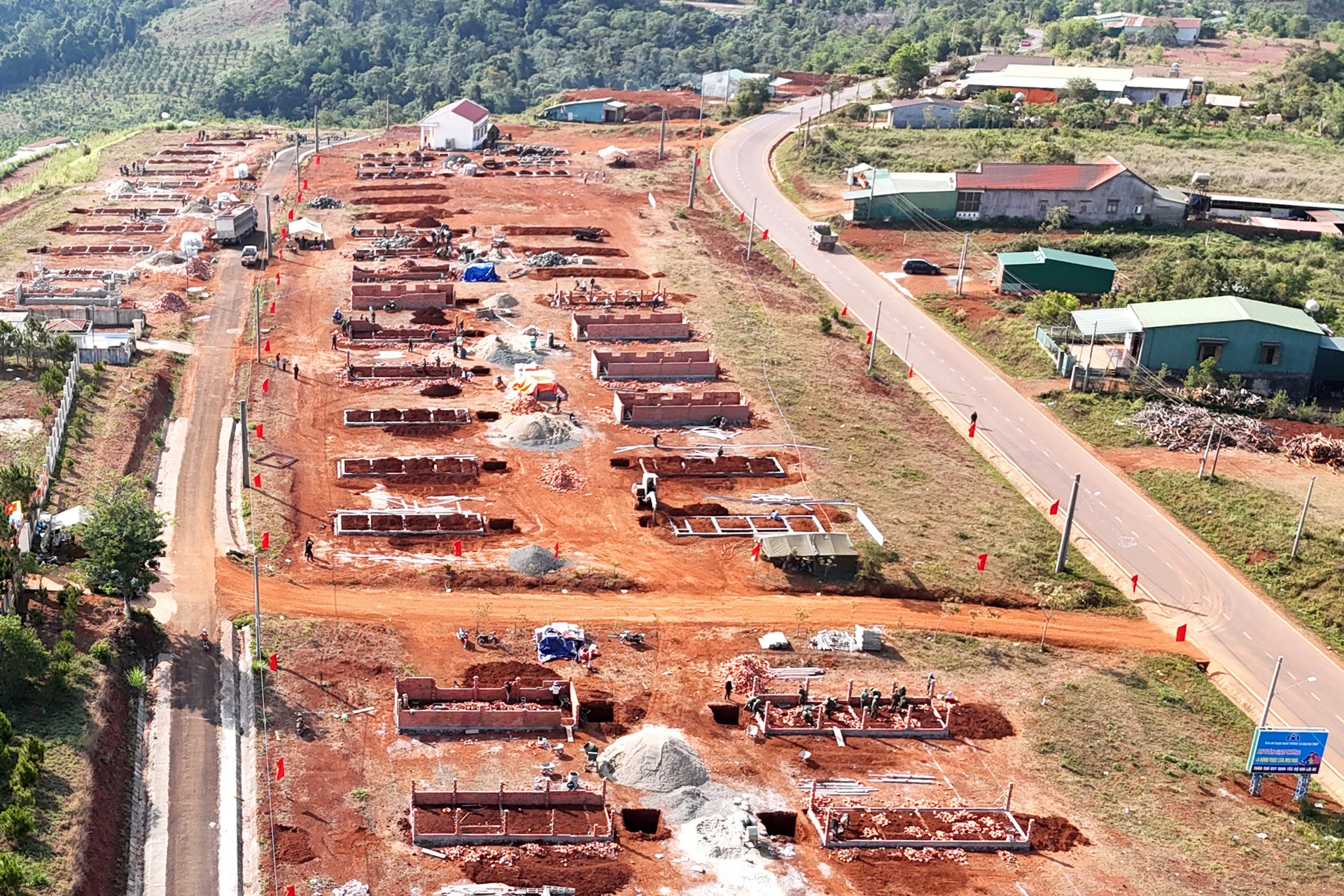
Housing stability has also been prioritized, with hundreds of homes built under national target programs and a 2025 initiative to replace temporary and dilapidated housing.
A residential project linked to a border militia post is under construction in Quang Truc and will provide housing for 60 households in Bu Nung village.
A local community leader said living conditions have improved significantly, with residents now able to focus on economic development and contribute to safeguarding national sovereignty.
Investing in education and human capital

Authorities are also investing in education, including boarding schools for primary and lower secondary students in five border communes. Each school is designed for more than 1,000 students, with total investment exceeding 225 billion VND.
Residents say the new schools will improve access to education, particularly for children in remote areas.
Poverty rates across the five communes have fallen to 4.96%, or 1,258 households, reflecting broader improvements in living conditions and growing public confidence in the border region.
Long-term strategy for border stability
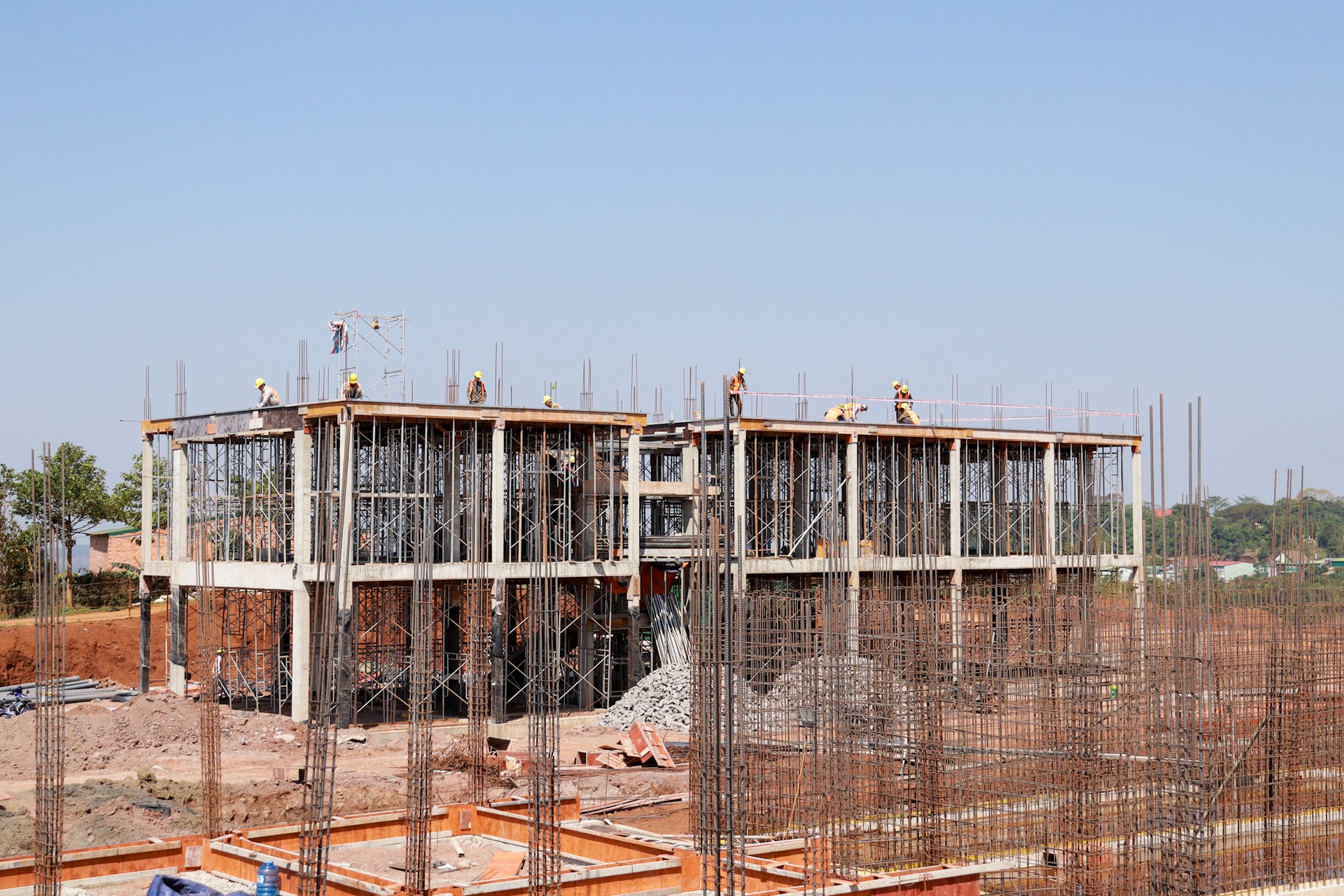
Lam Dong authorities recently approved a 2026–2030 plan to stabilize population in border communes, with total funding of more than 451 billion VND.
The plan targets reducing poverty rates to below 3% by 2030, while ensuring access to social services including healthcare, electricity subsidies, housing, clean water and education.
It also includes allocating residential land to 860 households and production land to more than 1,000 households, along with building more than 400 homes and upgrading infrastructure in 36 disadvantaged villages.

At a working session with Dak Wil Commune authorities on March 19, Chairman of the Lam Dong Provincial People’s Committee Ho Van Muoi said the province is prioritizing infrastructure investment and improving livelihoods in border areas.
He said current policies are aimed not only at sustainable poverty reduction but also at strengthening national defense, maintaining border security and supporting long-term socio-economic development.