


Lam Dong Tightens Control of Chemical Residues in Exported Agricultural Products
Facing increasingly strict international standards, Lam Dong is strengthening control over pesticide residues in its agricultural exports.
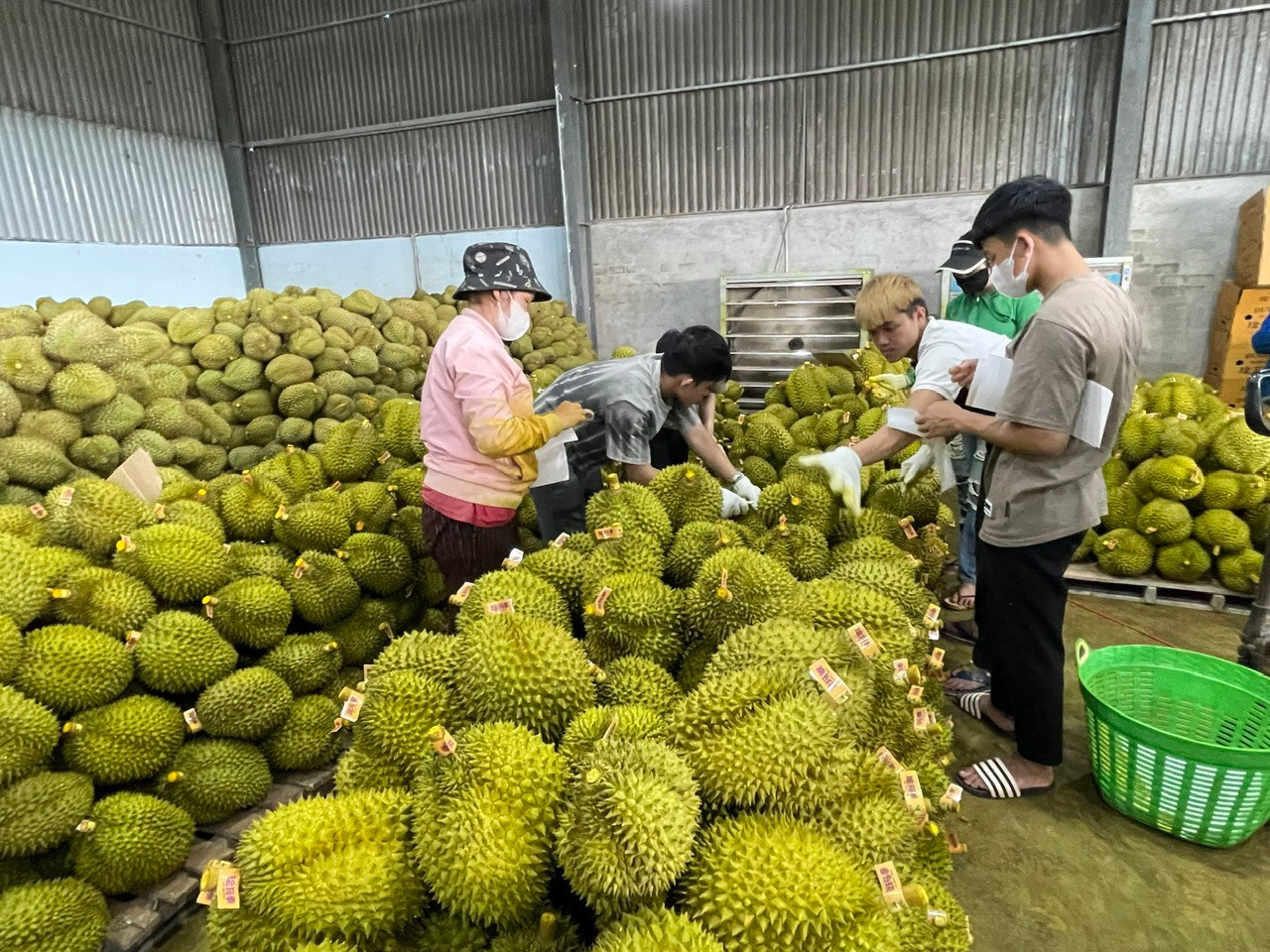
In recent years, the province has introduced a range of measures, including promoting safe farming practices and strengthening quality inspections. However, stricter import regulations, particularly from France, have created growing pressure. Since early 2026, France has suspended imports of certain agricultural products if detectable residues of five active substances, such as Glufosinate, Mancozeb, and Carbendazim, are found, directly affecting key export items.
Although Lam Dong’s agriculture is increasingly shifting toward high-tech and safe production, pesticide use in some farming areas remains inconsistent and largely based on farmers’ experience. Many farmers have yet to keep pace with import market regulations, while limitations in residue monitoring continue to threaten export capacity and product reputation.
In response, the provincial agriculture sector has called on local authorities to intensify communication efforts and strictly monitor farming areas, ensuring that banned or unapproved chemicals are not used. At the same time, businesses are required to proactively manage production processes and conduct residue testing before export.
According to Vu Dinh Cuong, controlling pesticide residues is not only a technical requirement but also a key condition for maintaining the reputation of local agricultural products, expanding export markets, and ensuring sustainable development in the context of global integration.