


Lam Dong to complete digitization of all heritage and scenic sites by 2028
The Lam Dong Provincial People's Committee has issued Plan No. 20851 on digitizing heritage and scenic sites across the province, with a target of completing the digitization of 100% of officially ranked sites by the end of 2028 to support conservation and sustainable tourism development.
The plan applies to all ranked heritage and scenic sites at three levels: special national relics, national relics and provincial relics.

To build a unified cultural heritage database connected with national data systems, Lam Dong will implement the project in two main phases.
In 2027, the province will focus on reviewing, inventorying, classifying and assessing existing archives and technological infrastructure at heritage sites.
Based on these assessments, Lam Dong will issue a list of sites and materials requiring digitization and establish common technical standards and identification codes for use across the province.
Training in digital transformation skills for cultural officials and grassroots staff will begin in the first quarter of 2027, with another training phase planned for the fourth quarter of 2028.

By 2028, Lam Dong plans to complete technical infrastructure and shared heritage database management software, while ensuring information security and connectivity with the national database of the Ministry of Culture, Sports and Tourism. Data creation will also be carried out in multiple formats.
A key feature of the plan is the use of advanced digital technologies to recreate heritage spaces and support visitor access to information.
Alongside scanning archives, drawings and legal documents in 2D format, the province will use laser scanning, drones and 360-degree photography to create 3D digital models of heritage sites. A systematic archive of documentary films, high-quality images and audio guides will also be developed.
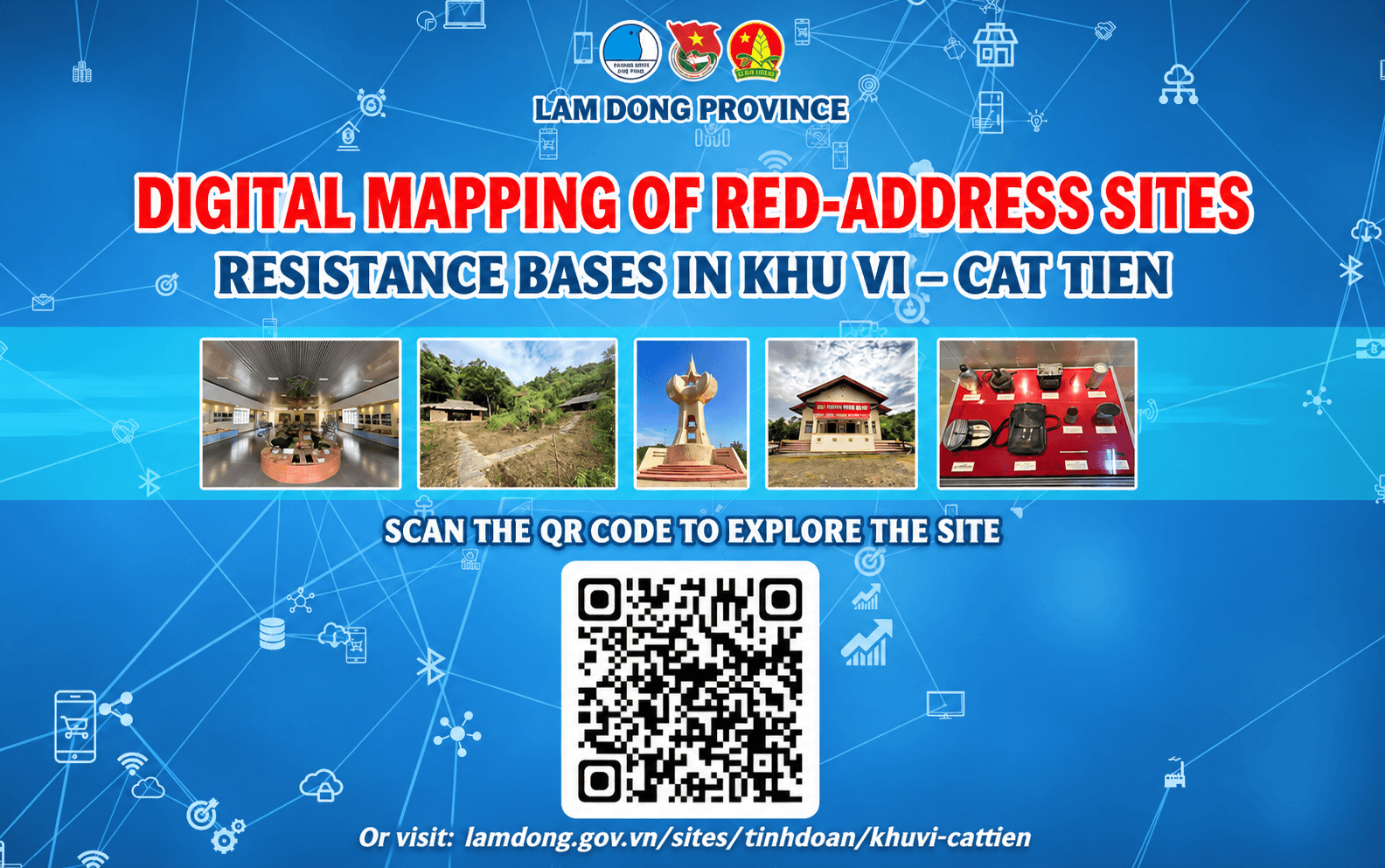
All special national and national relics will have information boards fitted with QR codes linking directly to official databases. Geographic coordinates and interpretive information will also be integrated into the province's smart tourism application, digital citizen application and widely used mapping platforms.
At selected major national and special national scenic sites, Lam Dong will study pilot applications of virtual interactive spaces, virtual reality, augmented reality and virtual exhibition rooms to enhance tourism appeal.
The Provincial People's Committee has assigned the Department of Culture, Sports and Tourism to lead implementation, ensure the accuracy of information, edit interpretive content and monitor progress.
The Department of Science and Technology will provide guidance on technical standards and data connectivity, while the Department of Agriculture and Environment will supply geographic base data. The Provincial Police will be responsible for cybersecurity inspections and data protection.
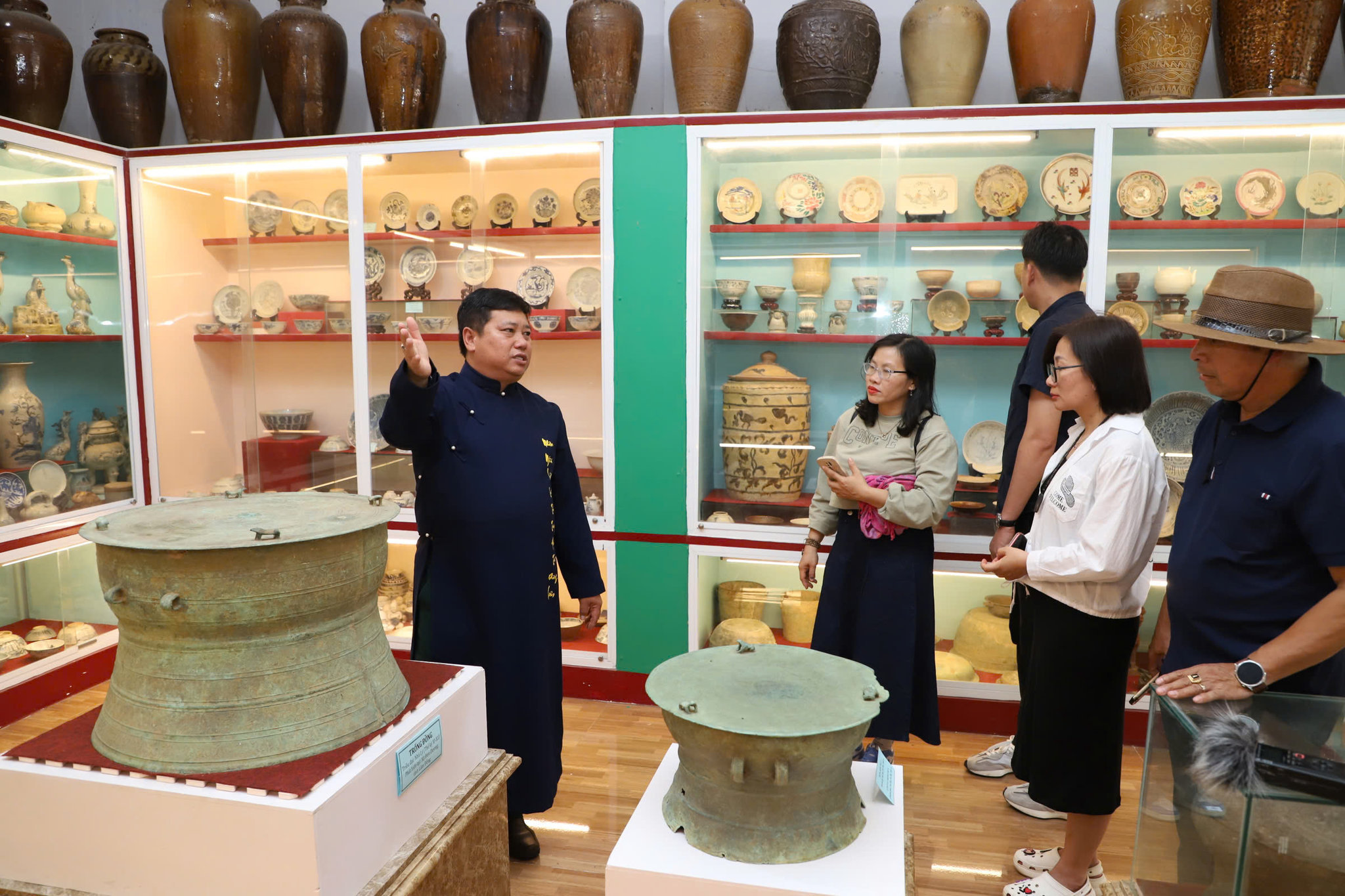
People's Committees of communes, wards and special zones will coordinate site inventories, verify information in the field and receive and operate local digital infrastructure once completed.
Funding will come from the state budget combined with other lawful socialized resources.