


Lam Dong Tourism Adjusts Strategy Amid Temporary Closure of Lien Khuong Airport
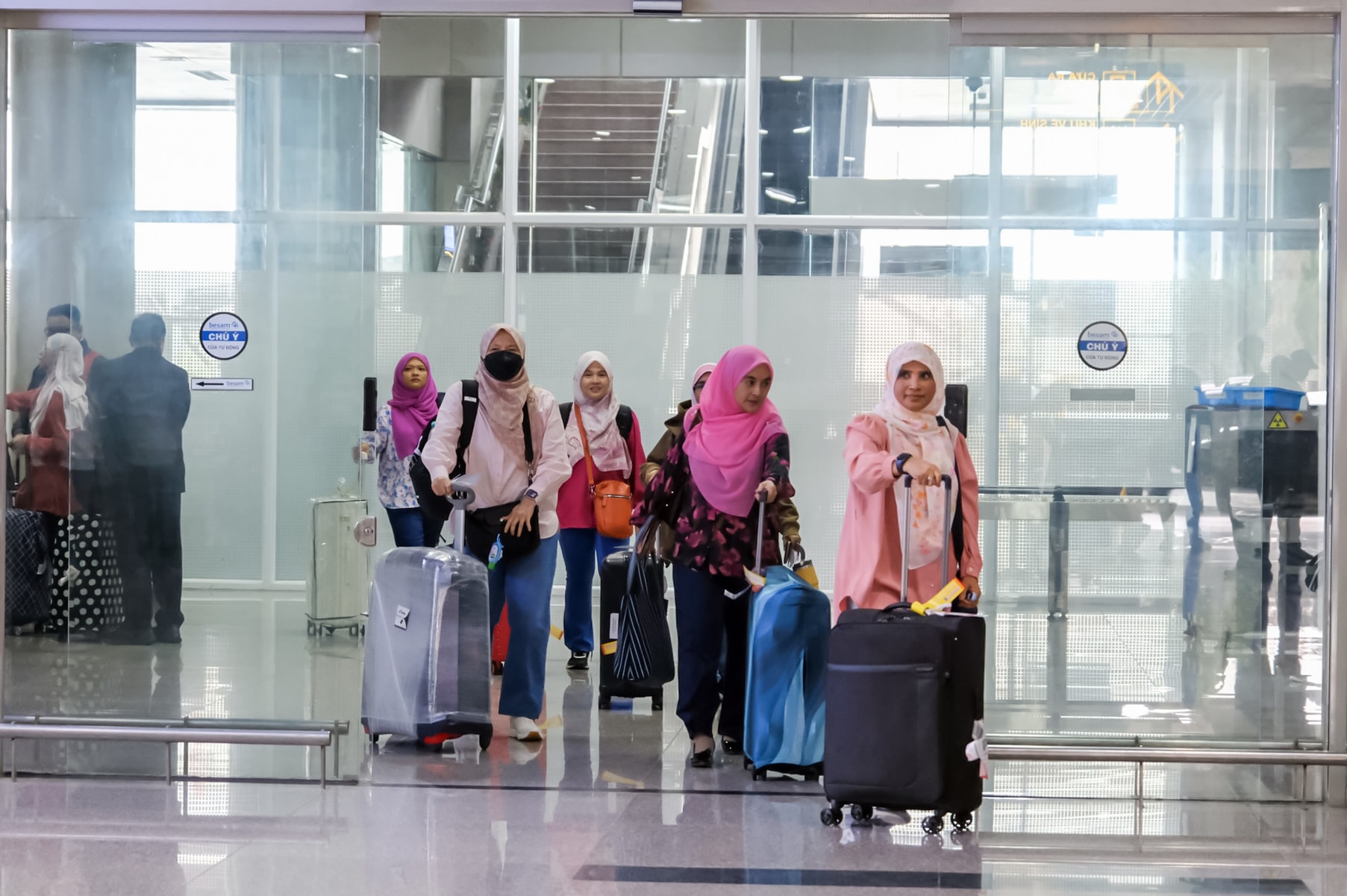
Lam Dong tourism is entering a strategic adjustment phase as Lien Khuong International Airport temporarily suspends operations for repairs and upgrades. The projected six-month closure is set to disrupt nearly 960,000 passenger arrivals and departures, creating short-term pressure on visitor flows—particularly high-end, international, and MICE segments that are traditionally reliant on seamless air connectivity.
.jpg)
Despite the disruption, provincial authorities and tourism businesses are moving quickly to stabilize the market and restructure growth strategies.
According to the Department of Culture, Sports and Tourism, air travelers account for a substantial share of Da Lat’s higher-spending visitors. The airport suspension therefore presents immediate challenges for hotels, resorts, and travel agencies serving long-haul domestic and international markets.
However, industry leaders stress that Da Lat’s core strengths remain intact. Its temperate climate, scenic landscapes, romantic urban identity, and diversified tourism products continue to position Da Lat as one of Vietnam’s most attractive destinations.
To mitigate the impact, Lam Dong is pivoting toward road-based markets. Key source regions include Ho Chi Minh City, the Southeast provinces, the South Central Coast—especially Khanh Hoa—and neighboring Central Highlands localities. These areas maintain strong weekend and short-stay demand, particularly among families and young travelers.
The province is also accelerating inter-regional tourism linkages under the model “One Journey – Multiple Destinations.” Integrated itineraries such as Nha Trang – Da Lat – Bao Loc and Phan Thiet – Da Lat – Ta Dung are being promoted to encourage longer stays and higher visitor spending. This approach not only offsets reduced air traffic but also strengthens regional value chains.
Tourism enterprises had anticipated the temporary closure months in advance. Many conducted customer surveys to assess travel behavior. Feedback suggests that while some travelers hesitate to combine flights to alternative airports with extended road transfers, others may extend their stay once they commit to the journey, potentially increasing overall spending per trip.

Industry representatives emphasize that the six-month disruption should be viewed as a short-term structural adjustment rather than a long-term setback. Once renovations are completed, upgraded infrastructure and expanded flight capacity could enhance Lam Dong’s competitiveness in both domestic and international markets.
At a recent tourism forum addressing the airport closure, experts noted that transportation infrastructure, while critical, is not the sole determinant of destination growth. Lam Dong benefits from diverse tourism assets, including high-tech agricultural tourism, eco-tourism, cultural heritage, sports tourism, and culinary experiences.
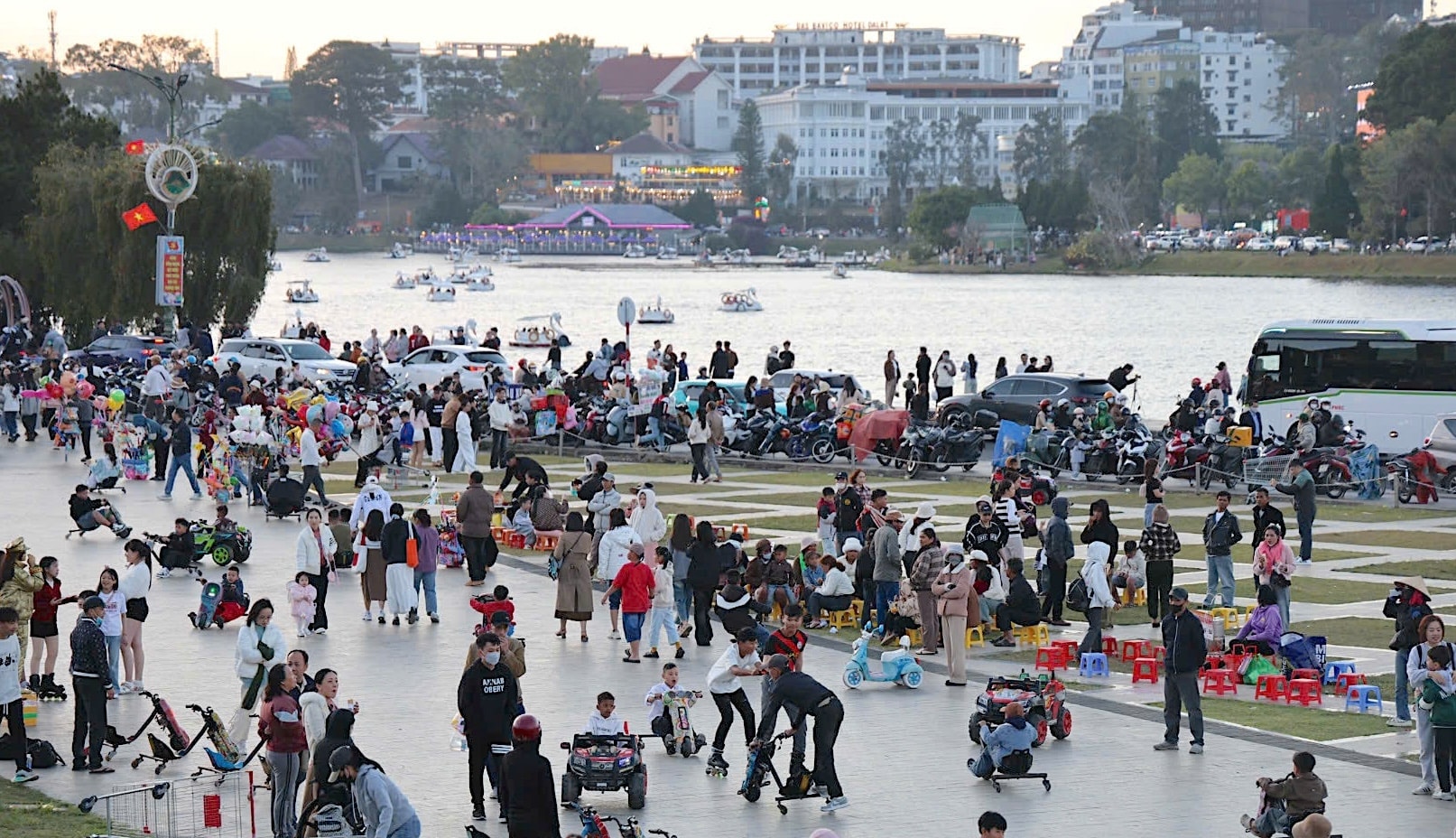
Observers cite destinations such as Ha Giang—without an airport or expressway system—as examples of how strong branding and distinctive products can drive visitor growth despite infrastructure limitations.
For Lam Dong, the immediate priority is to optimize road connectivity, enhance service quality, and strengthen collaboration among stakeholders. Industry leaders caution against relying solely on discount pricing to stimulate demand, particularly for premium and MICE segments that prioritize integrated service quality over cost.

In the longer term, the temporary airport closure may serve as a catalyst for structural refinement. By focusing on product differentiation, inter-regional cooperation, and service standards, Lam Dong tourism aims to emerge more resilient and competitive when Lien Khuong Airport reopens.
While the suspension poses undeniable short-term challenges, the province is positioning this period as an opportunity to reinforce its tourism ecosystem—laying the groundwork for sustainable growth in the years ahead.