


Lam Dong Tourism: Entering a Breakthrough Phase After Administrative Merger
Following the administrative boundary merger, Lam Dong’s tourism sector is standing at a new turning point filled with breakthrough opportunities. The impressive growth figures recorded in 2025 not only reflect the strong recovery of the “smokeless industry,” but also open up expectations for a new surge in 2026, when the advantages of plateau – forests – sea – islands are, for the first time, integrated into a unified development space.
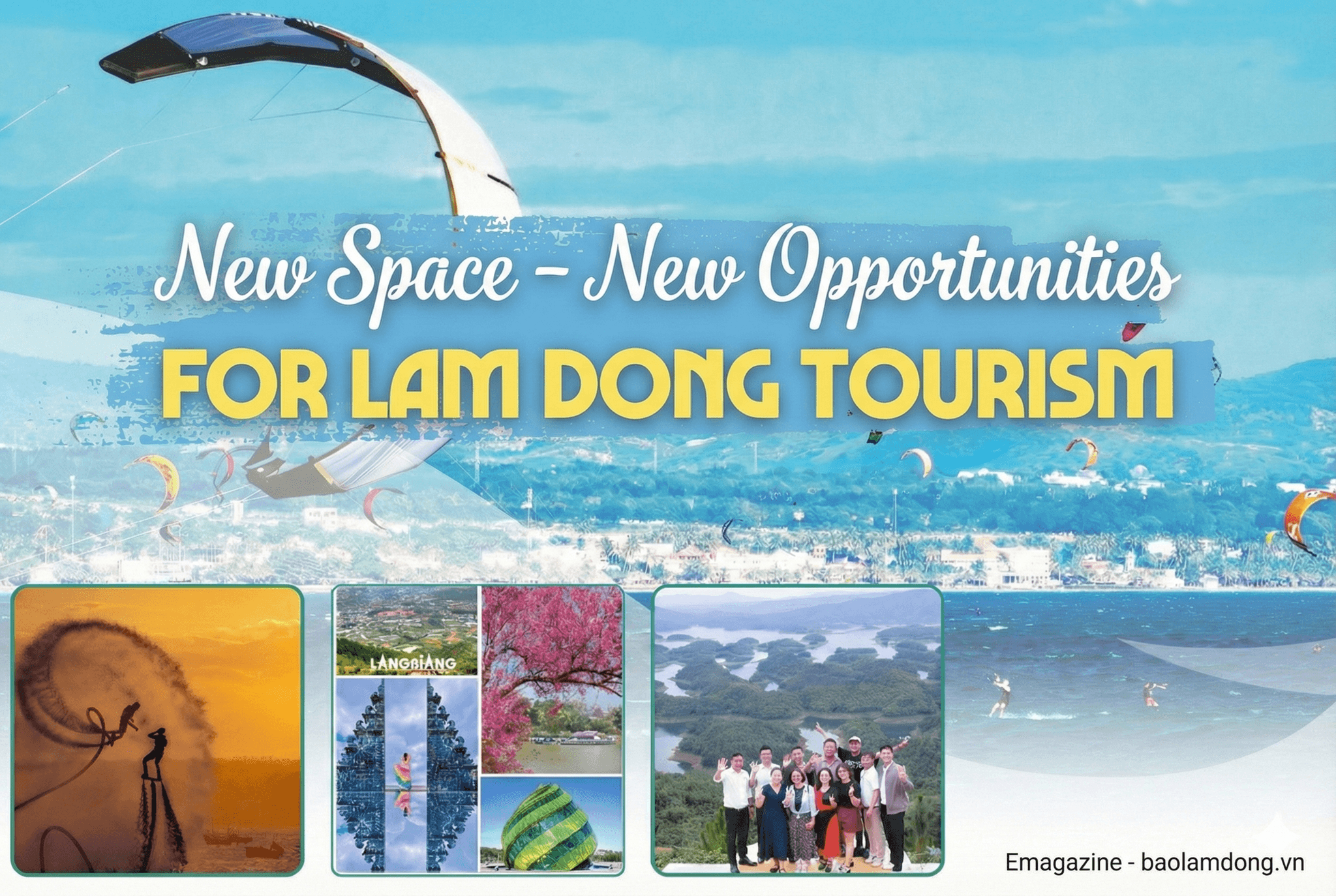
Following the administrative boundary merger, Lam Dong’s tourism sector is standing at a new turning point filled with breakthrough opportunities. The impressive growth figures recorded in 2025 not only reflect the strong recovery of the “smokeless industry,” but also open up expectations for a new surge in 2026, when the advantages of plateau – forests – sea – islands are, for the first time, integrated into a unified development space.

According to statistics from the Lam Dong Department of Culture, Sports and Tourism, in 2025 the total number of visitors to Lam Dong for sightseeing and leisure was estimated at over 20.7 million, up 18.1% year-on-year and exceeding the annual plan by 15.38%. Notably, international arrivals reached approximately 1.287 million, soaring 39.7%, demonstrating the growing appeal of Lam Dong as an international tourism destination.
Along with visitor growth, tourism revenue reached an estimated VND 56.8 trillion, reflecting increased visitor spending and longer stays. Total guest nights were estimated at over 38 million, indicating that experiential and long-stay tourism is gradually replacing the short, “visit-and-leave” model.
These achievements are significant not only in quantitative terms, but also as evidence of Lam Dong tourism’s ongoing repositioning of products, markets, and service quality amid increasingly fierce competition among destinations nationwide.
Upgraded Infrastructure as a Key Growth Foundation
One of the most important pillars supporting Lam Dong tourism’s breakthrough opportunities is its increasingly comprehensive infrastructure system.
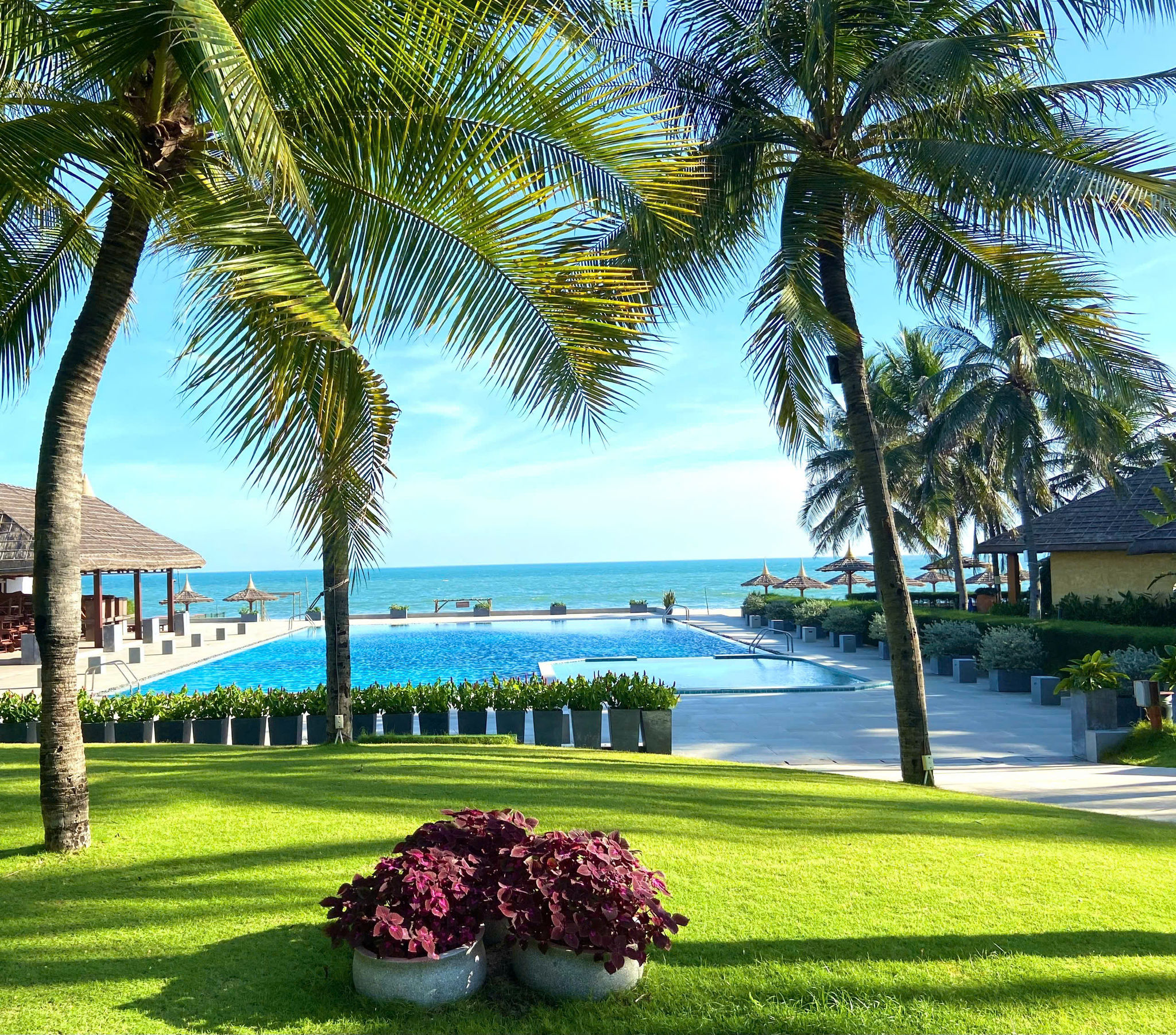
The province currently has 4,234 tourism accommodation establishments with nearly 67,000 rooms, spanning from high-end to budget segments. Notably, the high-quality accommodation segment continues to expand, with 10 five-star hotels, 49 four-star establishments, and a wide range of resorts, tourism villas, serviced apartments, and camping sites, meeting the increasingly diverse needs of visitors.
This development shows that Lam Dong tourism is no longer catering solely to mass-market visitors, but is gradually attracting high-spending travelers, long-stay vacationers, MICE tourists, and international visitors.
At the same time, the network of travel enterprises and tour guides continues to be strengthened. The province currently has 124 travel agencies and more than 1,160 tour guides, nearly half of whom are international guides. This is a vital human resource base for developing specialized products, inter-regional tours, and thematic experiences linked to culture, ecology, and local identity.
.png)
From Highlands to the Sea: A Broader Tourism Landscape
Previously, Lam Dong tourism was primarily associated with Da Lat and the highland landscape. Today, however, the province’s tourism picture is expanding significantly in both breadth and depth — from forests and mountains to the sea.
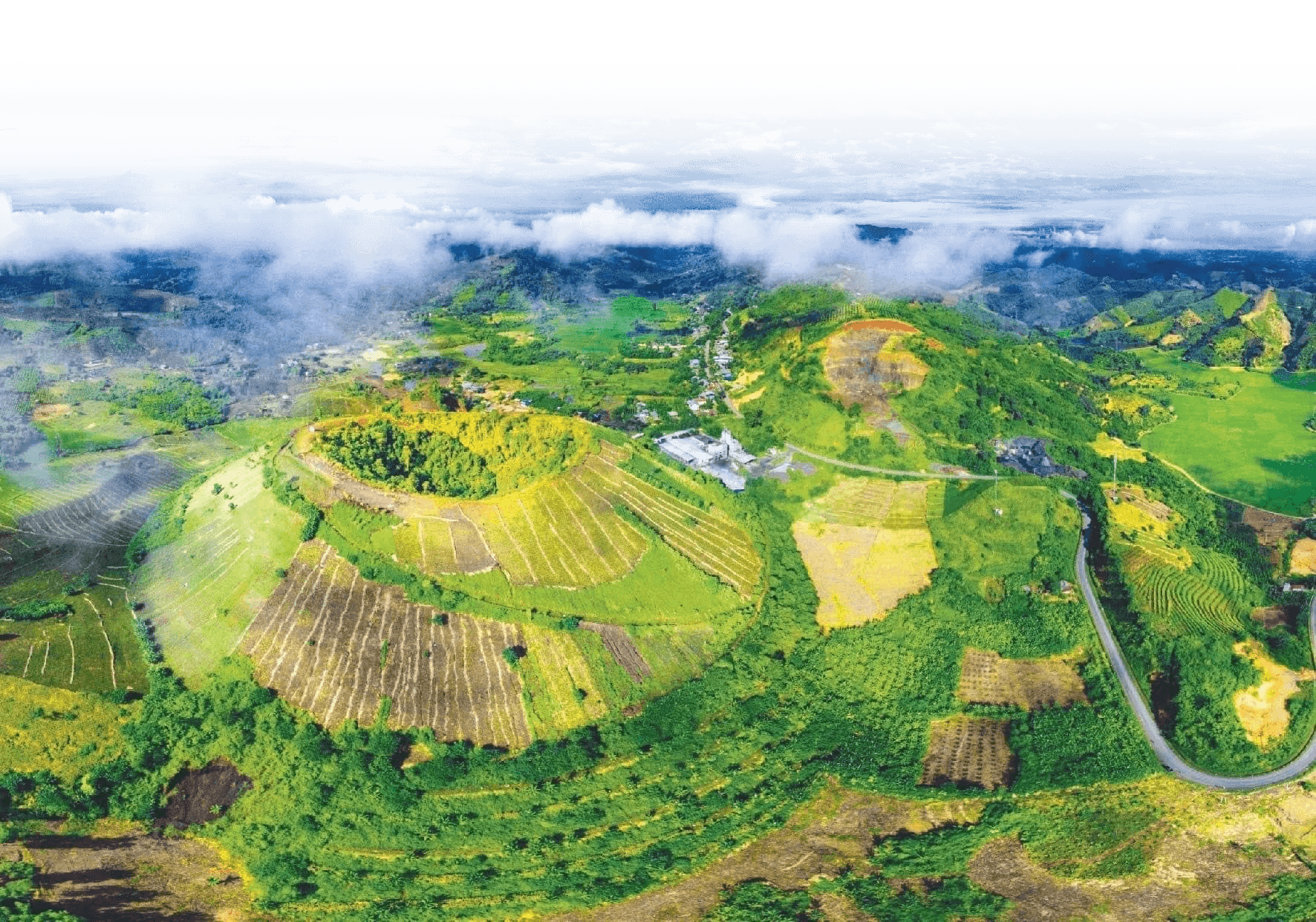
The province currently has 99 tourist areas and attractions, including 30 officially recognized sites. Among them, the UNESCO Dak Nong Global Geopark stands out as a valuable “soft asset” for sustainable tourism development, education, and experiential travel.
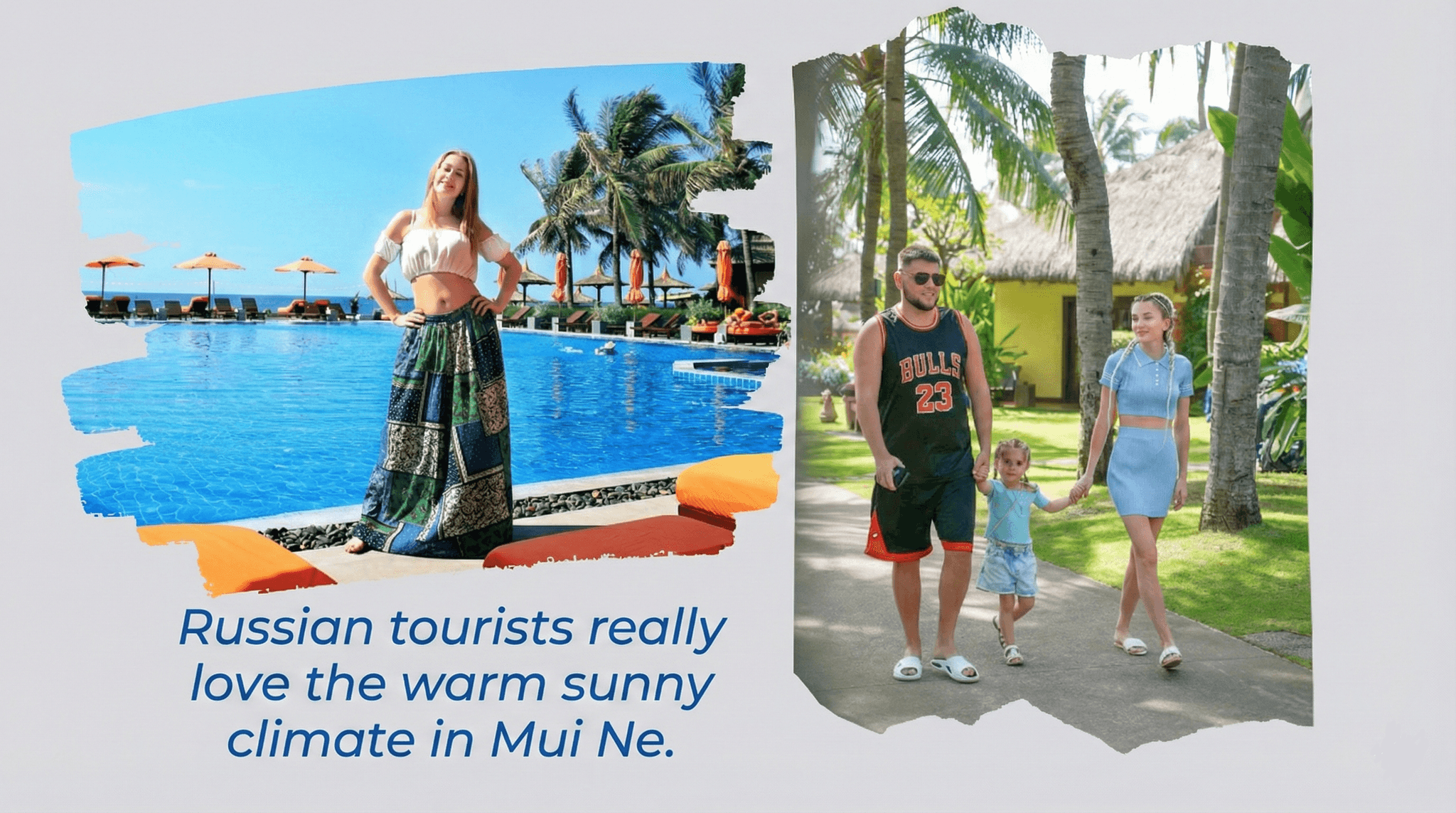
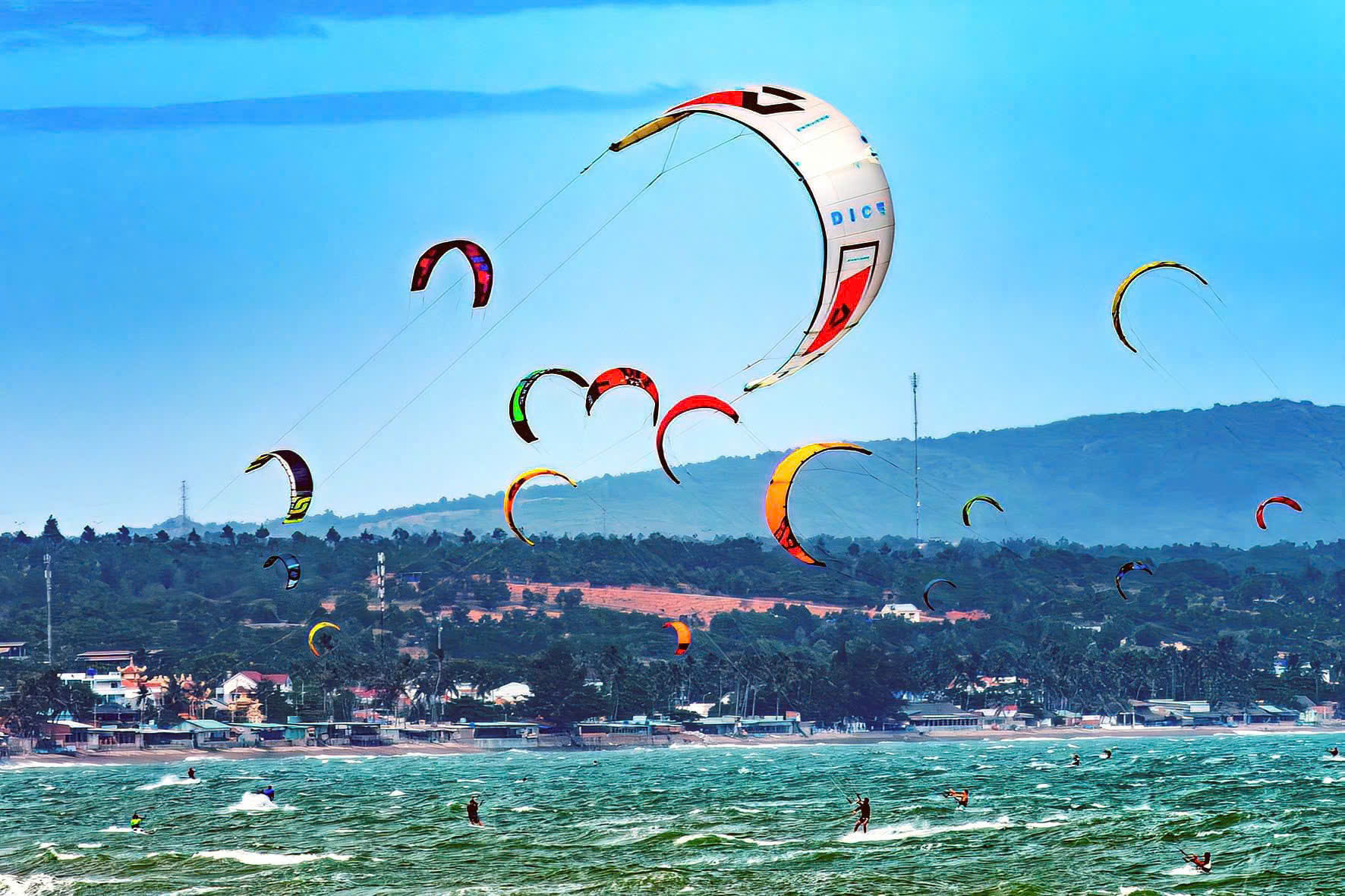
In addition, the coastal tourism space of Mui Ne, with its sunshine, wind, beautiful beaches, marine sports, and high-end resorts, is contributing to a more complete and diverse tourism landscape that links highlands – sea – islands in post-merger Lam Dong.
Building on this foundation, Lam Dong is prioritizing green growth, closely tied to heritage values, culture, and distinctive cuisine. A diversified product system is taking shape, ranging from resort tourism, eco-tourism, agricultural tourism, community-based tourism, to marine tourism, water sports, adventure tourism, MICE tourism, and island exploration — particularly routes to the Phu Quy Special Zone.
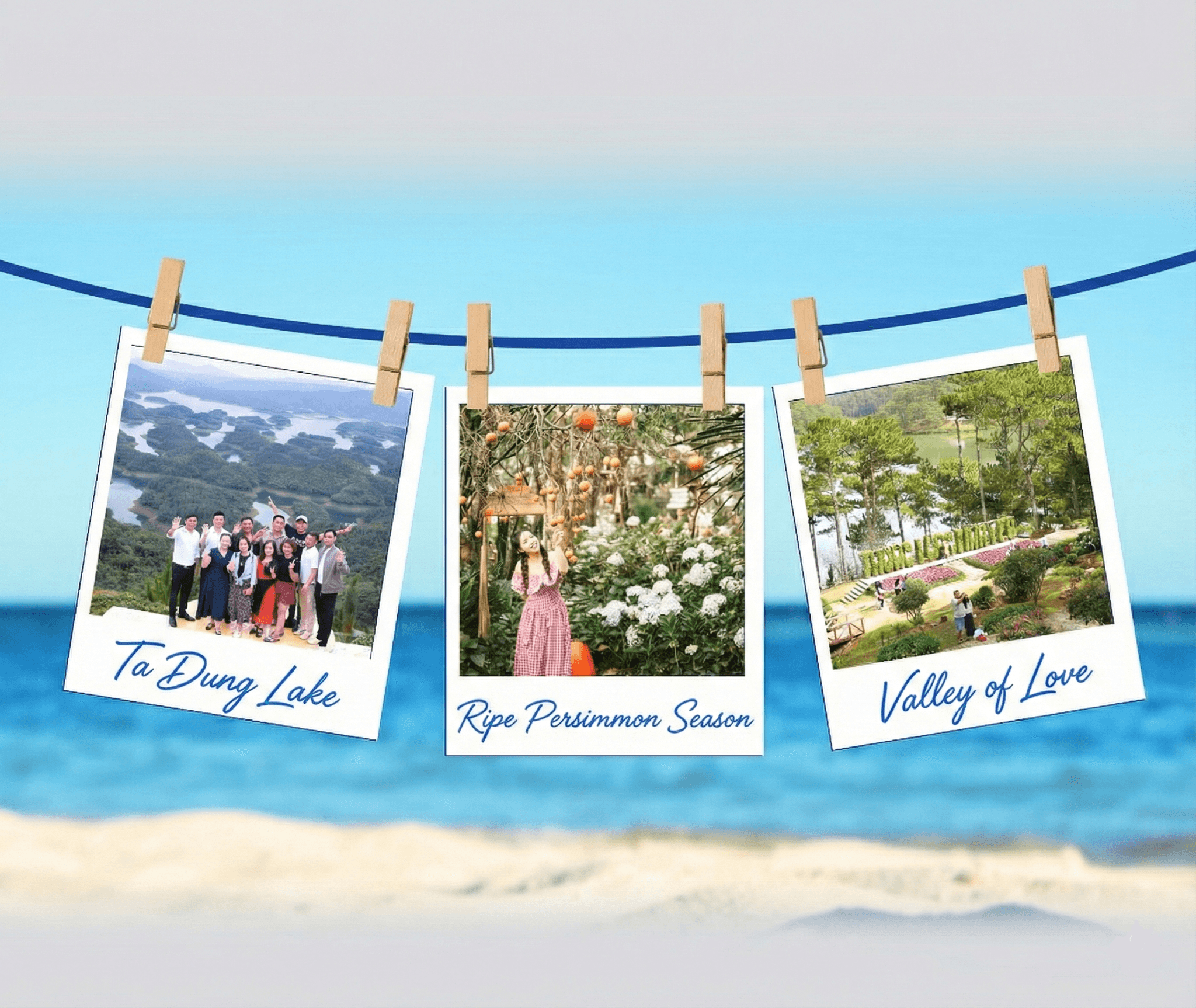
Many new products and destinations have already made a strong impression, such as LangBiang Land, Delight Park, Langfarm Center, agri-tourism farm models, and distinctive ecological sites across the highlands, coast, and islands. These efforts help refresh the destination’s image, enhance competitiveness, and extend visitors’ experiential journeys.
Events and Connectivity Fuel Tourism Momentum
The year 2025 also left a strong mark with a series of large-scale cultural, sports, and tourism events. A highlight was the Lam Dong Tourism Destination Experience Month 2025, themed “Lam Dong – Convergence of Quintessence, Connection of Emotions.”
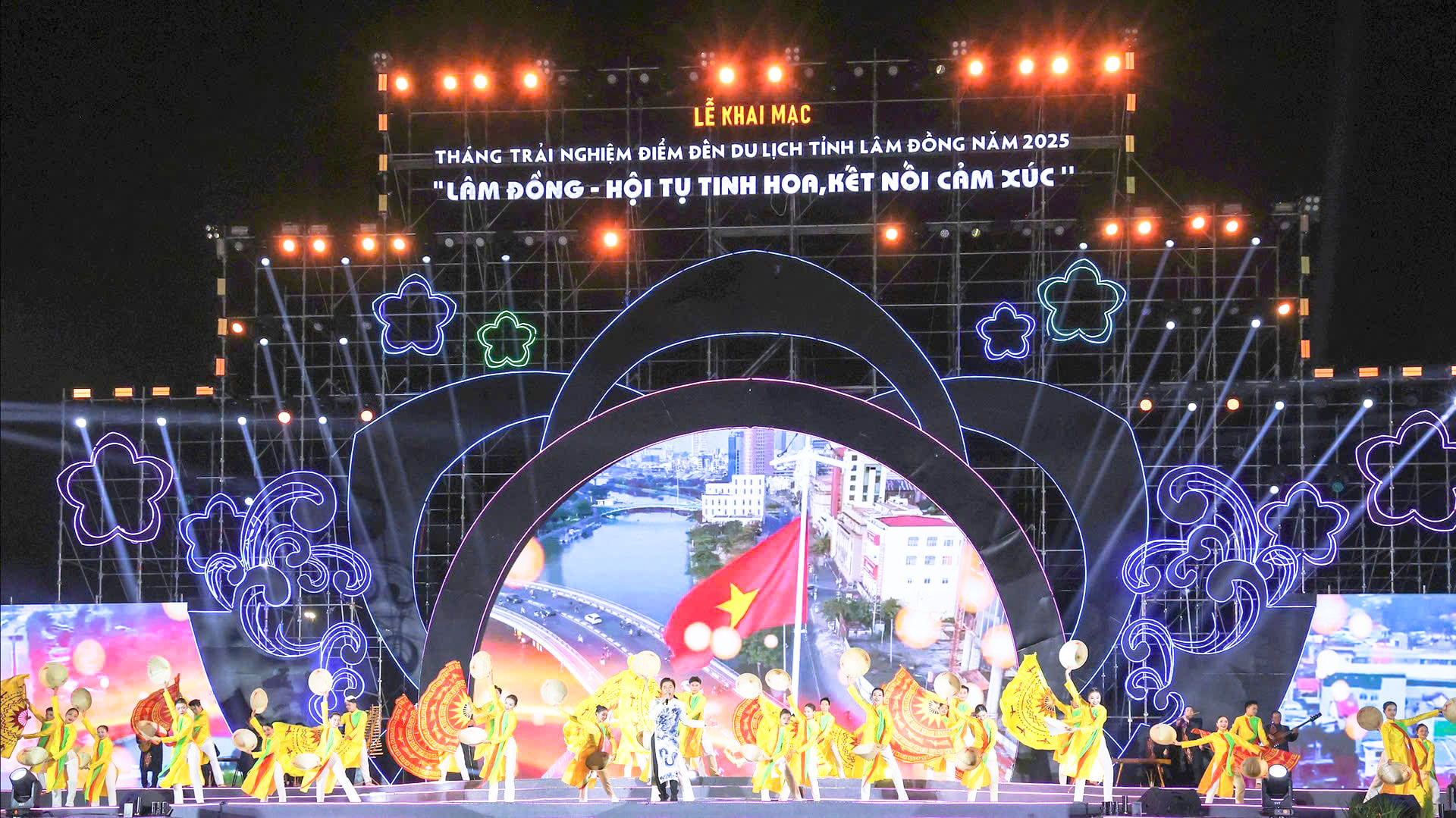
This event series not only generated strong media impact, but also stimulated demand and helped distribute visitor flows across different localities in the province.
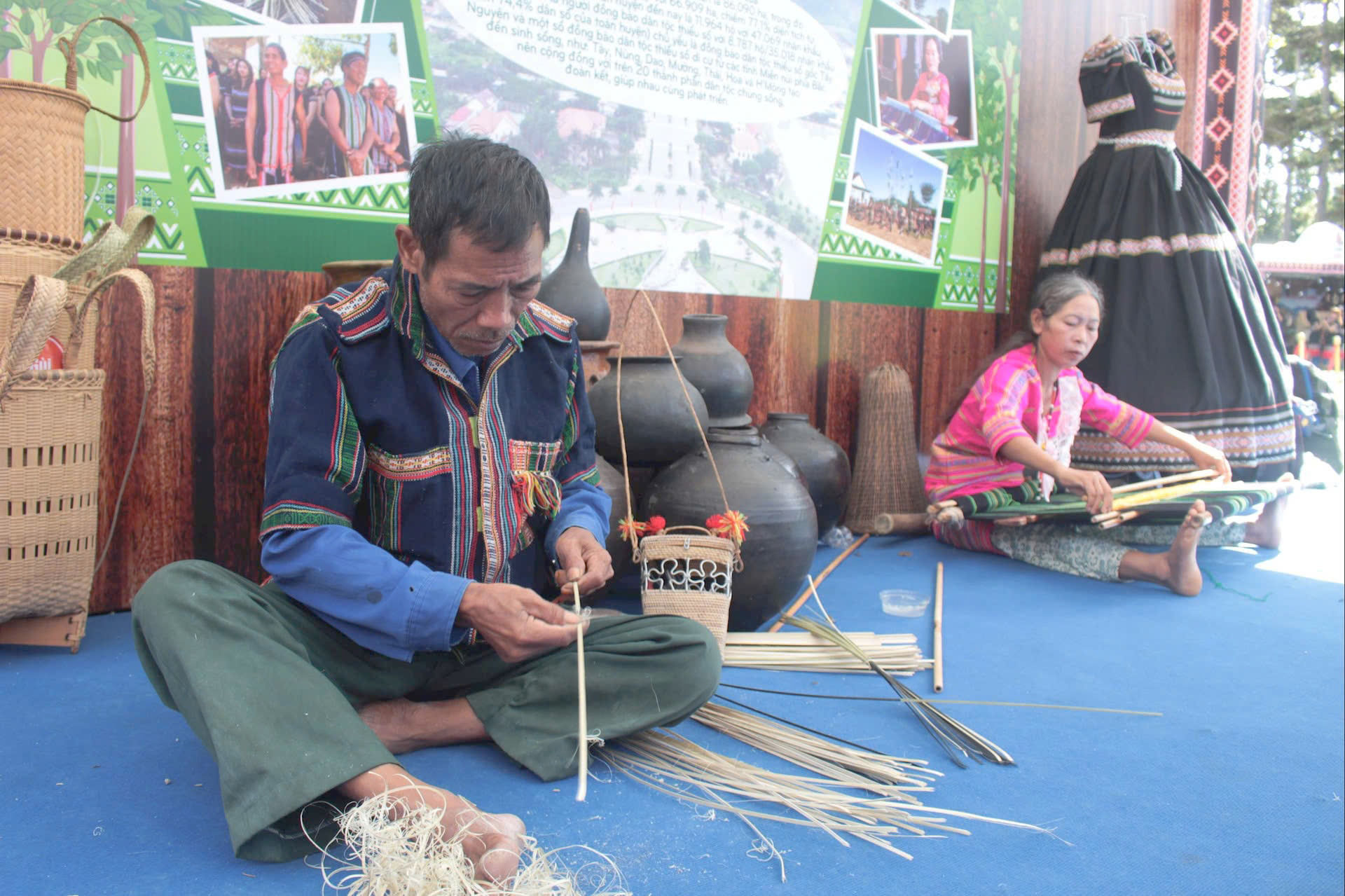
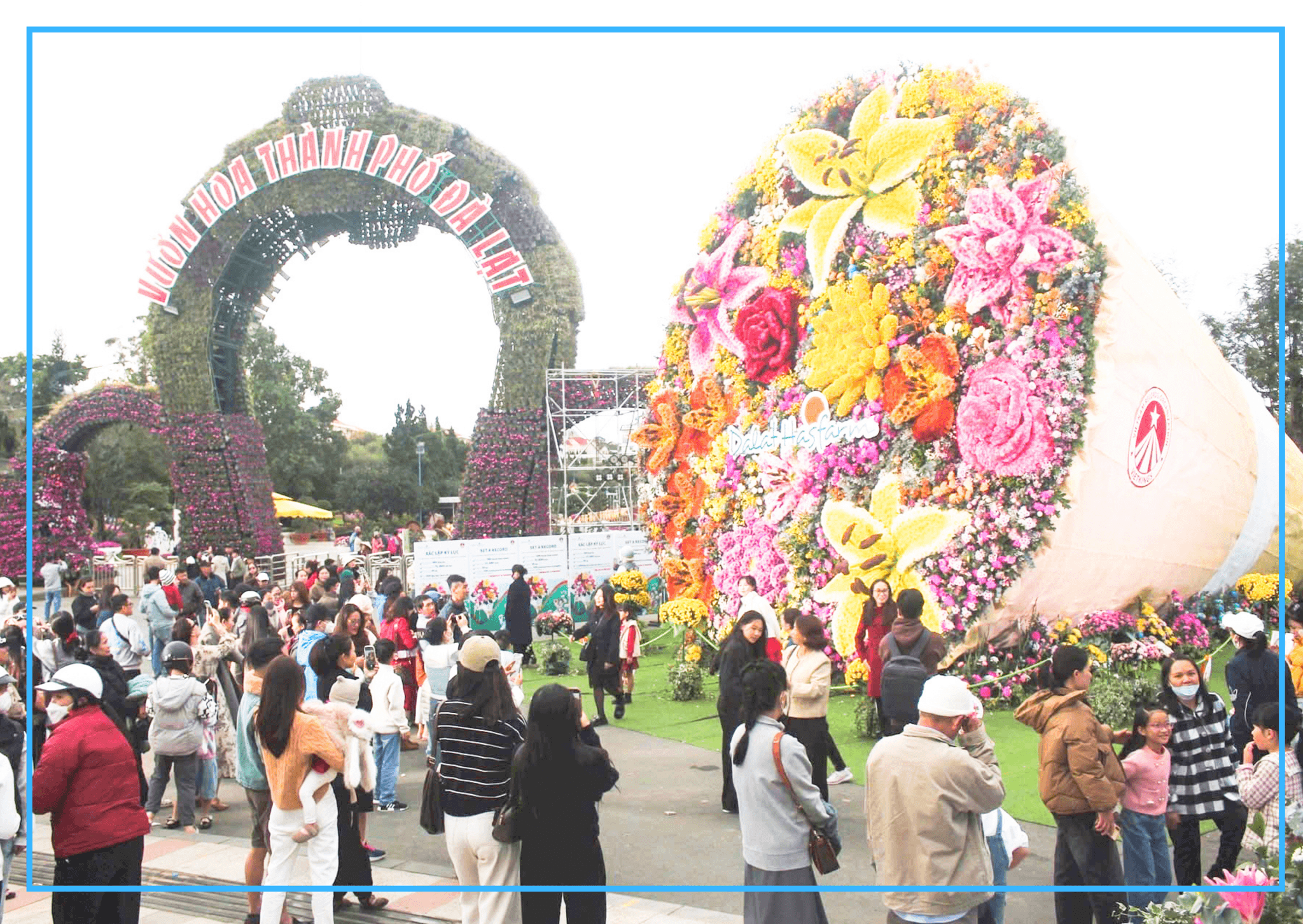
In addition, sports tournaments, music festivals, artistic programs, and events linked to cinema, culture, and street food created a vibrant, youthful, and experience-rich atmosphere for Lam Dong as a destination.
Tourism linkages and cooperation activities continue to be promoted in a more substantive and focused manner. Lam Dong has proactively connected with Ho Chi Minh City, the Central Highlands, the South Central Coast, and the Southeast region to develop inter-regional tours, share visitor flows, and jointly promote destination branding.
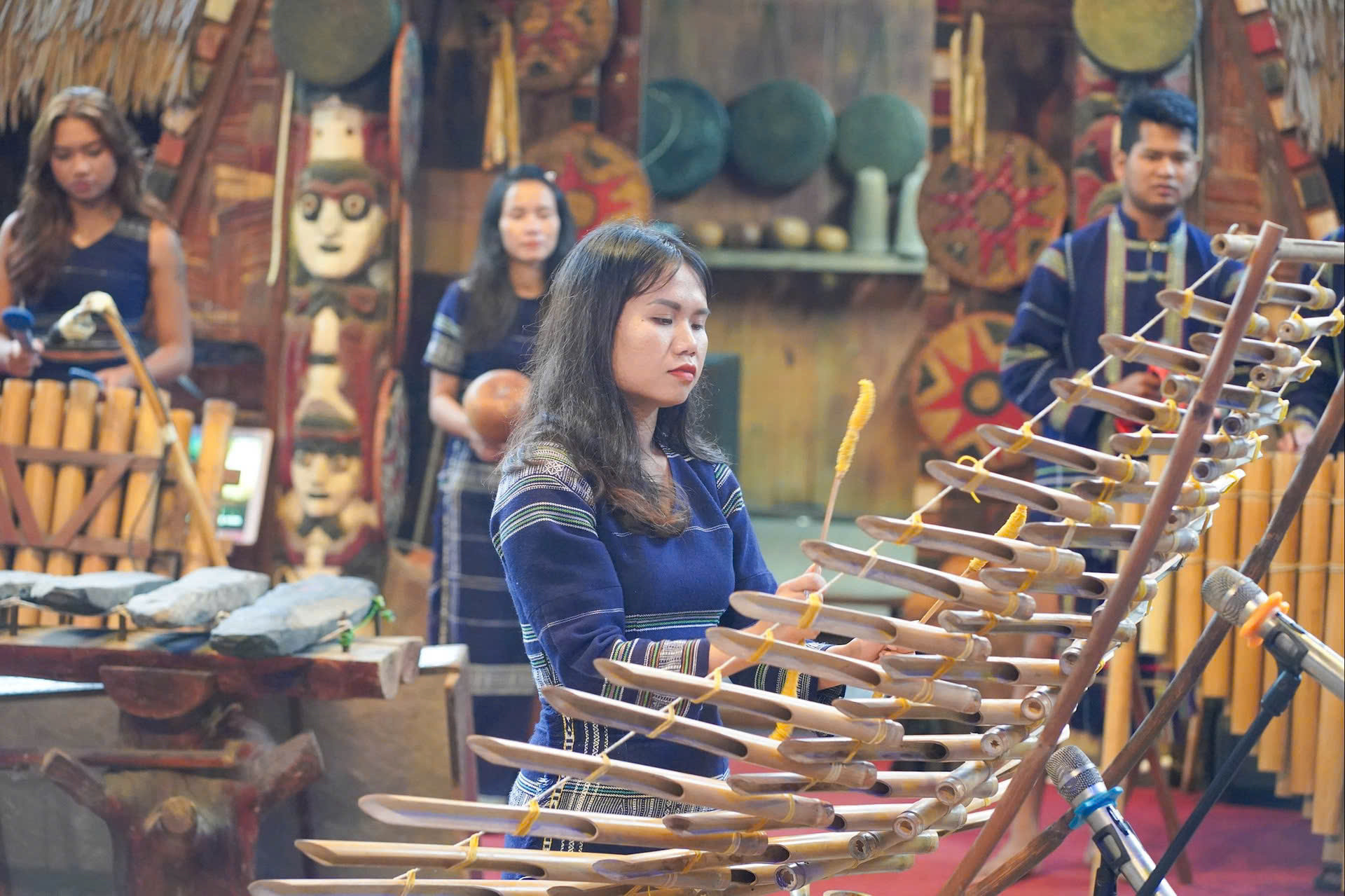
Notably, the cooperation agreement signed with Vietnam Airlines for the 2025–2030 period opens up significant opportunities for route development, destination promotion, and attracting domestic and international markets. Along with tourism promotion activities in South Korea, Malaysia (Halal market), India, Europe, and others, these efforts demonstrate Lam Dong’s determination to diversify markets and reduce reliance on traditional source markets.
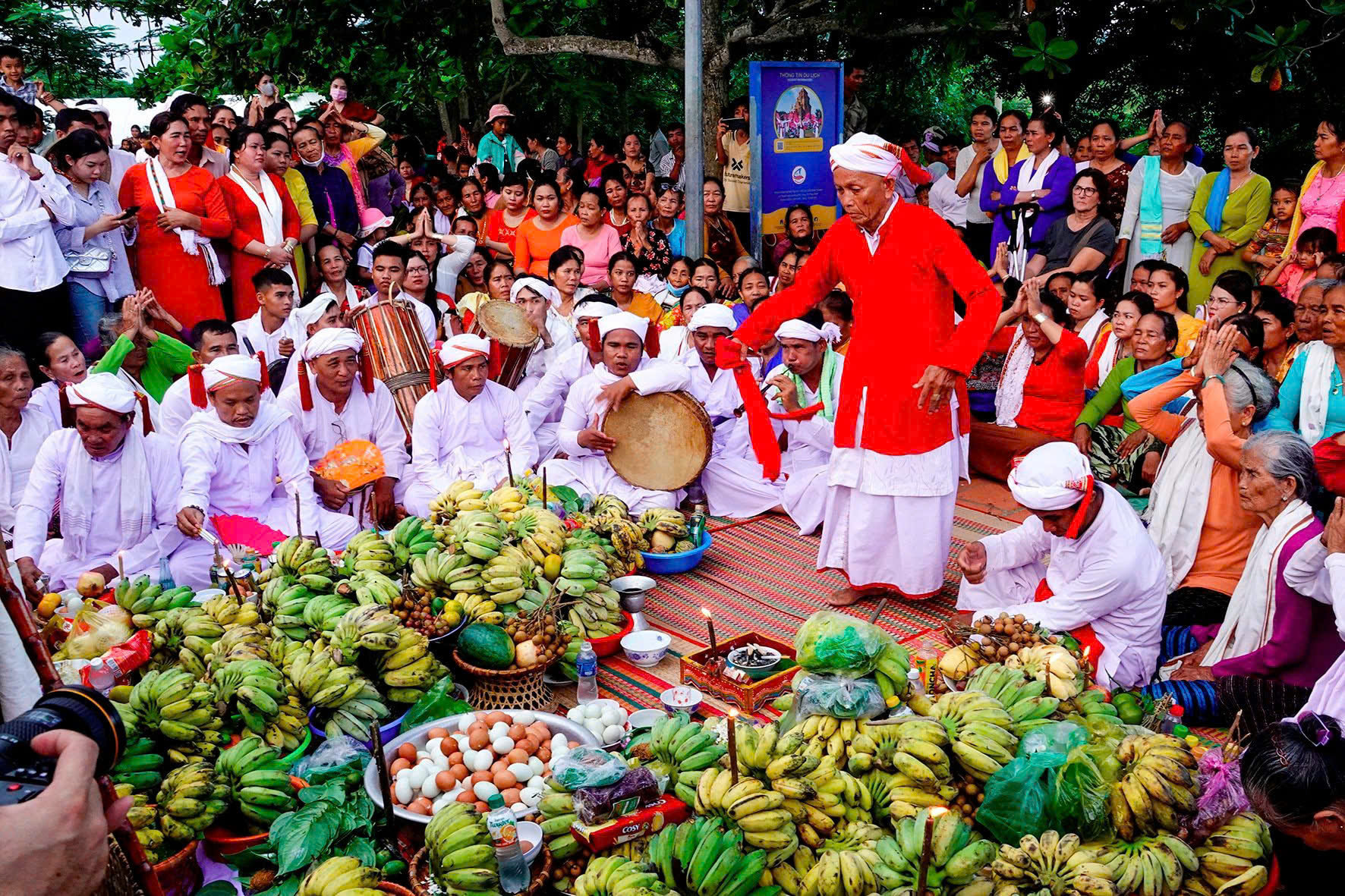
Digital Transformation: A Key Driver for the Next Phase
A crucial factor creating breakthrough opportunities for Lam Dong tourism in the coming period is digital transformation. The deployment of QR codes at tourist sites, data digitization, VR 360 applications, smart tourism portals, and AI-powered multilingual virtual assistants is gradually enhancing visitor experiences and improving state management efficiency.
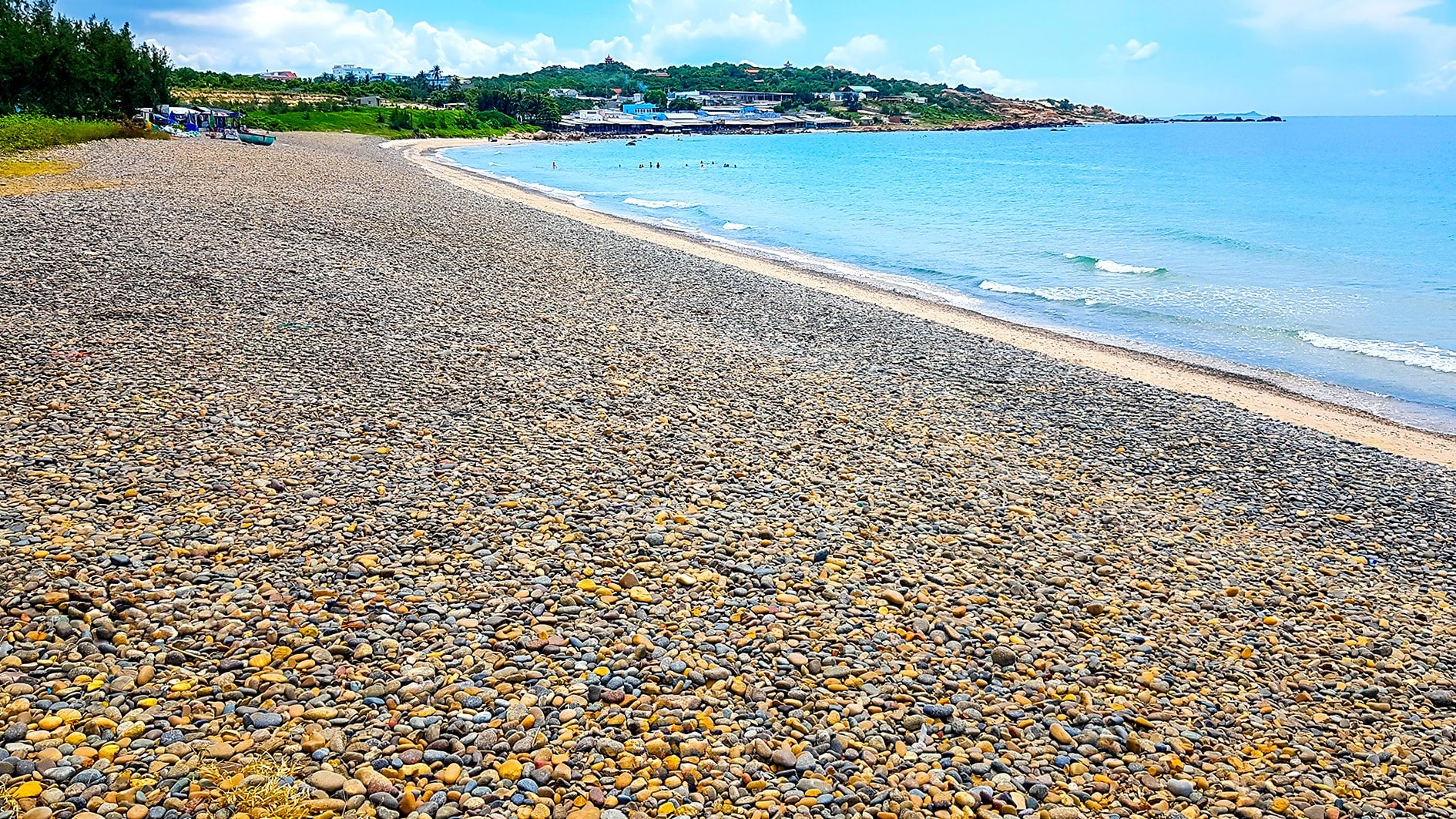
Recognizing that human resources are the cornerstone of tourism development, the Lam Dong Department of Culture, Sports, and Tourism has prioritized professional training and capacity building to meet international standards.
In 2025, numerous training and professional development courses were organized, contributing to improved service quality, professionalism, and international integration capacity of the tourism workforce, which numbers approximately 43,000 workers, with 85% of direct labor having received formal professional training. .
A “Golden Moment” for Tourism Transformation
It can be said that the current period is opening a “golden moment” for Lam Dong tourism to undergo a strong transformation. As development space expands, resources are integrated, and development thinking continues to innovate, Lam Dong tourism is not only targeting growth in scale, but also gradually affirming depth of value, identity, and sustainability.
This is the foundation for Lam Dong to assert its position as one of the country’s premier, diverse, and attractive tourism centers in the coming period.
Content & Photos: Hong Trinh
Layout: Pham Luong
(Cover image uses a number of archival photos and illustrative images from the Internet.)