


Lam Dong Turns Digital Transformation into a New Growth Driver
After more than 18 months of implementing Resolution No. 57-NQ/TW, Lam Dong is gradually turning science and technology, innovation, and digital transformation into new growth drivers, laying the foundation for achieving double-digit economic growth in the 2026–2030 period.

Digital Transformation Becomes a Foundation for Development
As part of Resolution No. 57, Lam Dong has transitioned from a digital transformation strategy that primarily focused on digitizing processes to a more integrated approach that emphasizes the development of science and technology, innovation, and the digital economy, with the goal of enhancing local governance and competitiveness.
Over the past 18 months, numerous key initiatives have been executed in a collaborative manner. Ongoing investment has been made in digital infrastructure, while the specialized data transmission network, data centers, and platforms for data integration and sharing have been gradually improved.
The system for processing administrative procedures has been linked to national databases, resulting in reduced processing times and enhanced service quality for both residents and businesses.
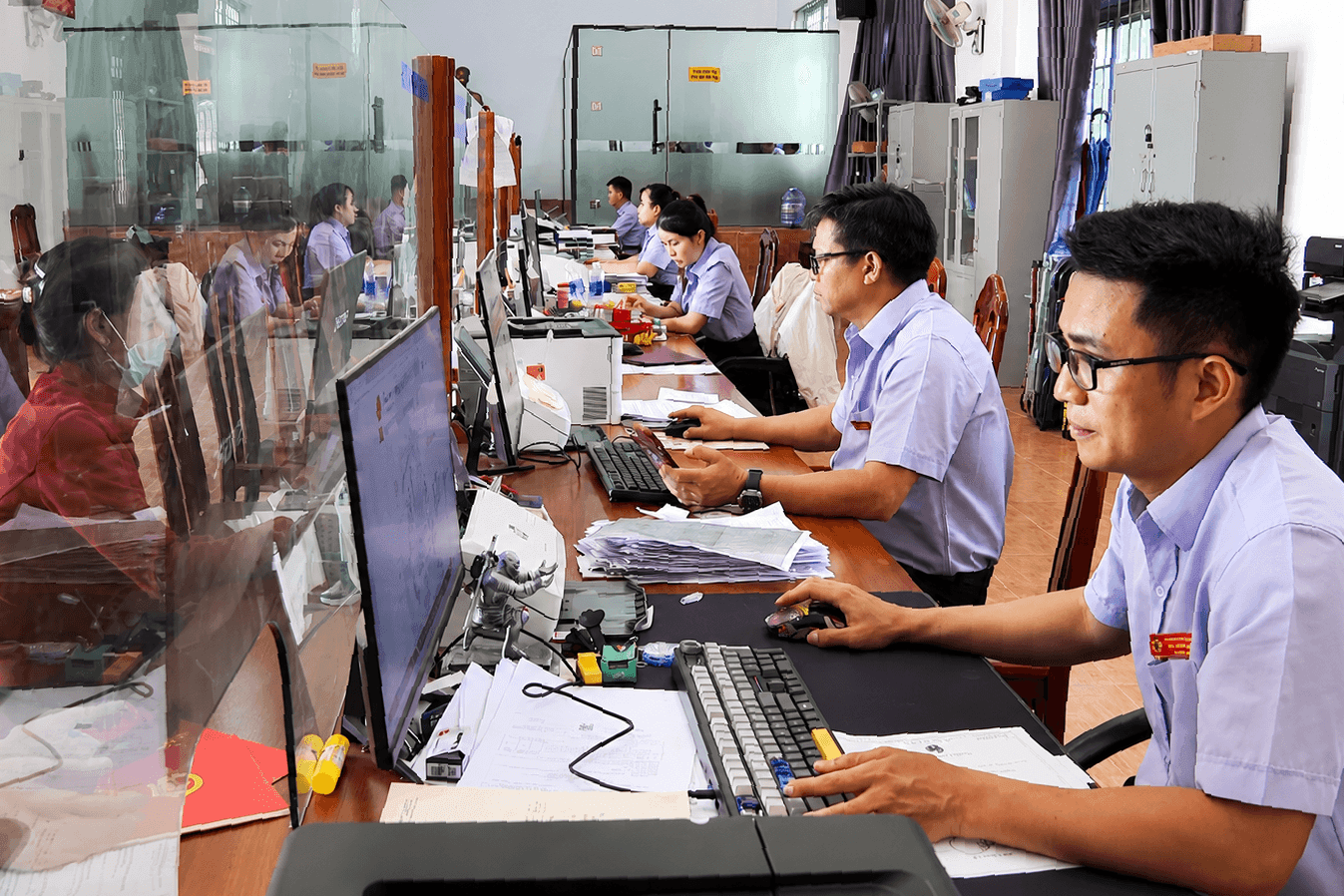
The implementation of the two-tier local government structure, following the administrative reorganization, has highlighted the significance of digital transformation in ensuring the effective functioning of state administration. Digital administrative platforms, electronic document management systems, online conferencing, and shared databases have contributed to enhancing the efficiency of governance from the provincial level to the grassroots.
In addition to investing in infrastructure, the province has continued to advance data development and standardization efforts. A variety of sector-specific databases are being gradually established, creating a foundation for data sharing and utilization in management, policymaking, and the advancement of digital services.
Moreover, numerous local enterprises have actively embraced management software, e-commerce, electronic invoicing, cashless payment systems, and digital platforms in their operations and business practices, gradually increasing management efficiency and competitiveness.
.jpg)
Provincial leaders have consistently highlighted the importance of implementing digital transformation in a meaningful way, ensuring it is closely integrated with administrative reform, innovation, and the growth of the digital economy, while prioritizing residents and businesses in public services and measuring success through development effectiveness.
A New Driver for Double-Digit Growth
At a recent conference of the Steering Committee for the implementation of Resolution No. 57, Y Thanh Ha Nie Kdam, Member of the Party Central Committee, Secretary of the Lam Dong Provincial Party Committee and Head of the Provincial National Assembly Delegation, reiterated the call for authorities and sectors at all levels to transition from planning-based work to achieving specific goals and measurable results, shifting from “reporting progress” to “reporting effectiveness,” and bringing applications of science, technology, and digital transformation into practical use.
To achieve its goal of double-digit economic growth in the 2026–2030 period, Lam Dong has identified science and technology, innovation and digital transformation as new growth drivers, with productivity, innovation and technology adoption forming the foundation for a shift away from an extensive growth model.
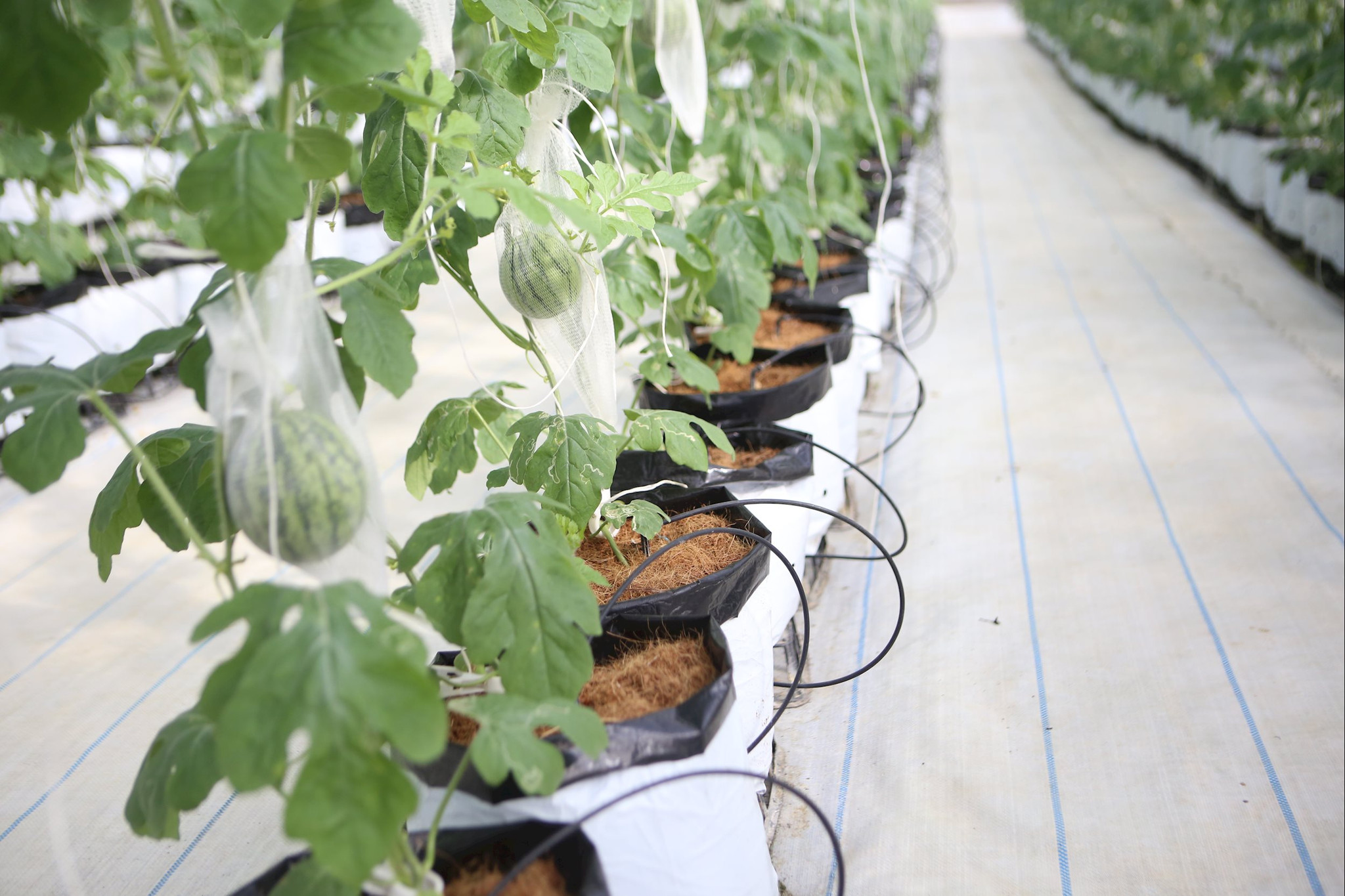
In agriculture, the adoption of advanced technology, sensors, digital information, traceability systems, and e-commerce is continually growing, helping improve productivity, product quality, and the value of agricultural products.
In the tourism sector, digital transformation is progressively improving visitor experiences through platforms for promotion, service reservations, online transactions, and market data analysis. The establishment of a smart tourism ecosystem is also enhancing service quality and effectively promoting Lam Dong.
In the business sector, innovation is becoming an essential element for productivity and competitiveness. Numerous companies have integrated AI, big data, automation, and digital management platforms into their production and operational activities, especially in processing industries, logistics, and trade.
However, several bottlenecks still need to be addressed. These include uneven digital infrastructure in some areas, fragmented data across sectors, a shortage of high-quality human resources, the limited number of science and technology enterprises, and research, innovation and the commercialization of research results that have yet to match the province’s potential.

To achieve a breakthrough, Lam Dong intends to further enhance its digital infrastructure, develop integrated data systems, establish an innovation ecosystem, improve human resources, and create an environment conducive to business investment in science and technology.
Simultaneously, the province will strengthen collaboration among the government, businesses, educational institutions, and the scientific community to expedite the transfer and practical use of research findings.
With ongoing efforts to implement Resolution No. 57, Lam Dong is transitioning from laying the groundwork to producing tangible outcomes. As science and technology, innovation, and digital transformation become more integrated into governance, production, and services, the province will have greater opportunities to increase productivity, boost competitiveness, and reach its objective of double-digit economic growth.
Key figures after 18 months of implementing Resolution No. 57 in Lam Dong:
- More than 25,000 accounts on shared systems.
- 100% of leaders and civil servants handling administrative procedures have been issued digital signatures.
- 56 science and technology organizations.
- 17 science and technology enterprises.
- 92 projects that underwent technology appraisal.
- 54 businesses surveyed to assess their technological capabilities.