


Lam Dong Unites Communities, Spreading the Strength of Solidarity
Upholding the tradition of great national unity, the Vietnam Fatherland Front at all levels in Lam Dong Province continues to renew its activities and working methods. It has effectively brought together and mobilized people from all walks of life to join hands in economic development, cultural preservation and the building of a civilized way of life, thereby contributing to a more prosperous and developed Lam Dong.
Community Leaders Who Bring People Together
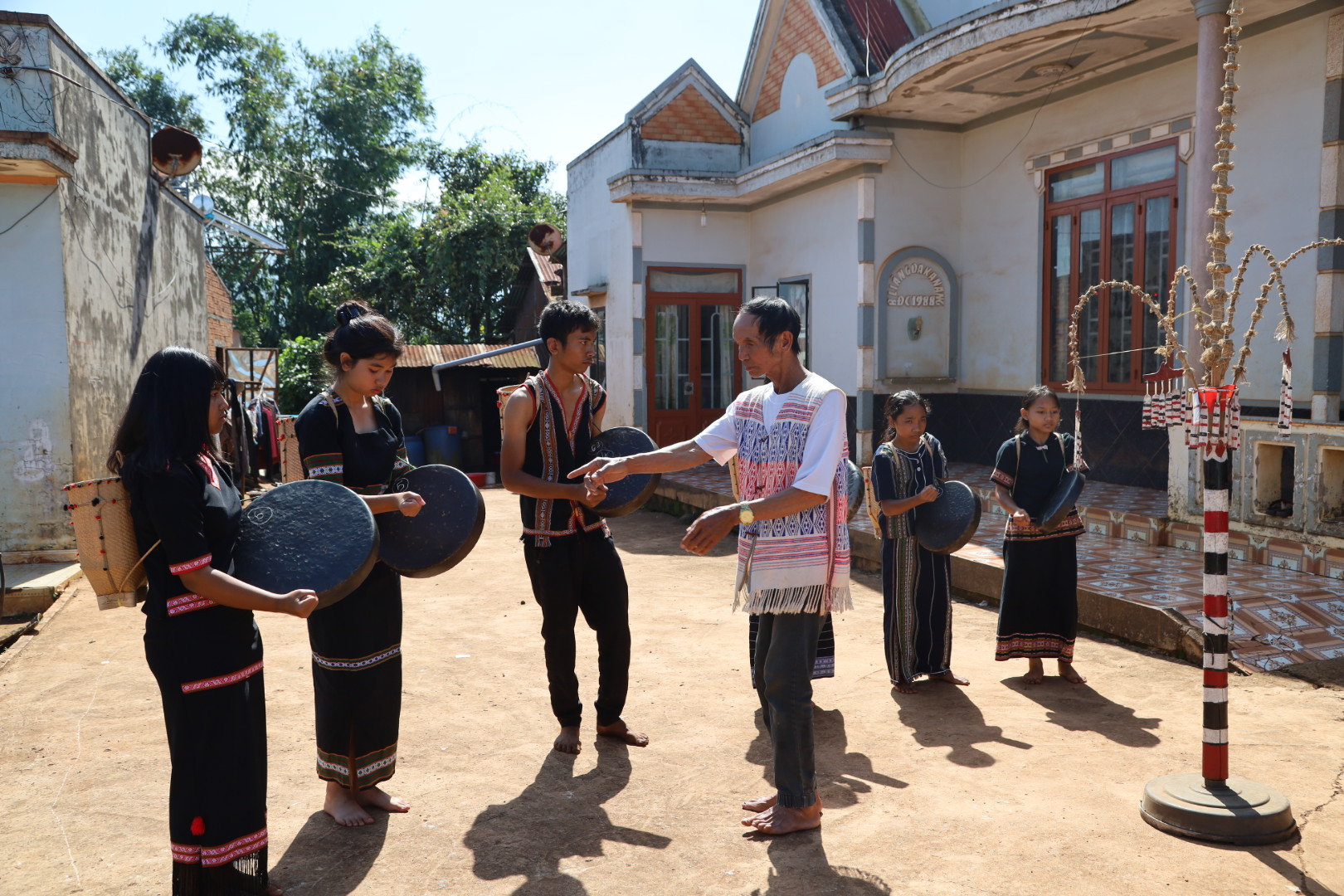
In Bao Thuan Commune, village elder K’Tieu, a Meritorious Artisan and a respected figure in the community, has devoted years to preserving and passing on gong culture to younger generations. For more than 20 years, he has tirelessly taught young people from both within and outside the commune individual gong rhythms and traditional melodies.
On weekend afternoons, the small house of village elder K’Tieu comes alive with the sound of gongs. Under his patient guidance, young people practise each rhythm, learn to feel the beat and gain a deeper understanding of the meaning behind gong performances associated with festivals, harvests and the spiritual life of the Co Ho ethnic community.
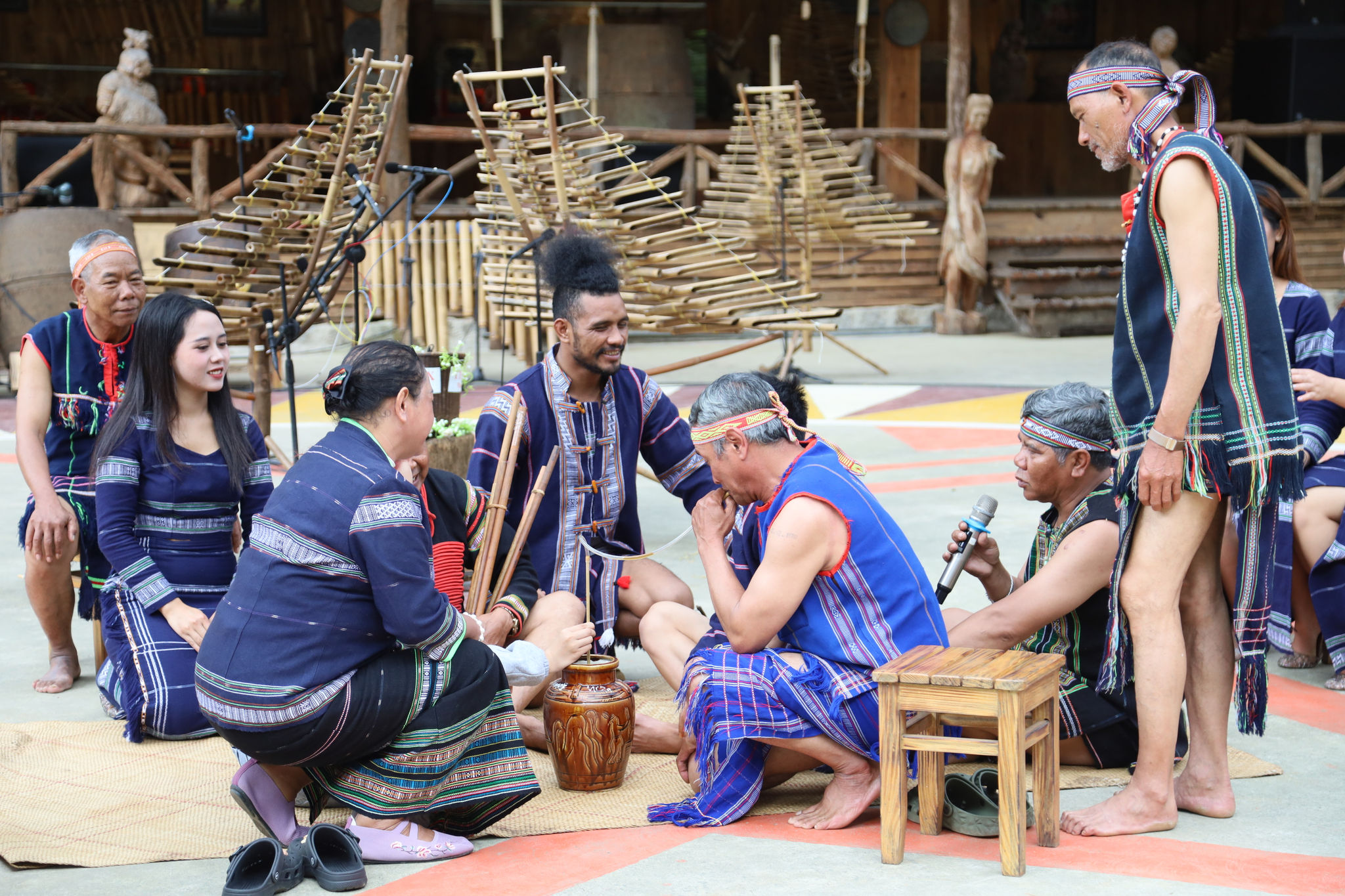
Village elder K’Tieu shared: “I teach young people how to play gongs and introduce them to the traditional cultural values of the Co Ho people so that they can understand, love and continue preserving their ethnic identity. I hope everyone will remain united and closely connected, work together to develop the local economy and build an increasingly prosperous homeland, ensuring that the beautiful cultural values passed down by our ancestors are not lost.”
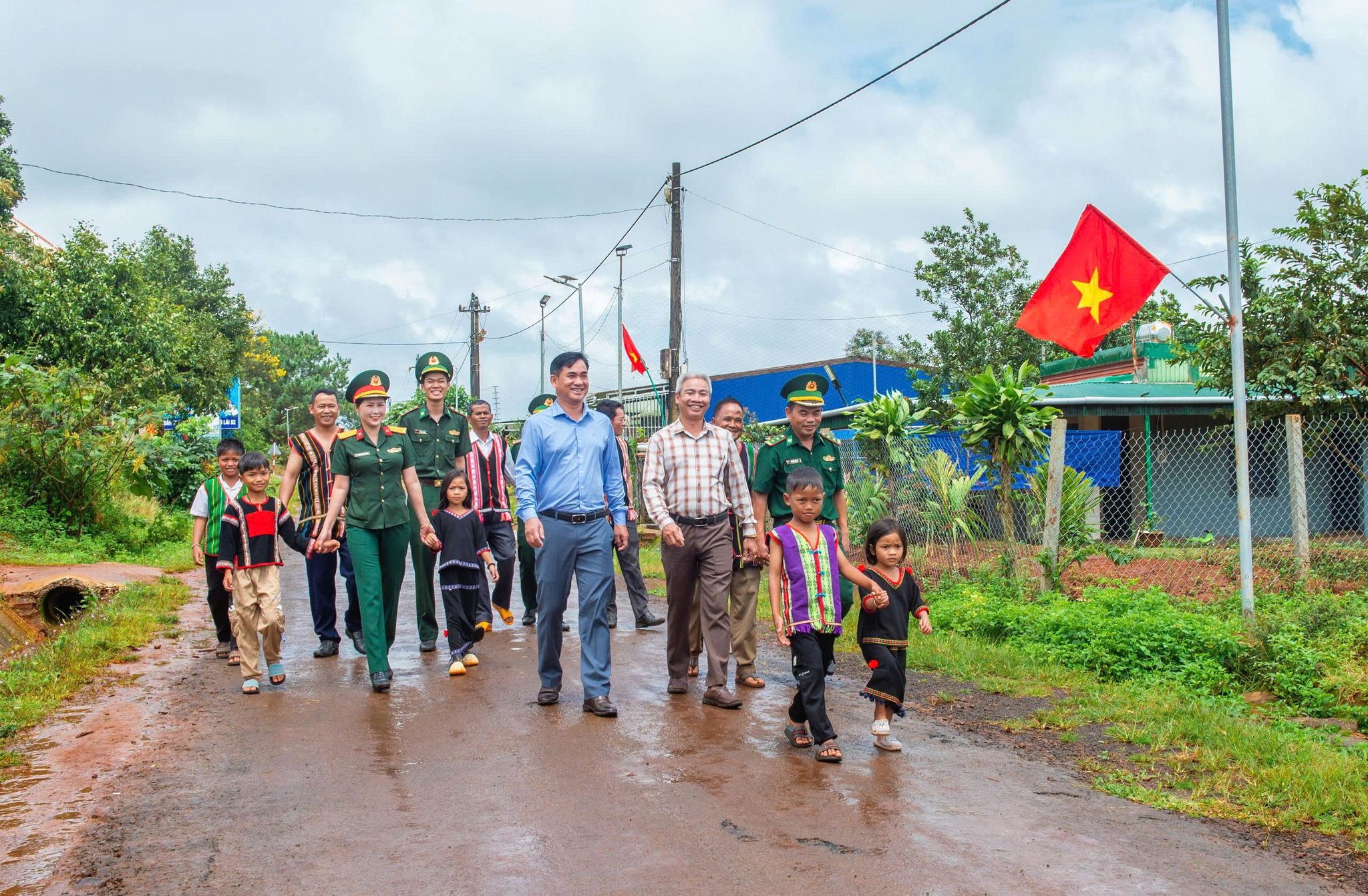
In Vinh Hanh Hamlet, Lien Huong Commune, Luu Thi Be has earned the trust of the Cham community who follow Bani Islam through her approachable manner, fairness and sense of responsibility. Having served for many years as a respected community member and head of the local mediation team, she has persistently worked to build connections and resolve community disputes through understanding and reason.
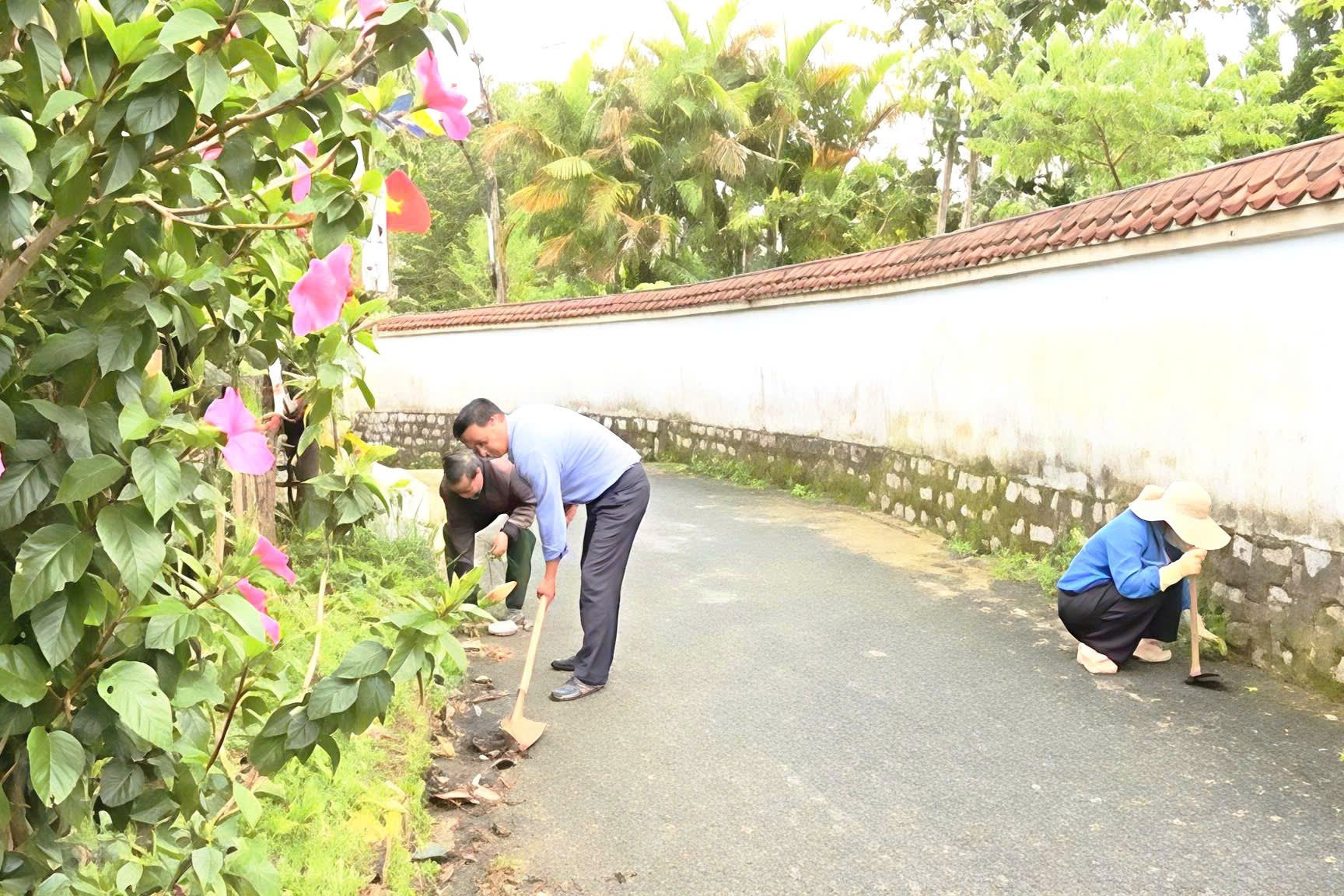
Beyond mediation, she actively disseminates the Party's guidelines, State policies and laws, while encouraging residents to maintain environmental hygiene, build a cultured way of life, develop the local economy and preserve their ethnic identity. Through her dedication and practical contributions, Luu Thi Be has become a bridge connecting the community, helping preserve neighbourly bonds and strengthen national solidarity at the grassroots level.
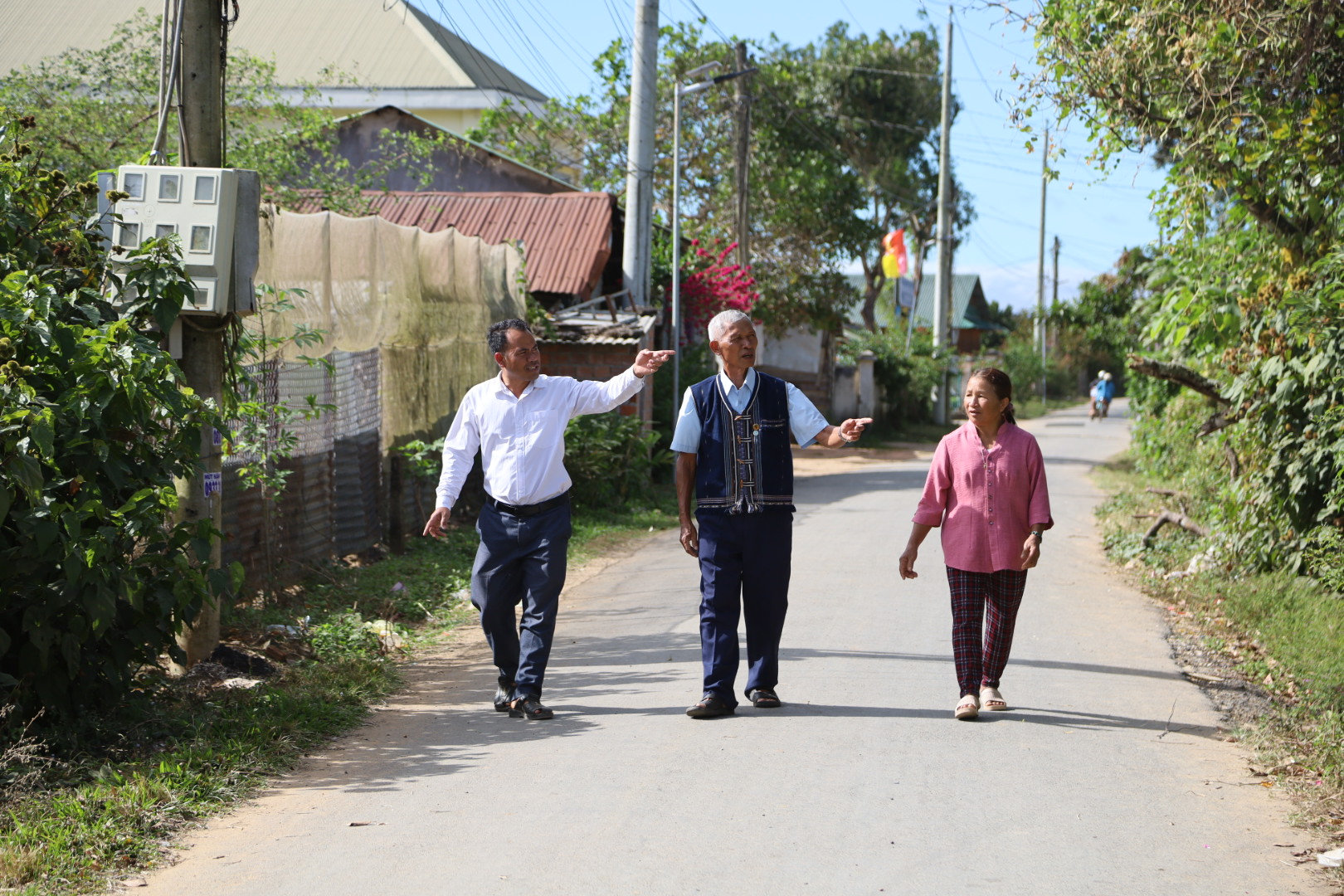
Today, the road leading to Da Nhinh 1 Hamlet in Dam Rong 4 Commune is wide and smooth, a far cry from the muddy, slippery dirt track that residents once struggled along every rainy season. The road was made possible not only through State investment but also through the contributions of local residents. Among them, the family of Da Cat Tu, a village elder and respected community figure, voluntarily donated 420 square metres of land for rural road construction. He also donated part of his family's farmland to help residents establish permanent settlements and stabilize their lives.
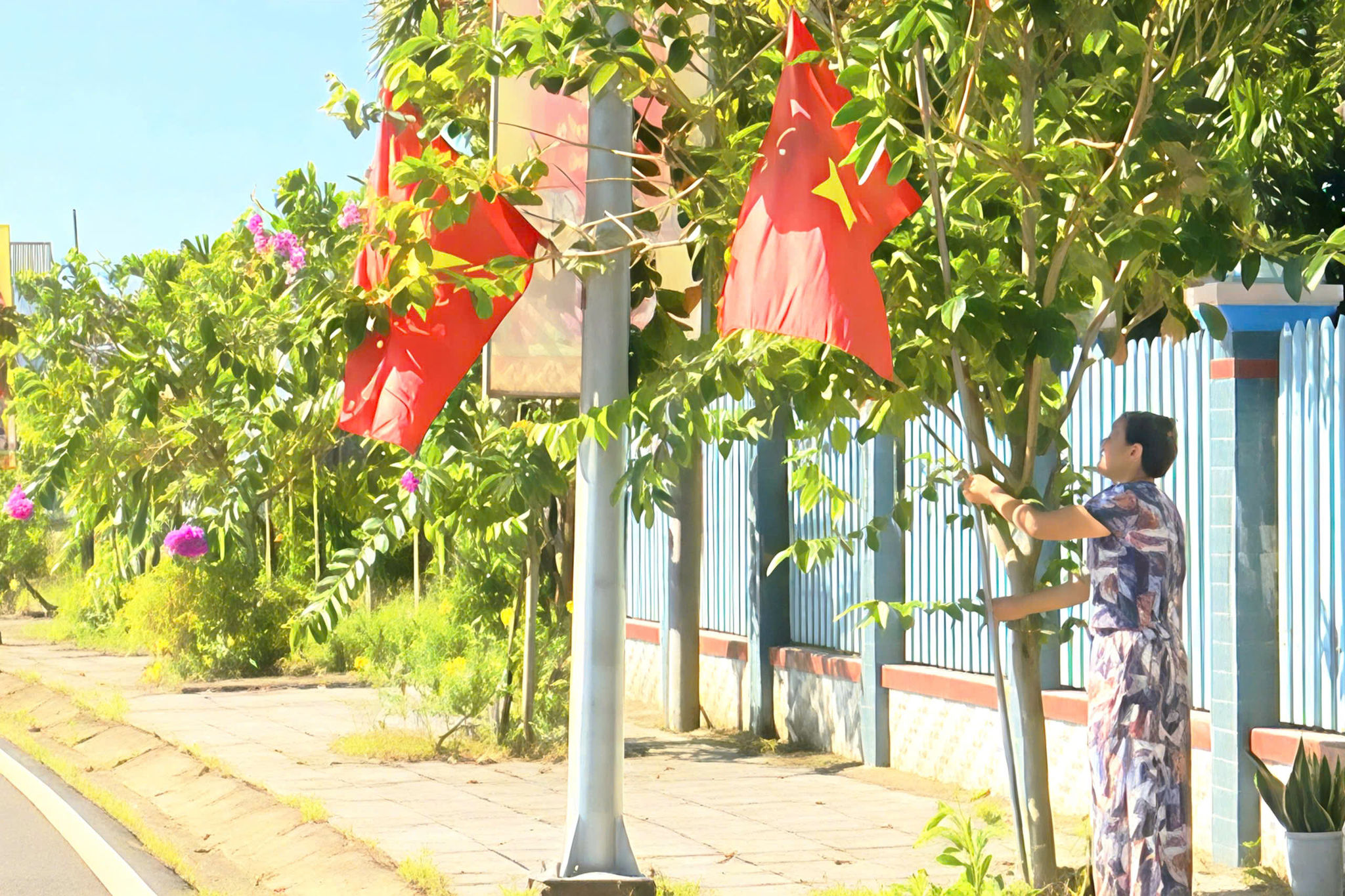
Following his example and mobilization efforts, the local Front Work Committee and residents of the hamlet and commune actively donated land and contributed labour to build local infrastructure, including the hamlet's cultural house, an irrigation dam and roads in Da Nhinh 1 and Da Nhinh 2. The example set by respected community members such as Da Cat Tu has helped strengthen consensus, bringing residents closer together and encouraging them to take a more active role in building their homeland.
Solidarity for Shared Development
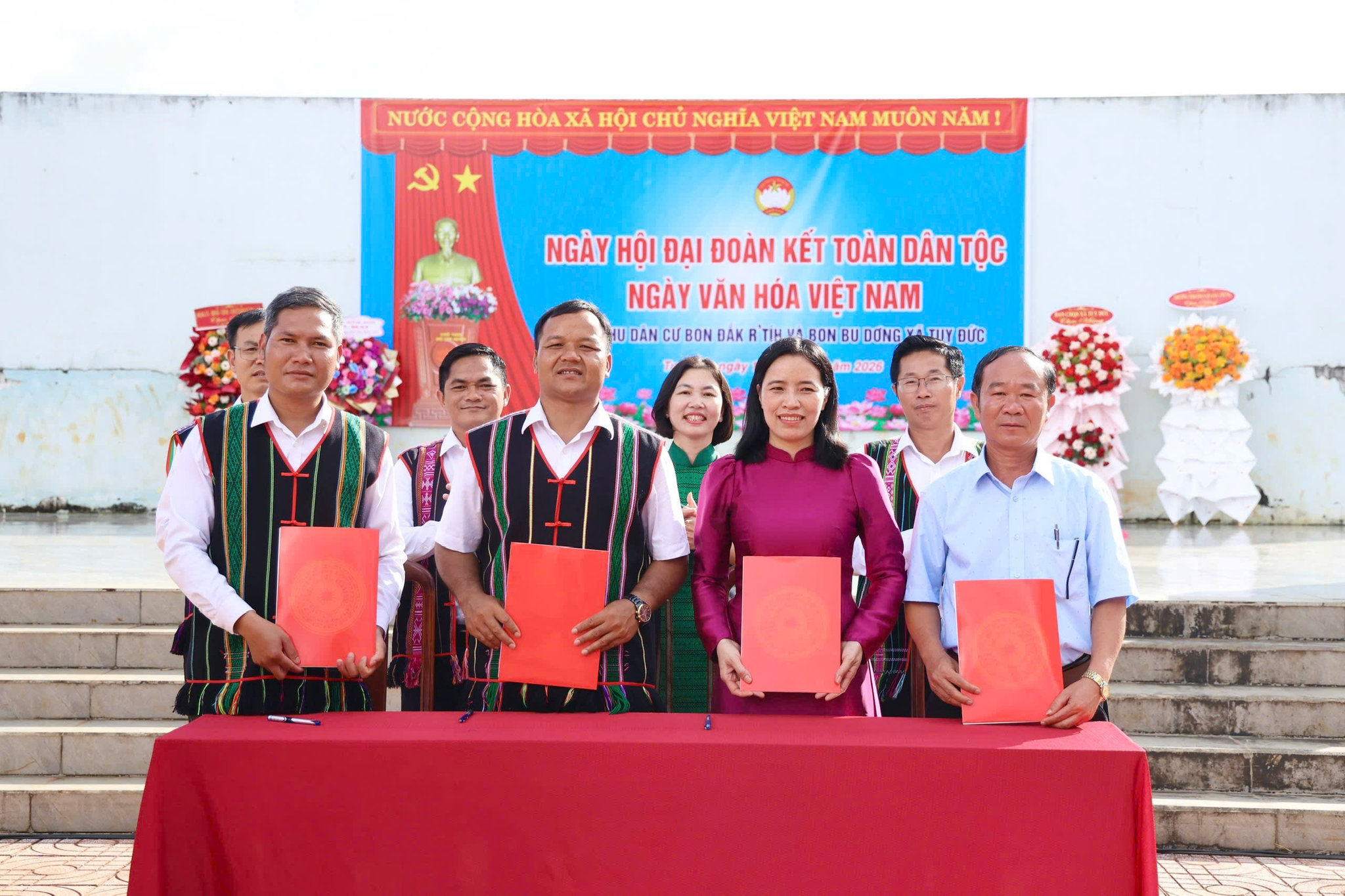
This spirit of solidarity and mutual support is also reflected in twinning programmes between agencies and hamlets, bon and villages. Most recently, Party cells under the Tuy Duc Commune Party Committee organized a twinning programme with Dak R’tih and Bu Dơng bon for the 2026–2031 period.
The two bon currently have 822 households with a total population of 3,374, most of whom are ethnic minorities. Many residents continue to face difficult living conditions. The twinning programme aims not only to strengthen ties between participating units and the communities but also to help residents improve their livelihoods.
Dieu Dong, Chairman of the Vietnam Fatherland Front Committee of Tuy Duc Commune, said that expanding twinning and connections among hamlets and bon helps reinforce solidarity and close-knit community relations. Through the programme, Party cells, agencies and organizations have more opportunities to work alongside and support local communities through practical initiatives, helping residents overcome difficulties, develop the economy, improve their living standards and build increasingly prosperous and civilized bon.
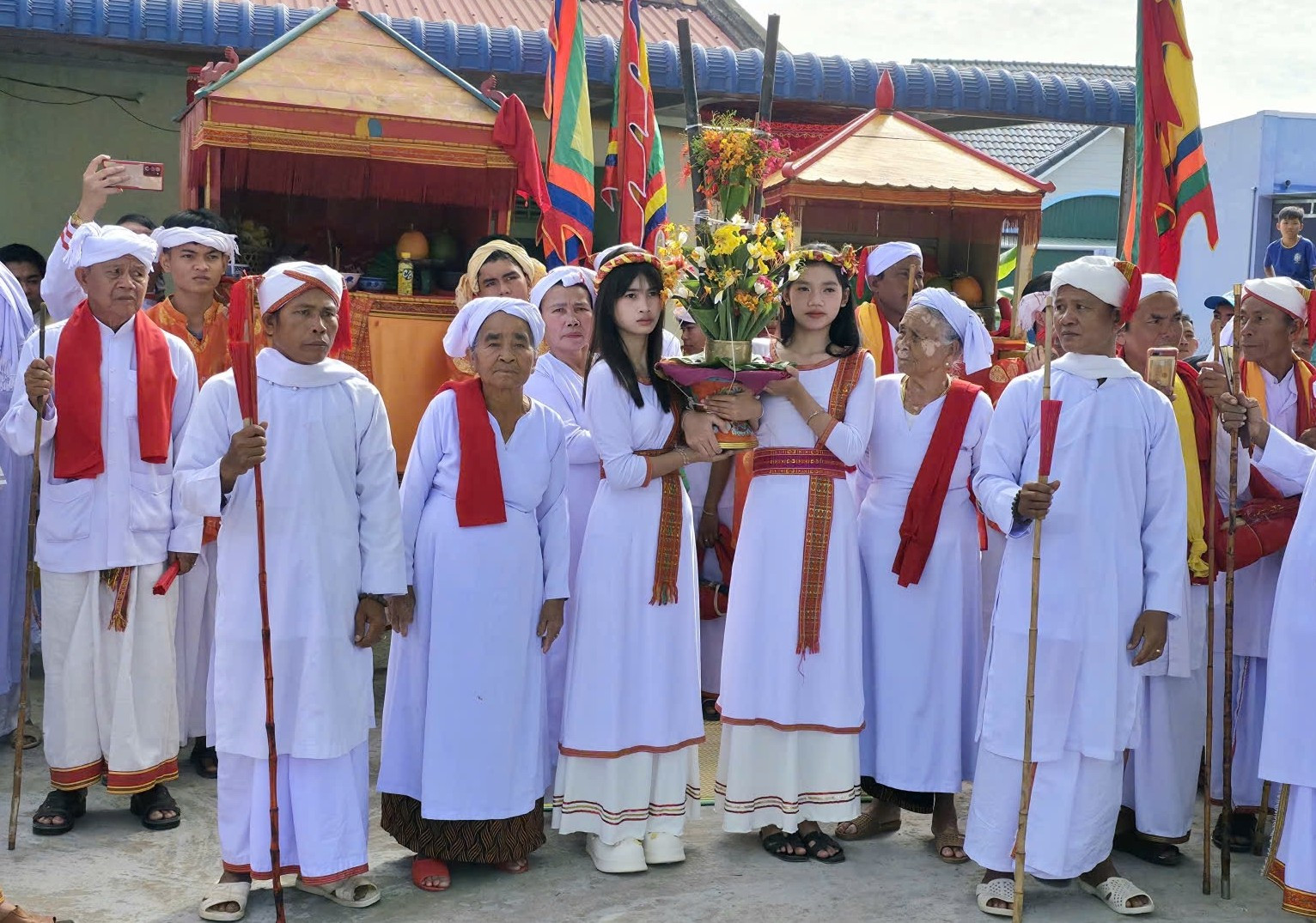
Promoting its central role in bringing together and mobilizing people from all walks of life, the Vietnam Fatherland Front committees at all levels in Lam Dong Province, together with their member organizations, have launched numerous movements and campaigns linked to the practical interests of local communities.
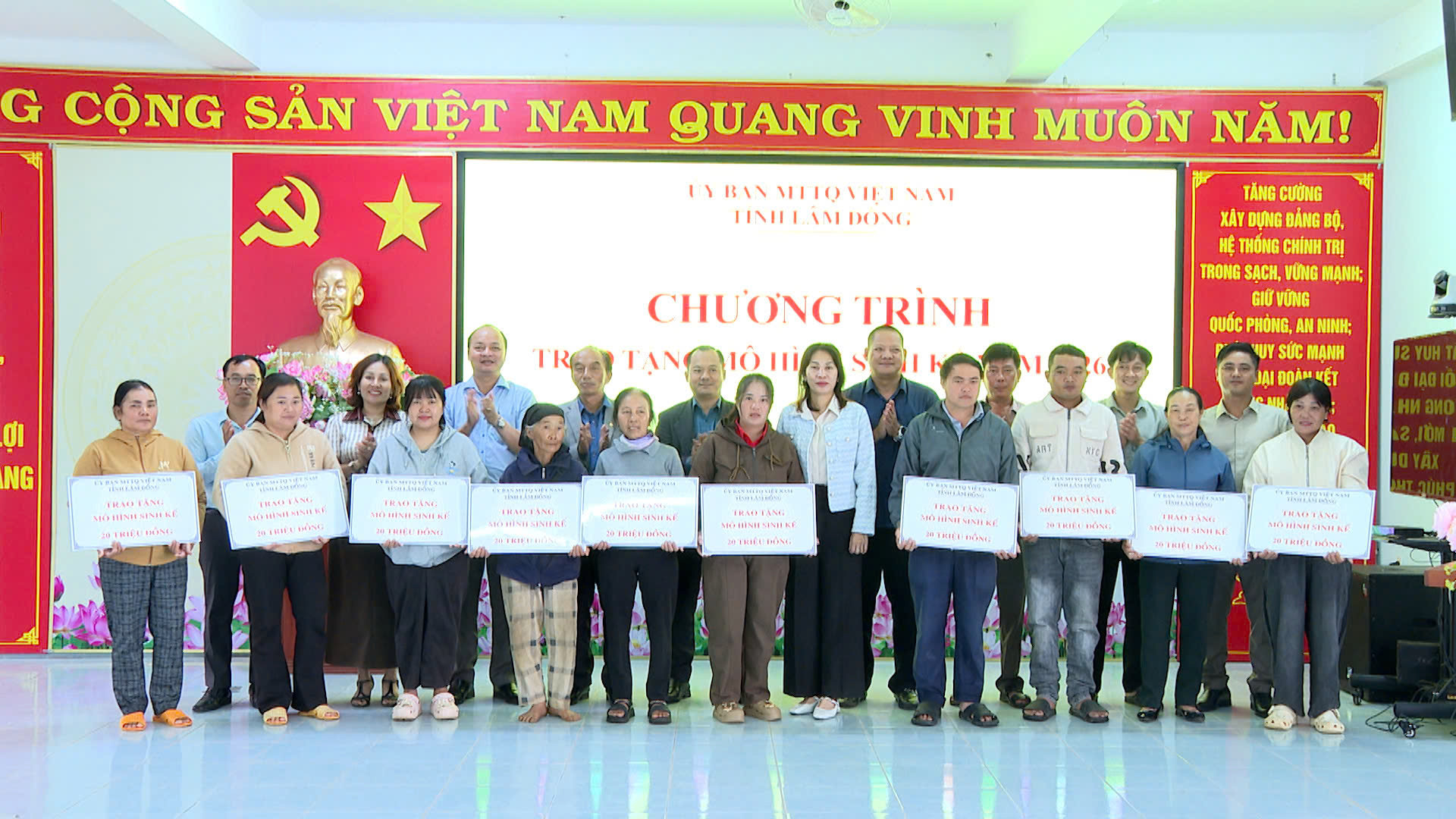
With 44 member organizations, 2,787 Front Work Committees and more than 20,860 grassroots members, the Front has become a bridge connecting people with the Party's guidelines and State policies, while inspiring a spirit of voluntary participation and shared responsibility in building the homeland.
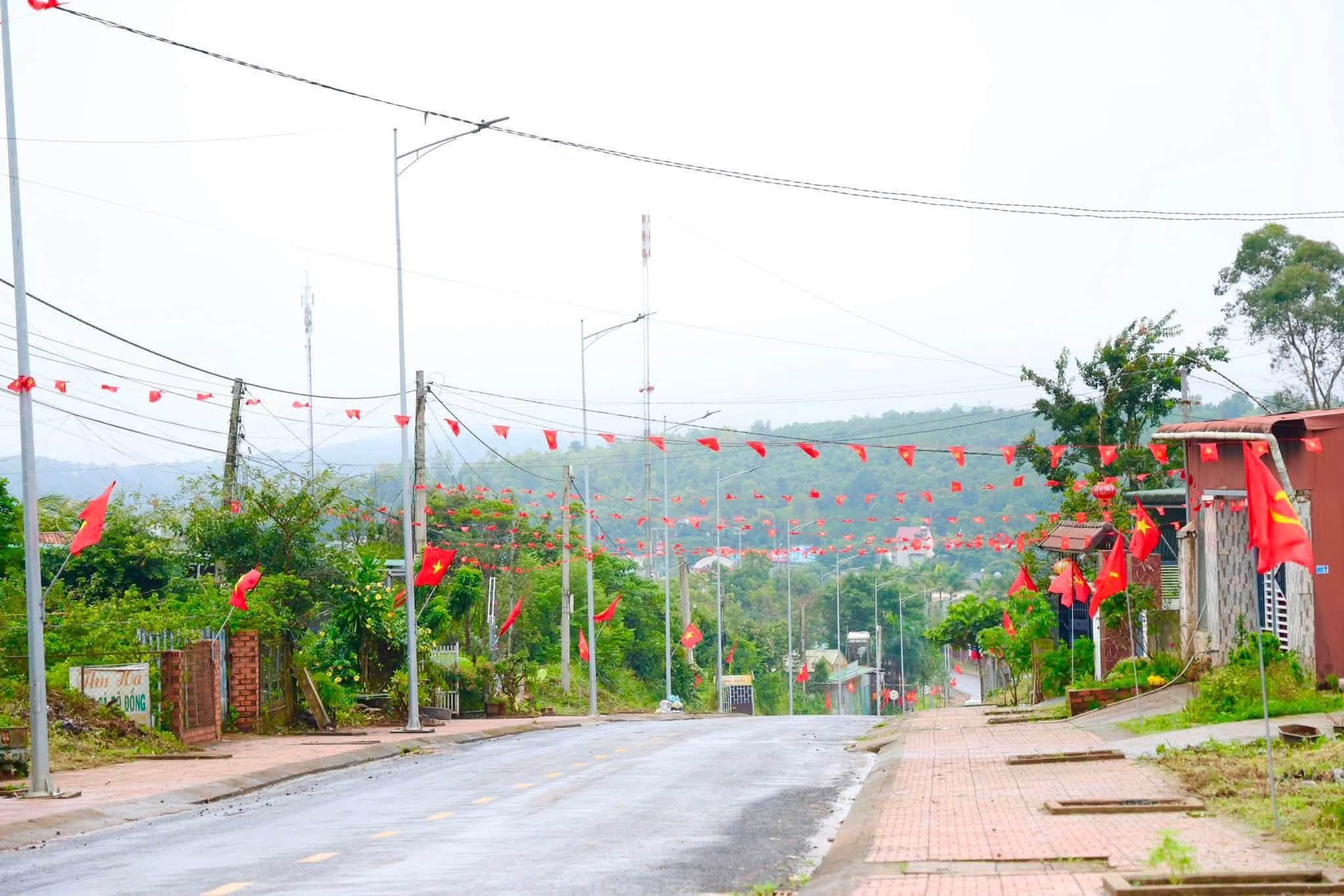
In the first 10 months of 2026, residents across the province donated more than 224,000 square metres of land and contributed over 46,000 workdays, helping upgrade nearly 230 kilometres of roads. They also joined in implementing 785 projects and initiatives with a combined value of VND 359 billion.
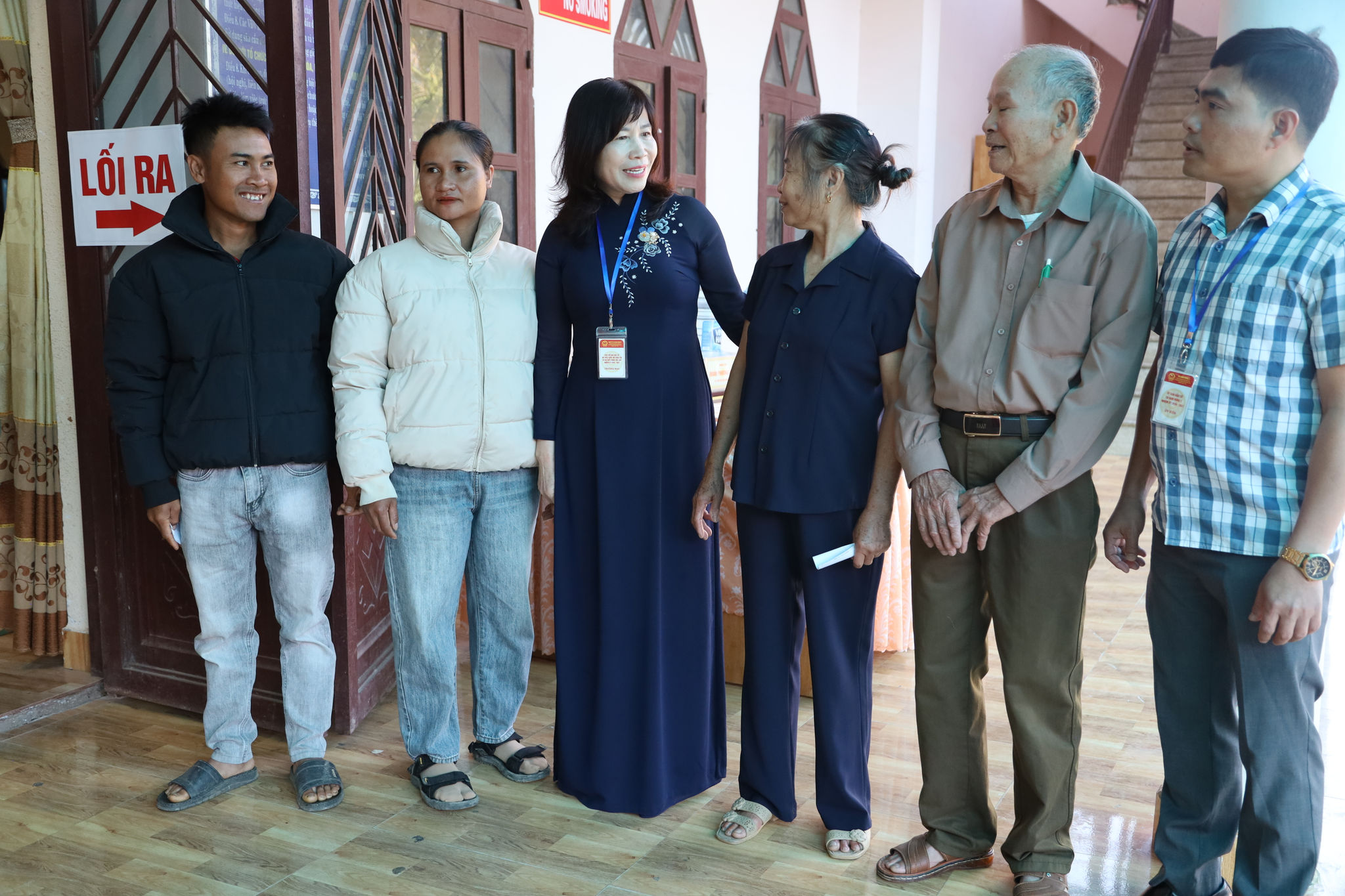
In addition, the Front and its member organizations have focused on social welfare, environmental protection and promoting the people's right to mastery. These efforts have helped strengthen public trust, build consensus and reinforce the great national unity bloc.
During 2024–2025, the “For the Poor” Fund at all levels raised more than VND 138 billion, supporting the construction of 1,043 Great Unity houses, the repair of 651 others and livelihood assistance for 1,659 poor households. Notably, the programme to eliminate temporary and dilapidated houses completed 5,691 homes, with funding exceeding VND 324 billion, fulfilling 100% of its target.
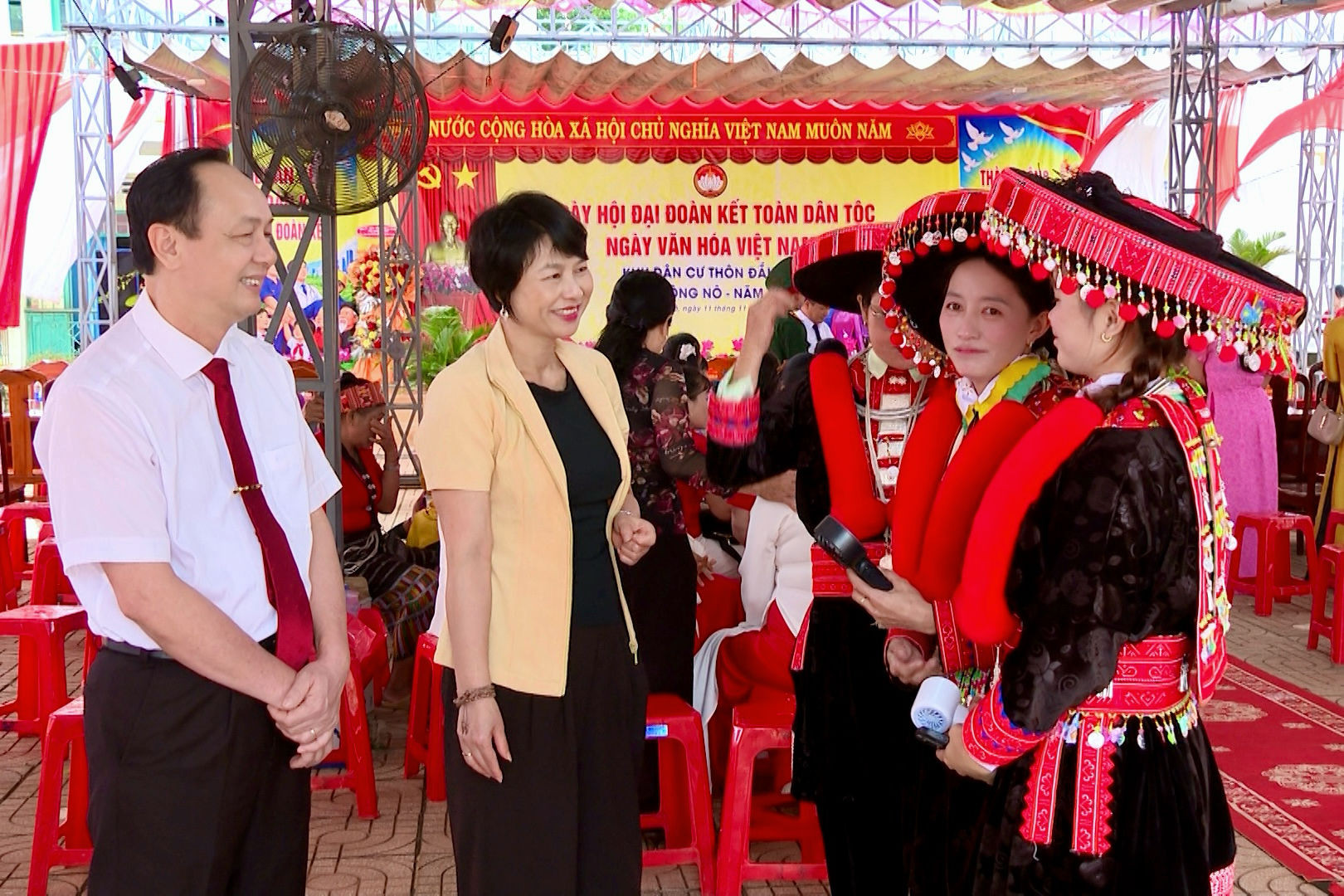
Pham Thi Phuc, Deputy Secretary of the Provincial Party Committee and Chairwoman of the Vietnam Fatherland Front Committee of Lam Dong Province, affirmed that mass mobilization and Front work in the province have consistently received leadership and direction from Party committees, as well as coordination and support from local authorities, departments and mass organizations. Alongside the restructuring and consolidation of the political system, mass mobilization and Front work have continued to renew their organizational structures and operating methods to meet the requirements of the new situation.
In particular, the activities of the Vietnam Fatherland Front and socio-political organizations have increasingly focused on grassroots communities, becoming more practical and effective. These efforts have helped bring together and mobilize people from all walks of life, strengthen the great national unity bloc, and reinforce public trust and close ties between Party committees, authorities and the people. This also provides an important foundation for harnessing the power of solidarity and building consensus in implementing socio-economic development tasks, contributing to the continued growth and development of Lam Dong Province.