


Lam Dong Unlocks Resources for Social Housing Growth
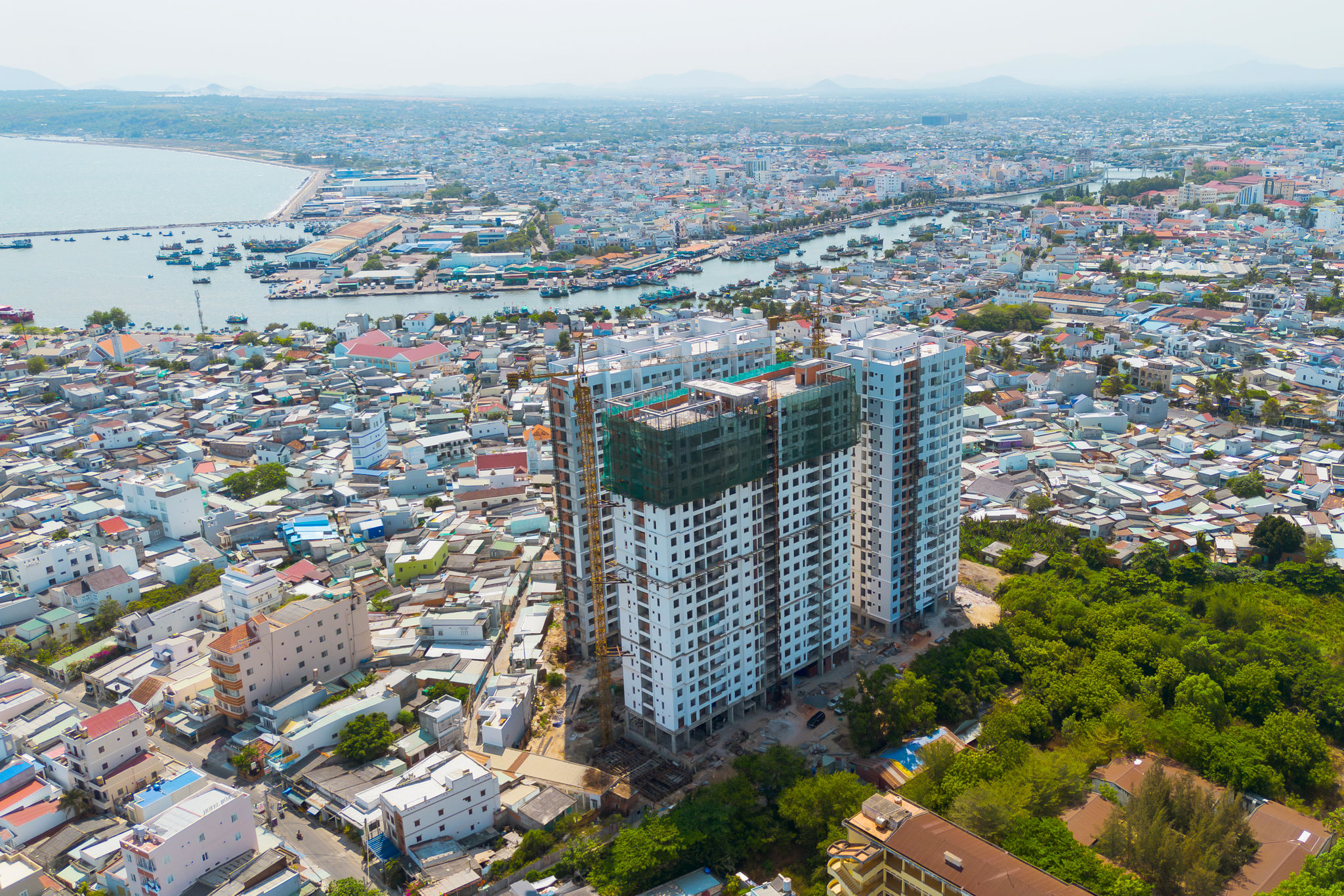
Lam Dong Province is accelerating efforts to expand the supply of social housing as demand among low-income residents continues to rise. The province aims not only to meet but also exceed its assigned housing targets in the coming years.
Expanding Land Funds, Improving Policies
Following the administrative merger, social housing in Lam Dong is no longer viewed as an issue for individual localities but as a regional development challenge. Housing pressure, especially in urban centers, industrial zones and tourism areas, has increased significantly.
In response, the province quickly consolidated its Steering Committee for Social Housing Development and assigned the local development investment fund to mobilize financial resources instead of establishing a separate housing fund. The approach is expected to shorten administrative procedures and make use of existing financial resources to support projects.
A notable adjustment is the revision of beneficiary policies to better reflect reality. Residents who already own homes but live far from their workplaces are now eligible for social housing support, helping address housing difficulties for workers commuting across regions after the merger.
From a planning perspective, land designated for social housing is gradually being expanded. More than 18 hectares have been allocated in zoning plans in the Da Lat area, while over 300 hectares are planned in Phan Thiet and surrounding areas. Former Dak Nong localities have also identified land reserves for future social housing development.
Lam Dong aims to complete 1,857 social housing units in 2026, mainly from projects currently under construction, particularly those serving industrial parks.
The province is also reviewing commercial housing and urban projects to allocate the mandatory 20% land fund for social housing, with an estimated capacity of around 4,000 units. Authorities consider this a key solution for supplementing future supply.
.jpg)
.jpg)
Several large-scale projects are also being prepared for implementation, including a 4,000-unit social housing project in Duc Trong Commune, a 1,500-unit project in the Nam Da Nhim River area, a 990-unit social housing complex in Trai Mat, and a 780-unit project in B’Lao Ward, along with multiple housing projects for industrial park workers and armed forces personnel.
Completing the social housing development plan will not only help meet residents’ housing needs, but also stabilize the workforce for industrial parks, promote urban development and ensure social welfare across the province in the new phase.
Ho Ngoc Phong Hai, Deputy Director of Lam Dong Department of Construction
Land Clearance and Procedures Remain Key Bottlenecks
Despite ambitious plans, implementation still faces major obstacles. As of the end of February 2026, no new social housing projects had officially broken ground, and no projects had been completed during the year.
.jpg)
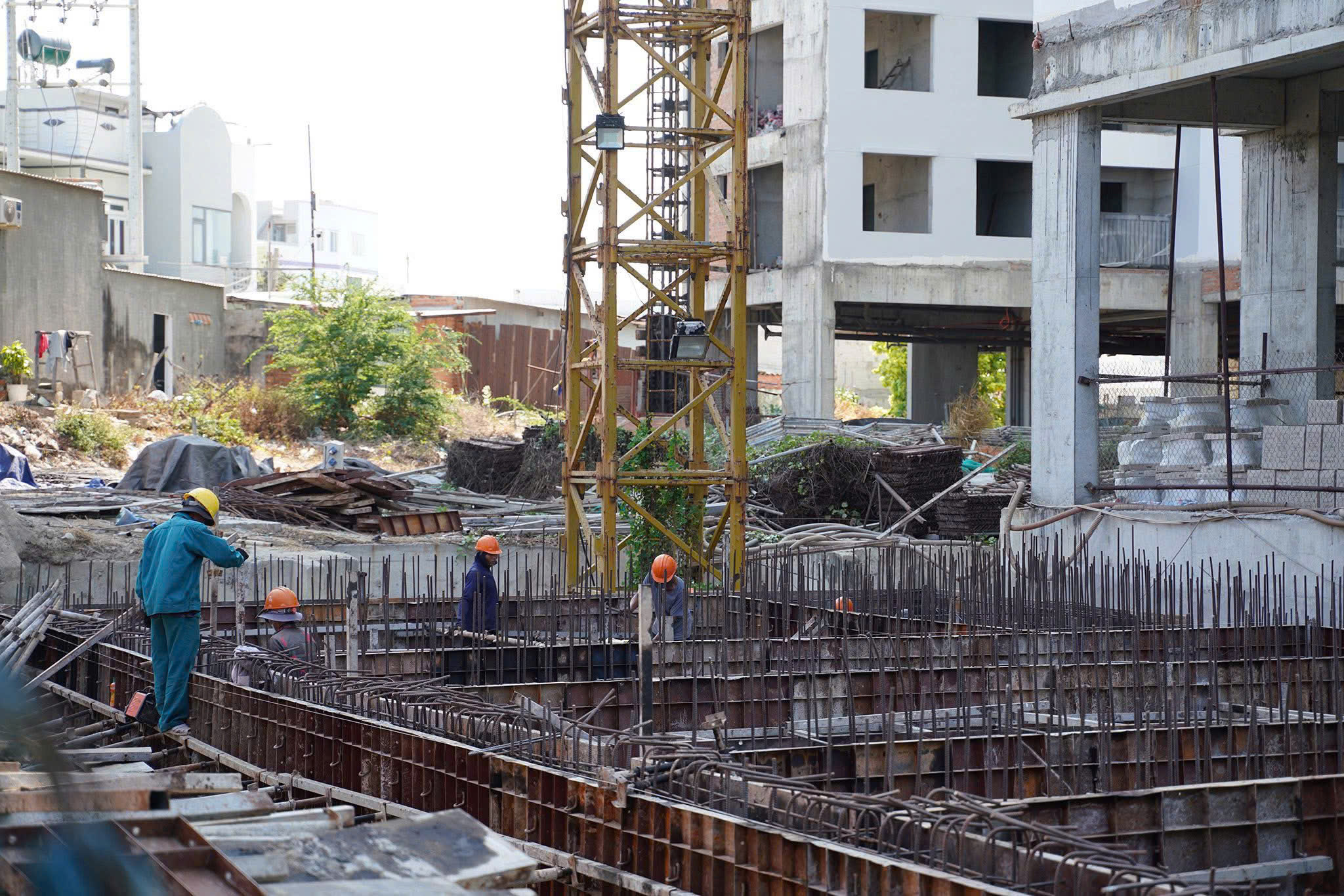
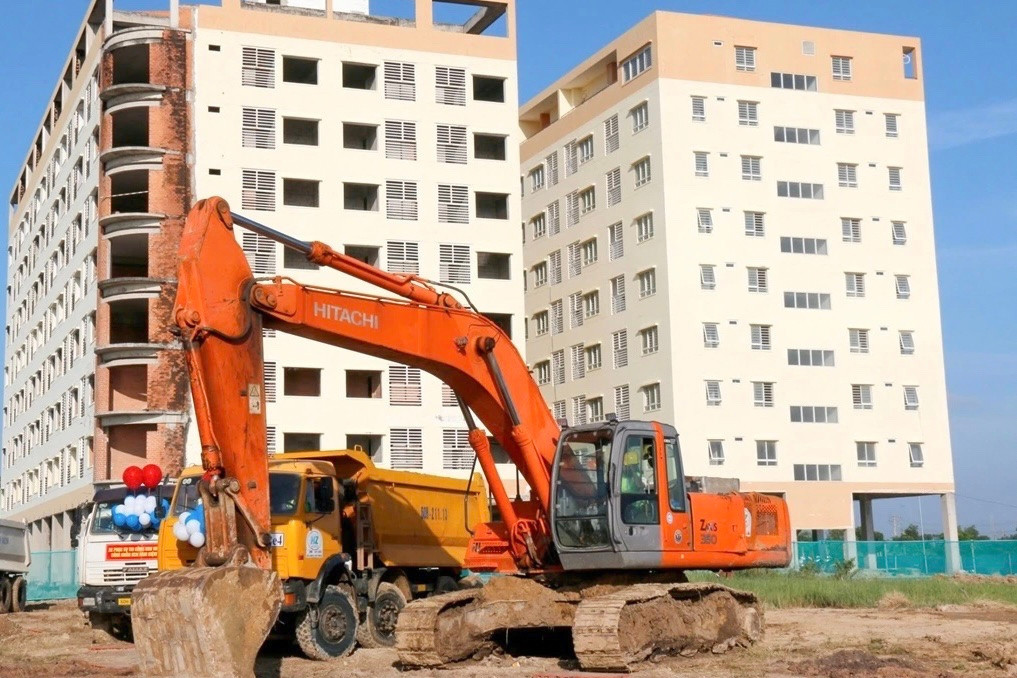
Currently, four projects with more than 2,000 units are under construction, mostly concentrated in industrial parks. Projects in Ham Kiem I and Ham Kiem II industrial parks are expected to play a central role in achieving the province’s annual targets.
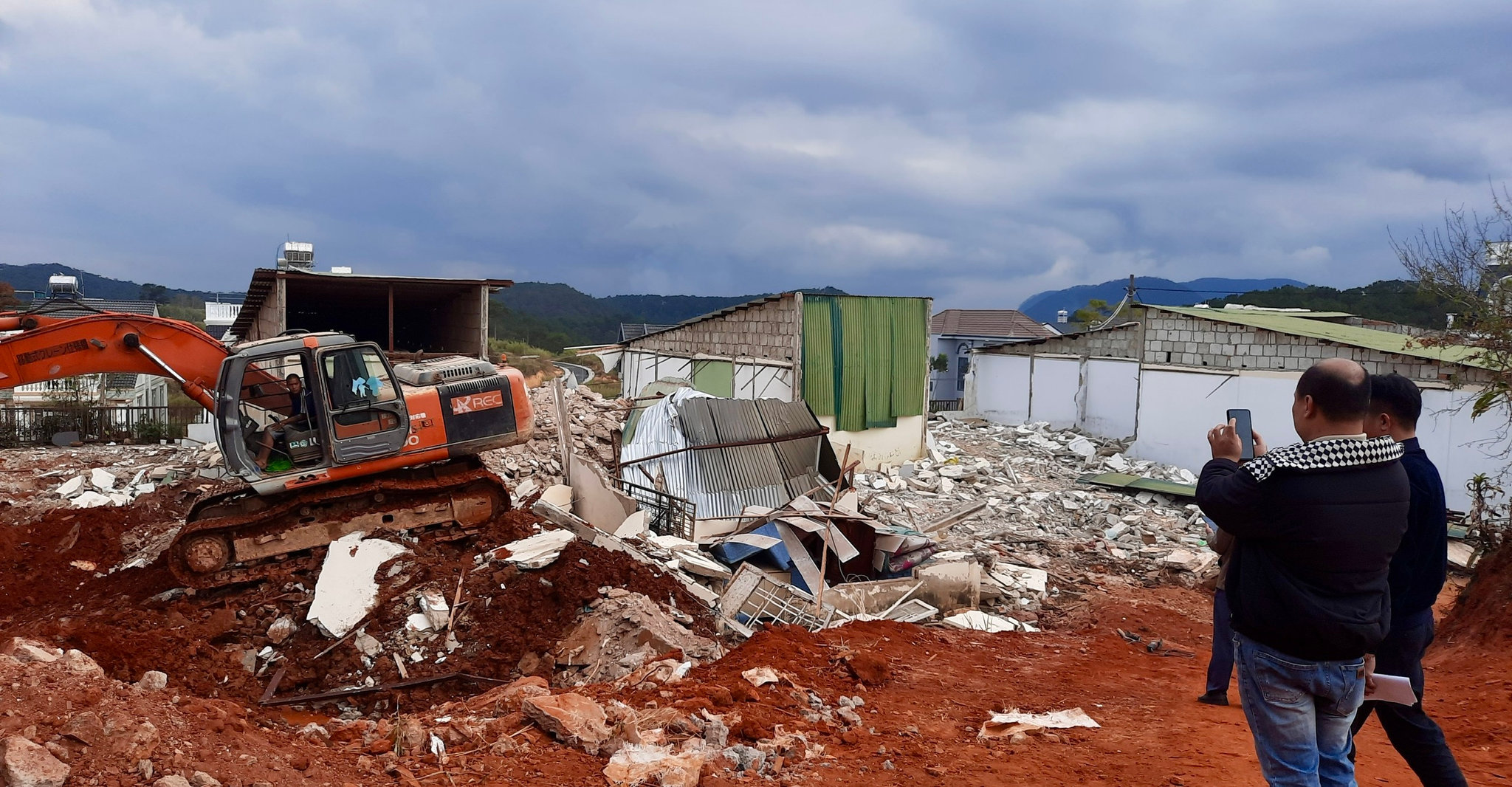
However, many projects continue to face delays due to land clearance issues and lengthy investment procedures. Some projects have started construction but cannot proceed fully because sites have not yet been completely handed over.
The An Son Social Housing Project for resettlement in Xuan Huong – Da Lat Ward, comprising 147 units, is one example. The project is still encountering difficulties in site clearance involving several households, though local authorities are working to complete the remaining procedures.
.jpg)
Nguyen Hong Hai, Member of the Provincial Party Standing Committee and Vice Chairman of the Lam Dong Provincial People’s Committee, emphasized that social housing development is a critical social welfare task requiring decisive action, clear accountability and strict timelines.
The provincial People’s Committee has instructed departments and agencies to focus on resolving bottlenecks related to planning, land and investment procedures. Projects that meet all conditions must be implemented immediately, while projects facing difficulties must clearly identify the causes for definitive resolution to avoid prolonged delays and waste of resources.
Nguyen Hong Hai, Vice Chairman of the Lam Dong Provincial People’s Committee
Lam Dong plans to complete 17,219 social housing units during the 2026–2030 period, exceeding the target assigned by the central government by more than 4,000 units.
To realize this goal, the province will roll out a series of large-scale projects in Duc Trong, Nam Da Nhim, Trai Mat, B’Lao and major industrial zones.
Beyond meeting housing demand, social housing development is expected to help stabilize the labor force and create a sustainable foundation for long-term socio-economic growth in the province.