


Lang Biang Music Festival Brings New Energy to Da Lat
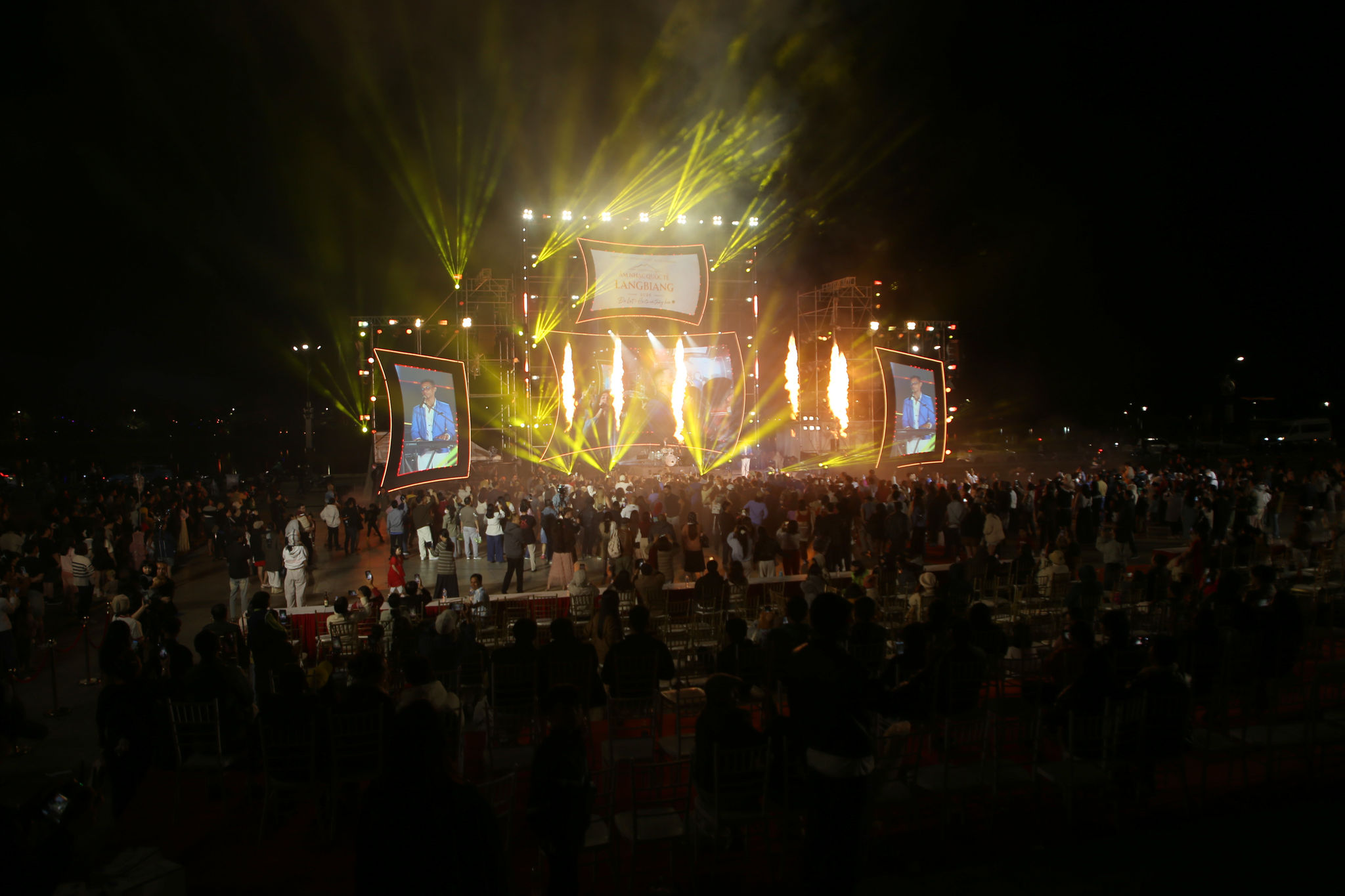
Over November 14 and 15, the Lang Biang International Music Festival 2026 – one of the activities within the 11th Da Lat Flower Festival 2026 – left a lasting impression of a youthful, open-minded Da Lat, where music brought communities together.
United by a shared love of music
Da Lat is often associated with pine-covered hills, tranquil lakes, winding streets and poetic landscapes, accompanied by the melodies of romantic love songs. These distinctive charms have drawn visitors back time and again, shaping the gentle image of the highland town in people's memories. Yet in mid-November, the city revealed another side of its appeal: vibrant, free-spirited and full of energy as rock music filled the air.
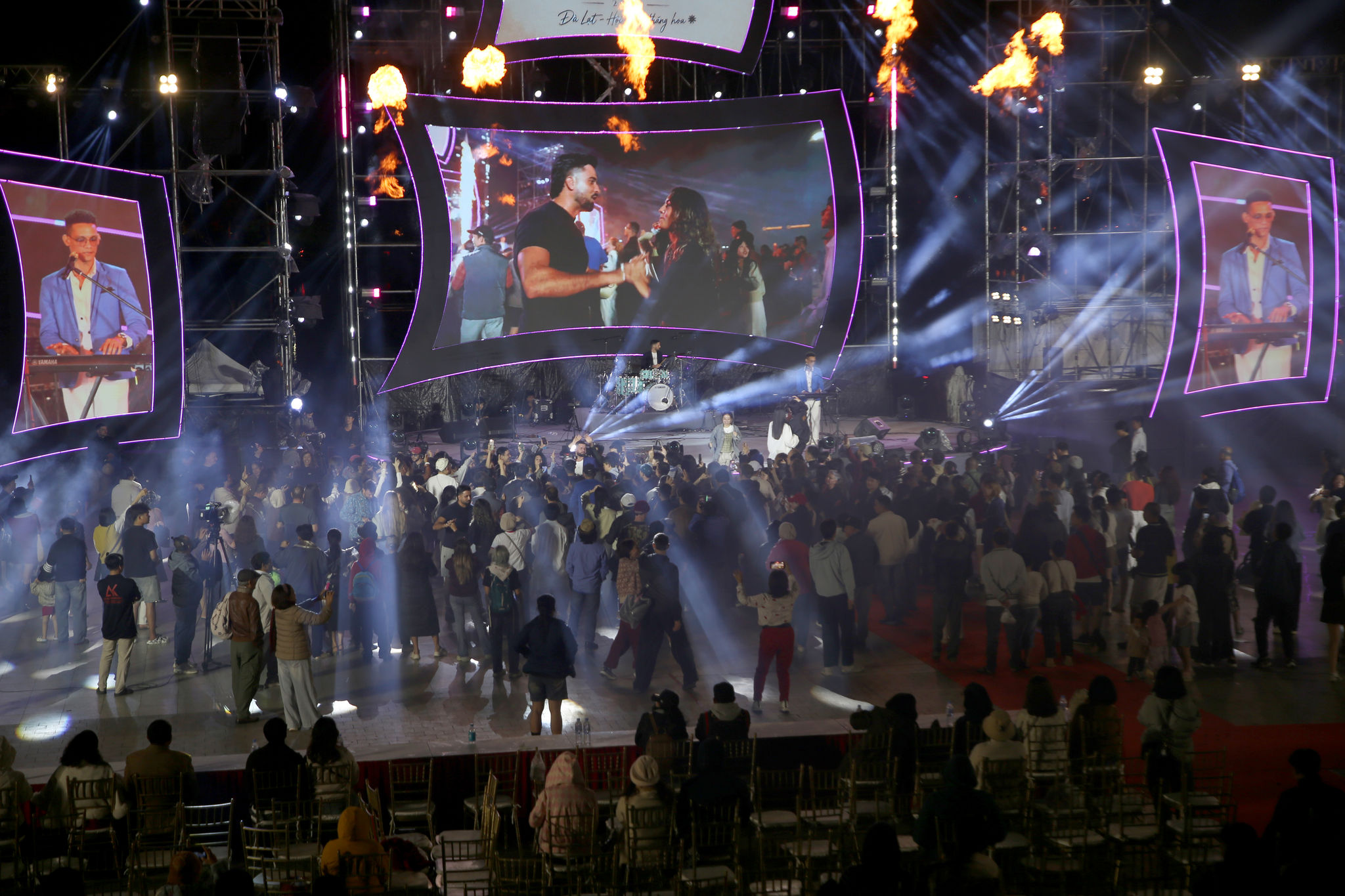
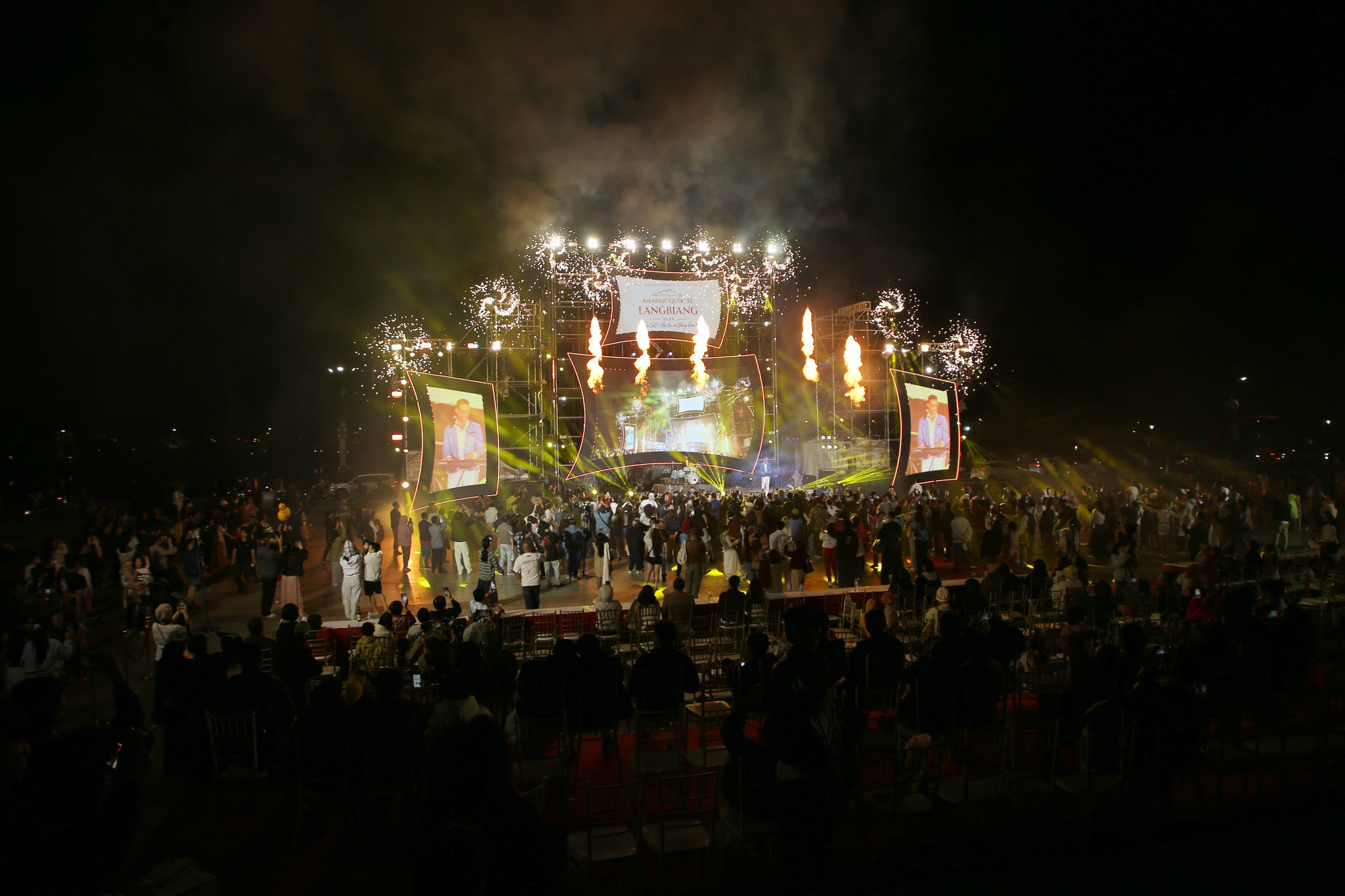
At Lam Vien Square, the closing night of the Lang Biang International Music Festival 2026 on November 15 brought artists and audiences together in an electrifying atmosphere. On stage, bands gave their all to their performances, while below, residents and visitors moved to the rhythm. International visitors swayed to the music and enthusiastically interacted with the singers. In that shared space, music became a common language, bringing strangers closer together.
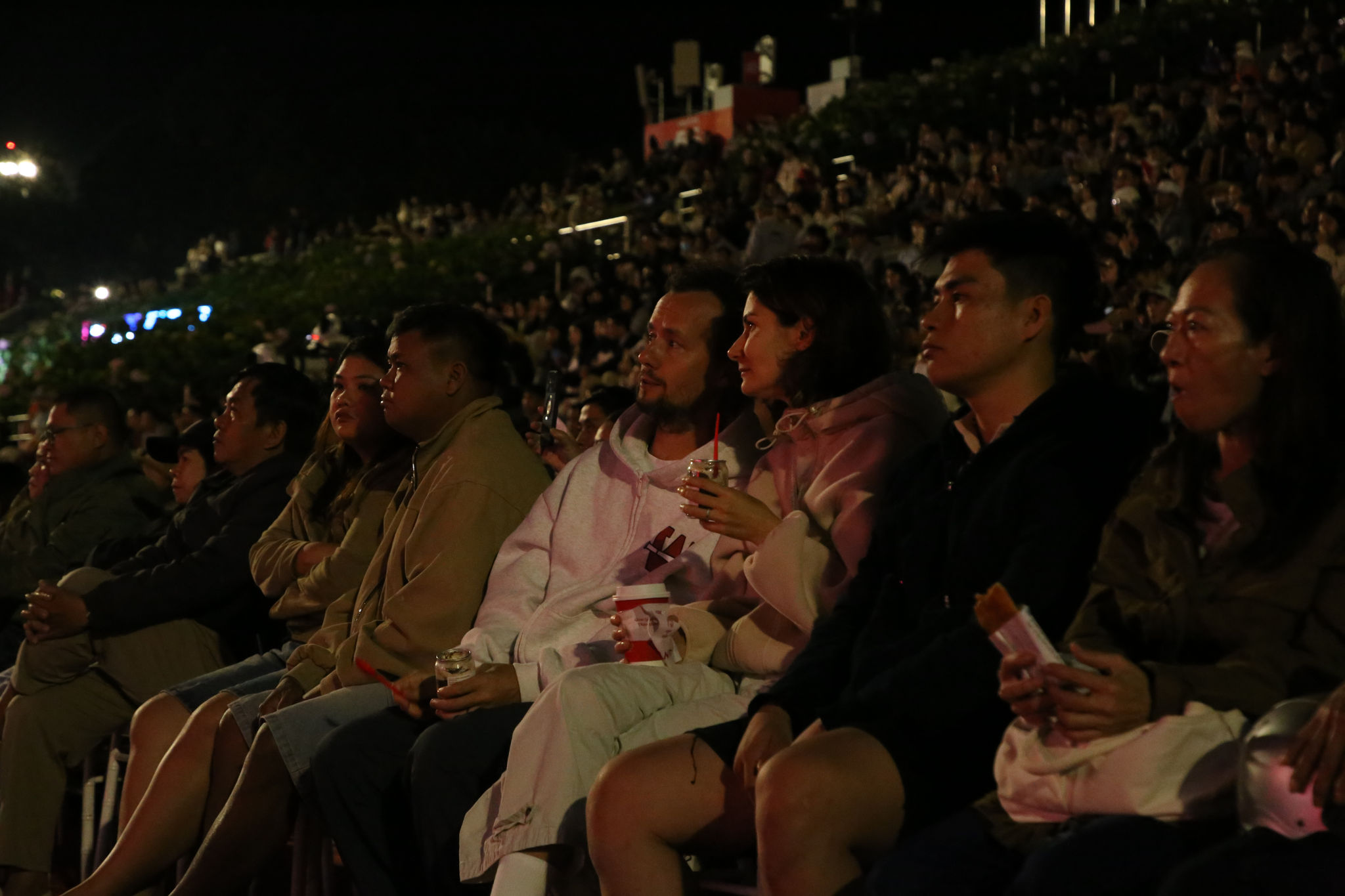
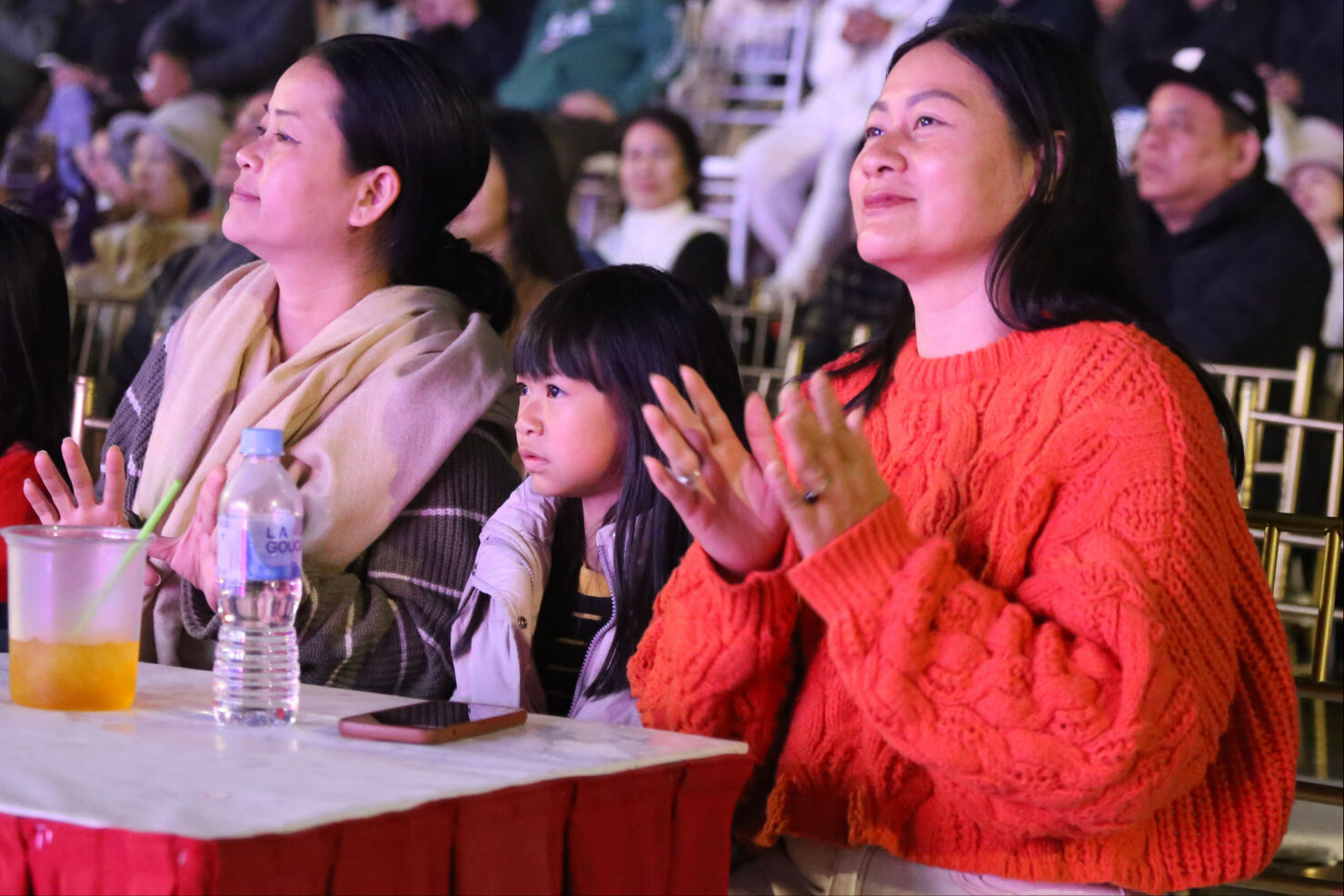
That sense of connection became even more apparent when representatives of the participating bands returned to the stage to interact with the audience, share their impressions and bid farewell at the end of the performances. After presenting their distinctive musical styles, the artists came together to share the joy of performing and engaging with the public in the highland town. Their expressions of gratitude to fellow performers and appreciation for the audience brought the programme, “Da Lat – Convergence and Flourishing”, to a close, leaving behind a warm sense of connection between artists and music lovers.
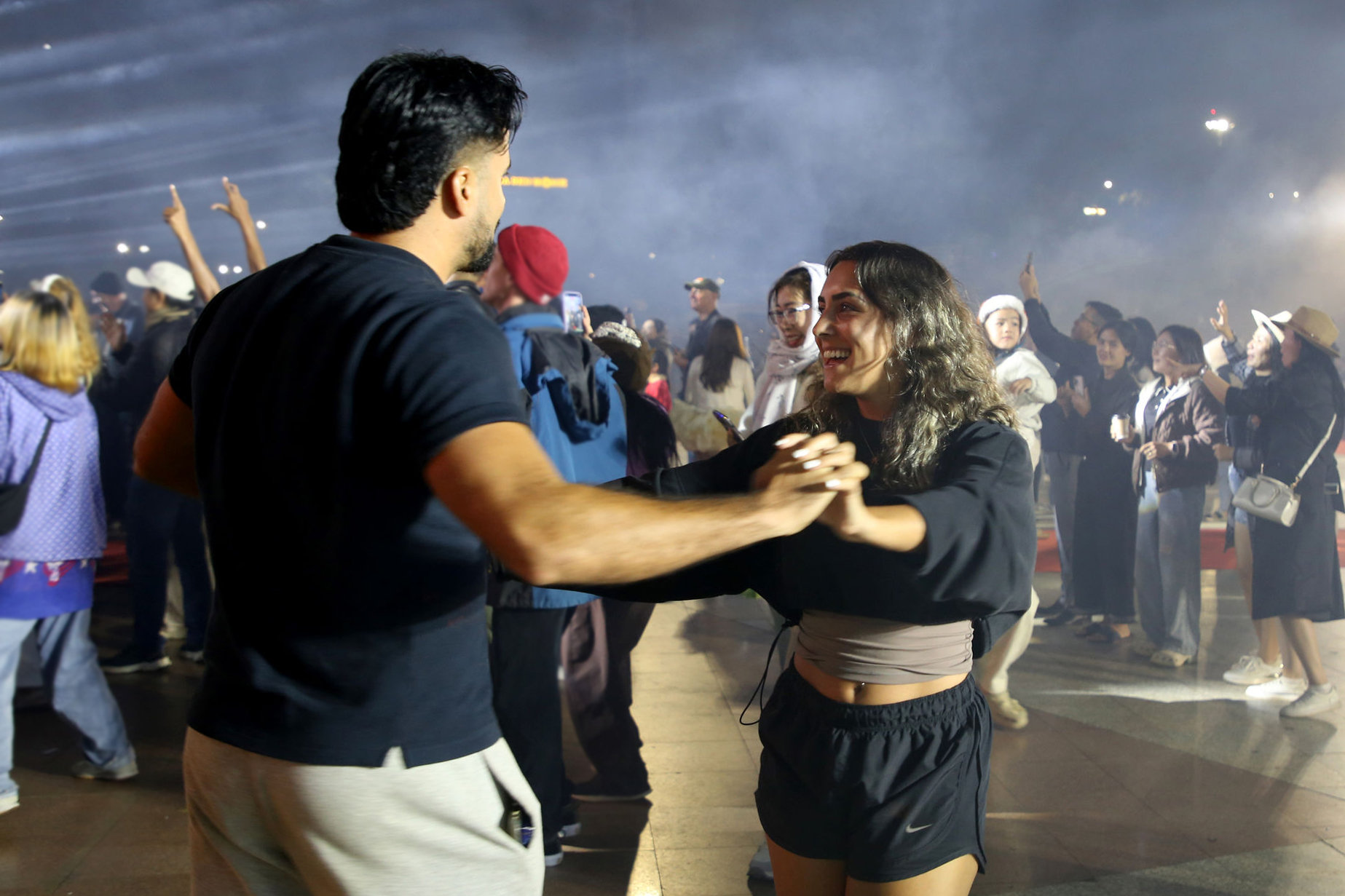
The shared dancing and spontaneous interactions between local residents and visitors reflected the festival's reach. People moved to the beat, danced together and shared the excitement with those around them. Differences in language seemed to fade as music created a sense of mutual understanding. This natural response from the audience helped shape the atmosphere, giving each performance an added vitality.
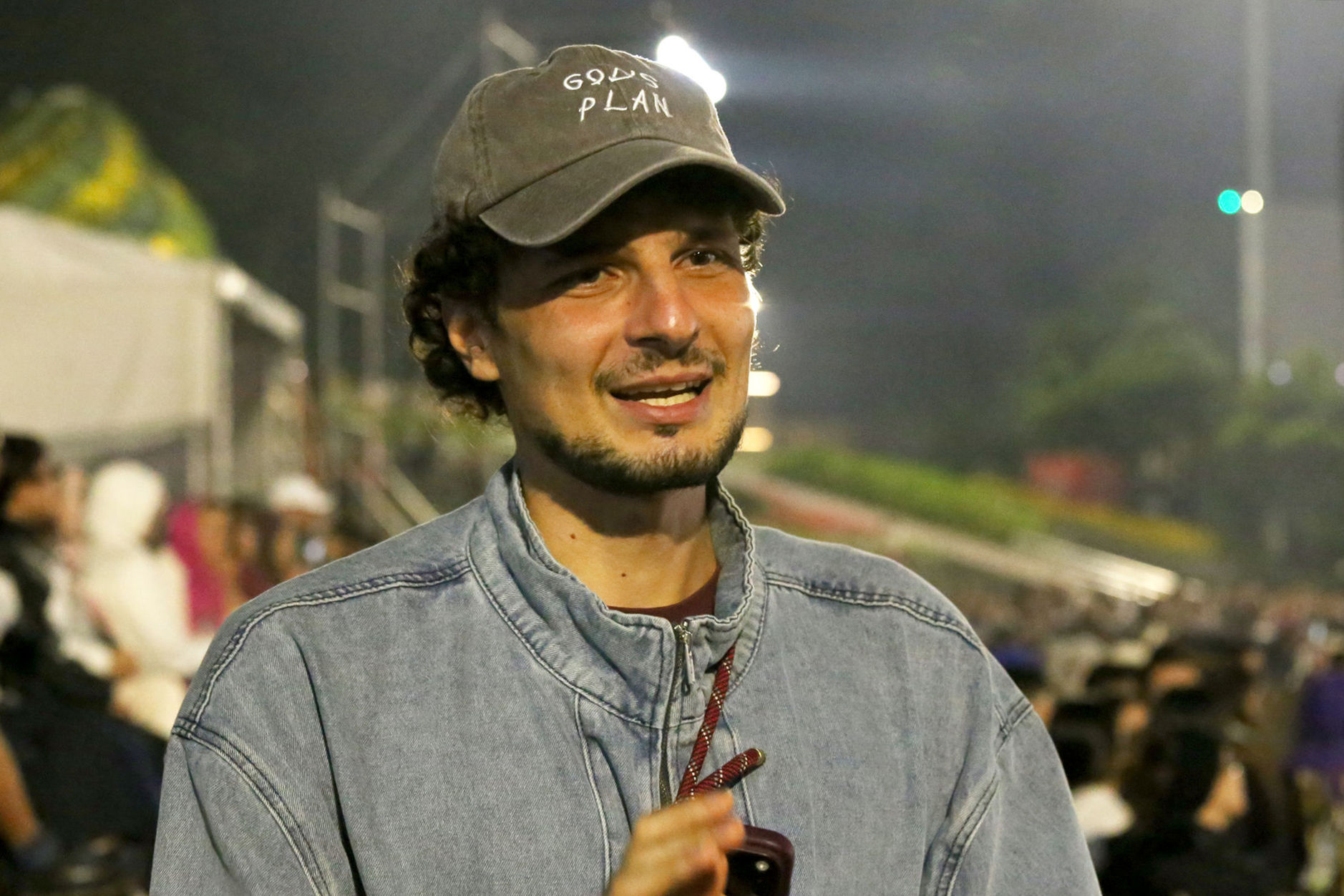
Speaking about the event, Russian visitor Dima Kovalenko praised the performances and the atmosphere. “The atmosphere here is truly special. You can feel the powerful energy of this land,” he said. He found the festival full of interesting experiences, with rock music among its highlights. “Da Lat – the city of music!” he exclaimed.
His enthusiastic remarks offer another perspective on Da Lat. For visitors, the highland town is defined not only by its landscapes but also by the energy of its people and the encounters made possible through music. A concert can thus become part of a destination's lasting appeal, remembered for the joy of sharing an experience with others.
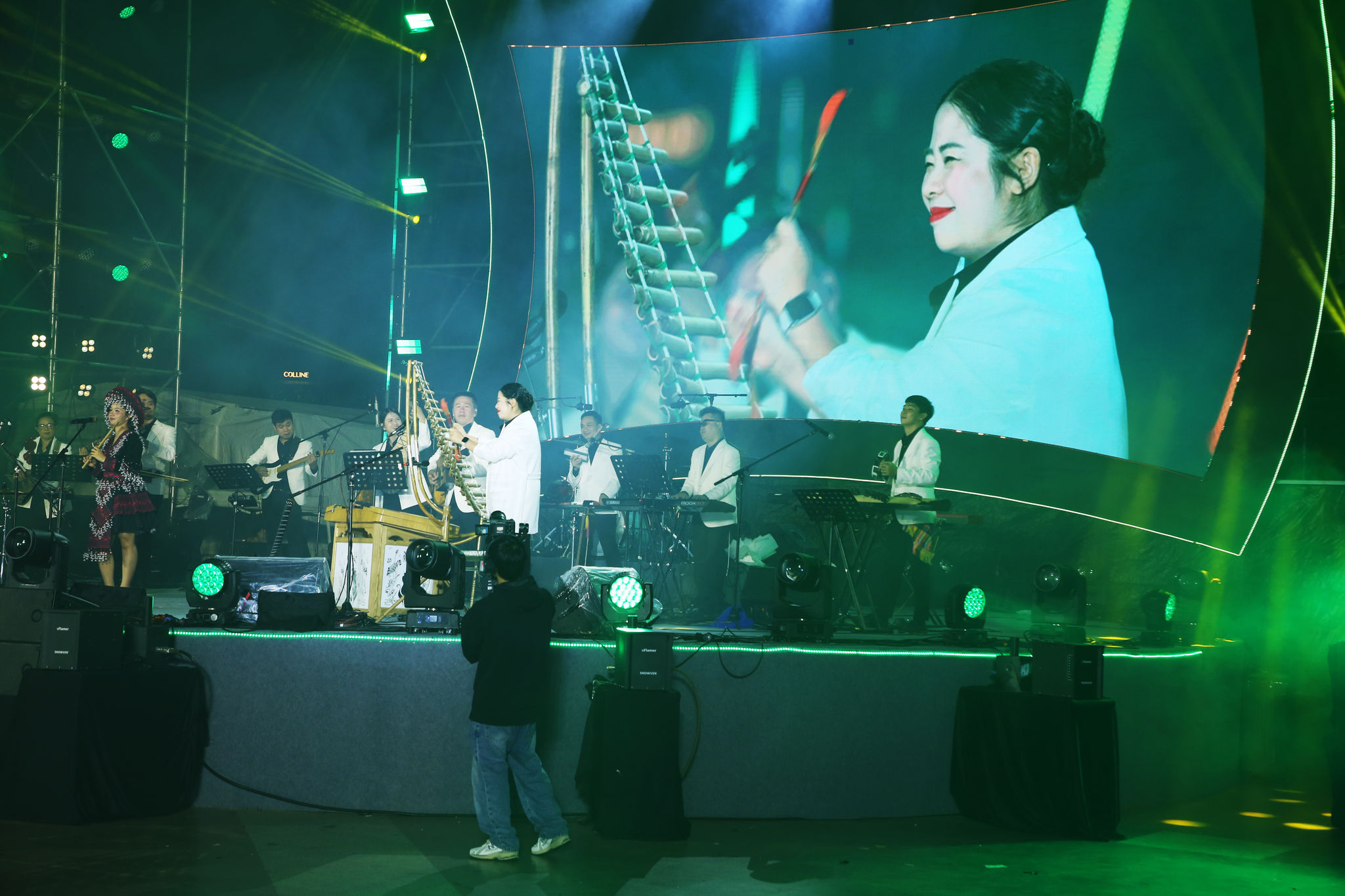
That sense of connection was nurtured through a diverse line-up of performances. Opening the programme, Au Co Band combined traditional instruments with contemporary musical elements in “Ngu Sac Toa Quang”, “Que Huong 3 Mien” and a rock cover of Beethoven. Traditional Vietnamese sounds took on fresh forms, creating an opening that reflected the country's cultural identity. At an international festival featuring bands from different countries, this approach highlighted the appeal of cultural heritage when presented through creative expression.
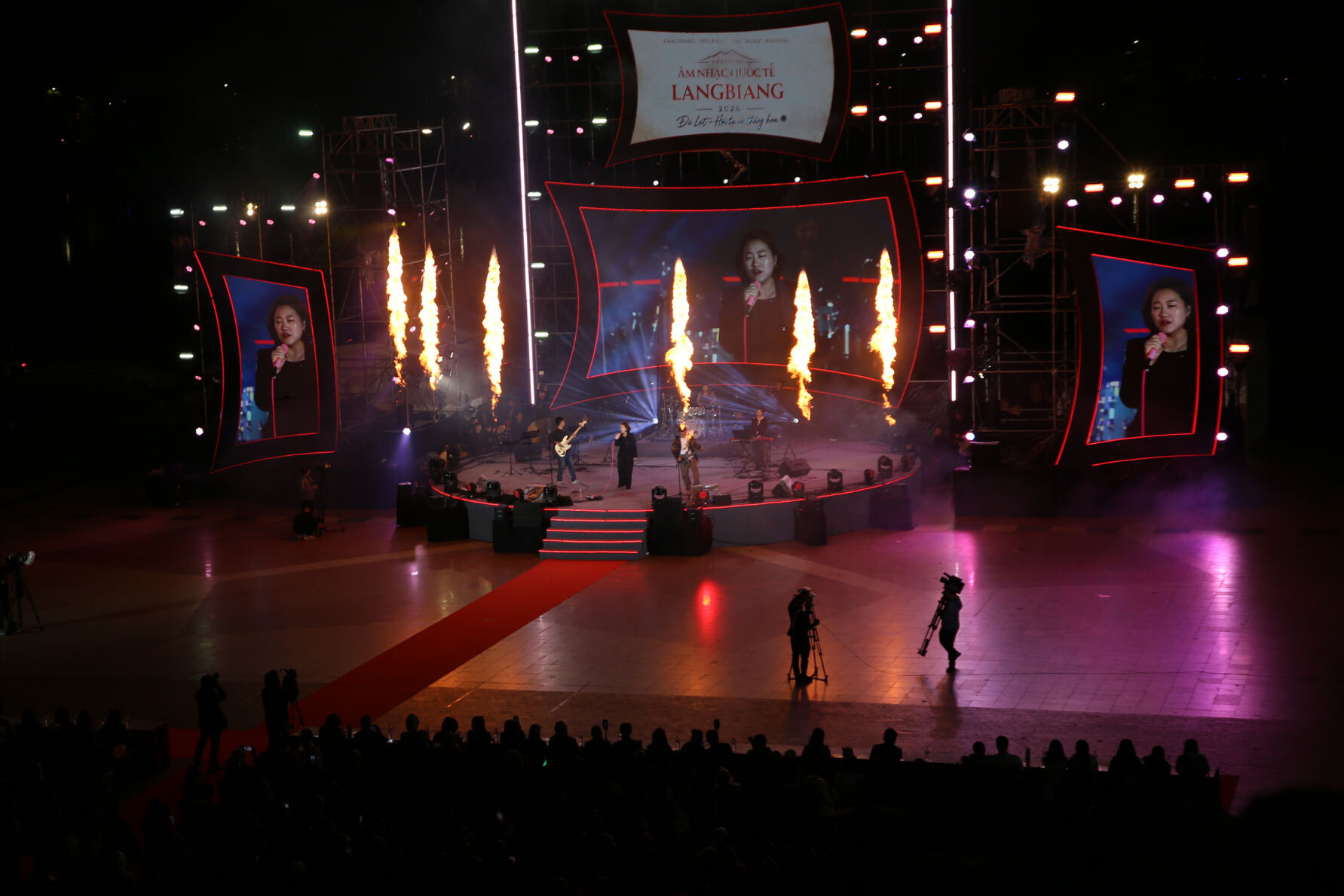
Art1st Band from South Korea followed with a youthful, free-spirited sound, blending funk, rock, fusion and indie rock. Cuba Swing Band then brought the audience the vibrant rhythms of Cuban and Latin music. Towards the end of the programme, Joon & Giờ Ra Chơi introduced the free-flowing energy of Vietnamese Indie Rock. The band's familiar name and music evoked the carefree excitement of school break time.
From Vietnamese traditional sounds to international rhythms and back to a Vietnamese band, the concert offered audiences a broad range of musical experiences. Each group brought its own style, while the audience found enjoyment in that diversity. Cultural exchange unfolded naturally through the performances and the public's enthusiastic response.
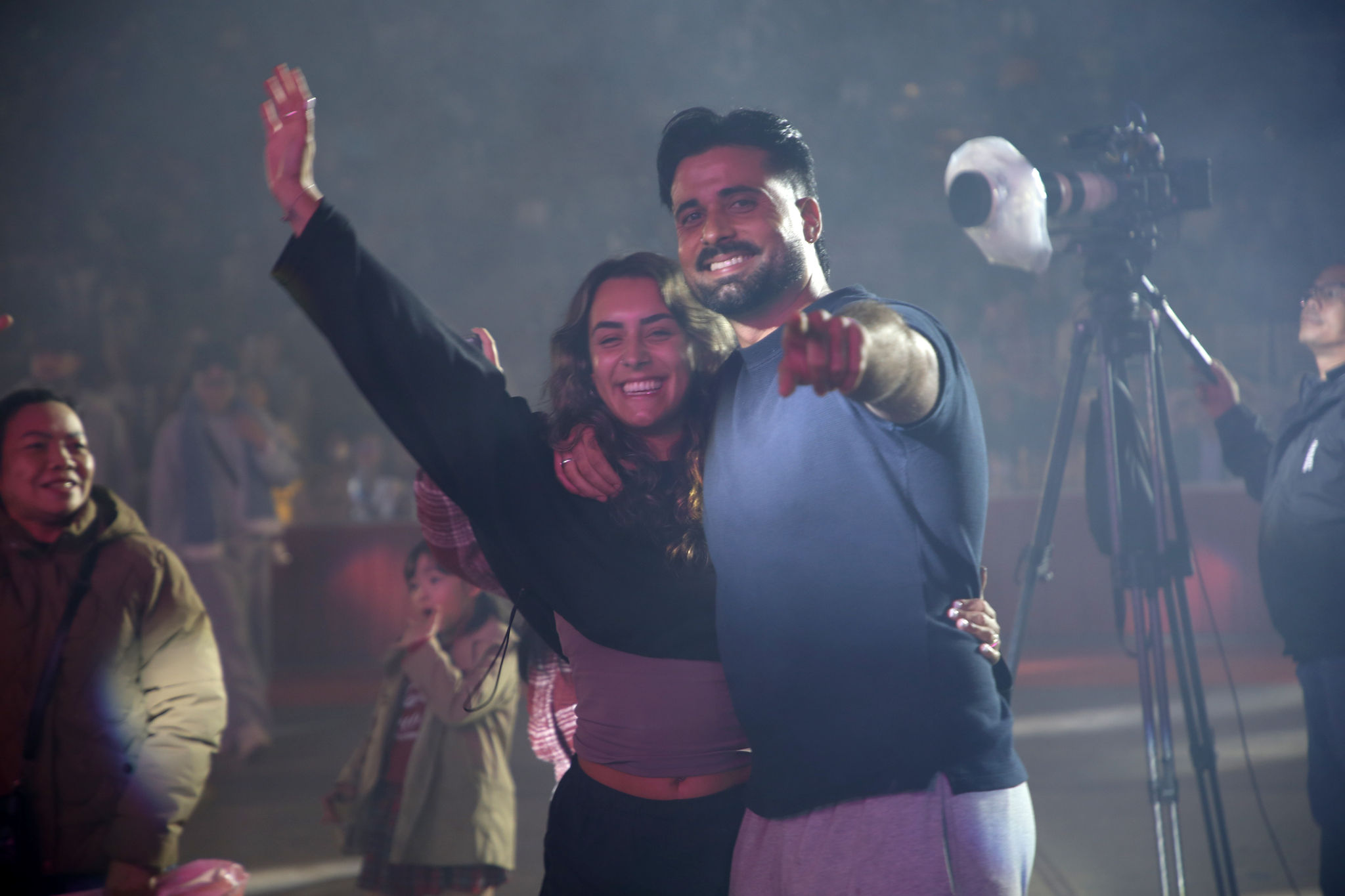
Across the two nights, rock music added another dimension to Da Lat's cultural identity. In a place long associated with a romantic atmosphere, powerful rhythms also found an enthusiastic audience, enriching the image of a youthful and open-minded highland destination.
From festival experiences to a UNESCO City of Music
This shared enthusiasm has also been evident in other recent artistic events in Da Lat. Before the Lang Biang Festival, the Vietnam Jazz Heritage Festival 2026 brought together leading Vietnamese and international artists, including Lisa Ono, Raul Midón, Nik West, Tran Thu Ha and Hoai Sa. Their diverse musical styles received a warm response from audiences, adding further vitality to the city's cultural life.
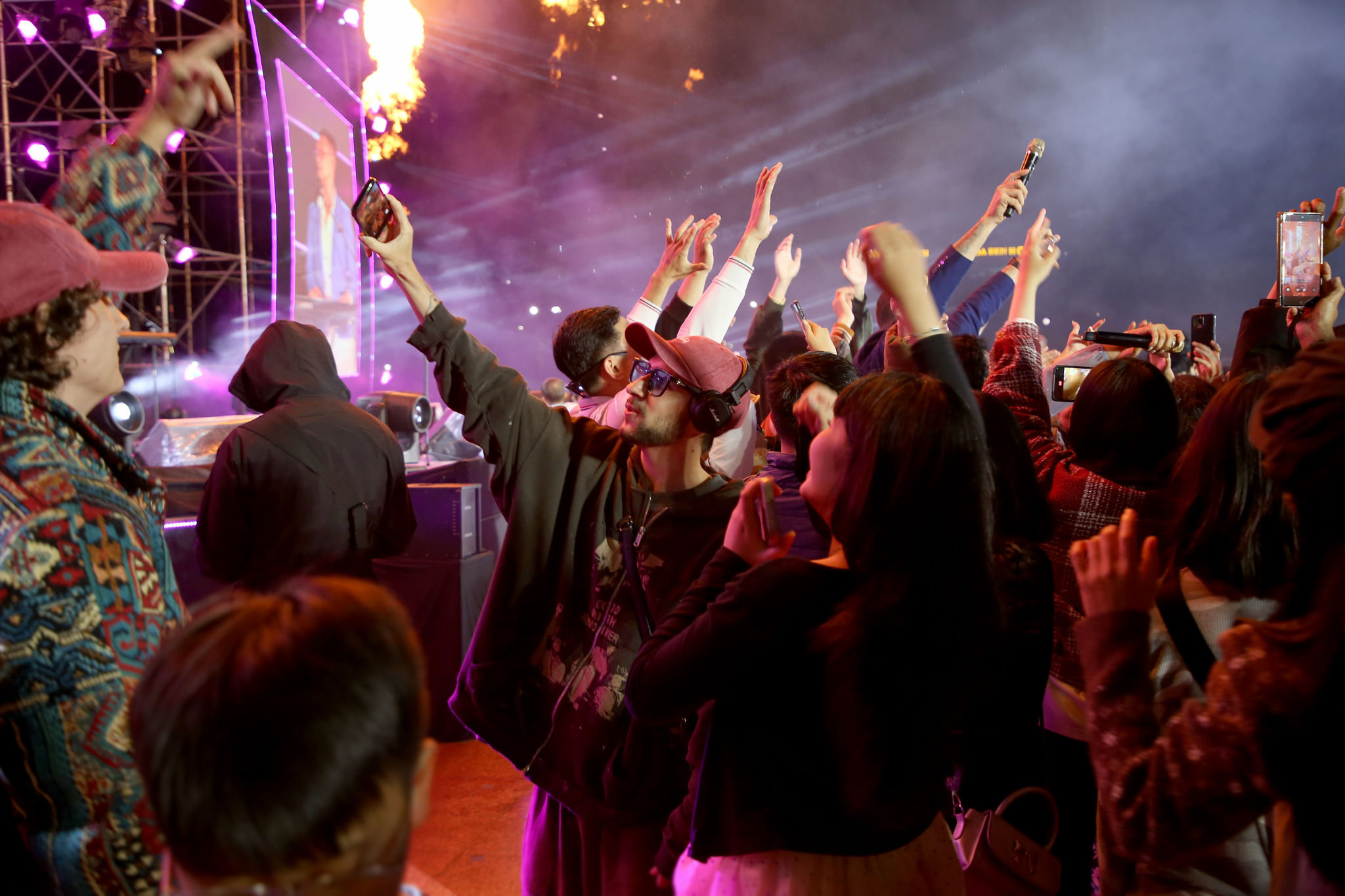
From jazz and rock to contemporary folk music and Latin rhythms, residents and visitors have had more opportunities to experience music in different forms. For tourists, a trip may be remembered not only for its scenery but also for the excitement of sharing a night of music with a crowd. For local residents, events of this kind create more opportunities to enjoy the arts in their own community. These shared experiences can strengthen both the destination's appeal and its cultural life.
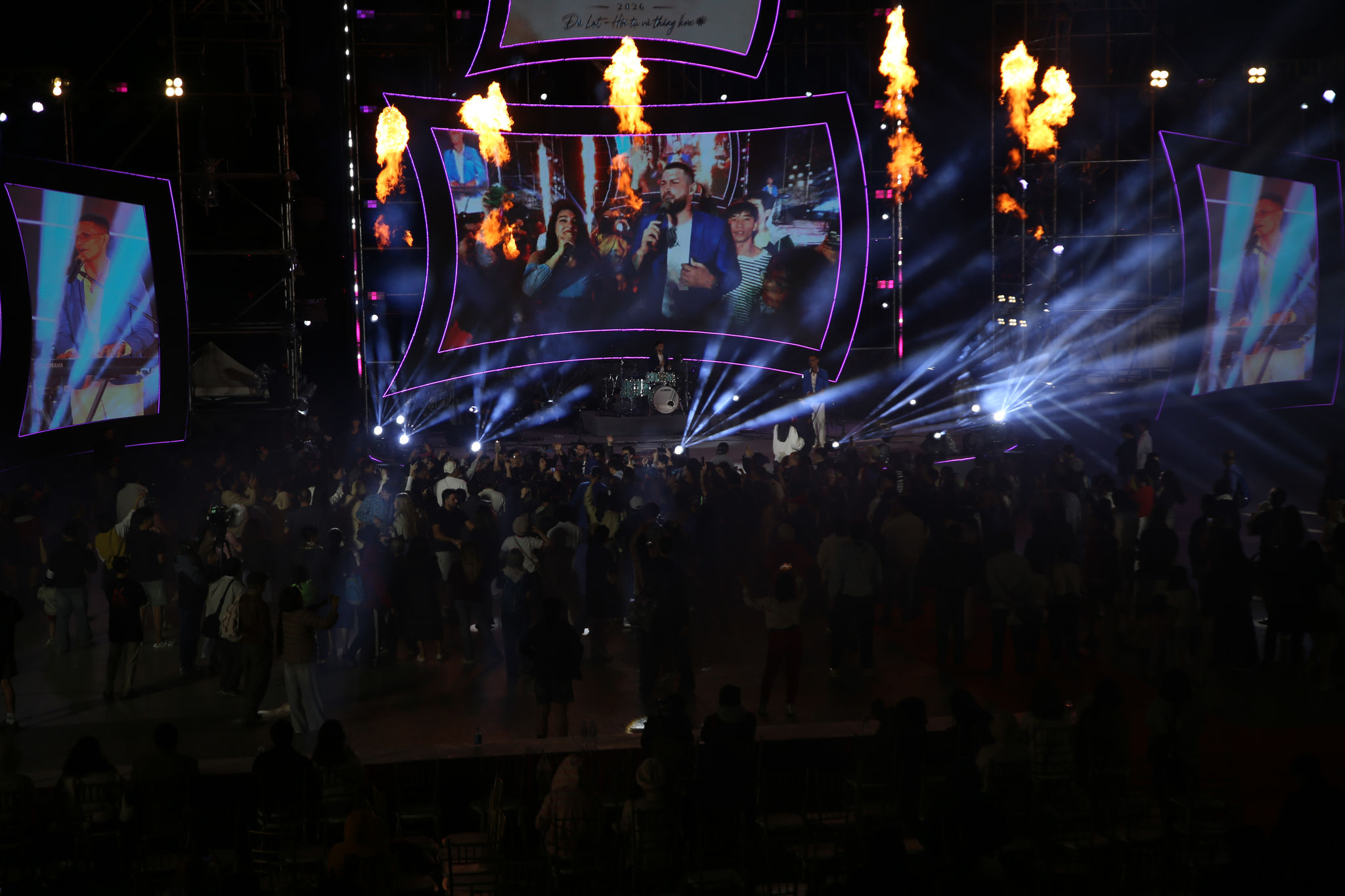
The organisation of the Lang Biang International Music Festival 2026 as part of the 11th Da Lat Flower Festival also reflects the growing diversity of the festival's programme. Alongside the appeal of flowers and the region's distinctive landscapes, music offers another cultural experience, adding to the attractions available to residents and visitors exploring Da Lat. Through live performances and open exchanges between artists and audiences, music helps shape a festival where culture, the arts and tourism come together.
At the opening ceremony, Dinh Van Tuan, Member of the Lam Dong Provincial Party Committee and Vice Chairman of the Provincial People's Committee, highlighted this vision. He said the Lang Biang International Music Festival 2026 helped put Da Lat's commitments to UNESCO into practice, while creating opportunities for artistic exchange, creativity and stronger links between music and the community. For Da Lat, he noted, music is more than an art form: it is part of the city's identity, a source of inspiration and a bridge connecting people with nature and the locality with the wider world.
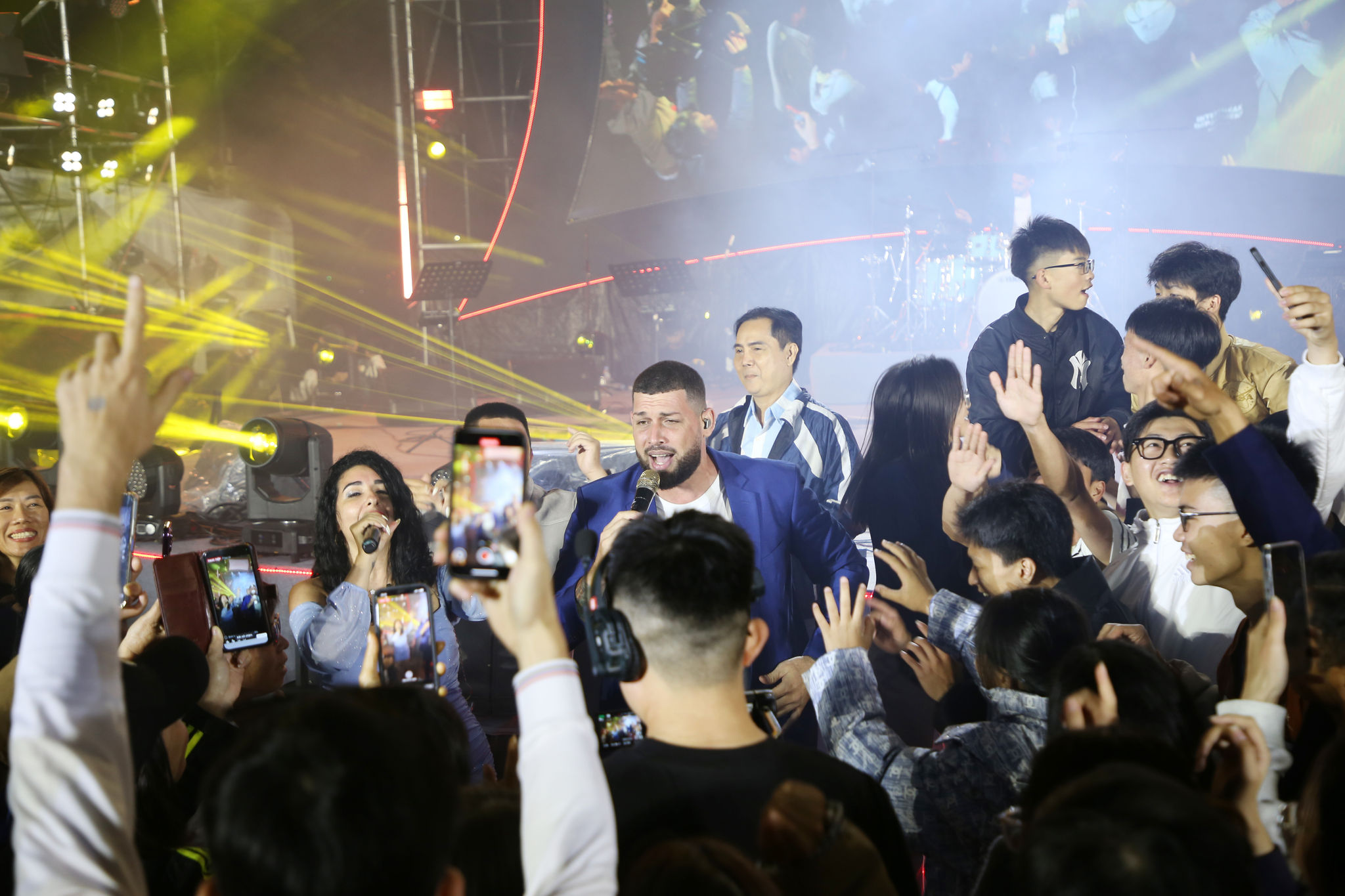
The performances reflected this direction through the combination of traditional instruments and contemporary music, as well as encounters between Vietnamese and international bands. Cultural identity gives the city a distinctive character to share with the world, while an open outlook creates opportunities to embrace new forms of artistic expression. When these elements come together, cultural exchange gains greater depth and audiences have more opportunities to discover different musical traditions.
The excitement generated by the festival also raises a broader question: how can music become more deeply rooted in everyday life? The energy of major concerts needs to be sustained through regular opportunities for creativity, performance and public engagement with the arts. For Da Lat's identity as a UNESCO Creative City of Music to become increasingly meaningful to its residents, community participation is essential. People need opportunities not only to access and enjoy music but also to contribute to the vitality of the city's musical life.
Da Lat will always retain its poetic charm in the eyes of those who love the highlands. After nights of rock-fuelled excitement, that familiar beauty has gained a youthful and open-minded resonance, giving visitors another reason to remember the city – not only for its landscapes, but also for the shared joy of music.