


Leveraging Heritage Values to Promote Tourism Development
Dak Nong UNESCO Global Geopark’s heritage values have been recognized as the “soul” of the region’s sustainable tourism development.
A Valuable Resource
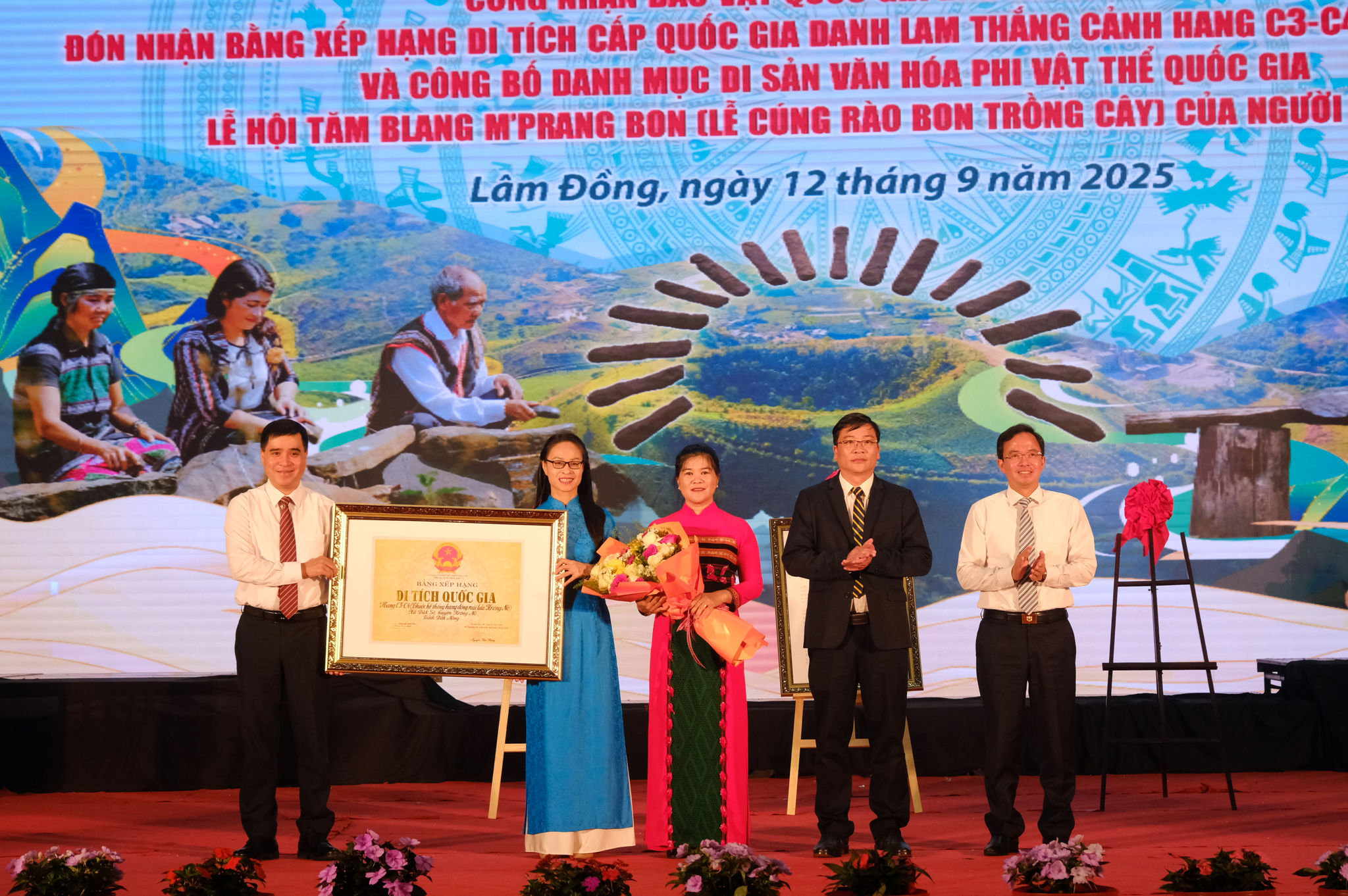
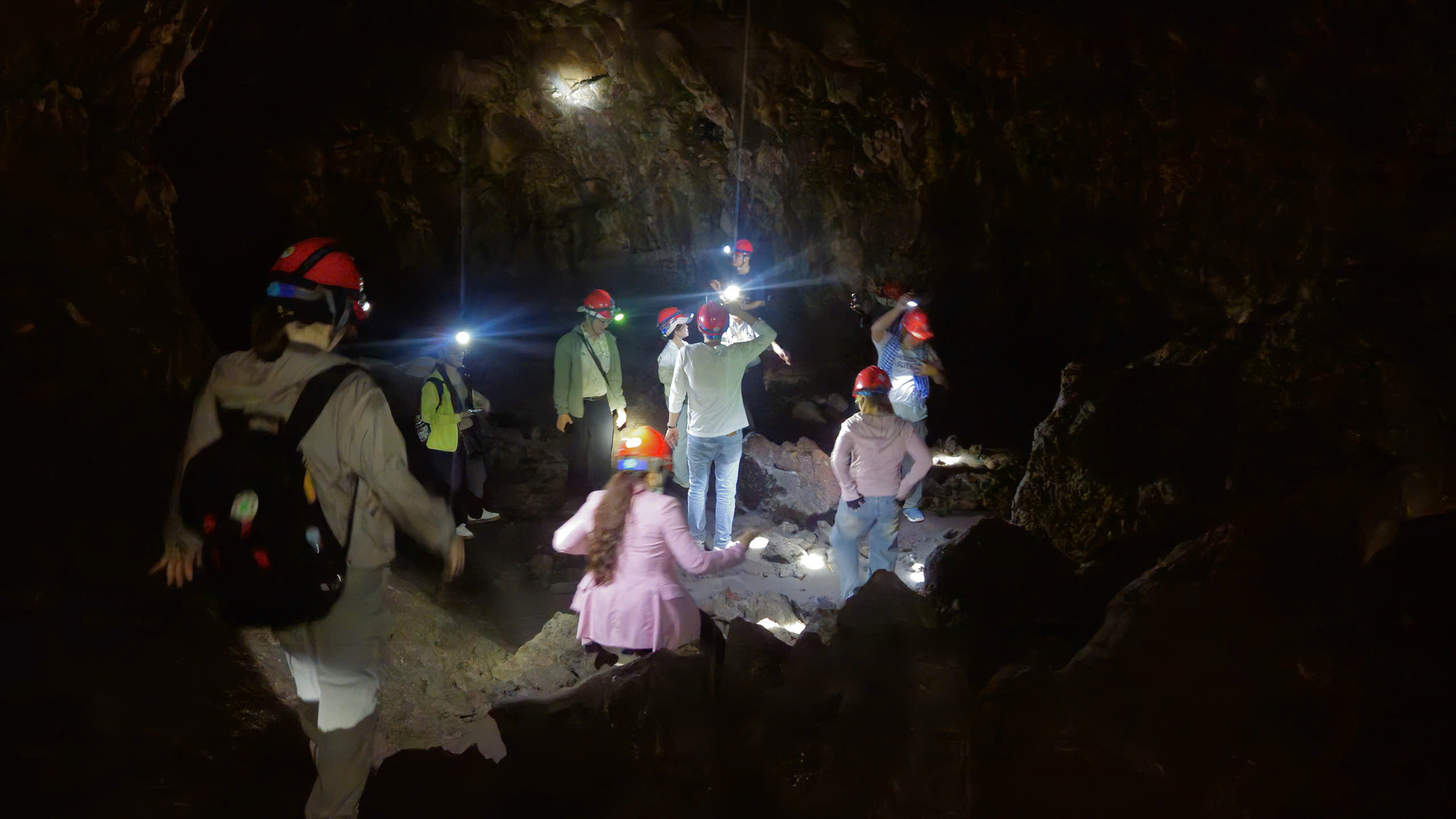
Situated on a vast basaltic plateau shaped by millions of years of geological activity, Dak Nong UNESCO Global Geopark is home to a distinctive heritage system that combines volcanic geology, cultural heritage, and biodiversity. Its standout features include Southeast Asia’s longest basaltic volcanic cave system, prehistoric archaeological sites, and the rich gong cultural space. Together, these elements create a vivid “living museum,” offering strong potential for specialized tourism linked to sustainable development.
In recent years, the globally significant values of the Dak Nong UNESCO Global Geopark have been increasingly affirmed in geology, biodiversity, culture, and environmental conservation. Building on this foundation, local authorities have introduced a range of policies to prioritize investment in tourism infrastructure and facilities, while strengthening promotion, investment attraction, and partnerships. These efforts are designed to conserve and promote heritage values while making better use of the area’s existing potential and advantages.
Building on this foundation, tourism products and models linked to 44 destinations have been developed into three themed routes under the banner “The Land of Sounds”: The Epic of Fire and Water, The Symphony of New Breezes, and Echoes from the Earth. Each route offers visitors an immersive journey through the region’s geology, nature, history, and ethnic cultural diversity.
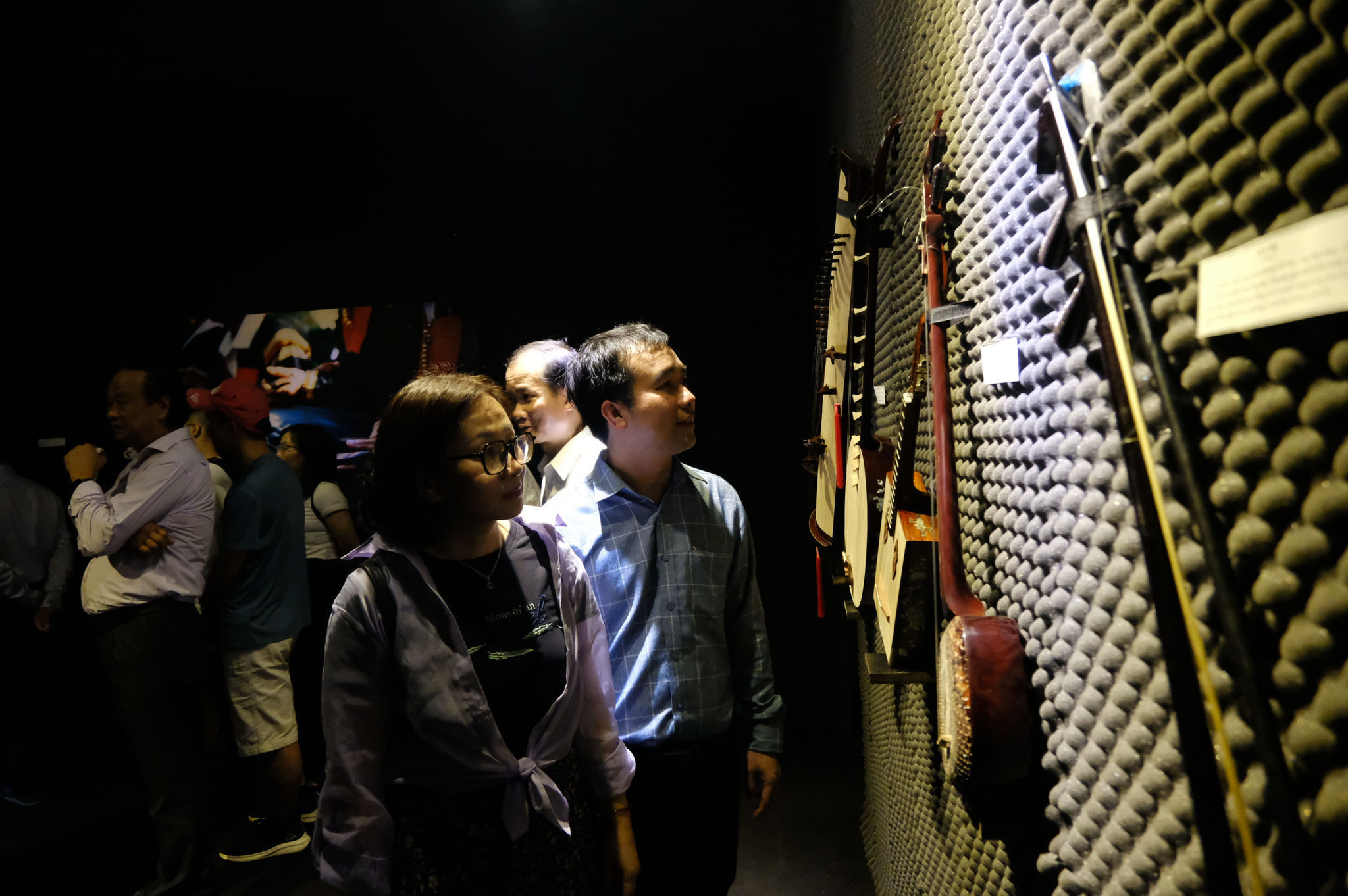
Moving beyond mere sightseeing, visitors can now experience heritage through sound, touch, and emotion. Multi-sensory experiences are becoming a hallmark of the region’s tourism approach. “From the sounds of flowing water and wind to the echoes of the rocks, everything creates a truly unusual and distinctive space that I have never experienced before. It’s not just about listening. Each sound seems to tell a story about this land,” said Thao Van, a tourist from Phan Thiet, after visiting the Sound Exhibition House in Bac Gia Nghia Ward.
Beyond its geological significance, the Dak Nong UNESCO Global Geopark also preserves the rich cultural treasures of indigenous ethnic groups. Traditional festivals, folk music, handicrafts, and local cuisine have helped shape tourism products deeply rooted in local identity, further enriching the visitor experience.
The responsible use of geological heritage sites
not only helps create unique tourism products but also raises public awareness of nature conservation and sustainable tourism developmentLe Thanh Hiep, Director of the Dak Nong UNESCO
Global Geopark Management and Culture Center.
A Foundation for Sustainable Tourism Development
At the 2026 International Workshop on Global Geoparks and Mineral Resources, Le Thanh Hiep, Director of the Center for Culture and Management of the Dak Nong UNESCO Global Geopark, said the area’s natural resources, landscapes, and distinctive heritage systems had opened up significant opportunities for local tourism development. Appropriate models and effective development solutions, he noted, would help drive sustainable economic growth and gradually position the locality as an attractive destination for domestic and international visitors.
Despite its immense potential, tourism development within the Geopark area still faces numerous challenges. Shortcomings remain in the management, operation, and conservation of heritage sites. The area has also yet to attract large-scale investors with sufficient capacity and expertise in geotourism and community-based tourism to implement strategic projects.
In this context, the development orientation for the Dak Nong UNESCO Global Geopark is anchored in three pillars: heritage conservation, community education, and sustainable local economic development. This framework not only aligns with UNESCO principles but also provides a basis for formulating solutions suited to local realities.
Guided by this orientation, the region is implementing a range of coordinated solutions. Priority is being given to improving mechanisms, policies, and management guidelines to enhance the operation of heritage sites. At the same time, inter-sectoral and local coordination is being strengthened, alongside knowledge exchange to improve management and development capacities.
In tandem, tourism infrastructure continues to receive investment with a focus on sustainability. Information centers, rest stops, and sightseeing routes are being gradually upgraded to enhance visitor experiences. The selective use of eligible caves and scenic landscapes, in line with overall planning, is helping expand the tourism space and maximize the value of these heritage assets.
Alongside tourism expansion, environmental protection and sustainable development requirements have become increasingly clear. Rational land-use planning, investment in waste treatment facilities, and the preservation of natural landscapes are seen as key to ensuring long-term growth. At the same time, initiatives to encourage community participation in tourism and develop supporting economic activities are being strengthened, helping create jobs and increase incomes for local residents.
With the coordinated implementation of these solutions and the active participation of authorities, businesses, and the community, heritage values will not only be preserved but also become a key driver of sustainable tourism development.