


Local Heritage Resources Create Opportunities for Tourism Growth
Chairman of the Lac Duong People’s Committee Bui Quoc Huan emphasized the indigenous cultural resources of the K’ho people, considering them an important foundation for developing distinctive tourism products and creating a unique attraction for the locality.
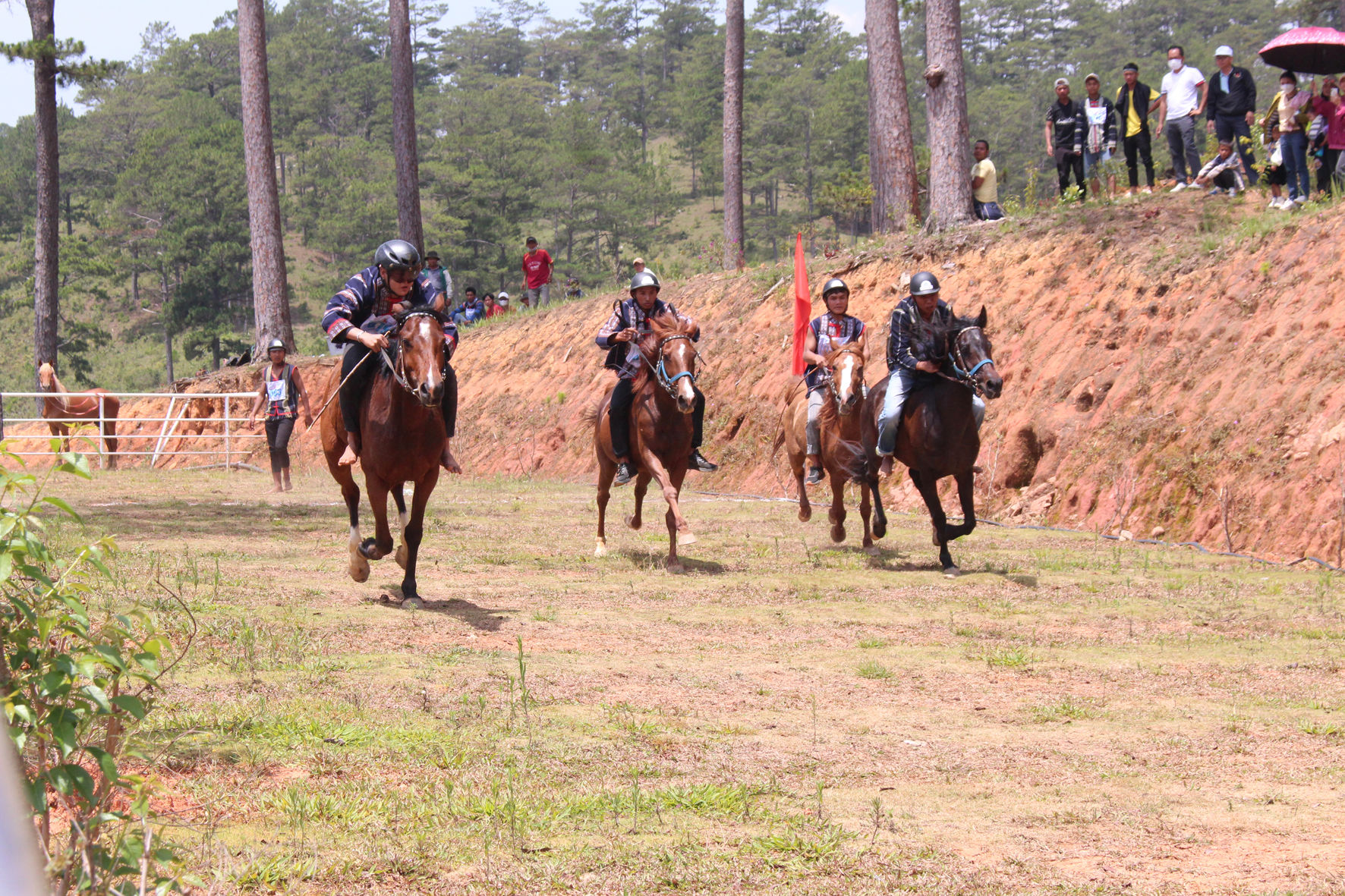
Indigenous culture becomes a tourism asset
Local authorities and tourism operators highlight that traditional cultural elements—such as the K’ho people’s bareback horse racing and gong culture—are emerging as unique attractions that differentiate the destination.
Sacly, a local K’ho tour guide, noted that increasing numbers of international visitors are seeking immersive cultural experiences rather than conventional sightseeing. This shift is turning heritage into a key tourism resource, as culture, nature and daily life converge to create meaningful travel experiences.
He emphasized that when indigenous values are properly preserved and promoted, they not only enhance visitor engagement but also ensure the sustainability of cultural heritage in modern life.
Linking preservation with economic benefits
Tourism development based on local heritage is also opening new income streams for communities. By integrating cultural preservation with tourism services, local residents—particularly heritage custodians—can directly benefit from economic activities.
According to Sacly, what visitors value most is the opportunity to “live like locals,” experiencing daily life within the community. This authenticity fosters deeper emotional connections and strengthens the destination’s appeal.
Strategic direction for sustainable tourism growth
Chairman of the Lac Duong People’s Committee, Bui Quoc Huan, identified cultural tourism, eco-tourism and agricultural tourism as the three strategic pillars for future development.
The commune plans to strengthen partnerships with travel agencies and businesses to improve service quality and expand inter-regional tour routes. A key focus will be enhancing the brand value of Bidoup–Nui Ba National Park through experiential tours centered on nature exploration and biodiversity.
At the same time, high-tech agricultural tourism is expected to complement cultural experiences, offering visitors a broader perspective on the region’s development.
Unlocking untapped cultural potential
Despite its rich heritage, many cultural resources—particularly gong performances—remain underutilized commercially. Authorities see this as an opportunity to develop new tourism products while preserving authenticity.
The Dung K’Si Cultural Village is identified as a focal point for future development, where traditional performances and K’ho cuisine could be transformed into structured tourism services.
By aligning cultural preservation with tourism development, Lac Duong aims to build a sustainable model that not only attracts visitors but also enhances livelihoods and reinforces local identity.