


Low-Emission Rice Brings New Hope to Lam Dong Farmers
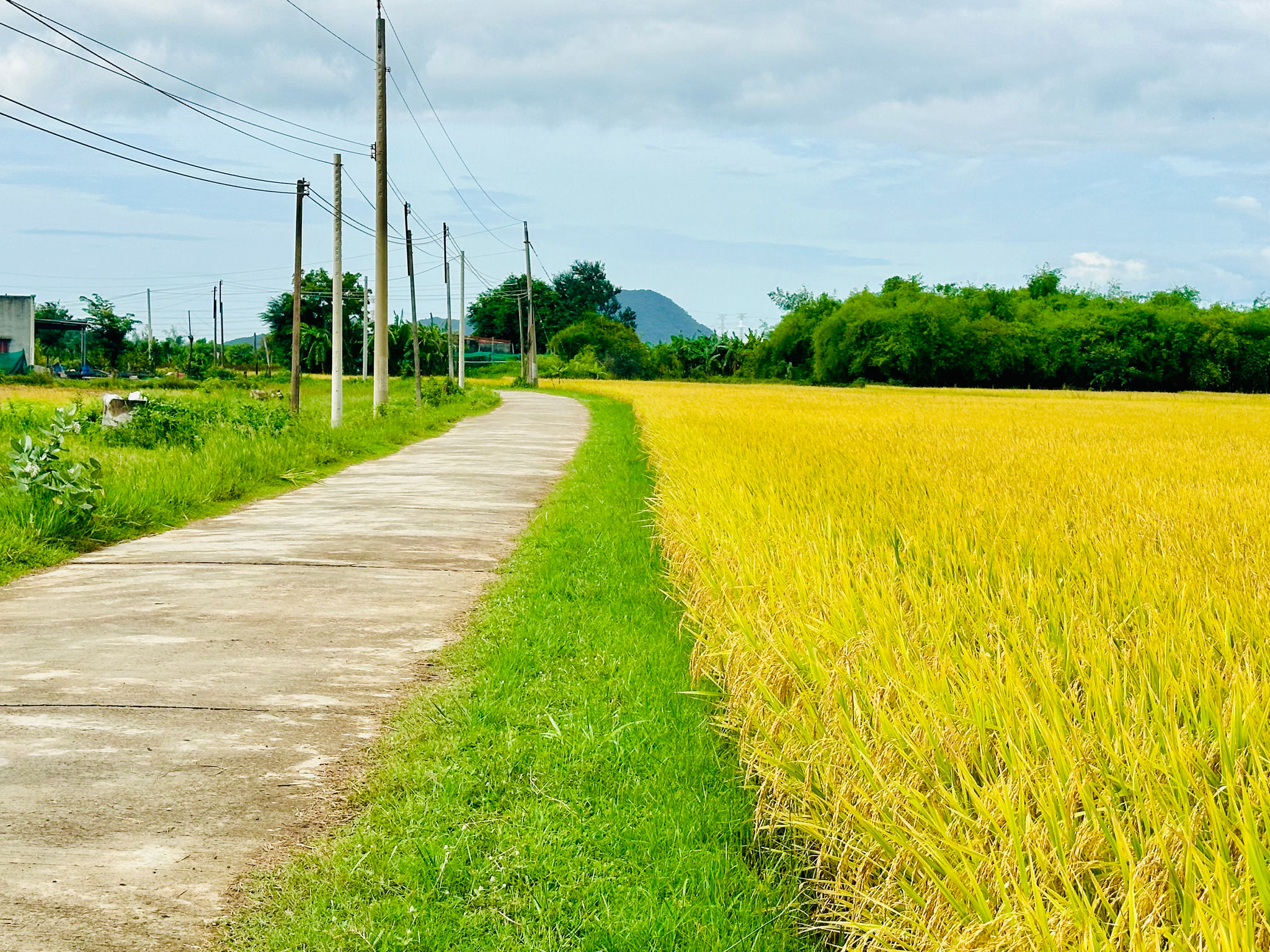
The golden rice fields stretching across the horizon have entered the harvest season. The new Huong Giang 12 (HG 12) variety has sturdy stalks and heavy grains, even as farmers use less seed and fewer pesticides. This is the result of a safe, low-greenhouse-gas-emission rice production model implemented in eastern Lam Dong several months ago.
A Color of Hope
“We have learned that the greenhouse effect contributes to global warming and climate change.”
“We have also become aware of greenhouse gases released through industrial and agricultural practices. Traditional rice cultivation, for instance, also emits methane, which is detrimental to the environment and human health.”
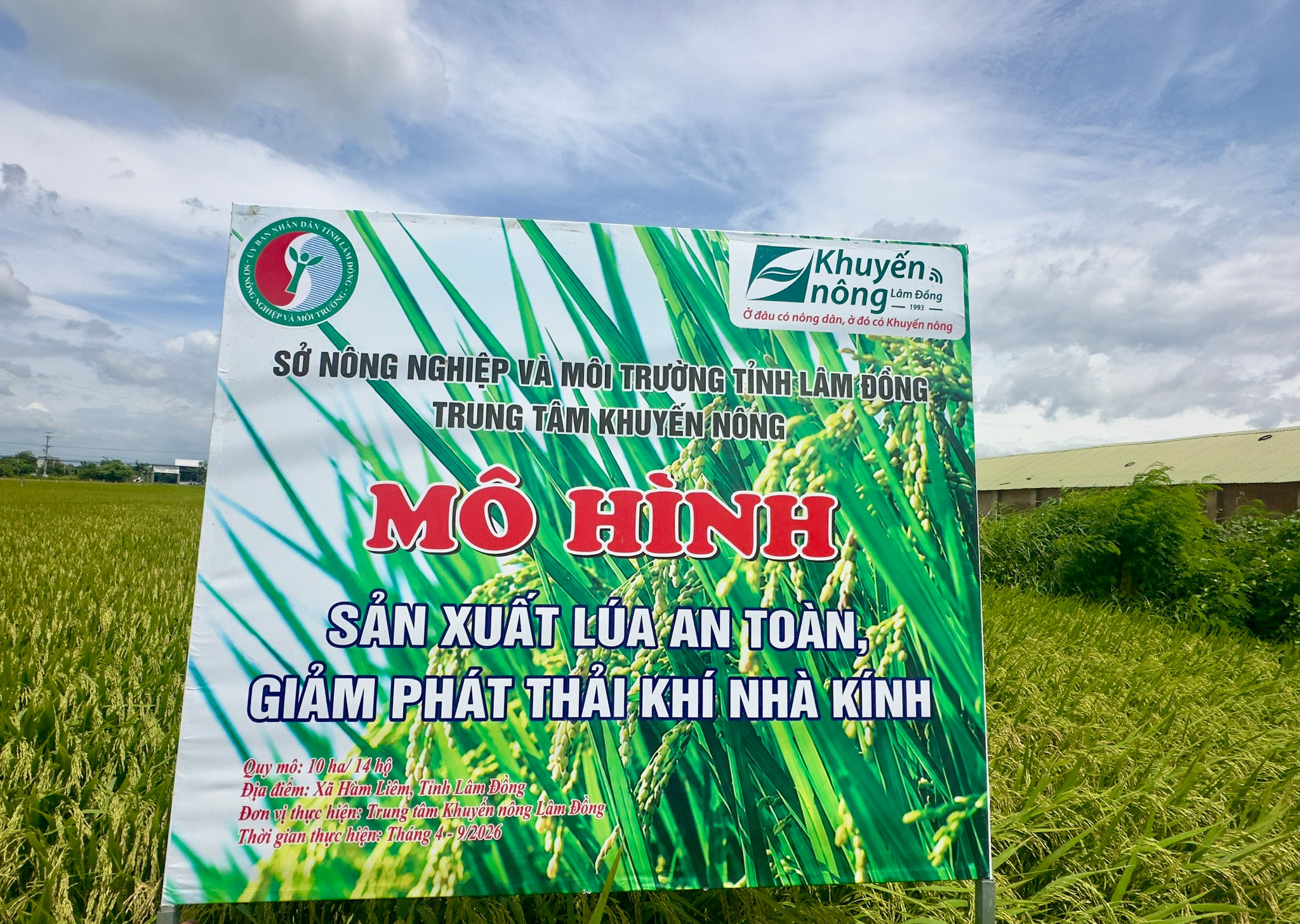
These were the typical responses I received when I asked farmers whether they knew about greenhouse gas emissions. Their answers also clarified why 40 households in Ham Thuan Bac, Ham Thuan, and Ham Liem communes have participated in the “Safe Rice Production with Reduced Greenhouse Gas Emissions” initiative conducted by the Lam Dong Provincial Agricultural Extension Center across nearly 30 hectares in recent months.
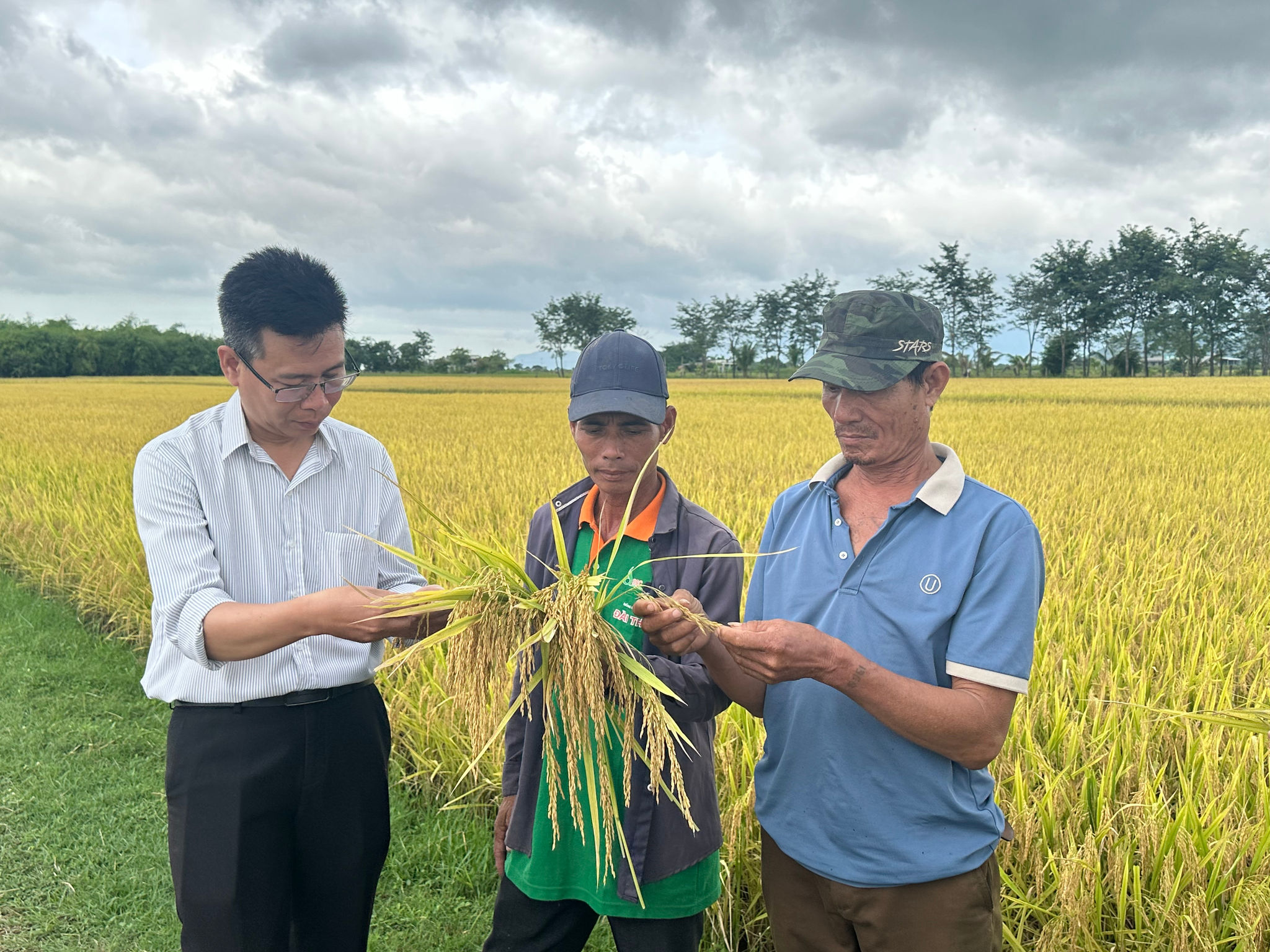
Phan Chi Thanh from Ham Tri Village in Ham Thuan Bac Commune stopped at his 1.2-hectare rice field, which was close to being harvested, and excitedly explained: “In the past, I used to sow 25 kilograms of seed for every 1,000 square meters, but with this new method, I've cut the seed amount by more than half. With fewer plants, the rice grows more robustly, and the risks of pests and diseases are lowered, resulting in a decreased need for pesticide applications. The government covers 50–70% of the cost of seeds and inputs, which greatly lowers expenses for fertilizers and pesticides, as well as the frequency of spraying. This method also helps protect farmers' health and reduce environmental emissions.”
.jpeg)
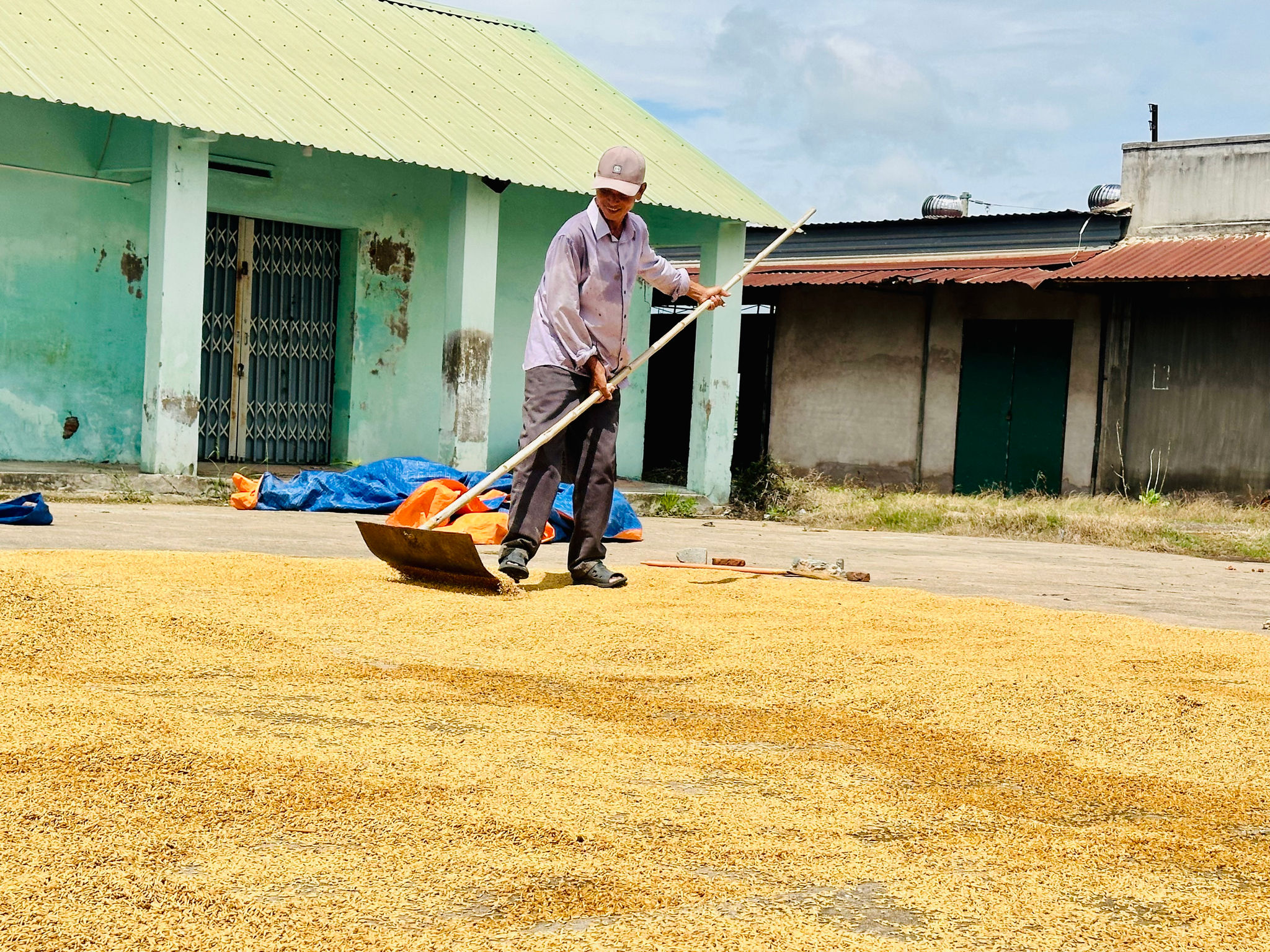
Areas once submerged by floodwaters have been transformed dramatically in under a year. Farmers are optimistic about the enhanced potential for rice cultivation, as lower reliance on seeds and fertilizer has led to a notable increase in profits.
Specifically, farmers have greatly reduced their use of fertilizers and pesticides, helping protect both their health and the surrounding environment.
In fact, this isn't the first time that farmers in Lam Dong have embraced this method. Approximately two years ago, a "smart" low-emission rice production model was launched in Bac Binh Commune, engaging 11 households from the Cham ethnic minority over an area of 3.4 hectares.
The initiative yielded tangible results: farmers minimized their use of seeds, fertilizers, pesticides, and water for irrigation while boosting their profits by 10–20% compared with traditional fields. For the first time, they also earned around VND 2 million per hectare through carbon-credit earnings.
Building on that achievement, the VietGAP rice production model in Bac Ruong Commune has continued to implement advanced agricultural techniques, such as cluster sowing and drone-based pesticide spraying, paving the way for wider adoption across the region.
“Against the backdrop of increasingly complex climate change and rising agricultural production costs, this is an inevitable direction,” emphasized Nguyen Duc Thien, Deputy Director of the provincial Agricultural Extension Center.
Green Agriculture and Double Benefits
This positive outlook was shared by two other farmers, Nguyen Thanh Tuy from Ham Liem Commune and Nguyen Van Lap from Ham Thuan Commune. Each household has 9,000 square meters of rice involved in the initiative and both have achieved remarkable results. The rice produced is of high quality, increasing hopes for higher market prices.
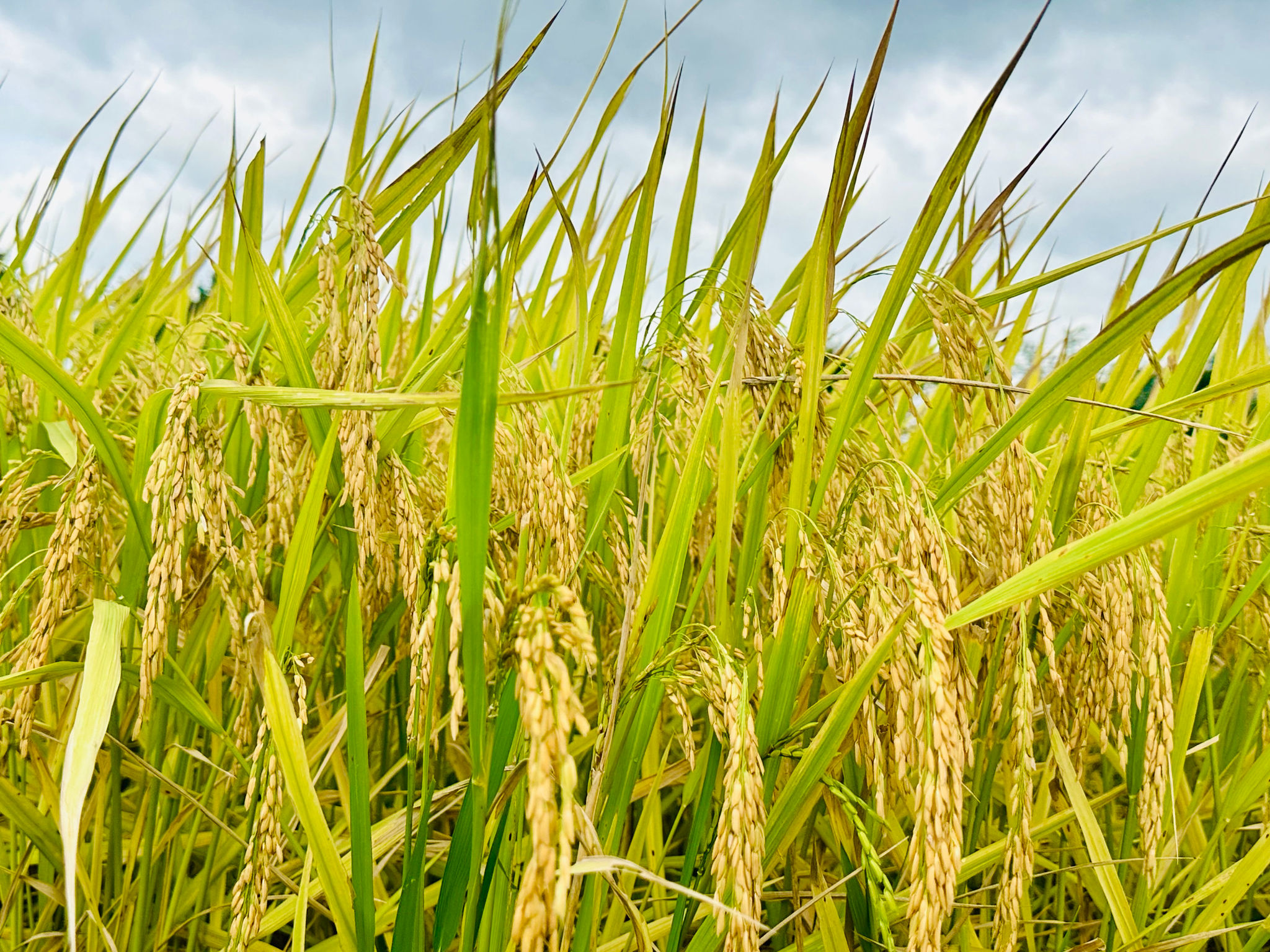
The HG 12 rice strain has a brief cultivation period, robust tillering, adaptability to various fields, and a strong resistance to lodging. Given these outcomes, numerous households expressed their intention to continue implementing low-emission farming methods in future crops.
These measures represent a significant advancement that has received strong approval from agricultural experts. For rice producers engaged in the low-emission model in Lam Dong, the transition has changed not only the way they farm but also the way they think.
Farmers have come to realize that safe, low-emission rice cultivation can enhance the connection between production and the market, deliver both economic and environmental benefits and improve their incomes.
Following a visit to the fields and observing the model's achievements firsthand, Nguyen Duc Thien, Deputy Director of the Lam Dong Provincial Agricultural Extension Center, noted that the combined use of modern farming techniques has allowed farmers to considerably lower their expenses on seeds, chemical fertilizers, and pesticides while simultaneously increasing their yields and profits by 30–40%.
The center is promoting linkages with businesses to secure purchase agreements for products meeting required standards, ensuring stable outlets for farmers. Going forward, the agricultural sector will continue expanding the low-emission model in key production areas across the province.
Nguyen Duc Thien, Deputy Director of the provincial Agricultural Extension Center
As they look to the future, farmers like Tuy and Lap have enhanced their understanding and taken significant steps to lower greenhouse gas emissions in their fields. They have discovered that, in addition to boosting profits, producing rice in a safe and low-emission manner aligns with the Ministry of Agriculture and Environment’s plan to develop export-oriented and low-emission rice-growing areas.
This also gives farmers opportunities to benefit from carbon-credit policies and generate additional income through good agricultural practices.
Hearing farmers talk about the potential for extra income through carbon-credit conversion in the near future gives me confidence that the area dedicated to safe, low-emission rice cultivation will grow to over 100,000 hectares of rice fields each year across eastern Lam Dong, as intended.