


Maintaining Plantation Codes to Stabilize Export Markets
Plantation codes are not merely technical procedures — they are the “green passports” that help Lam Dong’s agricultural products reach the global market. As importing countries tighten safety and traceability standards, maintaining valid plantation codes has become a measure of credibility for entire product chains and a key to sustainable global integration for the Central Highlands’ produce.
Strict Supervision to Uphold Export Credibility
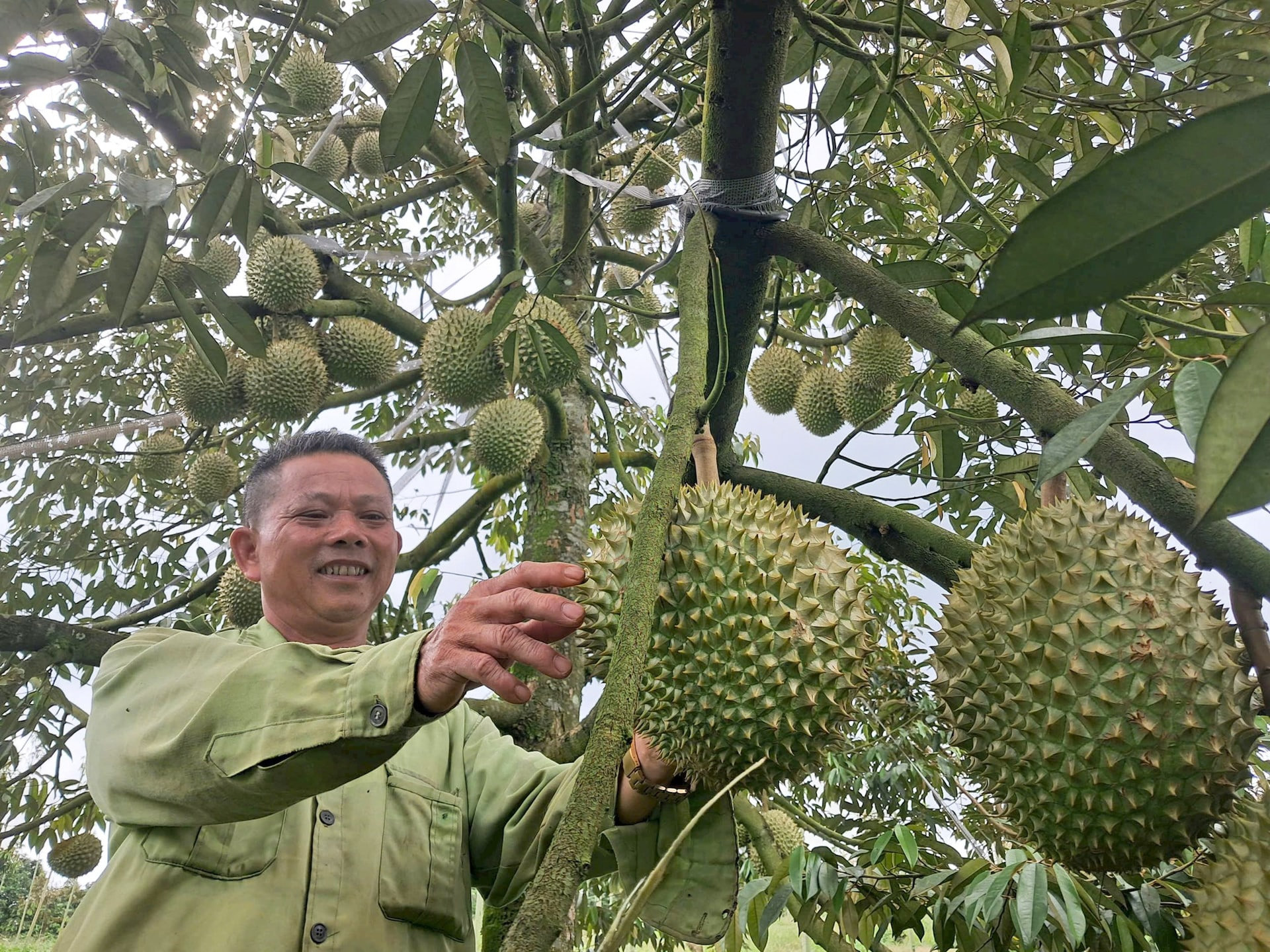
According to the Lam Dong Sub-Department of Crop Production and Plant Protection, the province currently has nearly 1,000 export plantation codes, covering 39,363 hectares, along with 338 licensed packing facilities. Among them, durian and dragon fruit are the province’s flagship crops, holding the largest export shares — with 587 dragon fruit codes (26,000 ha) and 337 durian codes (13,100 ha).
Lam Dong’s agricultural exports are shipped to China, Australia, New Zealand, the United States, Switzerland, Japan, and South Korea — markets known for their rigorous food safety and traceability requirements. To keep this “green passport,” each plantation must adhere to strict management protocols from production to packaging, ensuring full compliance with global import standards.
Over the past year, the Sub-Department has monitored more than 300 key plantations and packing facilities. Inspections revealed traces of heavy metals in some durian samples, with one exceeding the permissible limit. Authorities issued warnings, required immediate corrective actions, and instructed farmers to avoid fertilizers and pesticides containing cadmium or lead.
Ha Ngoc Chien, Head of the Sub-Department, emphasized: “Just one sample exceeding the limit could cause an entire shipment to be rejected. Maintaining plantation codes means safeguarding national credibility — it’s not only about local growers but the reputation of Vietnam’s entire agricultural sector.”
Raising Awareness Among Producers
Nghiep Xuan Import-Export Trading Co., Ltd., based in Dong Gia Nghia Ward, has been granted packing codes and manages more than 100 hectares of durian under six plantation codes. The company is completing documentation to register several new plantation codes to expand production and meet export demand.
Bui Phu Ton, Director of Nghiep Xuan Company, explained: “Building a plantation zone is not difficult; what matters is voluntary and strict compliance with the rules. When producers do that, technical barriers won’t be an issue — and both businesses and farmers can negotiate better prices on the export market.”
To meet increasing global requirements, Lam Dong’s authorities have organized multiple seminars on durian quality management, guiding farmers and exporters in digital traceability and residue control of plant protection chemicals. The province is also developing a digital platform to manage plantation codes and packing facilities — enabling real-time monitoring, data updates, and risk alerts for management agencies, cooperatives, and enterprises.
In parallel, Lam Dong is working with the Plant Protection Department and enterprises to standardize sampling and risk assessment processes under GAP and HACCP standards, moving toward a nationally unified plantation code database.
Once complete, each plantation code will not only meet legal requirements but also come with a transparent digital dossier — a critical factor in helping Vietnamese produce access wider global markets.
The Sub-Department plans to strengthen supervision, expand training programs, and support enterprises and cooperatives in plantation code management, while promoting linked production and sustainable export models.