


Much remains to be done for Mui Ne to Become a World-Class Destination
The implementation of the Master Plan for Mui Ne National Tourist Area through 2040, with a vision to 2050, has laid an important foundation for guiding investment, managing spatial development, and attracting social resources. As Lam Dong Province enters a new phase following its administrative merger, tourism continues to be identified as a key economic driver in the province's expanded development strategy.
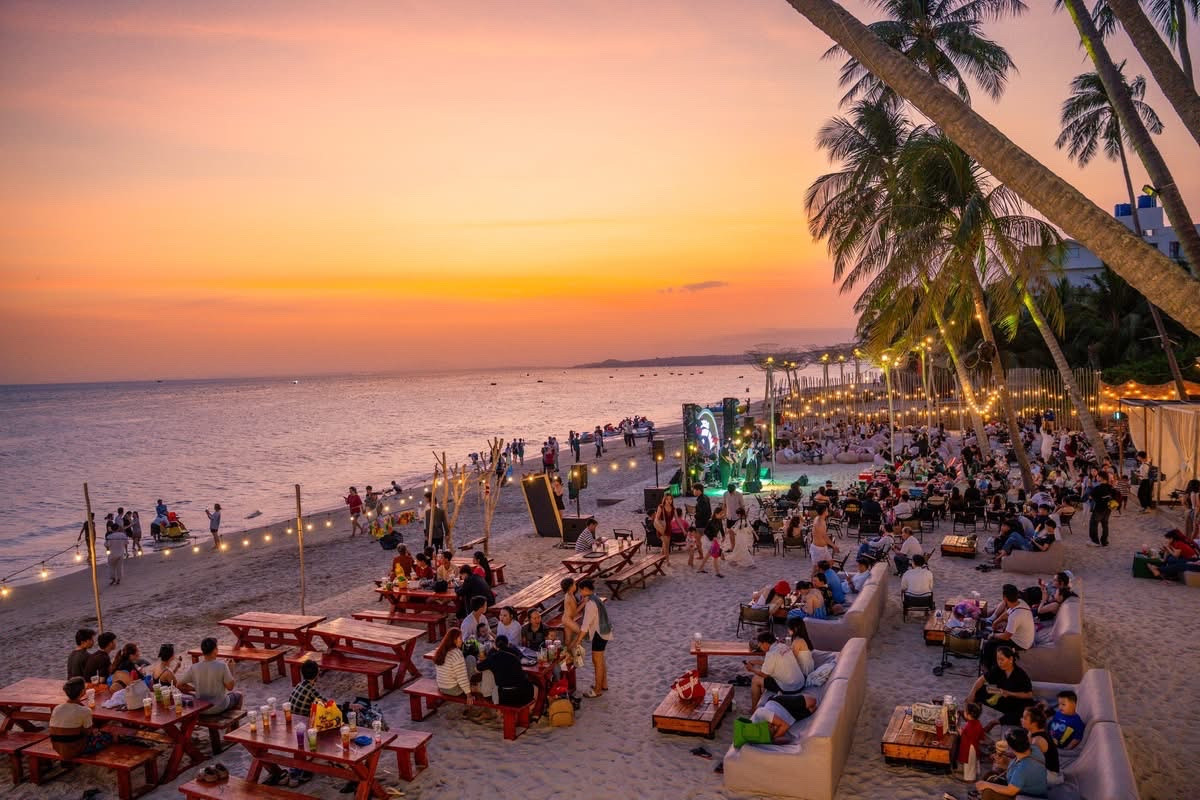
Tourism continues strong recovery
During a meeting reviewing the implementation of the master plan for the first six months of the year, Nguyen Hai Dang, Vice Chairman of the Mui Ne Ward People's Committee, said tourism has maintained a strong recovery and positive growth momentum.
Accommodation providers and tourism businesses have actively upgraded their facilities, improved service quality, diversified tourism products, and gradually enhanced their competitiveness.
More than 1.1 million overnight visitors were recorded during the first half of the year, with international arrivals increasing significantly compared to the same period last year. The growth has boosted trade and services, created jobs, improved local incomes, and contributed substantially to the area's socio-economic development.
Meanwhile, the tourism environment has continued to improve through regular urban beautification, environmental sanitation, waste collection, and landscape maintenance at major tourist attractions.
However, local authorities acknowledged that several challenges remain. A number of tourism investment projects have progressed slowly, while transport infrastructure, parking facilities, public restrooms, rest stops, and tourist signage remain inadequate to meet the needs of a growing number of visitors.
Tackling overcharging at Mui Ne Fishing Village
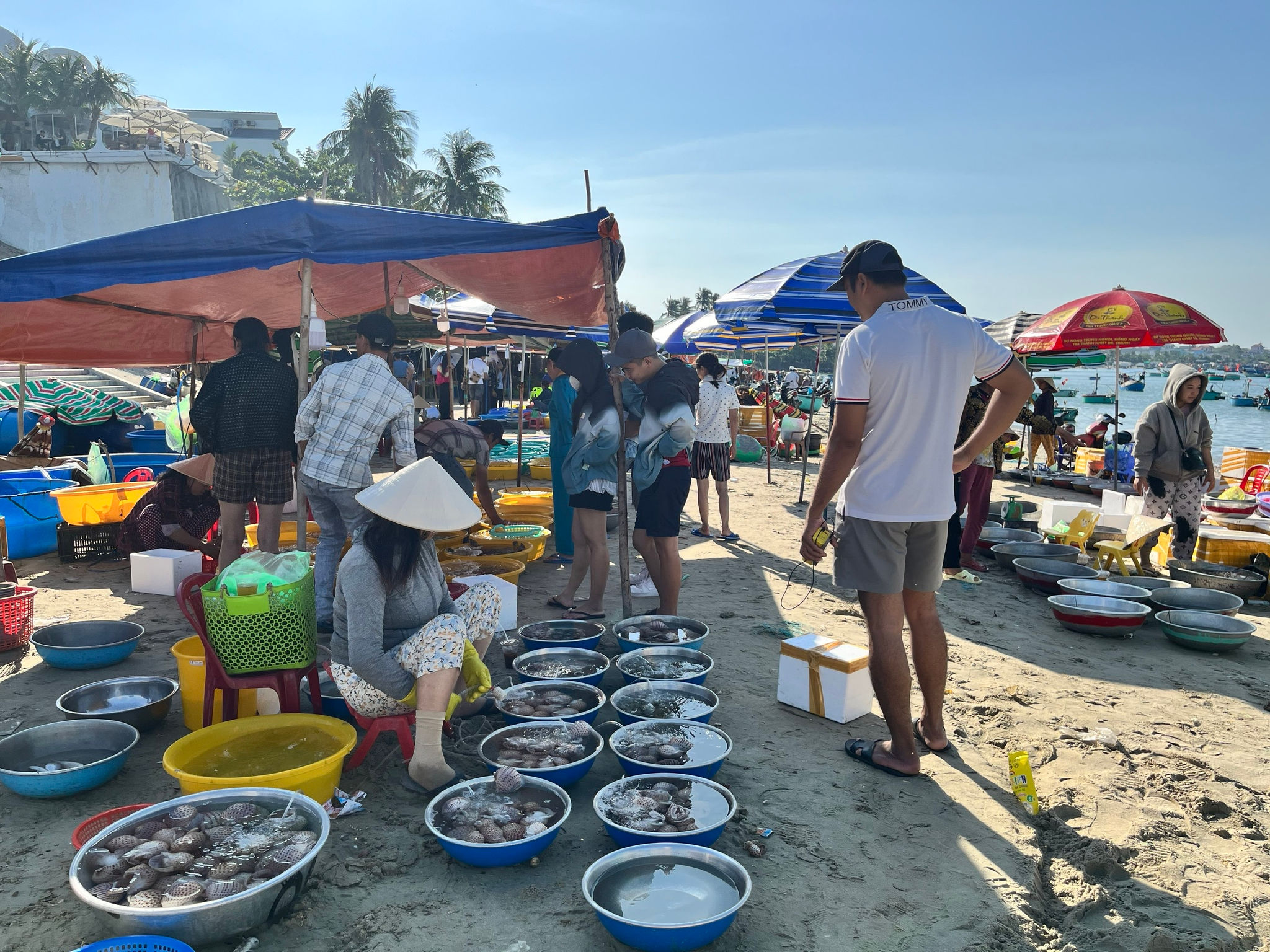
Participants at the meeting discussed measures to eliminate recurring problems such as overcharging tourist, seafood fraud, and dishonest weighing practices at Mui Ne Fishing Village.
Authorities emphasized the need to improve the overall tourism environment, strengthen oversight of tourism businesses, promote destination marketing, and enhance regional tourism cooperation.
Following complaints from visitors regarding seafood scams at the fishing village, the Mui Ne Ward People's Committee established a Rapid Tourism Response Team and a Community Self-Management Team along the fishing village seawall.
A tourism hotline (0252.3847.847) has also been made public, while the ward police now receive and respond to complaints around the clock, helping build a greener, safer, more civilized, and visitor-friendly destination.
Infrastructure and environmental protection take priority
Addressing the issue of marine debris, Tran Van Binh, Vice Chairman of the Lam Dong Tourism Association, proposed allocating dedicated land for collecting ocean waste.
He noted that marine waste—mainly discarded fishing nets, fishing gear, foam buoys, and plastic—contains little organic material and produces minimal odor, making centralized collection practical before treatment or recycling. He also suggested mobilizing social resources and organizing regular coastal clean-up campaigns.

Meeting participants stressed that if Mui Ne National Tourist Area is to become an internationally recognized destination, improving transport infrastructure must remain a top priority.
Mui Ne Ward was urged to accelerate construction of the Nguyen Dinh Chieu–Huynh Thuc Khang Road, the area's key tourism access route, while focusing investment on the tourism core zone to further enhance service quality.
At the meeting, Vo Thanh Huy, Deputy Director of the Lam Dong Department of Culture, Sports and Tourism, requested all communes and wards within the national tourist area to proactively develop investment plans aligned with public investment programs.
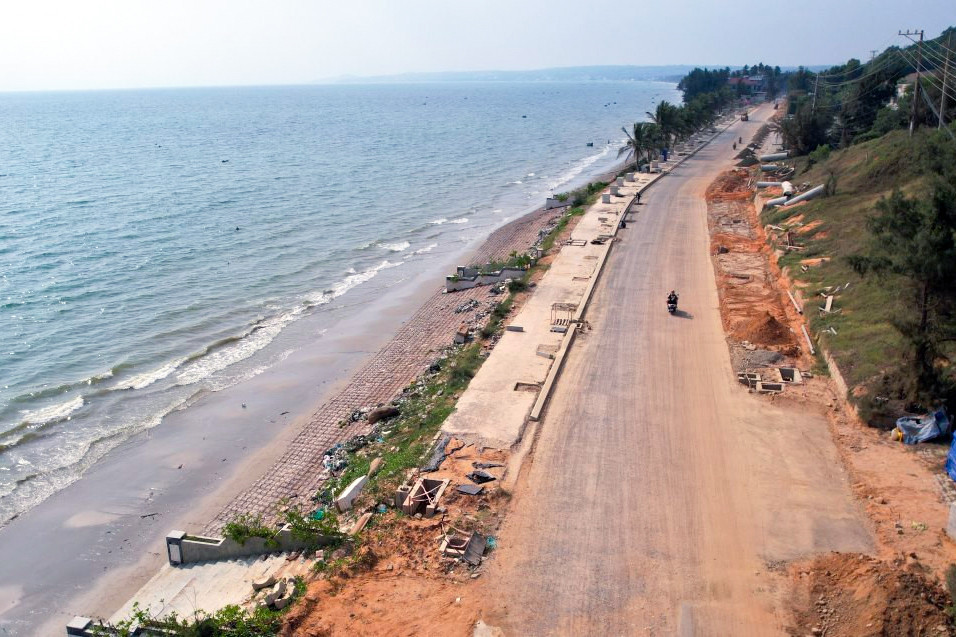
Mui Ne Ward was specifically instructed to complete land clearance for the Huynh Thuc Khang–Nguyen Dinh Chieu Road Project as early as possible to improve accessibility and enhance the tourism landscape.
He also called on the Lam Dong Tourism Association to work closely with the four local communes and wards within the tourism zone and clearly assign responsibilities for addressing environmental issues, pricing transparency, public security, and destination management—particularly around Mui Ne Fishing Village.
Relevant agencies were further instructed to respond promptly and effectively to visitor feedback.
The department will also propose that the provincial government prioritize public investment funding and mobilize additional legal resources for strategic tourism projects while ensuring sufficient annual funding for marine environmental protection, waste collection, and coastal erosion prevention.
When receiving feedback from visitors, tourism management authorities and tourism businesses should do more than simply apologize and acknowledge the issue. They must have the ability to resolve problems promptly. If visitors do not receive timely and satisfactory responses, they will lose confidence. Next time, instead of reporting issues through the official hotline, they are likely to share their experiences on social media, which could seriously damage the image of Mui Ne as a destination and of Lam Dong Province as a whole.
Tran Van Binh, Vice Chairman of the Lam Dong Tourism Association