


Mui Ne locals harvest Pacific oysters at low tide
Amid the jagged rocks exposed at low tide, the sight of locals carefully harvesting Pacific oysters is more than a source of livelihood. It has become a distinctive feature of the Mui Ne coast in Lam Dong Province, attracting the attention of tourists.
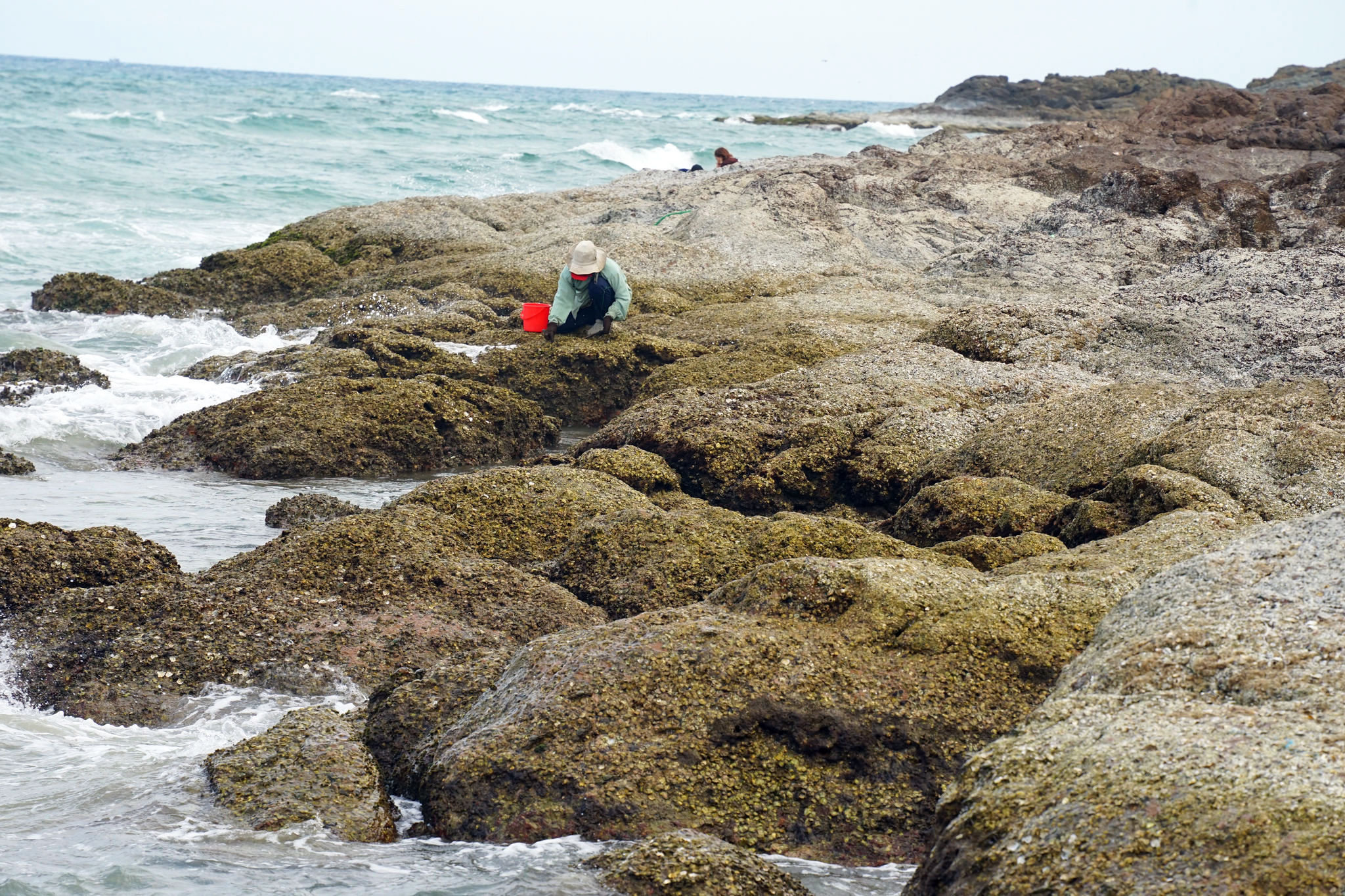
In addition to its scenic appeal, the Eo Gio Bridge area and the rocky outcrops surrounding Mieu Ba Vang in Mui Ne Ward provide a livelihood for many local fishermen.
Each afternoon, as the tide recedes, dozens of people move across the rocky shoreline, carefully prying oysters from the exposed reefs. The Pacific oysters harvested here are then supplied to restaurants and eateries in tourist areas.
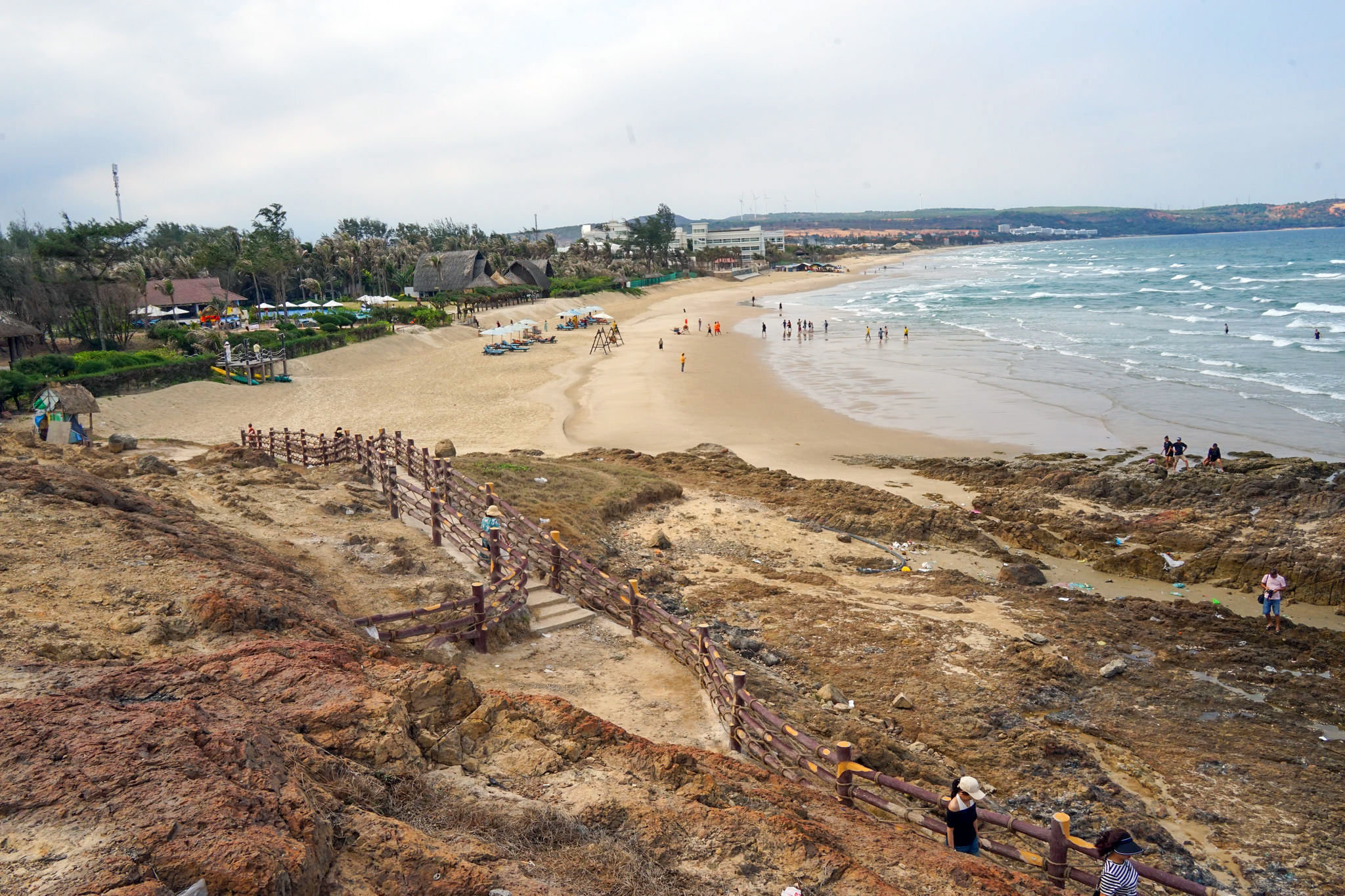
Locals use small iron spikes, chisels and hammers to harvest Pacific oysters. With these tools, they pry open the hard shells firmly attached to the rocks, extract the oyster meat, and place it in small buckets filled with seawater to keep it fresh.
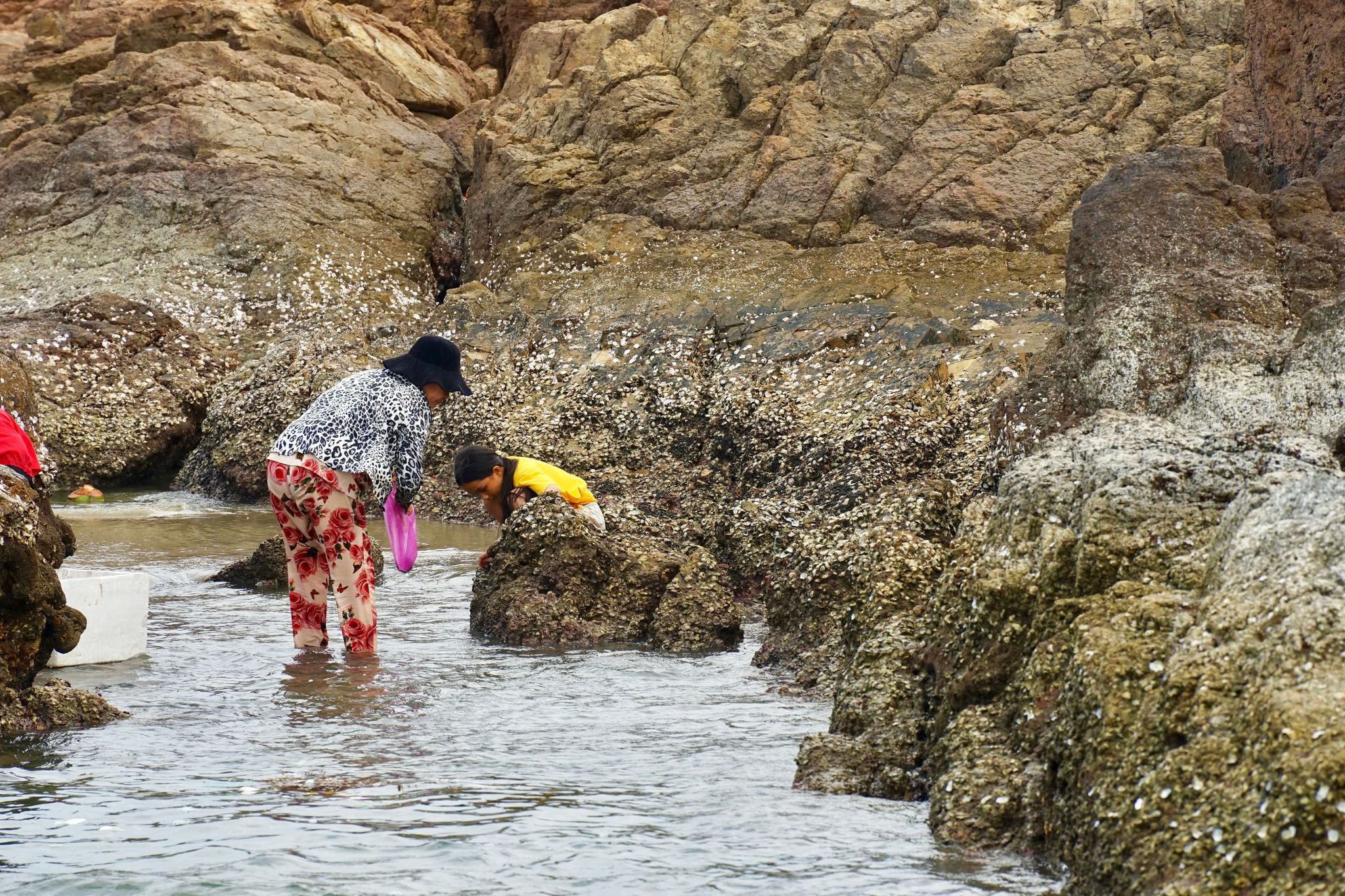
Harvesting Pacific oysters is a long-standing livelihood for coastal residents and requires considerable experience. Fishermen must identify live oysters with tightly closed shells, then gently strike the upper shell to reveal the milky-white flesh inside.
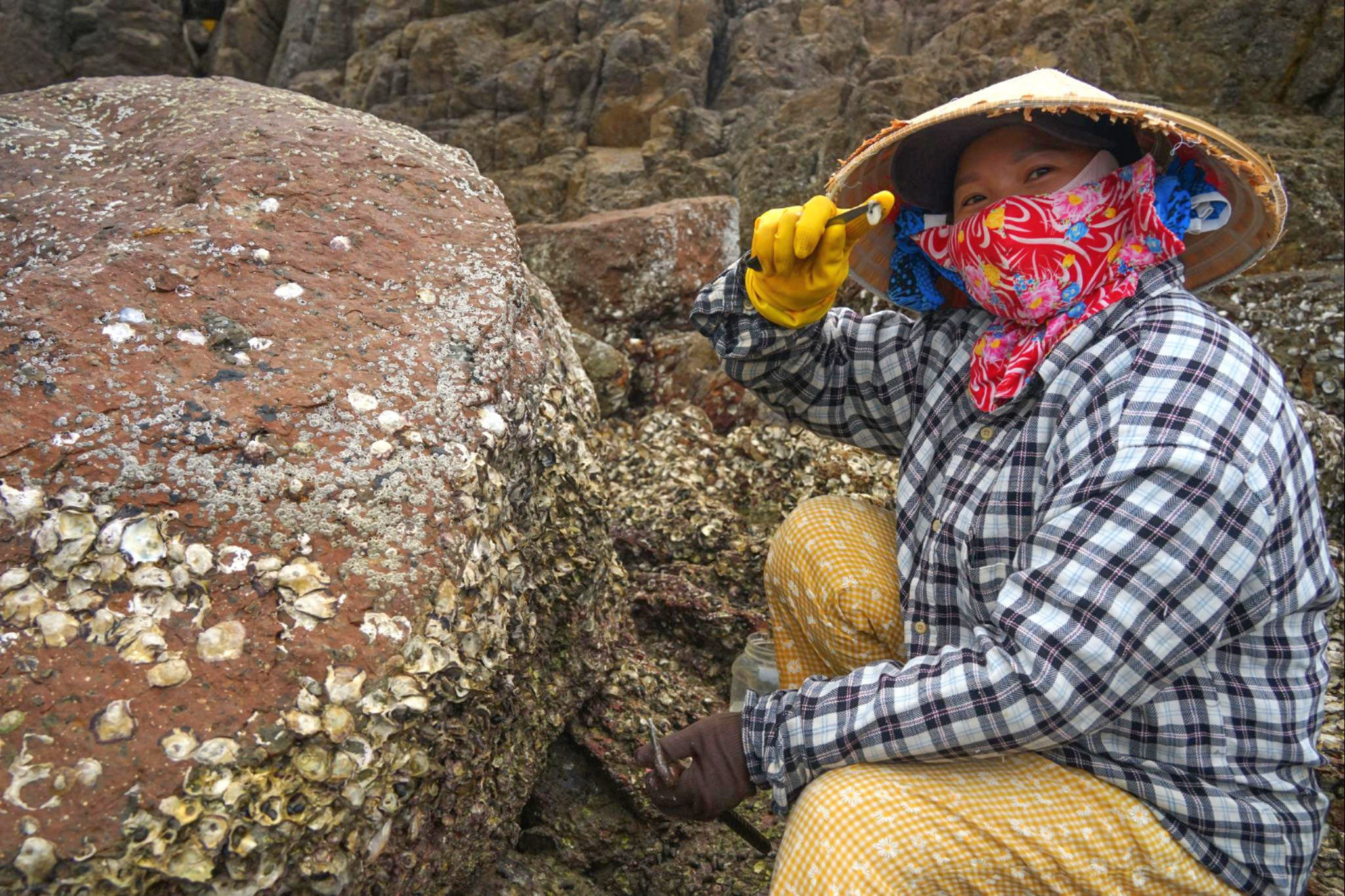
Bui Thi Be Hao, a resident of Residential Quarter 15, Mui Ne Ward, said: “This work is all about experience. You have to know how to strike gently yet decisively to separate the oyster shell from the rock without crushing the meat. A good oyster has milky-white flesh and a rich flavor.”
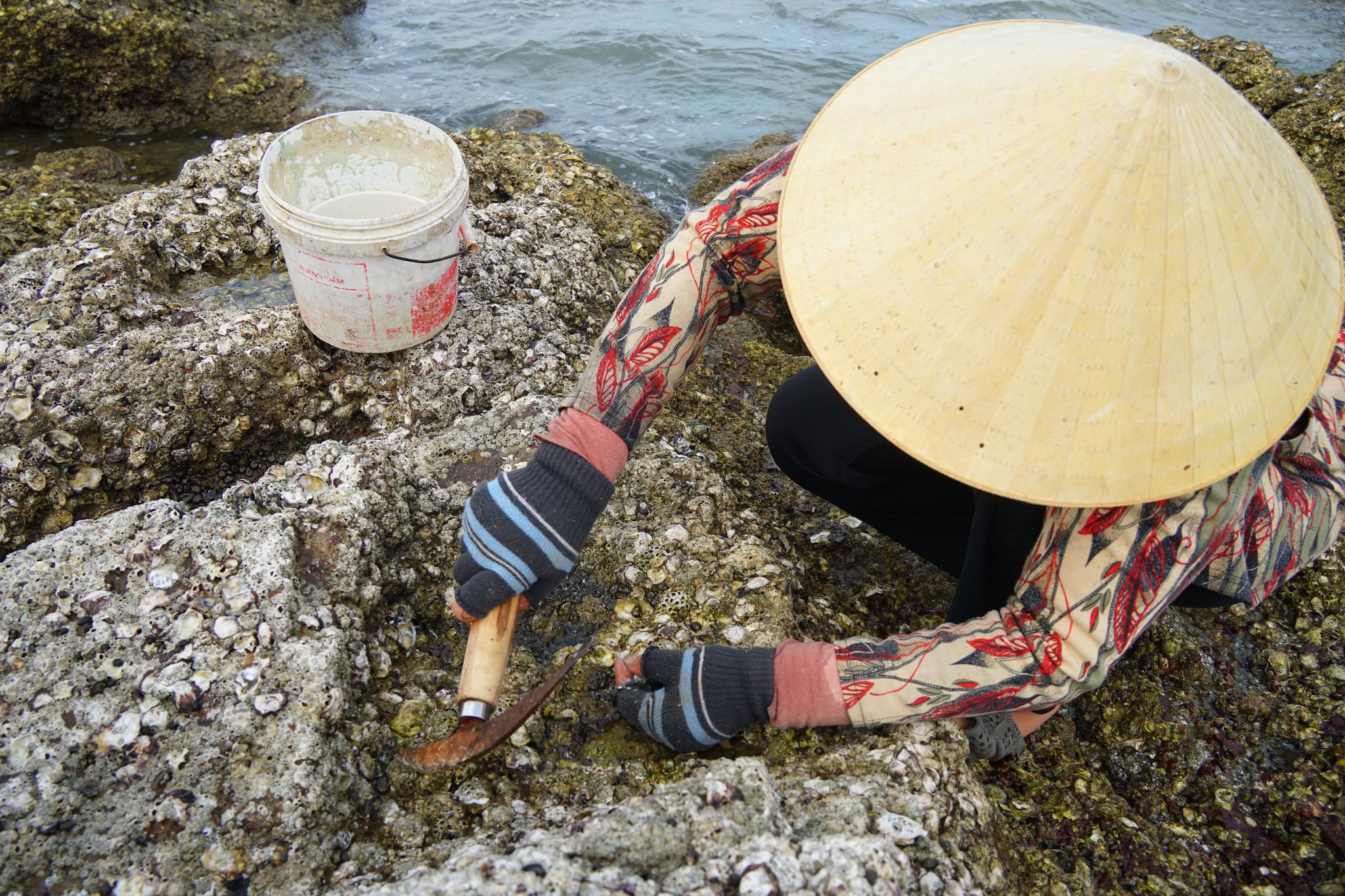
Pacific oysters currently sell for about VND 200,000 per kilogram. Known for their high nutritional value, they are often prepared in nutritious dishes such as oyster porridge and oysters in egg sauce, both popular among diners.
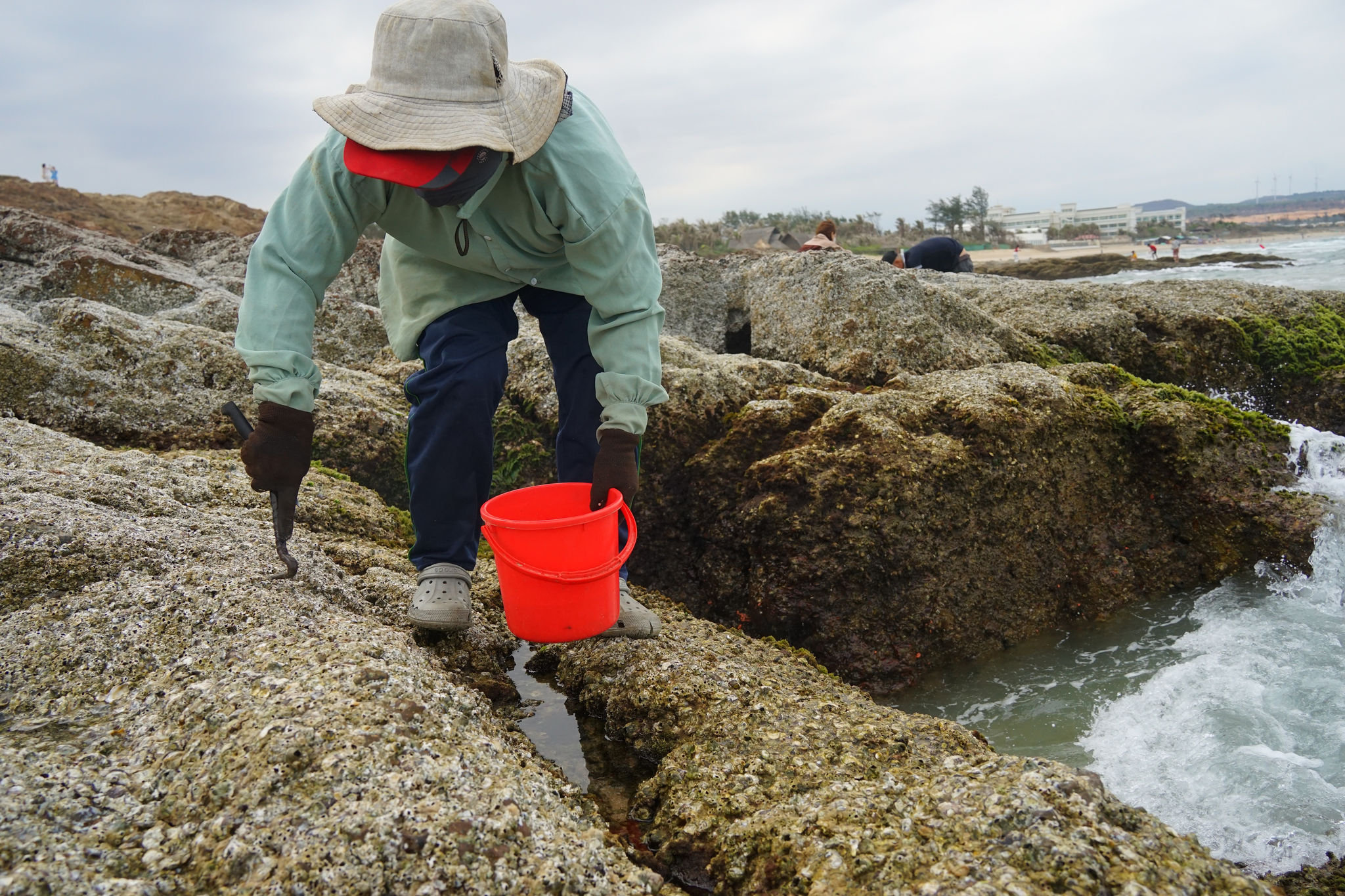
According to local residents, oyster harvesting is not highly dependent on weather conditions. It can be carried out whenever the tide recedes, whether in the early morning, late afternoon or even at night.
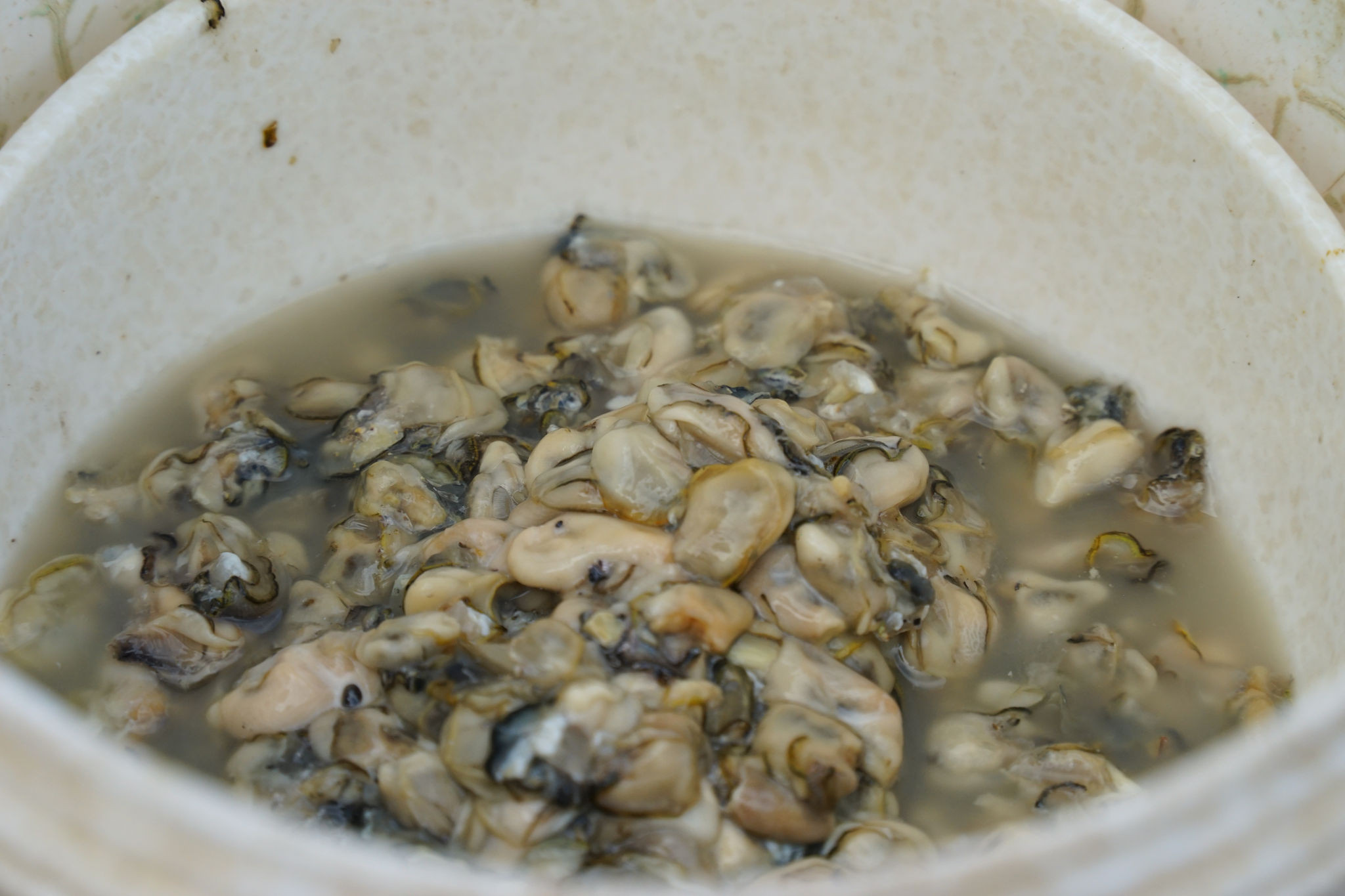
“On some nights, I have to wear a headlamp. On a good day, I can harvest 2 to 3 kilograms,” said Nguyen Thi Hai, a resident of Residential Quarter 12, Mui Ne Ward.
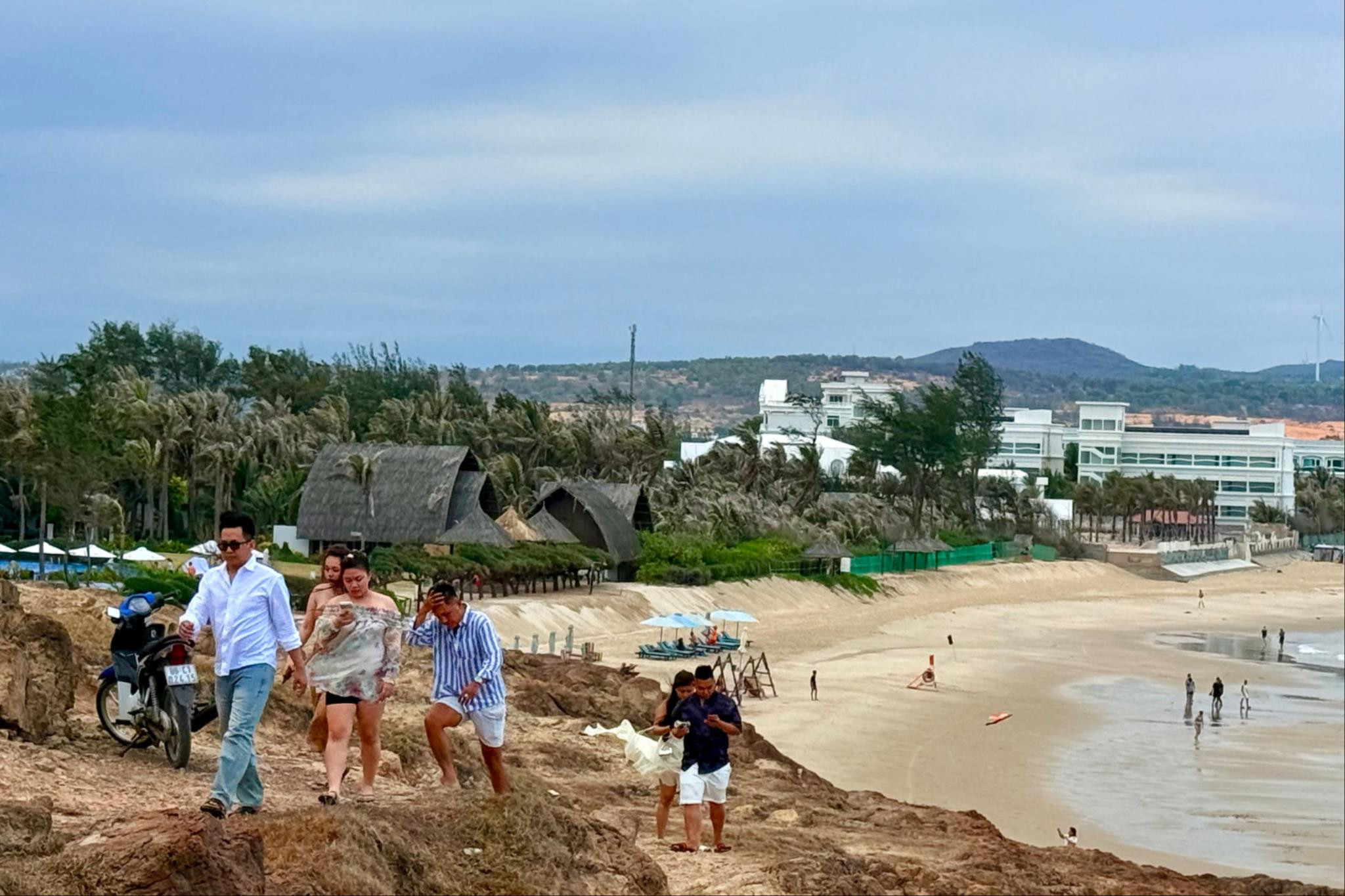
Although harvesting Pacific oysters is a physically demanding livelihood that requires people to climb over jagged reefs and squeeze through rocky crevices, this daily coastal routine has become a unique attraction for tourists. Many visitors enjoy following local fishermen to learn how oysters are pried from the rocks, chat with them and experience coastal life firsthand. “This is a beautiful beach, and we were also able to watch local fishermen working on the rocky outcrops, which was very interesting. They are so hardworking and cheerful,” Doan Ngoc Sang, a tourist from Ho Chi Minh City.
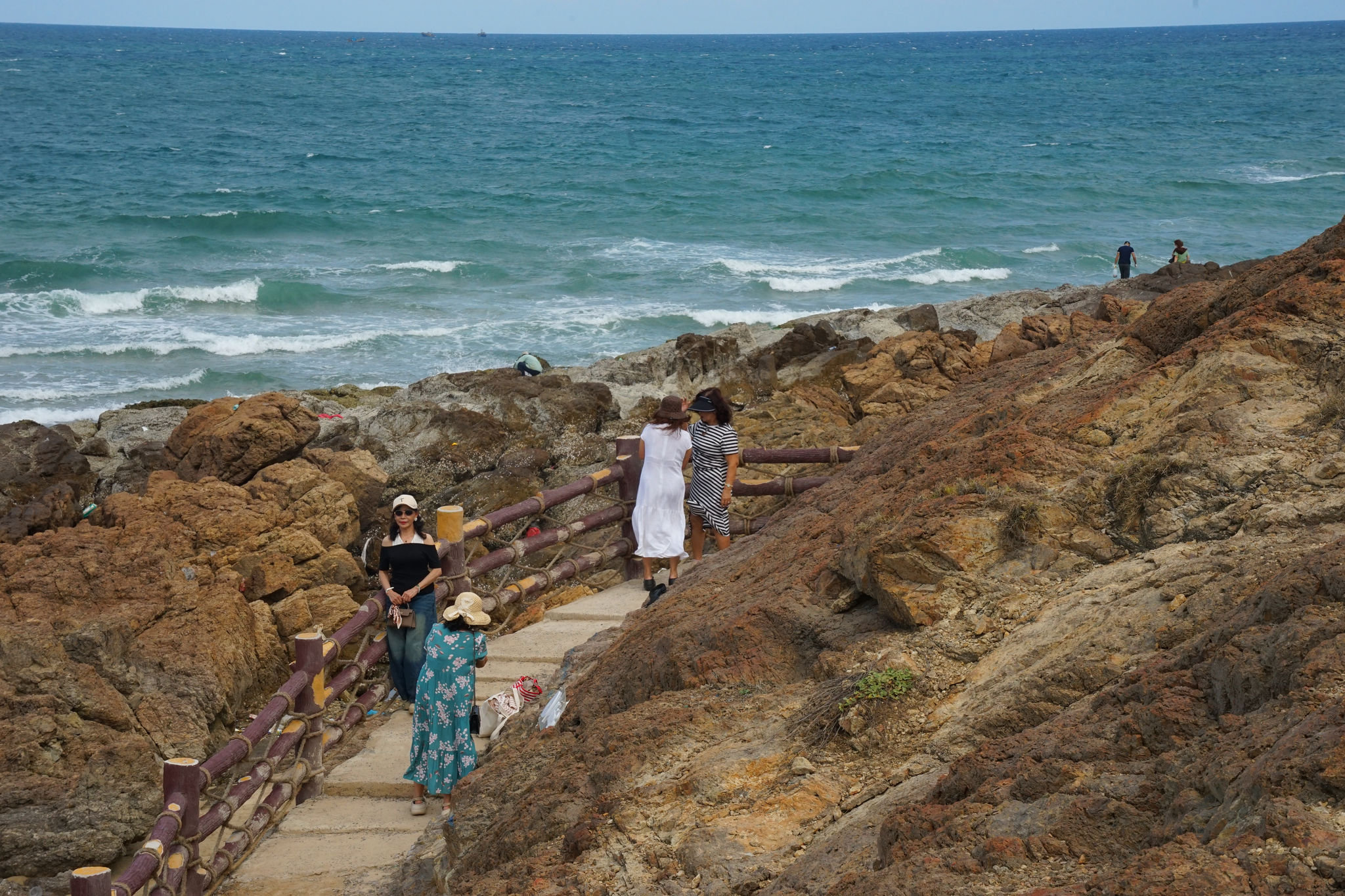
Amid the ebb and flow of the tide, Pacific oyster harvesting remains a vital livelihood for coastal residents while offering visitors a distinctive experience along the Mui Ne coast.