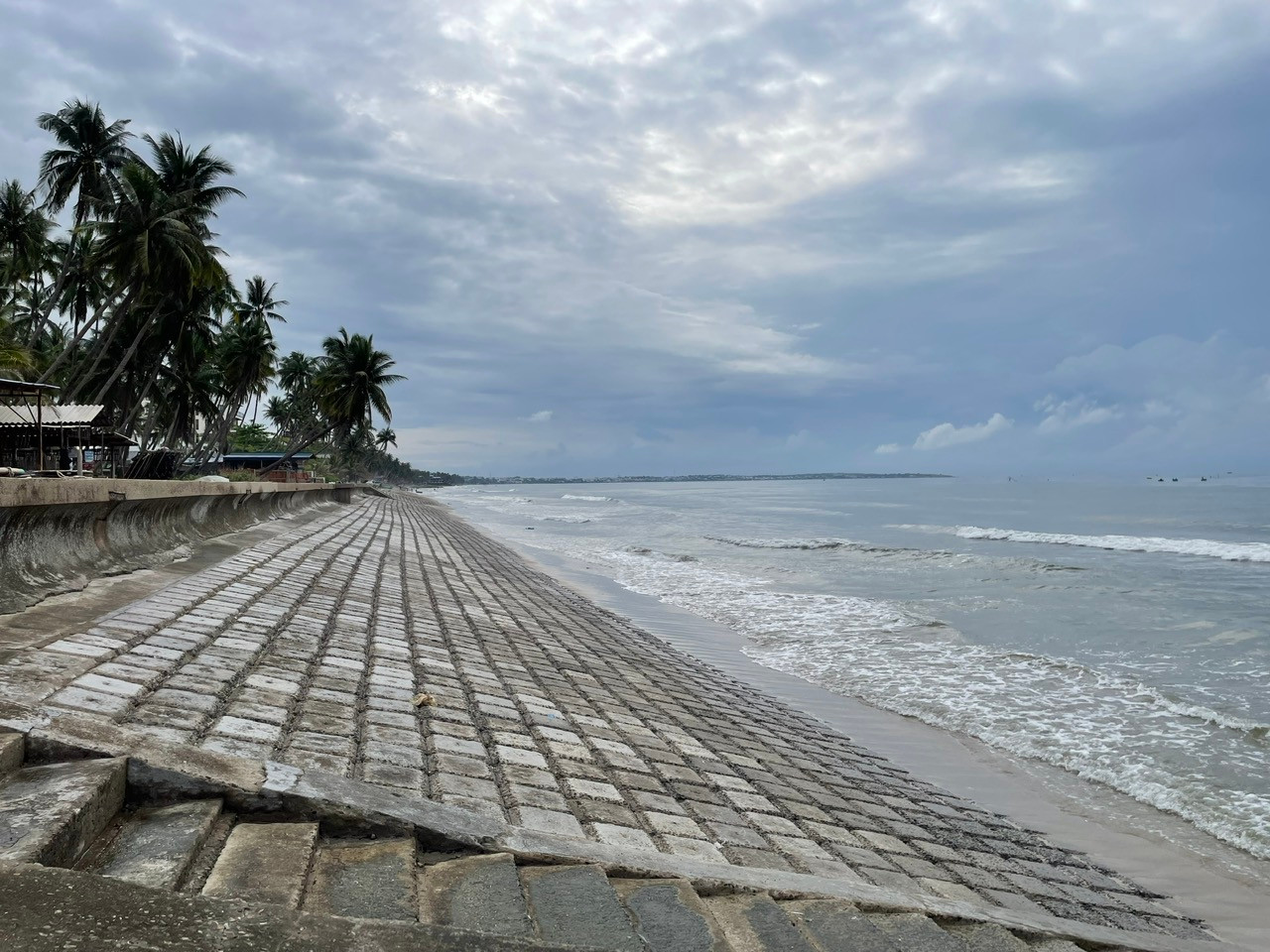


Mui Ne Marine Litter: Beyond Cleaning the Shore
From Mui Ne, experiences across Southeast Asia suggest that marine litter management is gradually moving beyond simply cleaning up what has already arrived on shore. The focus is increasingly shifting toward identifying sources, tracking waste movement, forecasting when and where litter is likely to accumulate, and organizing management by specific areas.
When the sea brings waste back to shore
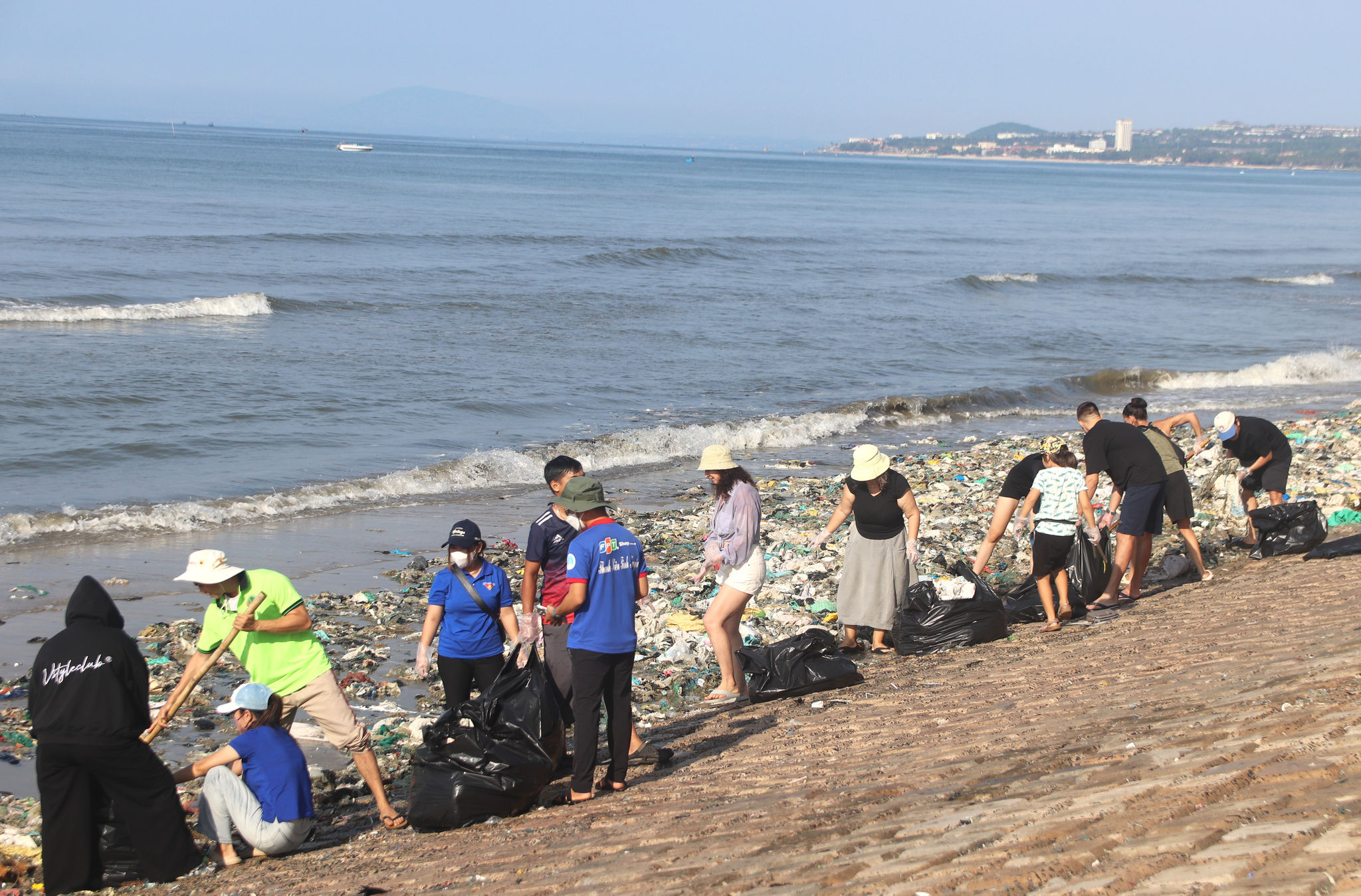
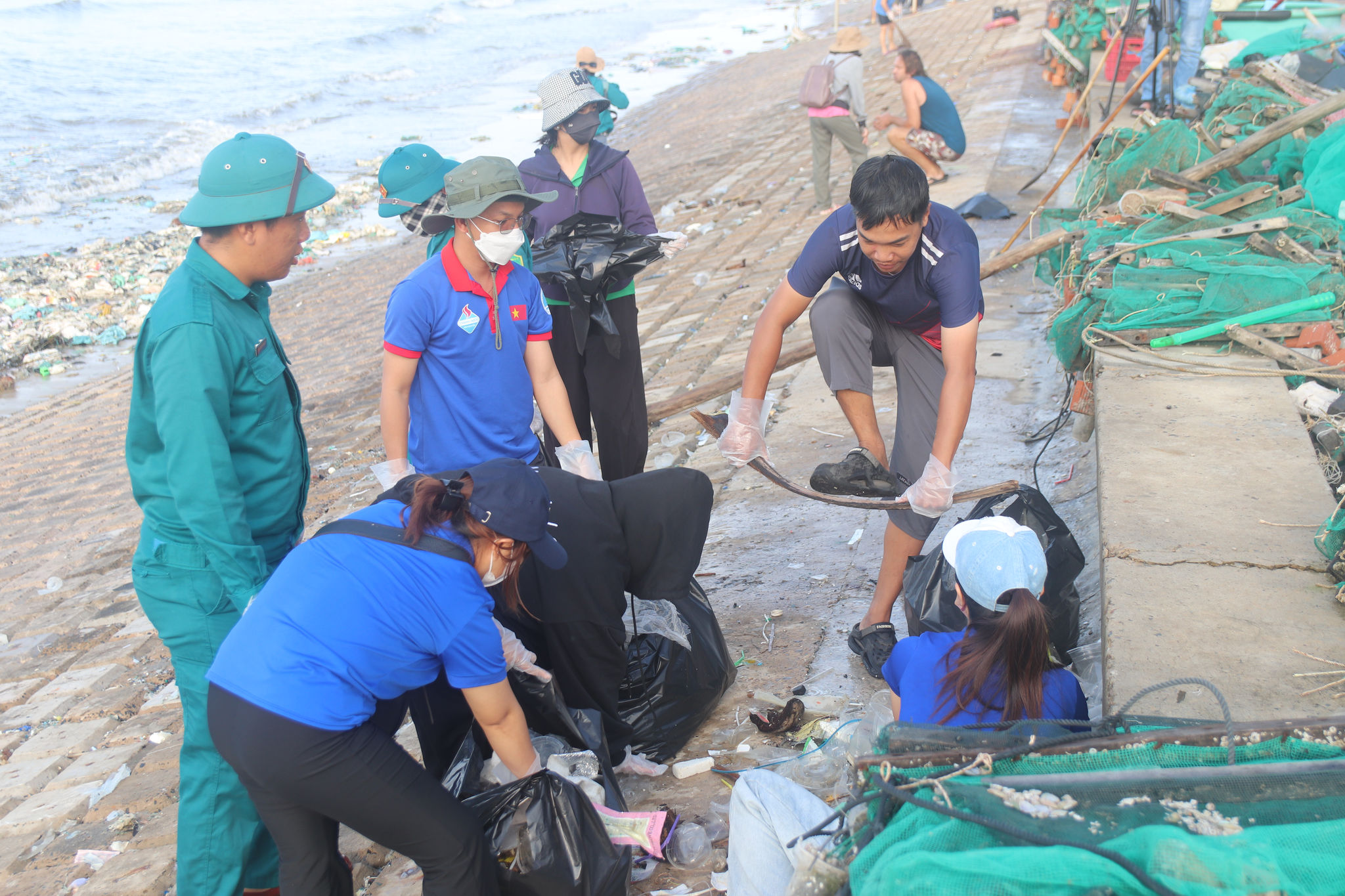
On the morning of September 19, cleanup operations were carried out along the embankment in residential group 8 of Mui Ne Ward.
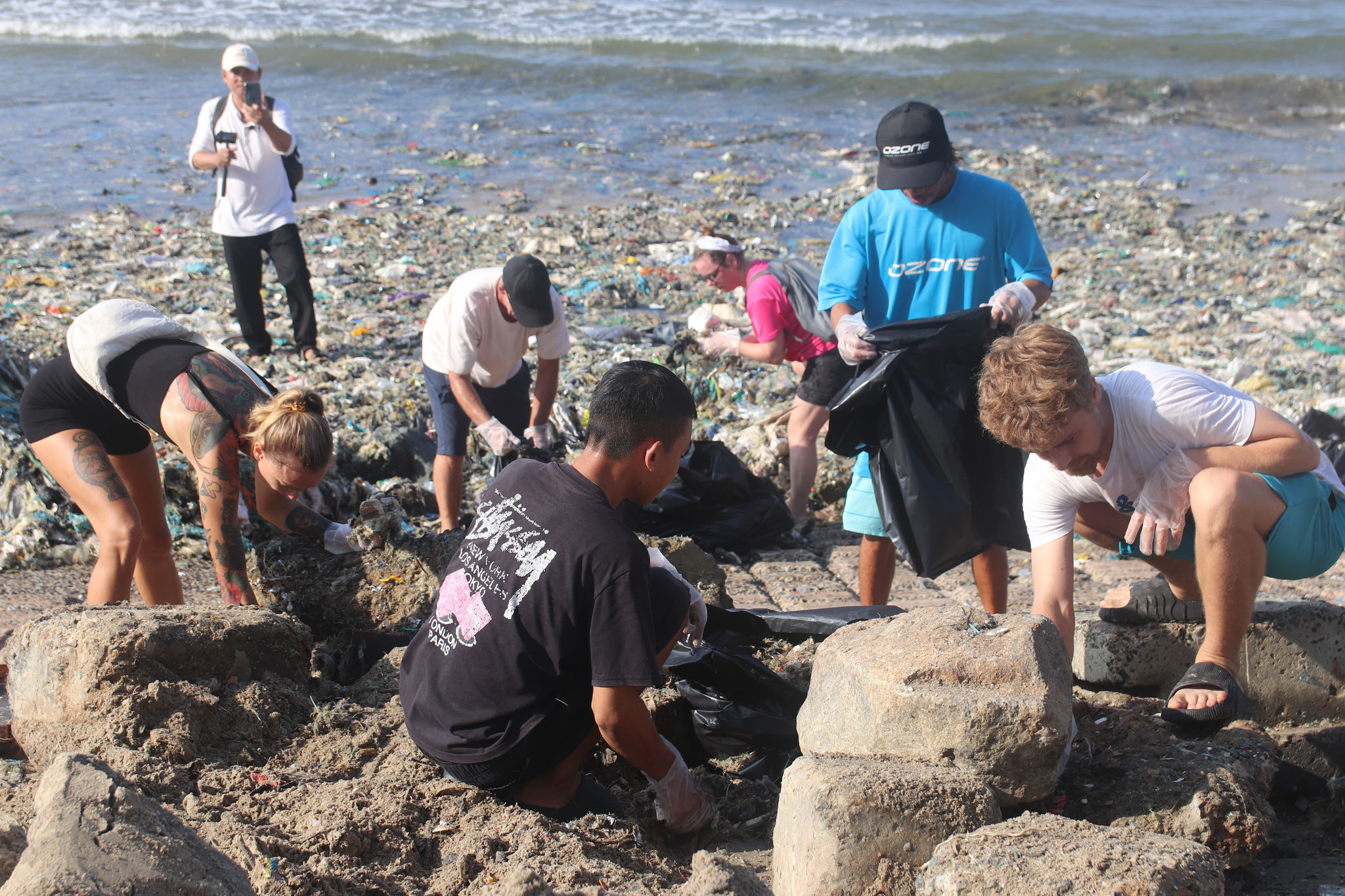
Border guards, militia members, residents, women's groups and visitors worked together to collect fishing nets, torn sacks, foam boxes, plastic bottles and household waste washed ashore by the waves.
This was not the first cleanup campaign in Mui Ne. What concerns those directly involved in beach sanitation is that after an area is cleared, changing winds and currents can quickly bring new waste back.
According to local observations, marine litter commonly accumulates along Mui Ne's beaches during the southern monsoon season, roughly from June to October.
Waste carried by currents can converge on beaches around the bay and accumulate in large patches. At present, much of the collection work remains manual, meaning that during periods of heavy influx, local crews can struggle to keep pace.
The problem has been documented for years. During the southern monsoon season, coastal areas in Eastern Lam Dong face recurring waves of marine litter, including beaches near accommodation facilities and tourism services.
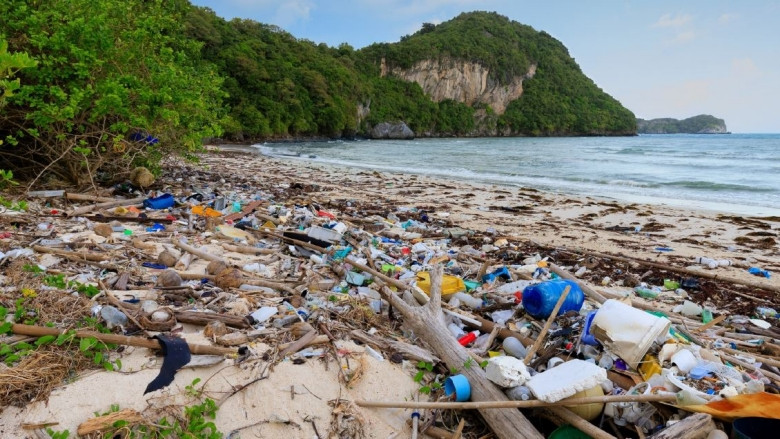
The waste is not limited to plastic bags and bottles. Fishing nets, sacks, foam materials and items associated with fishing and aquaculture activities are also commonly found.
The difficulty is that marine litter rarely has a single identifiable source.
A plastic bottle discarded in one location can enter the sea through waterways and appear days later on a beach far from where it originated. A damaged fishing net may come from offshore fishing activities. Other waste can reach the sea from land through rivers, canals and drainage systems.
Looking only at the pile of waste on the beach can therefore overlook the journey that brought it there.
One cleanup cannot stop a stream of waste
For people working in Mui Ne's tourism sector, a litter-covered beach is not simply an environmental problem. It immediately affects livelihoods, the destination's image and visitors' experiences.
Businesses operating along the coast may have to hire workers to collect waste, while local authorities mobilize multiple forces to deal with major accumulations.
The situation creates a paradox: the more people participate in beach cleanups, the faster the beach becomes clean. But if the causes of recurring litter are not identified, the same work can continue almost indefinitely.
That is why cleanup remains necessary—but it should not be the end point.
One useful example comes from Singapore.
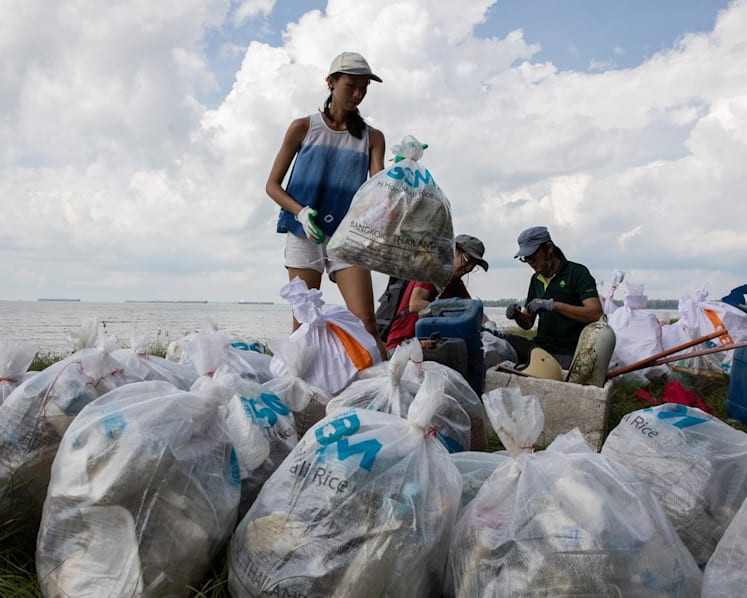
In 2021, Singapore's National Environment Agency (NEA) conducted a study of plastic litter and microplastics across 16 rivers, eight reservoirs, nine marine sites and seven recreational beaches.
Sampling was carried out monthly for one year, combining litter data with meteorological information to model how plastic waste moves through the environment.
The study found that most plastic litter on Singapore's recreational beaches originated from the sea, including sources associated with vessels and transboundary movement, while inland waterways contributed a much smaller share.
More importantly, Singapore used the findings to adjust management practices.
The data showed that the amount of litter washing ashore varied with monsoon patterns. Northern beaches experienced significantly higher litter levels during the Northeast Monsoon and certain transition periods than during the Southwest Monsoon, while the opposite pattern occurred on southern beaches.
Cleaning frequency was therefore adjusted seasonally, increasing from four times a week to twice a day in areas requiring more intensive intervention.
The operational change may appear small, but it represents a significant shift in management thinking: instead of waiting for waste to appear before deploying resources, authorities use data to anticipate when greater resources will be needed.
Looking from the sea to the shore—and back
Indonesia is pursuing another notable approach.
In 2025, Indonesia's Ministry of Marine Affairs and Fisheries launched the Laut Sehat Bebas Sampah program, known as Laut Sebasah, or “Healthy, Litter-Free Sea.”
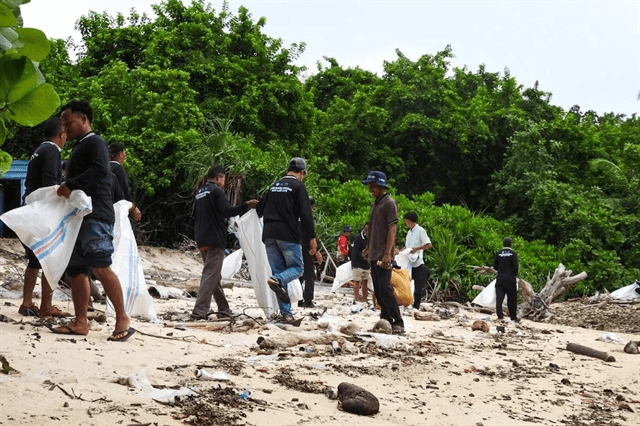
The program emphasizes that marine litter cannot be addressed separately by individual sectors. It requires coordination among central government agencies, local authorities, communities and the private sector.
The approach links management from upstream to downstream, covering rivers, coastal areas, small islands, ports and activities at sea.
Importantly, Indonesia's program does not focus only on collecting waste that has already entered the ocean.
It also seeks to prevent waste from reaching the sea at high-risk points. Communities are encouraged to identify, report and participate in dealing with waste in rivers, coastal areas, small islands and ports.
This shifts communities from being participants in occasional cleanup campaigns to becoming part of a broader marine-litter monitoring and prevention system.
For Mui Ne, this approach is particularly relevant.
If some waste is carried from the sea to the shore, beach collection is unavoidable. But if other waste originates from land-based activities, tourism services, residential areas, drainage systems, vessels or fishing, those sources need to be addressed directly.
Different types of waste cannot be managed through a single approach.
Waste recorded along Mui Ne's shoreline includes damaged nets, sacks, foam boxes, plastic bottles and household waste.
This diversity suggests that sorting waste after each cleanup could provide information beyond total volume. Every fishing net, piece of foam or type of packaging can potentially provide a clue to its source.
Thailand: Tracing Waste Flows Instead of Only Cleaning Beaches
In Thailand, the marine-litter challenge is increasingly being viewed beyond the shoreline. A World Bank study on plastic waste flows in Thailand found that although municipal waste collection and recycling systems have achieved relatively high coverage, significant amounts of plastic waste remain inadequately managed and can reach the sea through rivers, canals and drainage systems.
Instead of focusing only on collecting waste after it reaches the beach, the study recommends identifying high-risk watersheds, controlling waste at points where it enters rivers, strengthening river-based collection and improving waste management in areas where waste is generated.
This approach is complemented by management models at coastal tourism destinations. In 2024, the Thai government launched “Phuket Sandbox” as a pilot model for reducing marine litter and protecting beaches. It was later used to select 72 beaches in six coastal provinces where relevant practices could be applied.
The model calls for the participation of coastal businesses, encourages reductions in single-use plastics and the use of environmentally friendly packaging, and mobilizes local communities to help maintain clean beaches.
From inland areas to river mouths, and from beaches to coastal businesses, Thailand is therefore developing a multi-layered approach to marine litter. What may be most relevant for Mui Ne is not copying any particular model, but understanding where waste begins, how it moves, and where intervention is possible before it becomes a burden on the beach.
Making beach cleanup more than a campaign
The Philippines takes the issue a step further.
In 2021, the Philippine Department of Environment and Natural Resources issued the National Plan of Action for the Prevention, Reduction and Management of Marine Litter (NPOA-ML), with the overarching goal of “Zero Waste to Philippine Waters by 2040.”
The plan serves as a national framework linking marine-litter management with solid-waste management, waste reduction, reuse, recycling and the responsibilities of local authorities.

The key point is that marine litter is not treated as an environmental campaign conducted for only a few days each year.
It is incorporated into the wider waste-management system.
If waste continues to be generated while collection, sorting and treatment systems on land remain inadequate, the sea can continue to become the final destination for discarded materials.
For Mui Ne, this raises a question that goes beyond the teams responsible for environmental sanitation:
How can the amount of waste that needs to be collected from the beach decrease with each monsoon season?
The answer does not lie in abandoning cleanup campaigns.
Instead, cleanups should continue—but each operation should leave behind more than bags of collected waste.
It can also produce data, images, information about waste composition, accumulation points and possible sources.
With such information, authorities can adjust cleanup frequency, identify priority areas and choose appropriate preventive measures.

From cleaning beaches to proactive management
Mui Ne has no shortage of people willing to pick up a plastic bag or pull a fishing net from the sand and put it into a waste container.
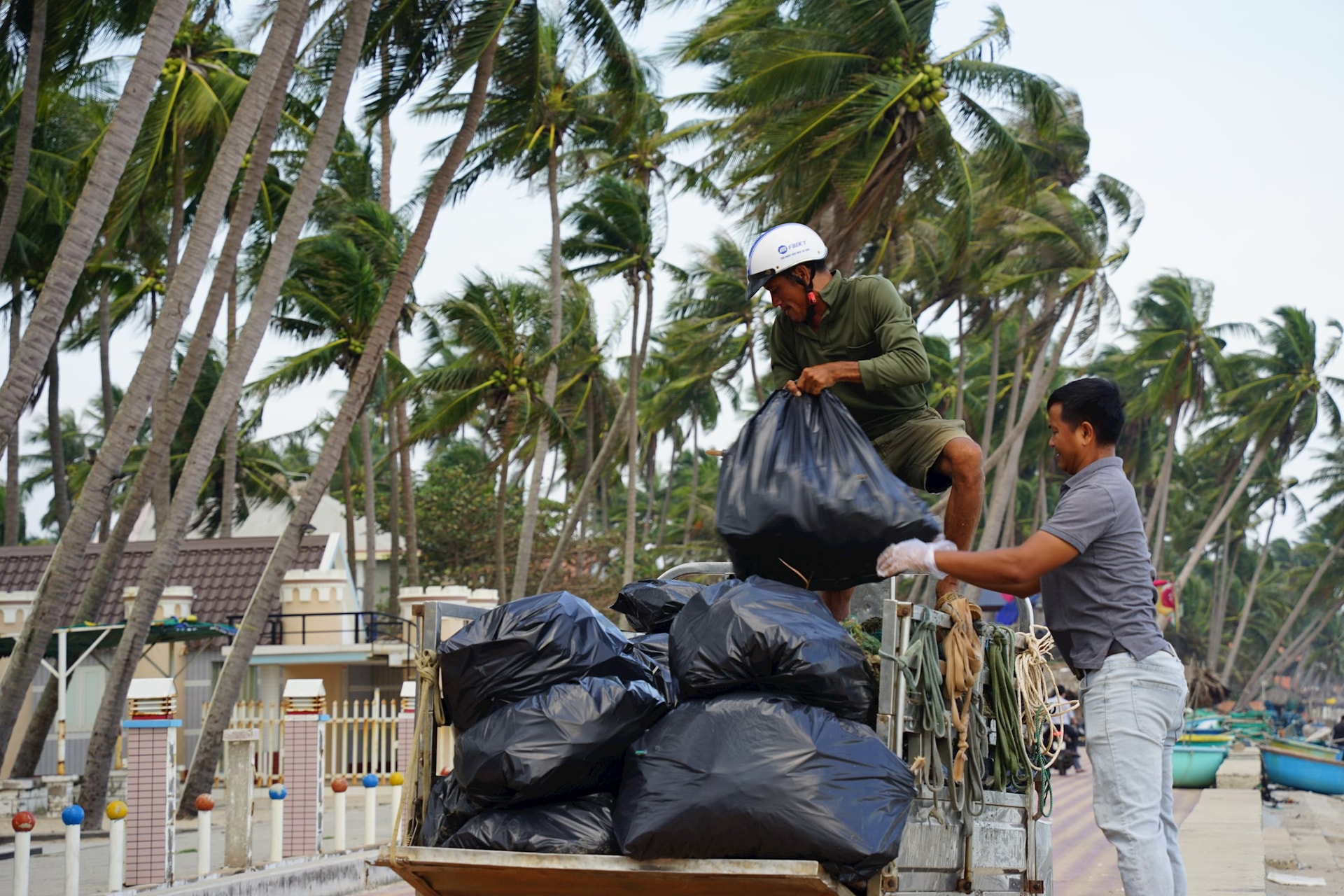
In recent days, images of officials, soldiers, residents, youth union members and visitors working together to clean the shoreline have demonstrated the strength of community participation.
But these people cannot be expected to repeat the same work every year, at increasing intensity, if the flow of waste continues to return.
What Mui Ne needs, therefore, is not simply more people collecting waste. It needs to know when more people are needed, where they are needed and why particular areas repeatedly accumulate waste.
That is where data becomes a management tool.
Seasonal winds can be monitored, along with the direction and intensity of waste washing ashore, waste composition, accumulation hotspots and activities on land and at sea.
With sufficient information, local authorities can make more informed decisions about personnel, equipment and cleaning frequency. They can also have a stronger basis for working with groups and activities that may generate waste, from coastal businesses and residential communities to fishing operations.
Singapore demonstrates how weather data can help adjust cleaning operations seasonally.
Indonesia shows the importance of connecting management across rivers, coastal areas, small islands, ports and activities at sea.
Thailand is looking beyond beach cleanup by tracing how plastic waste moves from land-based sources through rivers, canals and drainage systems to the sea, while also involving coastal businesses and communities in prevention and beach management. The Philippines has incorporated marine litter into a long-term national action framework.
These models cannot simply be copied in Mui Ne. But they share one lesson: keeping the sea clean over the long term requires managing the flow of waste before it becomes waste on the beach.

Mui Ne needs beach cleanups today. But it also needs a management system that ensures people returning to the shore next monsoon season do not have to start from scratch.
Once authorities know when waste arrives, where it accumulates, what it consists of and which sources can potentially be controlled, beach cleaning will no longer be an endless race against new waves of litter.
A clean beach after a single day of cleanup is a positive image.
A clean beach across multiple monsoon seasons is a sign of effective management.