


Mui Ne - Phan Thiet: A New Journey in Coastal Tourism
No longer viewed merely as 'coastal urban areas' defined by administrative boundaries, Mui Ne – Phan Thiet today emerges as a new coastal tourism space, where beaches, fishing villages, tourism routes, and local livelihoods operate in harmony, opening up prospects for regional connectivity and sustainable development.
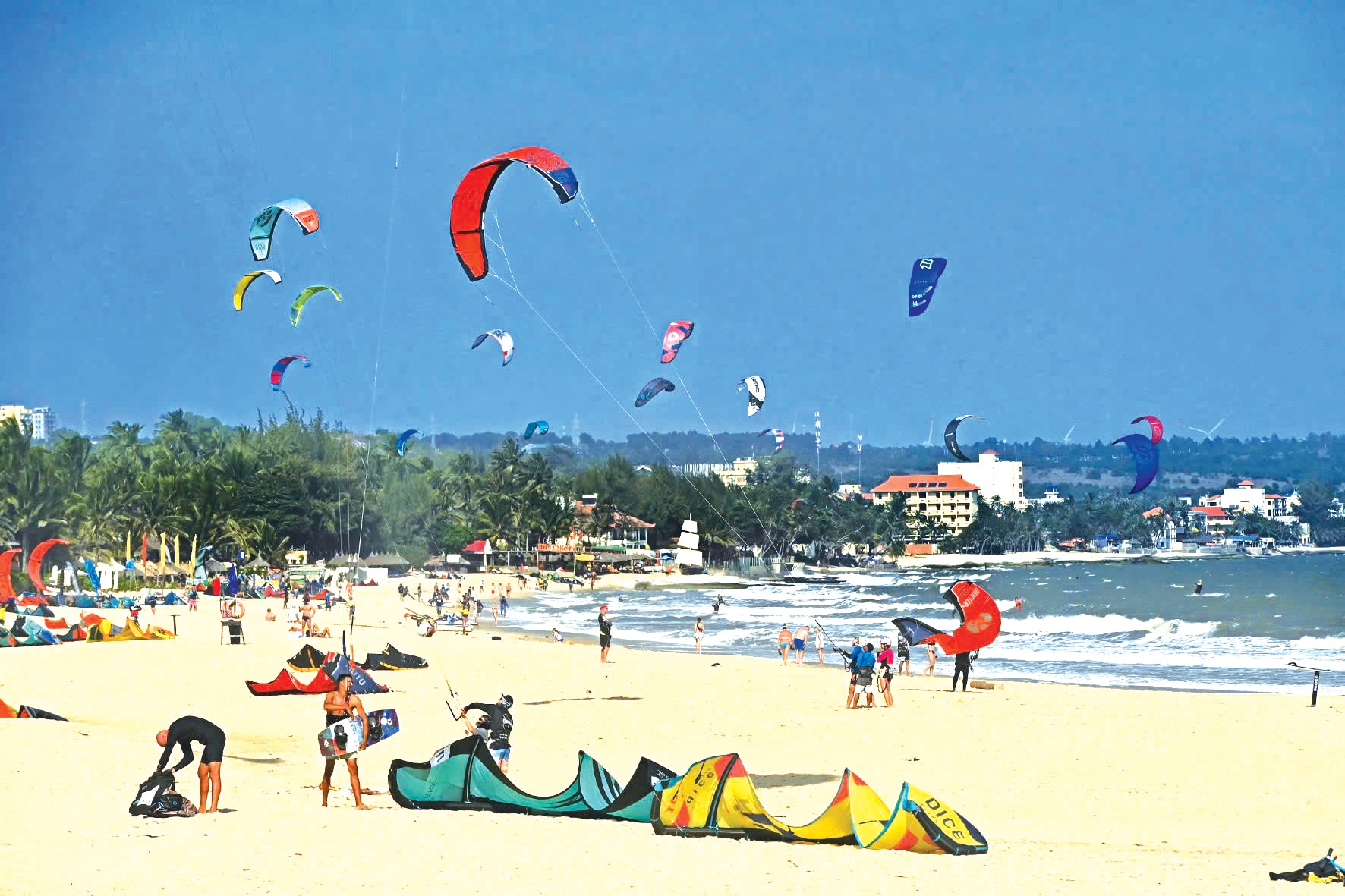
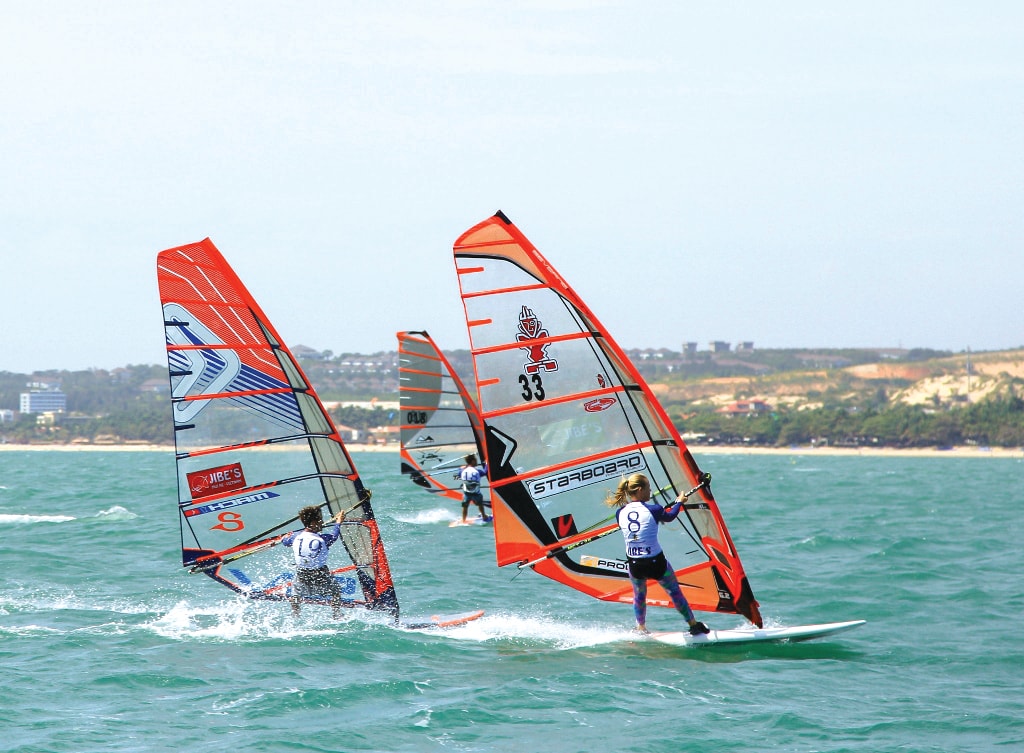
In the early days of the New Year, Mui Ne - Phan Thiet welcomes a large number of international tourists. At Ham Tien and Mui Ne Beach, groups of travelers enjoy walking along the shore, sunbathing, and swimming, while others engage in water sports such as kite surfing and stand-up paddleboarding (SUP). Meanwhile, small seaside eateries carry on with their daily rhythms, becoming busier and livelier during these days.
As Lam Dong Province restructures its development space, Mui Ne – Phan Thiet is positioned as an essential coastal tourism growth hub, complementing Da Lat and neighboring areas with their strengths in highland eco-tourism and resort development.
This direction is being materialized by the People’s Committee of Lam Dong Province through the promulgation of an implementation plan aligned with the Construction Planning of the Mui Ne National Tourism Area through 2040, with a vision to 2050, targeting the development of Mui Ne into a leading destination in the Asia–Pacific region
According to the plan, Mui Ne National Tourism Area covers approximately 14,760 hectares, including Phu Thuy, Mui Ne, Hoa Thang, and Phan Ri Cua. The development space is organized under the model of ‘One Coastal Corridor – Three Centers – Multi-directional Access to the Sea,’ in which the 63-kilometer coastal corridor serves as the central axis linking the entire area.
A key factor in transforming the planning vision into a tangible outcome is strategic investment in transport and technical infrastructure. Lam Dong Province is enhancing collaboration with national authorities to accelerate key national infrastructure initiatives, including the North–South high-speed railway, the expansion of the Vinh Hao – Phan Thiet Expressway, the construction of the Phan Thiet – Bao Loc – Gia Nghia Expressway, and the expansion of Phan Thiet Airport.
Mr. Vo Thanh Huy, the Deputy Director of the Department of Culture, Sports, and Tourism, stated: ‘The province’s steadfast perspective is to develop the Mui Ne National Tourism Area sustainably, balancing tourism development with environmental conservation and the preservation of local cultural heritage. Mui Ne – Phan Thiet does not aim for mass tourism at any price, but rather focuses on enhancing the quality and depth of the visitor experience.”
.jpg)
The province will prioritize the execution of programs aimed at environmental preservation and climate change adaptation; the progressive relocation of polluting industries away from tourist destinations; and the promotion of initiatives that leverage advanced eco-friendly technologies tailored to the coastal zone's natural environment.
In Mui Ne – Phan Thiet, tourism is not only focused on resort growth; it is deeply connected to the lives of the local fishing communities. The fishing villages, morning markets, and traditional basket boats lining the beaches add to the area's unique character. As it enters a new stage of growth, Mui Ne – Phan Thiet aspires to find a balance between development and conservation, functioning not just as a resort destination but also as a vital link between the highlands and the shoreline within the broader regional development plan.
As outlined in the master plan, the population within the Mui Ne National Tourism Area is forecast to grow to about 200,000 by 2030, reaching 300,000 by 2040. Visitor numbers are expected to hit 14 million by 2030 and 25 million by 2040, supported by an accommodation capacity of roughly 71,500 rooms.