


Mui Ne Poised to Shine on the Tourism Map by 2026
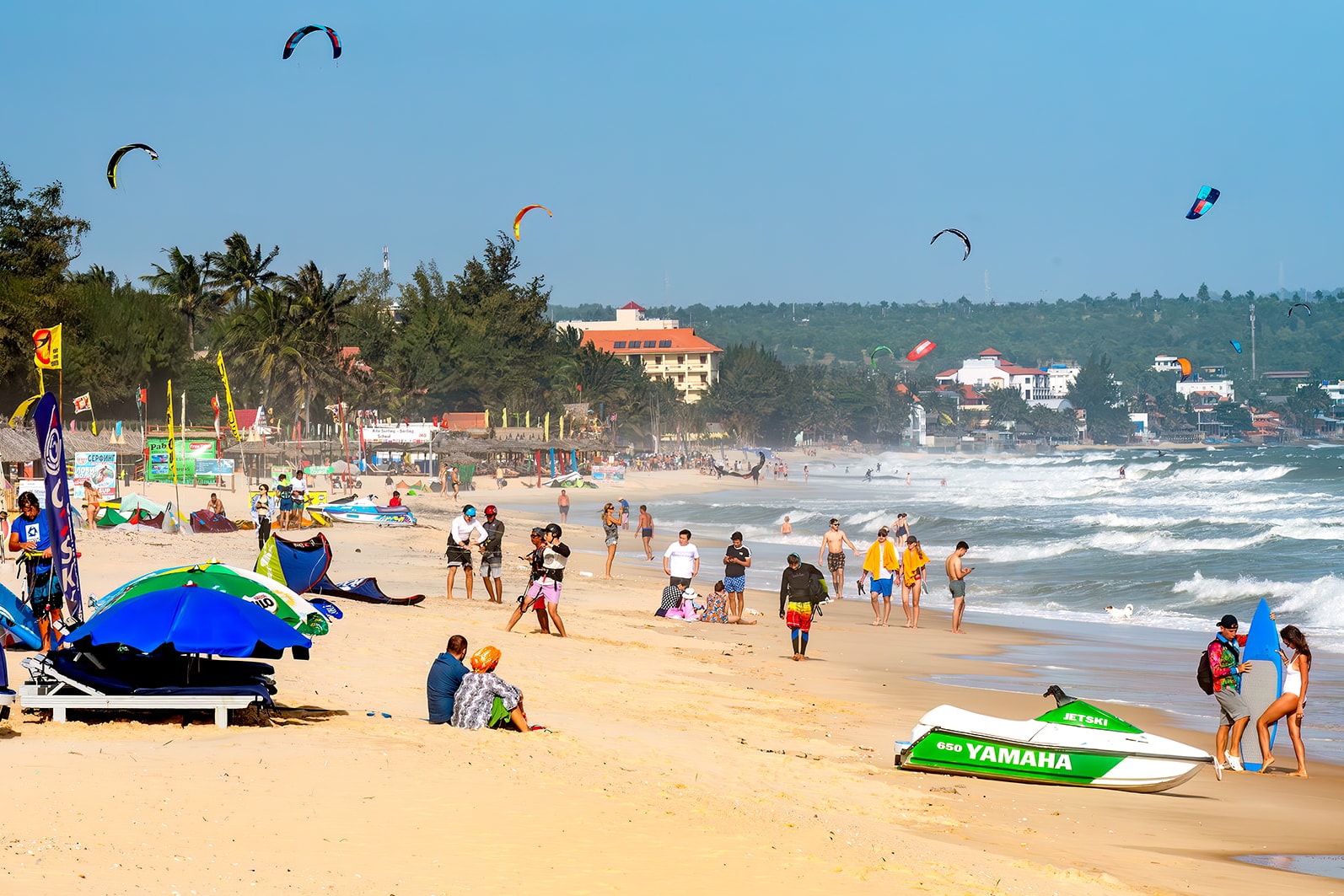
Three decades ago, Mui Ne was merely a small fishing village nestled among endless white sand dunes and tall coconut trees. The total solar eclipse in 1995 drew thousands of visitors to witness the rare natural phenomenon and, quite by chance, many discovered the hidden, poetic beauty of this modest but vibrant coastal village.
A fishing village transformed
Having lived more than half a lifetime in what is now dubbed the “resort capital,” 85-year-old Nguyen Thi Muoi of Quarter 1, Mui Ne Ward, recalled:
“Over 30 years ago, houses were scattered, there were no street lights, and the roads were just narrow sandy tracks. Most residents relied on the sea for their livelihoods, or grew coconuts and bananas to sell. After the eclipse in October 1995, the once-poor area suddenly became famous. Resorts sprang up everywhere, and streams of domestic and foreign tourists poured in.”
Her family opened one of the area’s first restaurants, becoming a popular stop for tour coaches exploring Mui Ne.
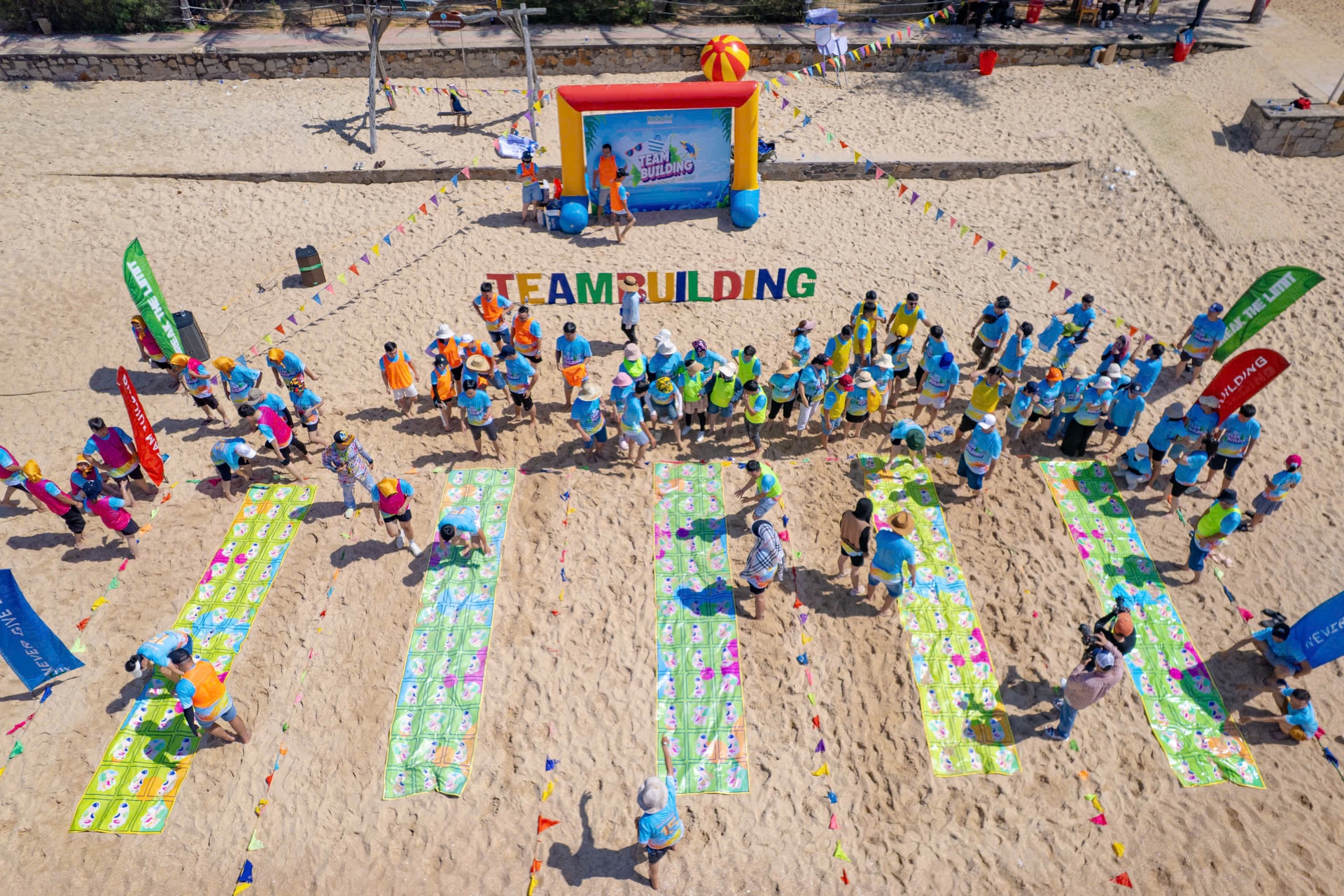
According to long-time tourism stakeholders, few provinces in Vietnam experienced such an intense wave of tourism investment in the early 2000s as the former Binh Thuan. Coco Beach Resort, the first resort in Ham Tien–Mui Ne and one of the earliest in Vietnam , covered barely one hectare, yet attracted steady visitor flows despite modest infrastructure.
Word spread quickly. Within a few years, abundant tourism potential drew both domestic and foreign investors to launch projects on unprecedented scales. From there, Mui Ne expanded rapidly, gradually shaping its identity as a “paradise of resorts” and leaving a lasting impression on generations of travelers.
A rising star on the tourism map
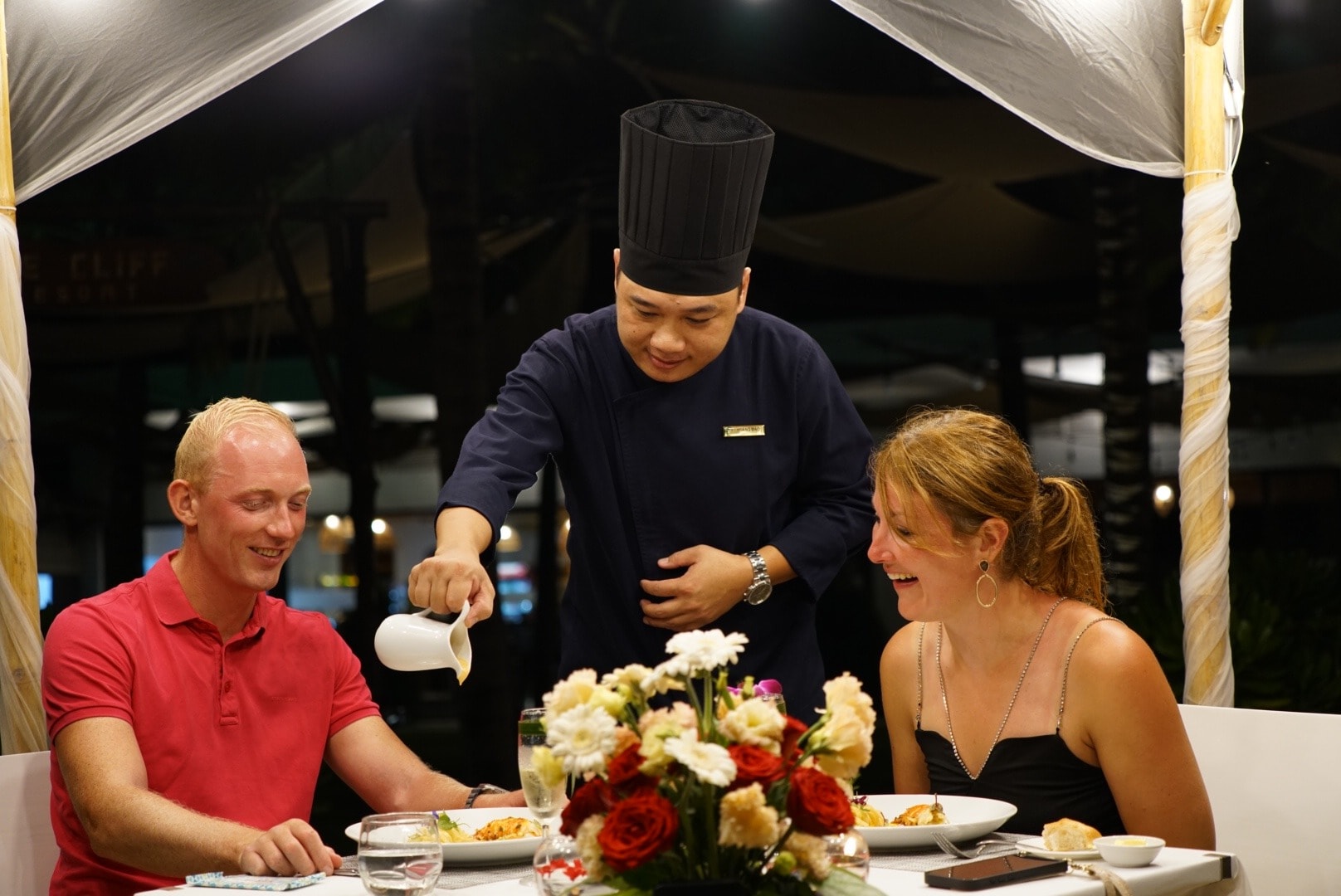
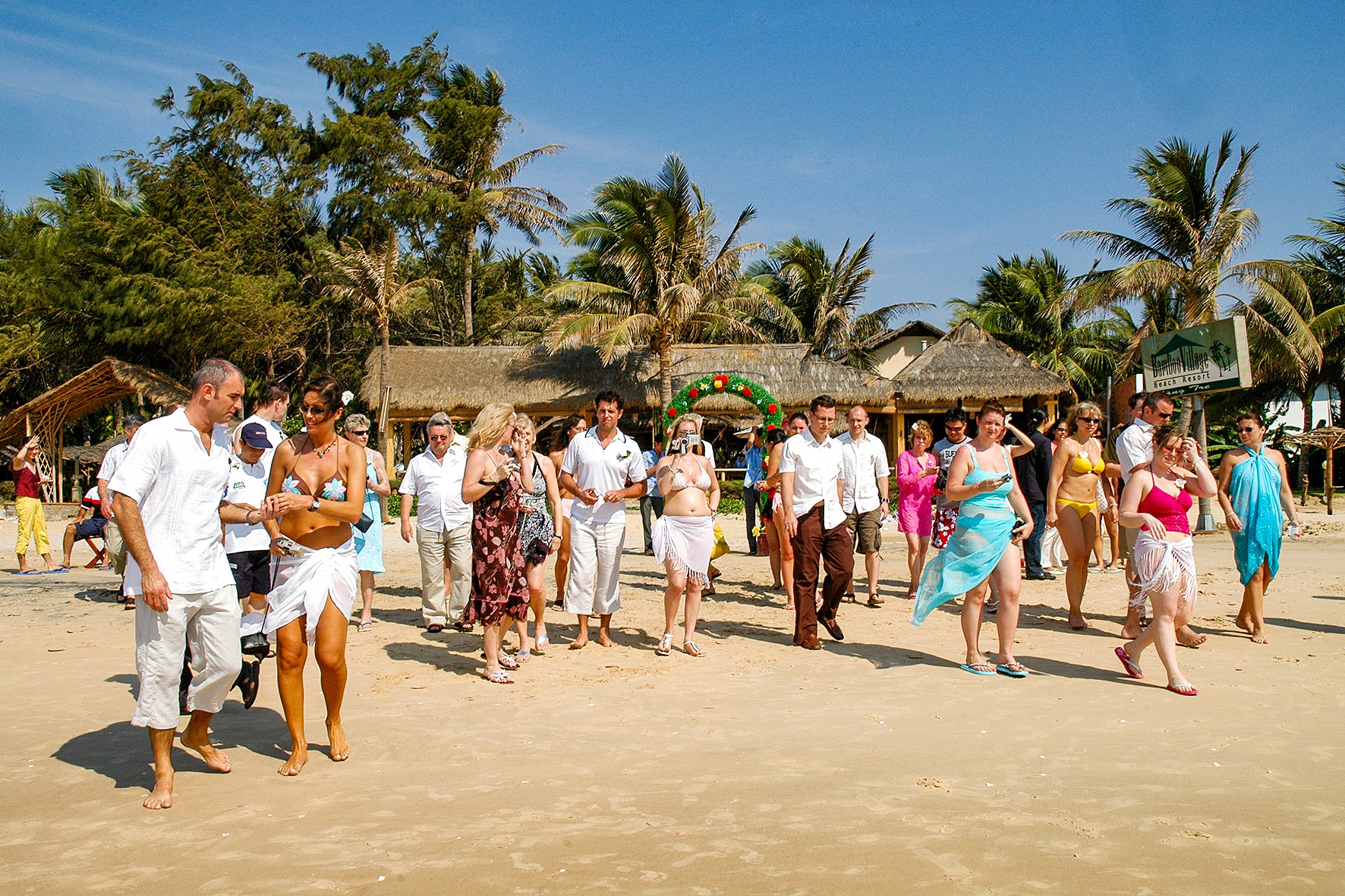
It is therefore unsurprising that Mui Ne ranks among the world’s top emerging destinations projected to “break out” in 2026. National Geographic Traveler has also listed Mui Ne among Southeast Asia’s leading water-sports destinations, thanks to its favorable climate conditions and high-quality services. Today, Mui Ne stands out with diverse products: beach and leisure tourism, adventure and sports tourism, wellness retreats, and MICE travel.

According to the Department of Culture, Sports and Tourism, Lam Dong currently hosts two of Vietnam’s nine nationally recognized tourism areas: Mui Ne and Tuyen Lam Lake. Both have strong growth potential and distinct tourism identities. In the new development phase, Mui Ne tourism must move toward green, sustainable models aligned with experiential and high-end leisure trends, directions expected to diversify products and enhance competitiveness after the administrative merger.
However, these are necessary but not yet sufficient conditions. To truly “take off,” tourism experts emphasize that Mui Ne must build distinctive, signature products.
Do Van Mot, Chief Strategy Officer at Ong Vang Marketing (Lam Dong), observed:
“Leading global destinations are shifting toward creating value from local identity — developing tourism products grounded in culture, heritage, lifestyle, and indigenous knowledge. This marks a transition from ‘resource exploitation’ to a ‘local experience economy.’ For the coastal Mui Ne–Lam Dong region, this shift is crucial. If we rely only on the sea, sand dunes, sunshine, and wind, Mui Ne will not differ much from other coastal areas. But by elevating local assets: seafood cuisine, community culture, crafts, spiritual heritage, and desert-like landscapes, Mui Ne can secure a unique, uncopyable competitive advantage.”
With transportation networks and tourist infrastructure being steadily upgraded, alongside digital transformation and stronger promotion efforts, Mui Ne and Lam Dong as a whole is expected not only to remain a “bright spot” on Vietnam’s tourism map in 2026 but also to emerge as a destination of international stature.