


Mui Ne Positions Itself as an International Tourism Hub, Opening New Development Space
Mui Ne (Lam Dong) is not only being planned for development; it is being strategically positioned to break through and emerge as a new symbol of Vietnam’s coastal tourism in the era of global integration.
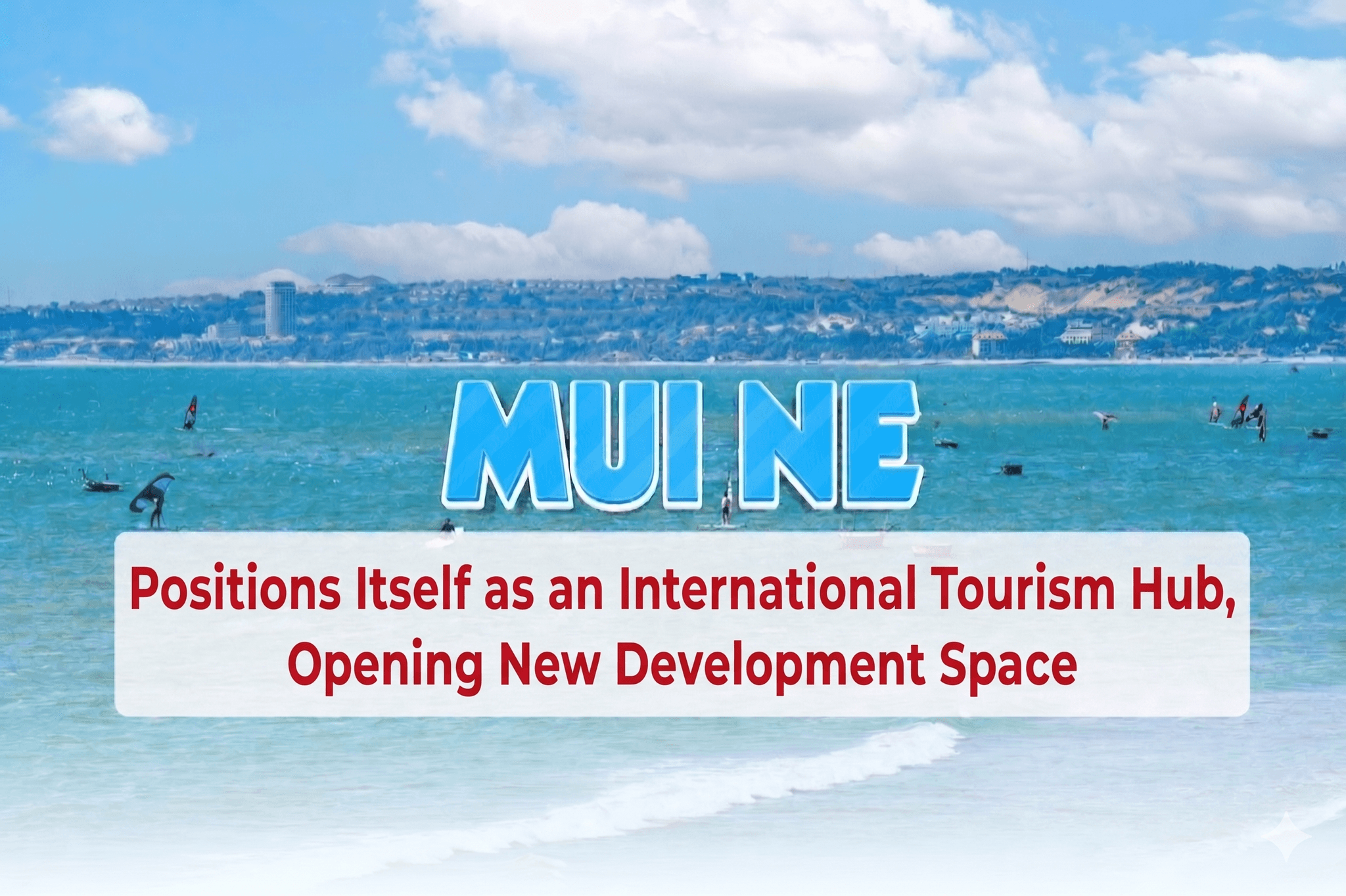
Mui Ne (Lam Dong) is not only being planned for development; it is being strategically positioned to break through and emerge as a new symbol of Vietnam’s coastal tourism in the era of global integration.
.png)
The approval of the master plan for the Mui Ne National Tourism Area to 2040, with a vision to 2050, marks a significant milestone in the spatial development of tourism across the South Central Coast. This is not merely a step to concretize national and provincial planning orientations, but also a clear demonstration of the determination to transform the growth model—from expansion in scale to depth in quality, from natural exploitation to controlled, sustainable development.
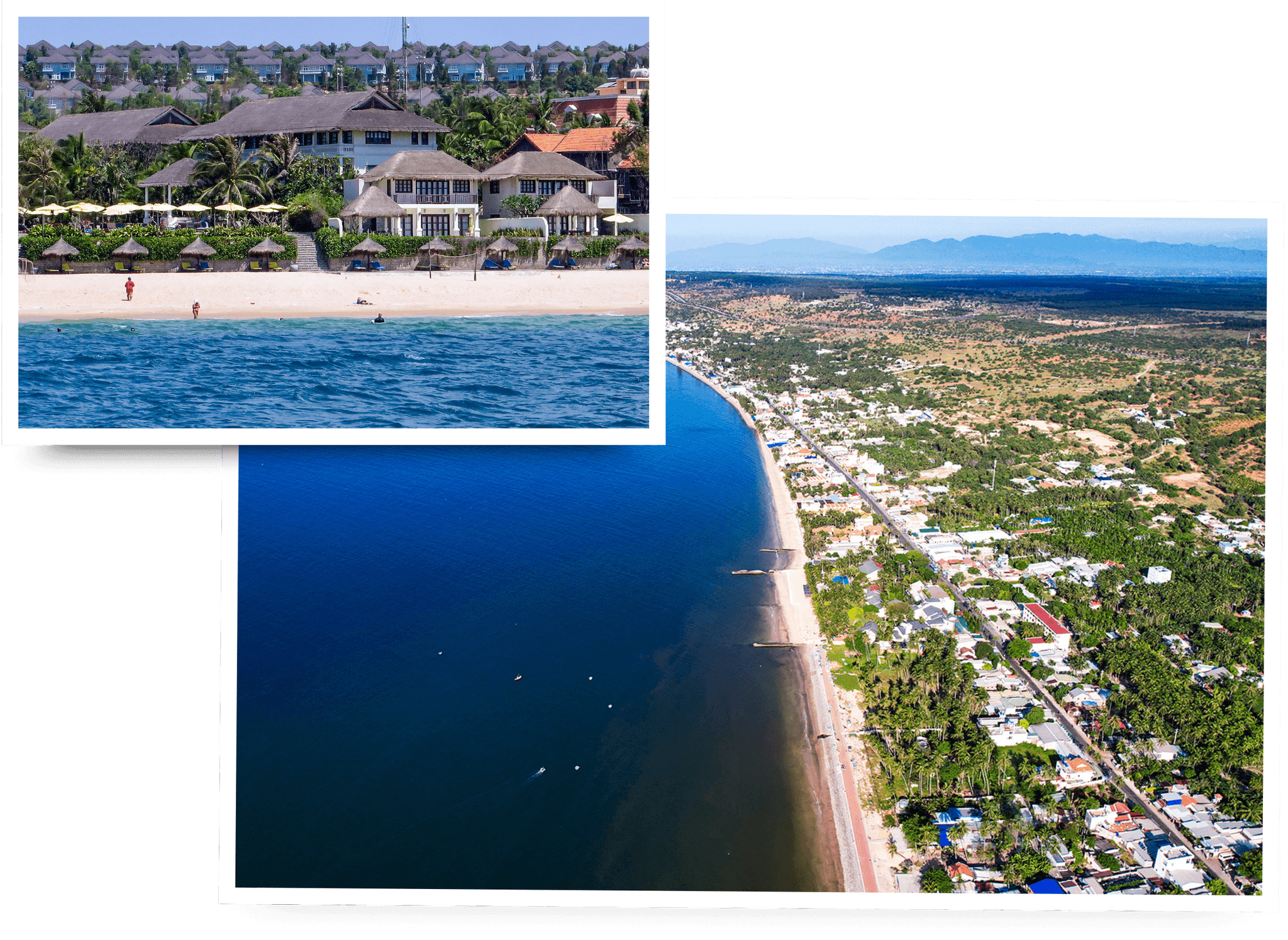
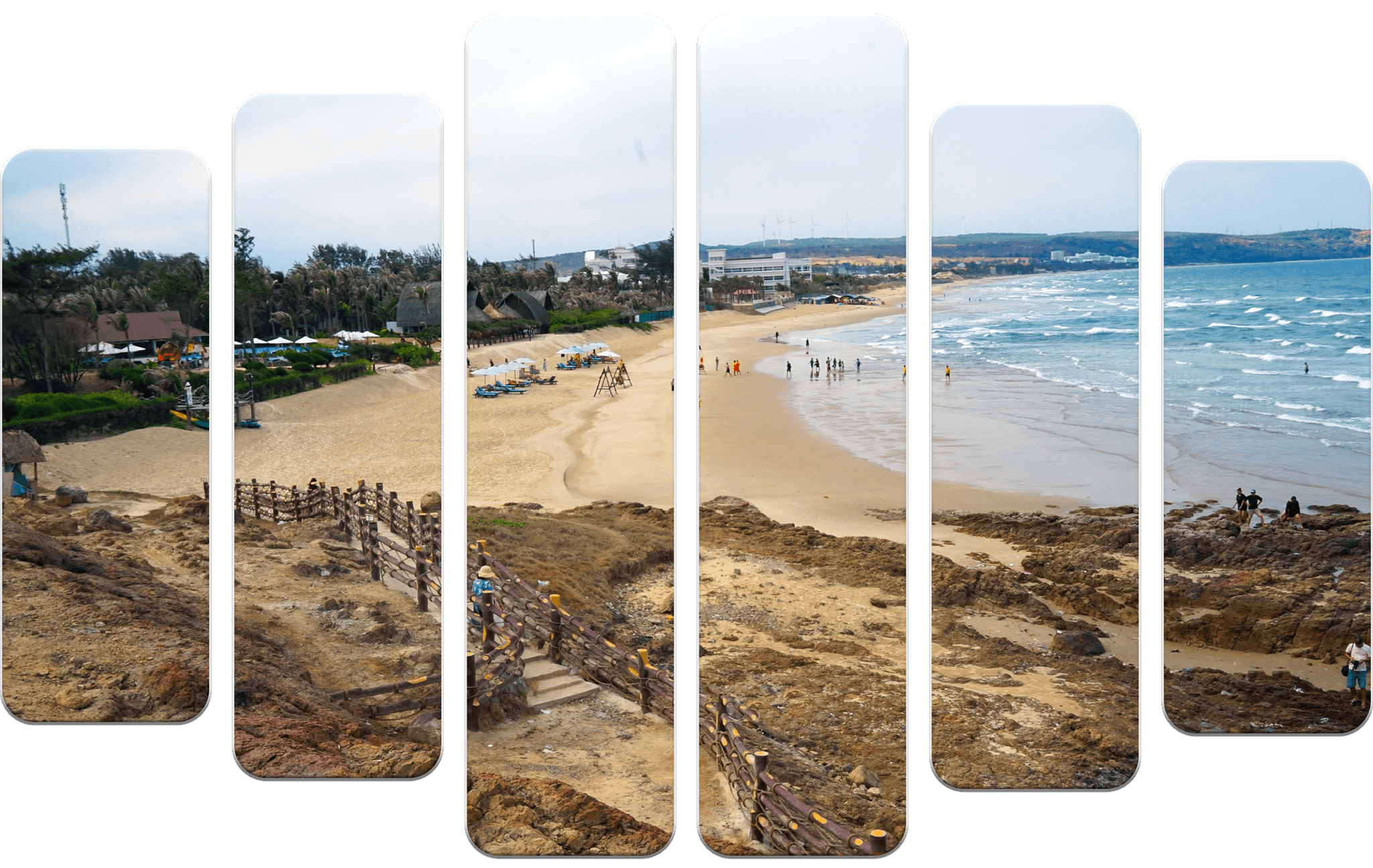
Covering a total area of 14,760 hectares, stretching across Phu Thuy, Mui Ne, Hoa Thang, and Phan Ri Cua, the plan establishes a vast development space with sufficient capacity to form large-scale, modern tourism–urban complexes. At its core, Mui Ne is positioned as the central hub, acting as the driving nucleus where investment resources, infrastructure, and high-end tourism products converge.
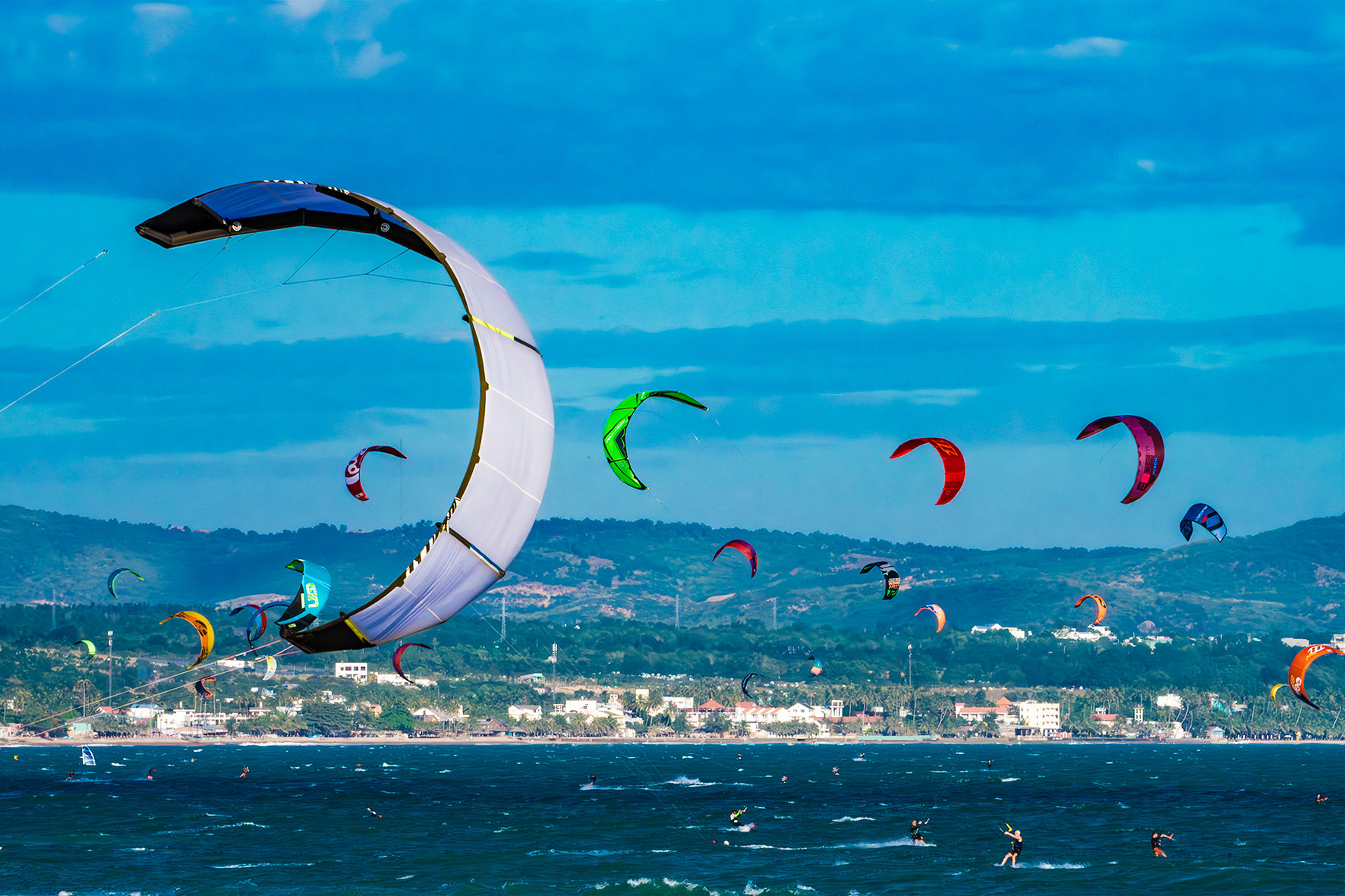
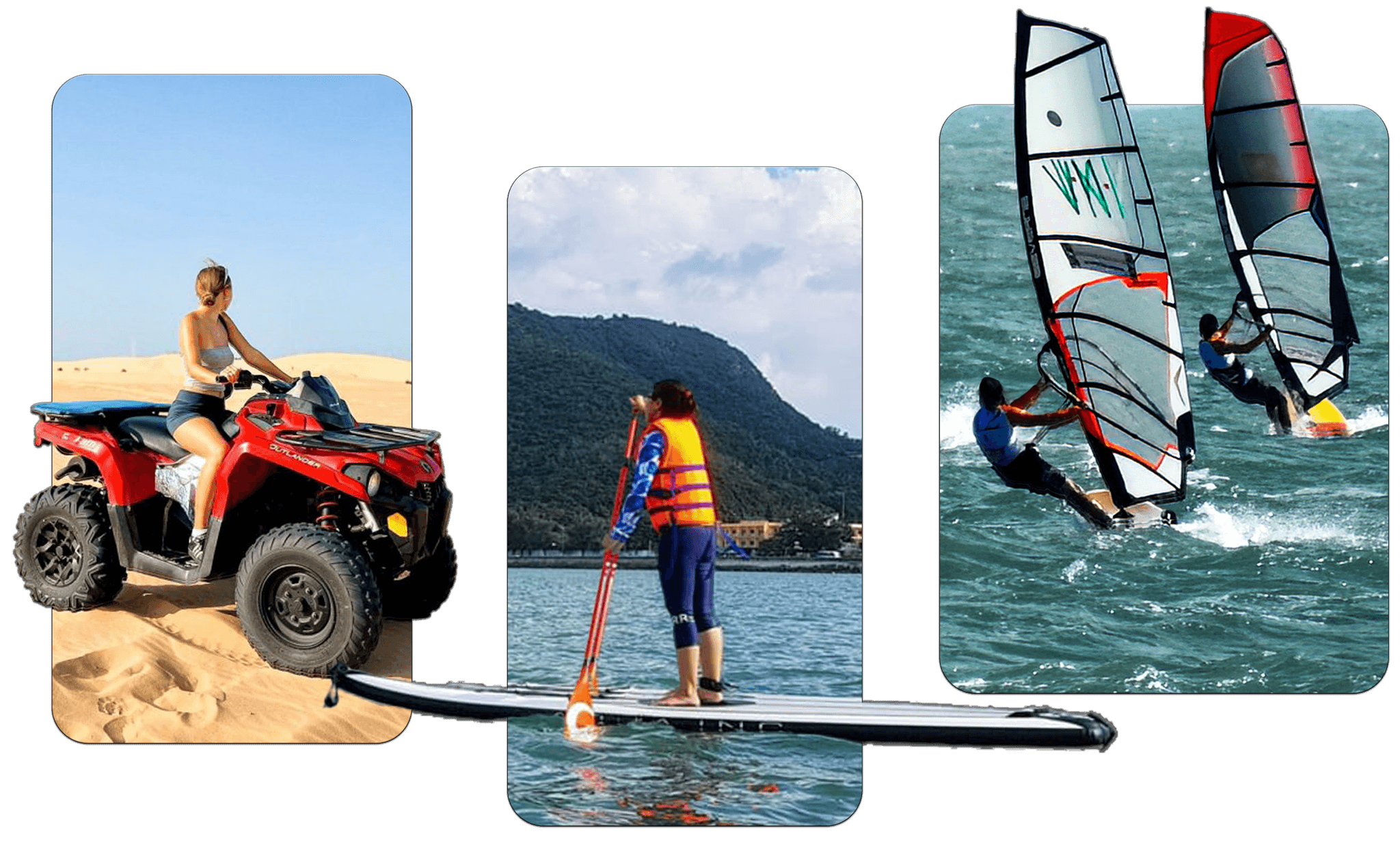
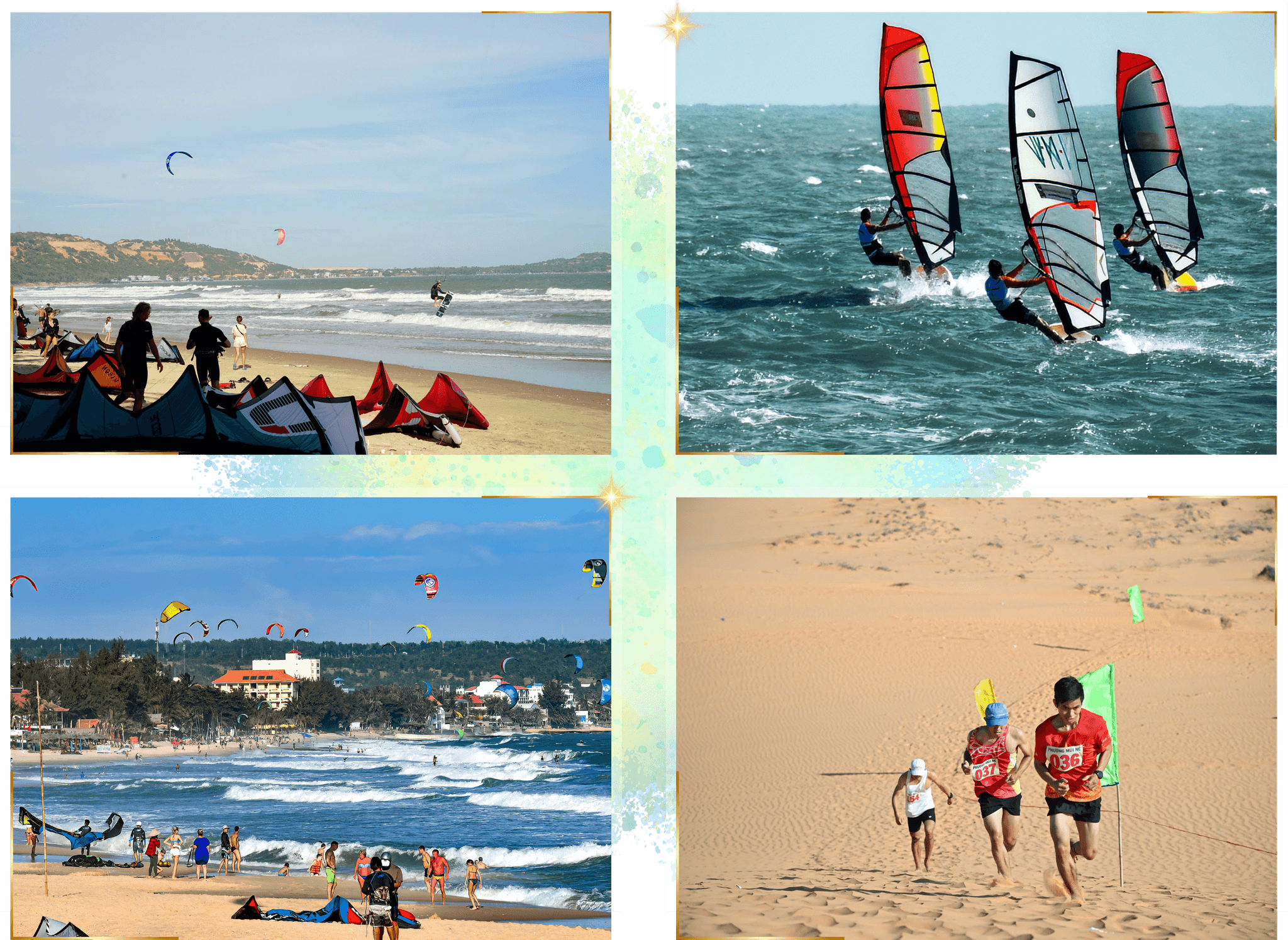
Notably, the plan goes beyond increasing visitor numbers, focusing instead on improving destination quality. Priority segments include high-end resort tourism, marine sports, wellness tourism, eco-tourism, cultural tourism and community-based experiences. These segments reflect fast-growing global tourism trends, helping Mui Ne attract more domestic visitors while strengthening its competitiveness in the international market.
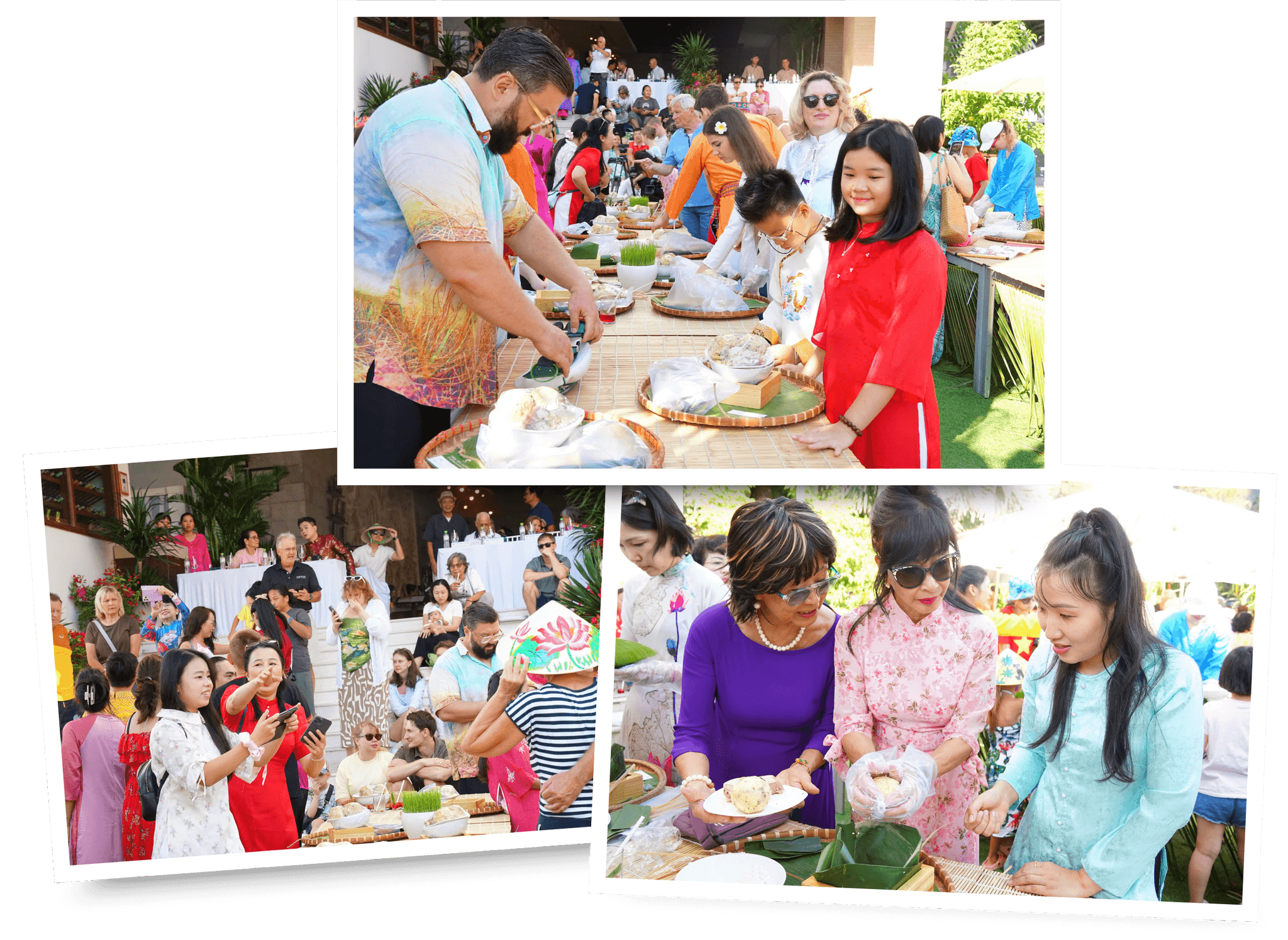
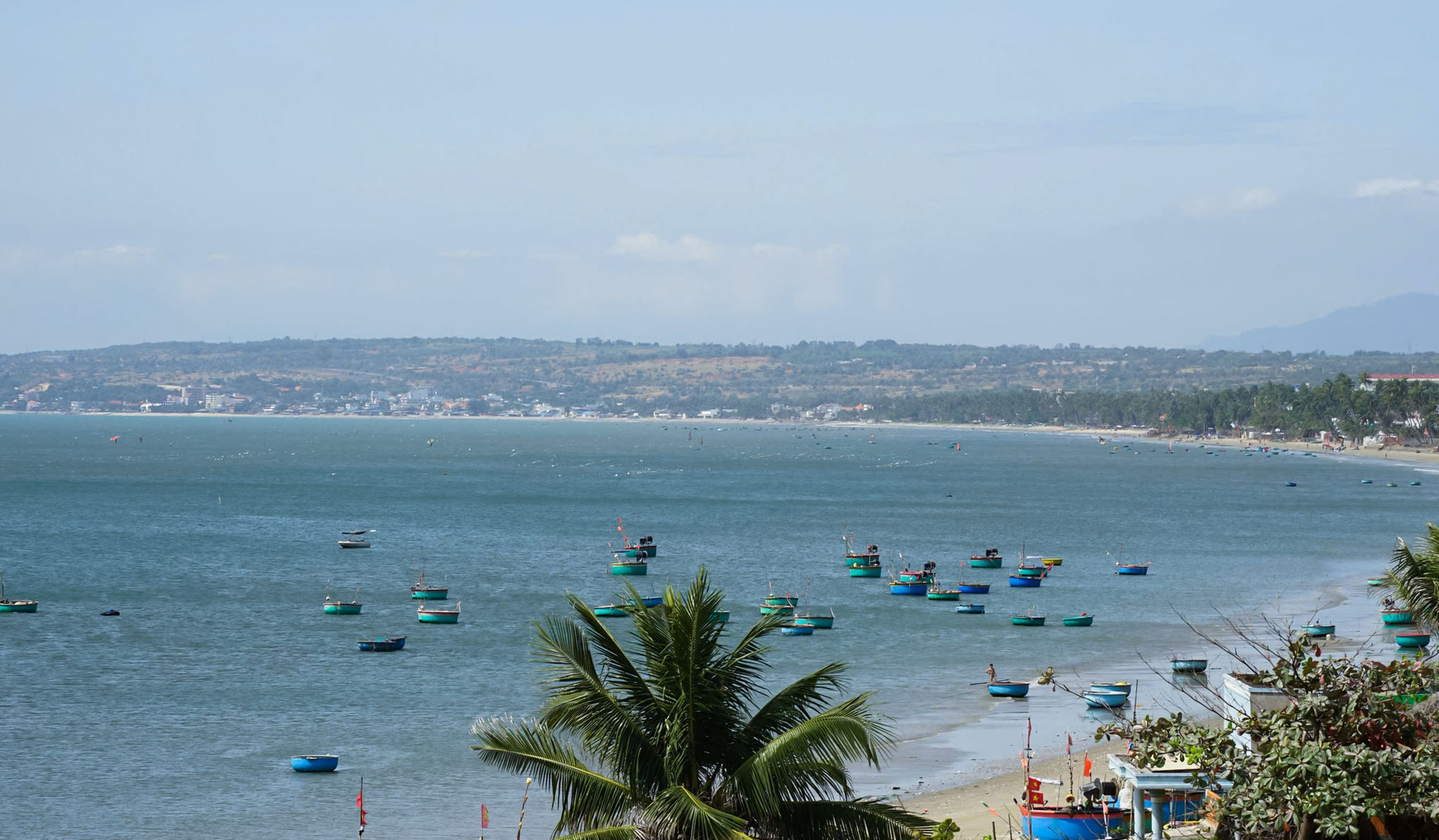
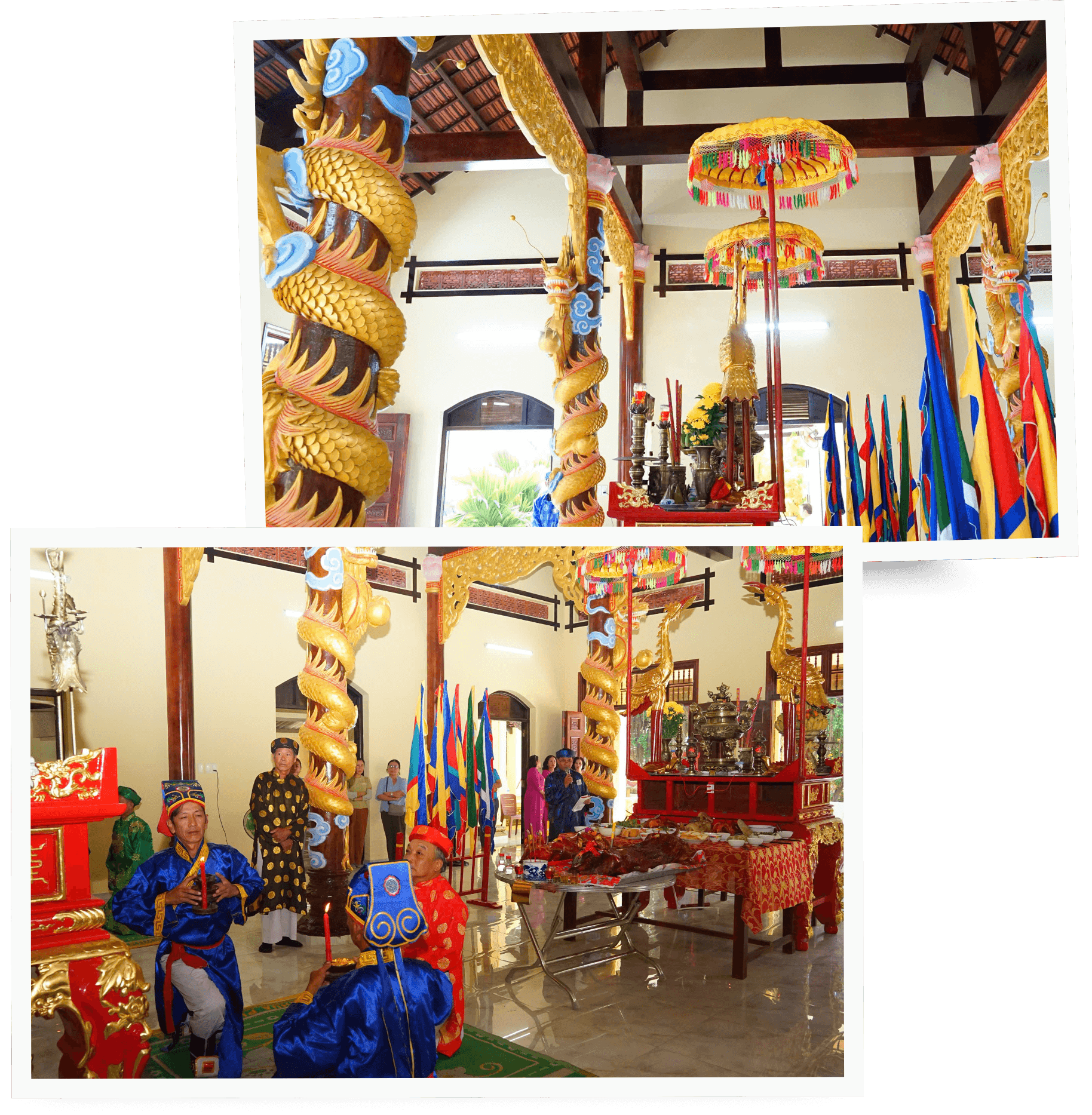
At the same time, cultural and social factors are given prominent importance. Distinctive values such as Cham culture, fishing village life, traditional festivals, and local cuisine will continue to be preserved and integrated as inseparable components of the tourism product. This ensures that Mui Ne avoids homogenization during development, retaining its unique identity—a critical factor in building sustainable appeal.
.png)
.png)
One of the plan’s key breakthroughs lies in its strategic spatial organization, grounded in natural advantages and efficient exploitation of marine resources.
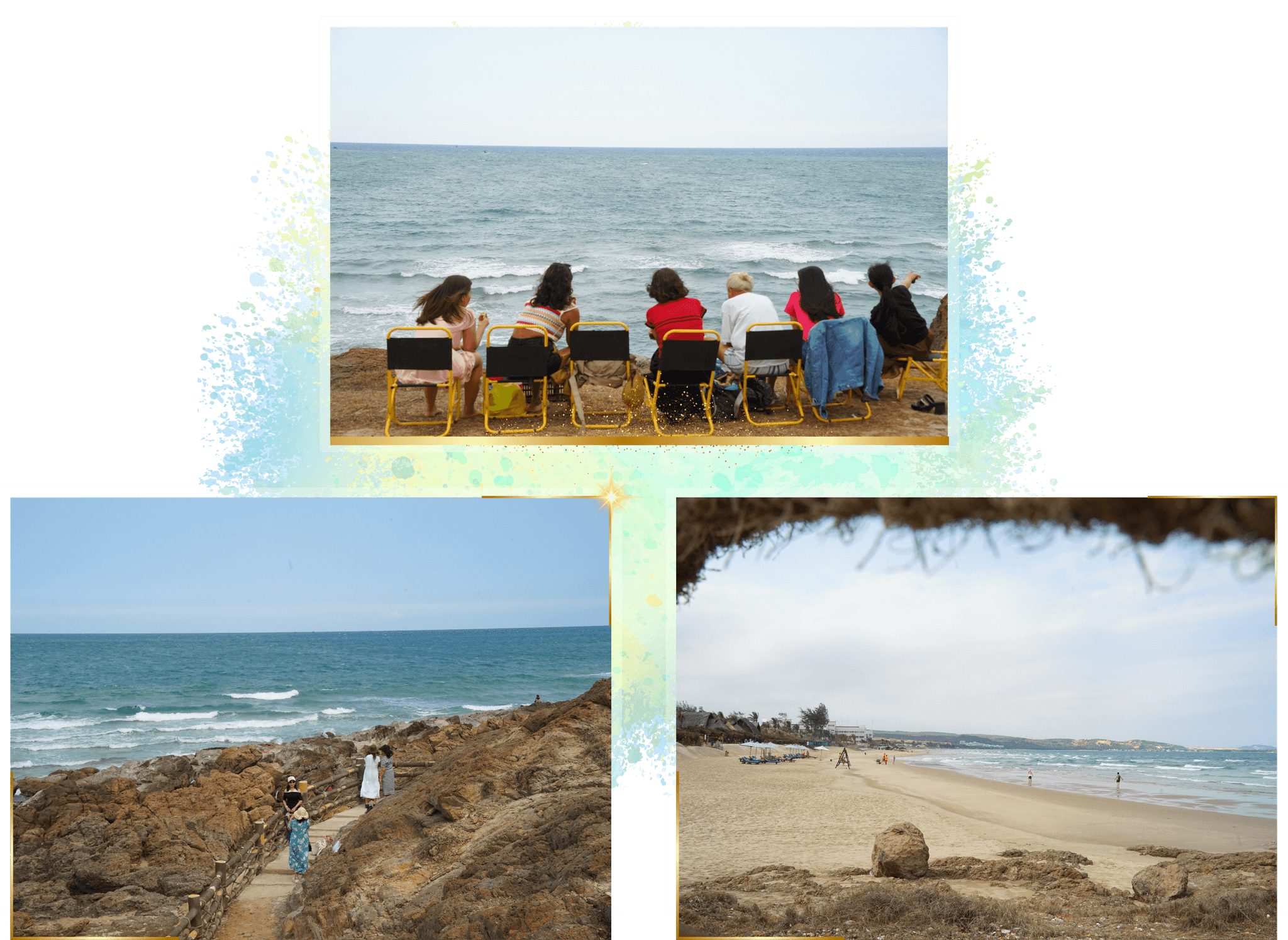
The 63-kilometer coastal corridor is defined as the backbone of the entire tourism area. This corridor functions not only as a transportation axis but also as a scenic spine, concentrating tourism, services, commercial activities, and public spaces. The formation of a continuous coastal corridor enhances public access to the sea while creating a seamless chain of experiences for visitors.
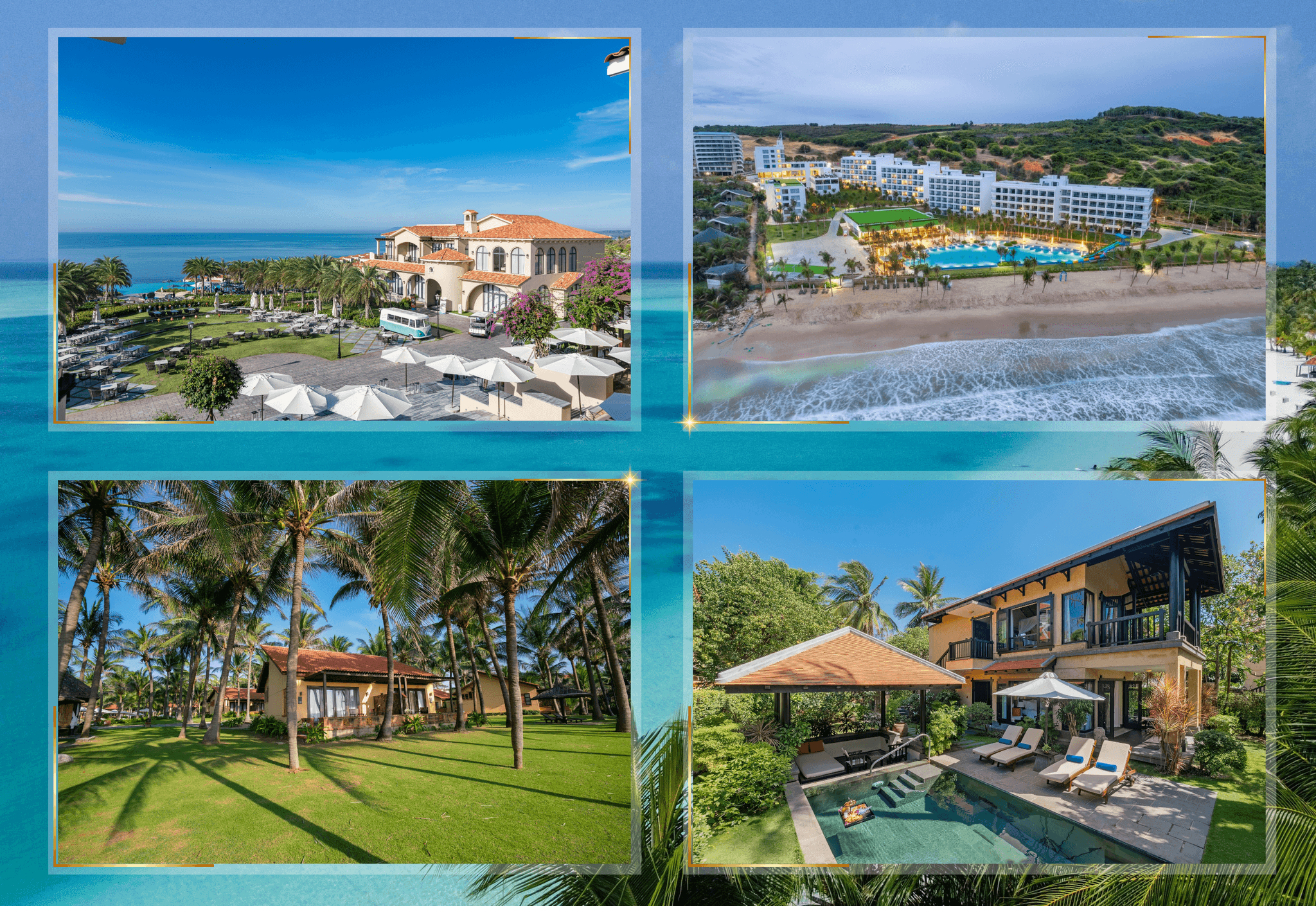
Building on this foundation, three development centers are clearly delineated, forming a “multi-polar” structure rather than a localized concentration. The Phu Thuy – Mui Ne area is designated as a hub for services, finance, high-end resorts, and entertainment, featuring a system of 4- to 5-star hotels, luxury resorts, and modern amenities.
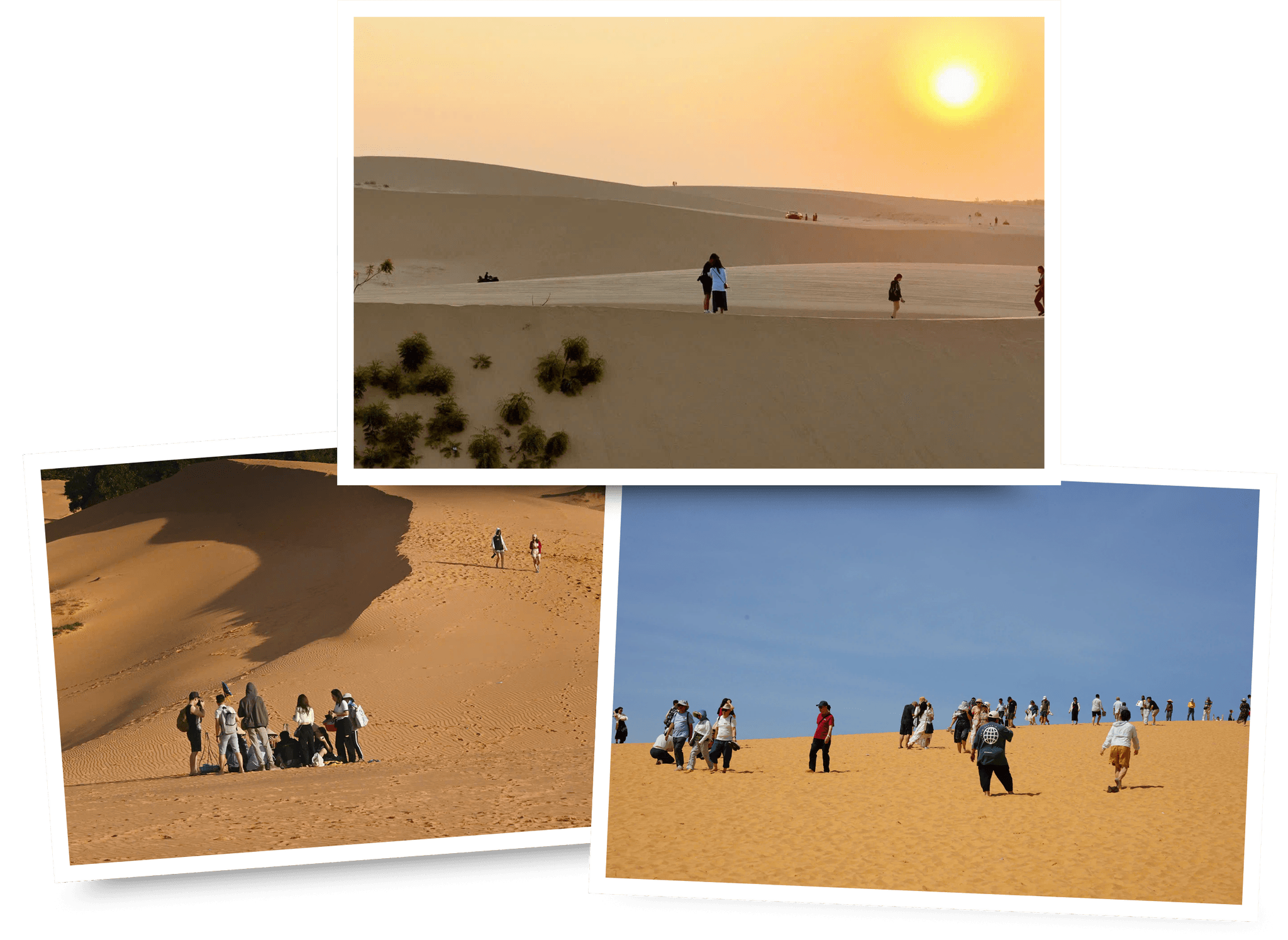
Hoa Thang, anchored by the iconic Bau Trang landscape, is identified as a new development space that capitalizes on its unique sand dune scenery. Planned tourism products include sand-based adventure sports, theme parks, large-scale entertainment complexes and racing circuits meeting international standards, giving the area a distinctive appeal.
Meanwhile, Phan Ri Cua is planned to evolve into a coastal resort–urban area, focusing on wellness services and long-stay accommodations, in line with the growing trend of wellness and leisure tourism.
A notable feature is the “multi-directional sea access” model, implemented through the expansion of access roads to the coastline, along with the development of coastal squares, public spaces, and community parking areas. This solution ensures public access to the sea while enhancing urban space quality and the overall tourism experience.
.png)
Infrastructure is identified as the “key” to unlocking development space and attracting strategic investment resources. In this plan, technical and transport infrastructure systems are oriented toward synchronized and modern development, meeting the demands of a large-scale tourism hub.
In terms of external connectivity, the Mui Ne National Tourism Area will be closely linked with Phan Thiet Airport, National Highway 1, and inter-regional transport routes. This connectivity will significantly shorten travel time and expand accessibility for both domestic and international visitors.
The plan also outlines the development of modern public transportation, including an urban railway line connecting central Phan Thiet to Mui Ne, along with a comprehensive tourist bus network across the area. These measures are essential to reducing traffic pressure while enhancing visitor experience in a civilized and sustainable manner.
Technical infrastructure will be developed in a synchronized manner, with clear targets set for 2040. Water supply demand is projected to reach about 85,000 cubic meters per day, while electricity demand is expected to reach around 338 MVA. Telecommunications infrastructure will be placed underground, with full 4G and 5G coverage, while wastewater and solid waste treatment will be tightly managed to prevent environmental pollution.
Importantly, the plan opens opportunities to attract large-scale projects such as integrated tourism, resort and entertainment complexes, theme parks, marine sports zones, golf courses, and high-tech entertainment centers. These projects are expected to serve as growth engines, generating spillover effects and driving socio-economic development across the region.
.png)
In the context of increasing climate change impacts and environmental pressure, the Mui Ne National Tourism Area plan establishes sustainable development as a guiding principle throughout.
Sensitive areas such as coastal corridors, sand dune ecosystems, and water resources will be strictly controlled during construction and development. Building density will be reasonably regulated to limit over-concretization, prioritizing green spaces, water surfaces, and environmentally friendly structures.
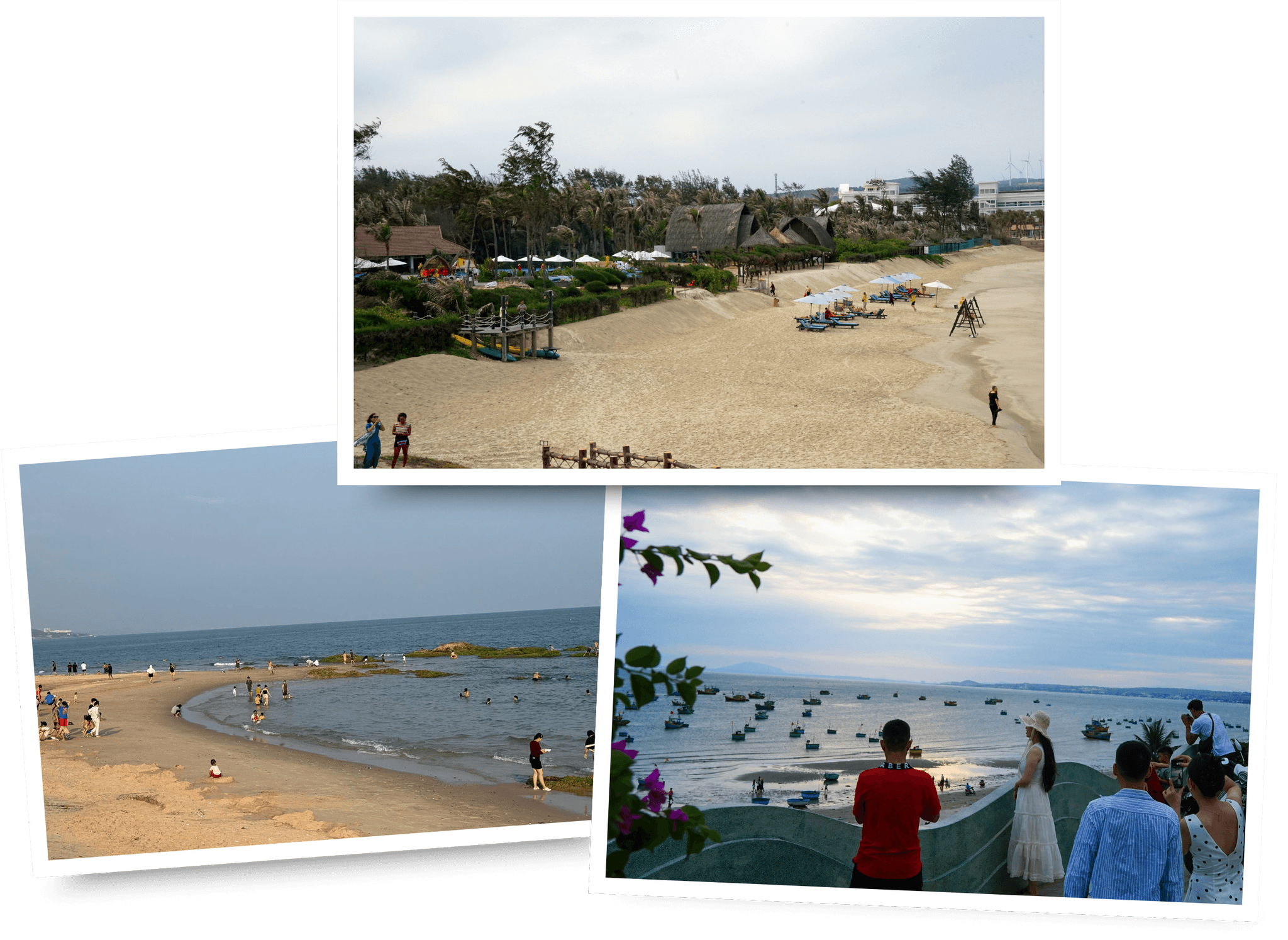
At the same time, the plan encourages green architecture, renewable energy use, public transportation, and resource-saving solutions—trends that are essential in modern tourism development and aligned with international visitors’ expectations for responsible, eco-friendly destinations.
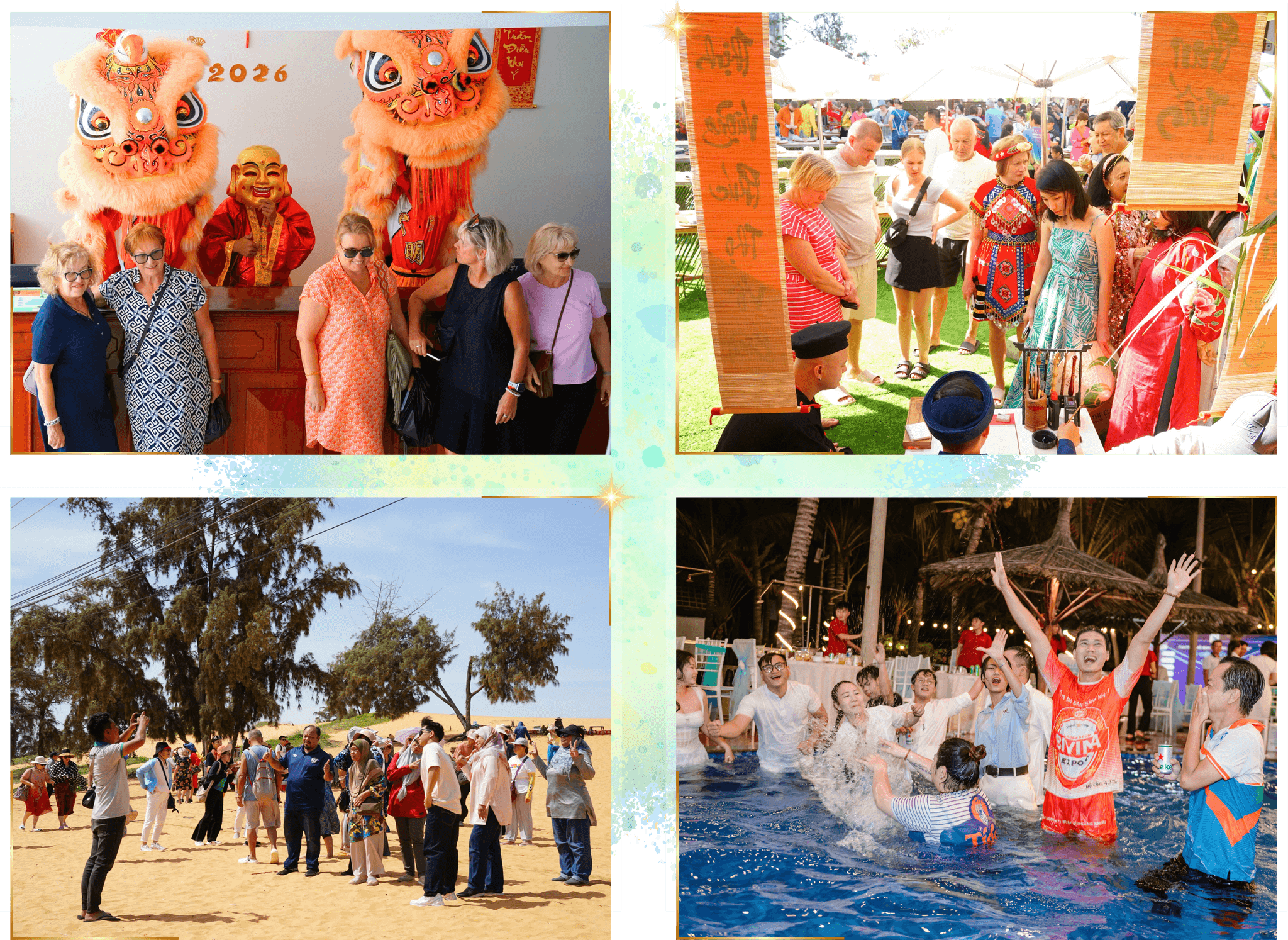
Another noteworthy aspect is the elevated role of local communities. Existing residential areas, particularly fishing villages, are oriented toward community-based tourism development, combining accommodation, cultural experiences, and agricultural–fishery production. This not only creates additional livelihoods for residents but also helps preserve cultural identity, contributing to the uniqueness of the tourism offerings.
The plan also proposes solutions to respond to natural disasters and climate change, including controlling construction elevations, developing terrain-appropriate drainage systems, and mitigating coastal erosion, thereby ensuring long-term safety for both residents and visitors.
With clear orientations, a long-term vision, and synchronized solutions, the Mui Ne National Tourism Area plan opens a new chapter in the development journey of this high-potential region.
However, turning the plan into reality ultimately depends on effective implementation. This requires strong engagement from all levels of government, coordinated efforts between public authorities and businesses, and transparent, efficient investment attraction mechanisms.
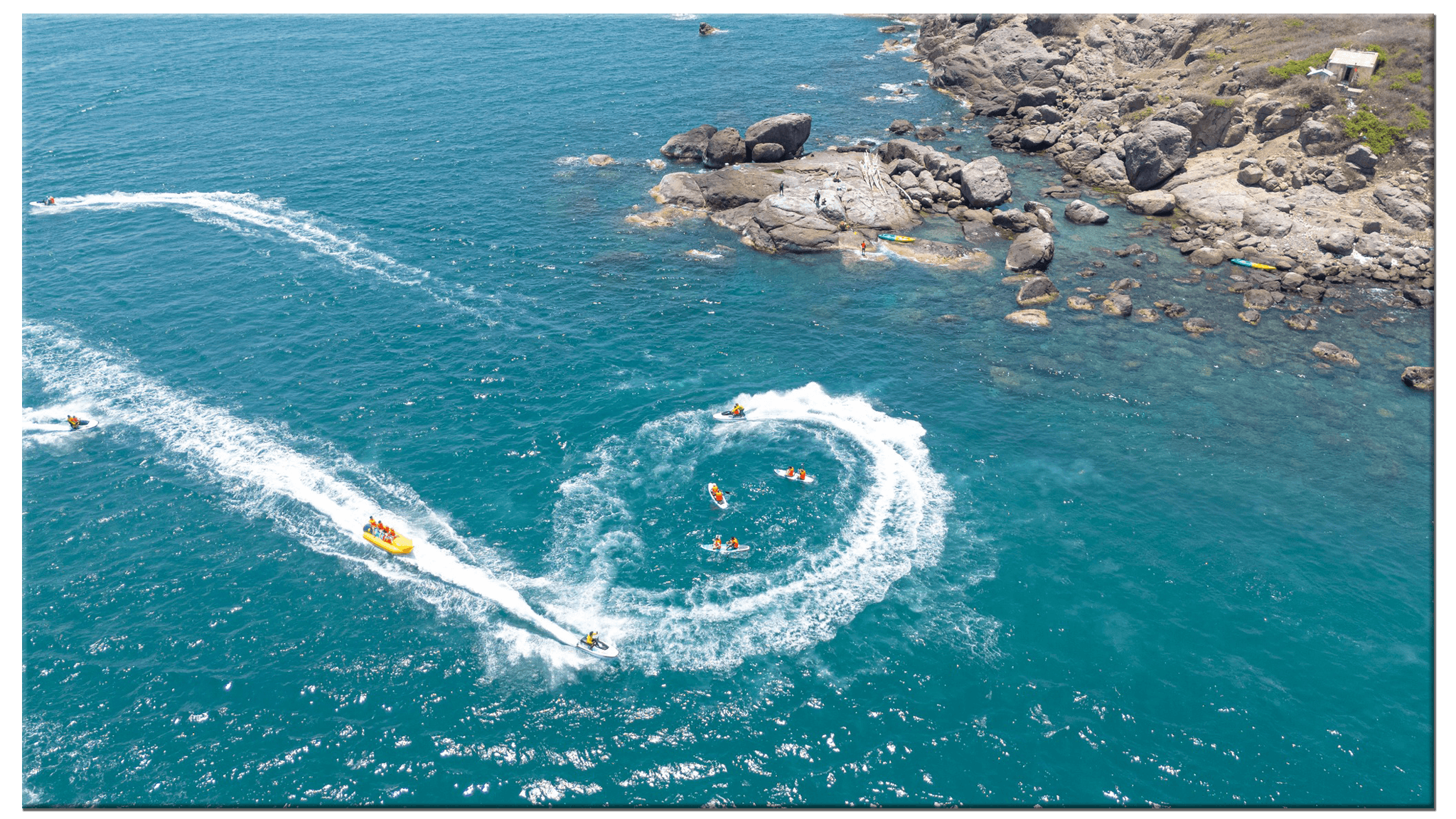
If the plan is implemented effectively, Mui Ne will not only become an international tourism hub but also emerge as a new growth pole, creating strong spillover effects, strengthening Vietnam’s presence on the global tourism map and fostering closer development linkages between Lam Dong’s coastal and highland regions.
The journey from potential to reality remains challenging. Yet, with a solid planning foundation now in place, Mui Ne has a strong foundation to make a breakthrough and affirm its position in the near future.
Content: Dong Anh
Photos: Quang Nhan, Ngoc Lan
Layout: Hoang Anh