


Mulberry Fields Shape a New “Green Lung” for Lam Dong
Lam Dong is expanding green mulberry farming models that increase farmers’ income while helping balance ecosystems and adapt to climate change.
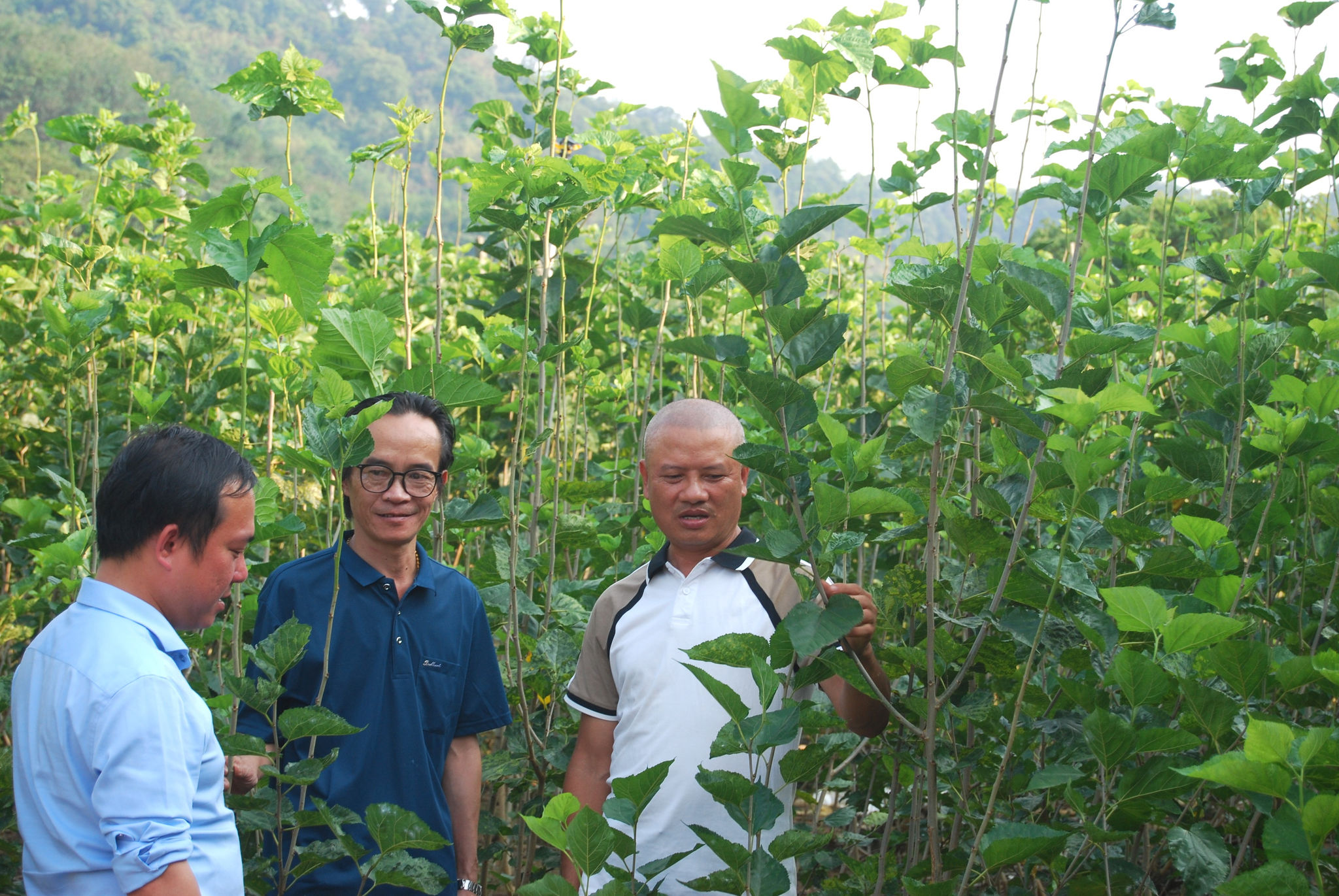
Green Farming Adapts to Climate Change
Beyond their economic value, mulberry fields in Lam Dong are increasingly becoming “green lungs” that help balance the ecosystem and promote sustainable agriculture.
In Da Teh 2 Commune, many farmers have shifted to high-yield mulberry varieties while applying water-saving irrigation systems, organic farming methods, and indoor silkworm cultivation to adapt to climate change. As a result, cocoon productivity has improved, labor costs have decreased, and farmers’ incomes have become more stable.
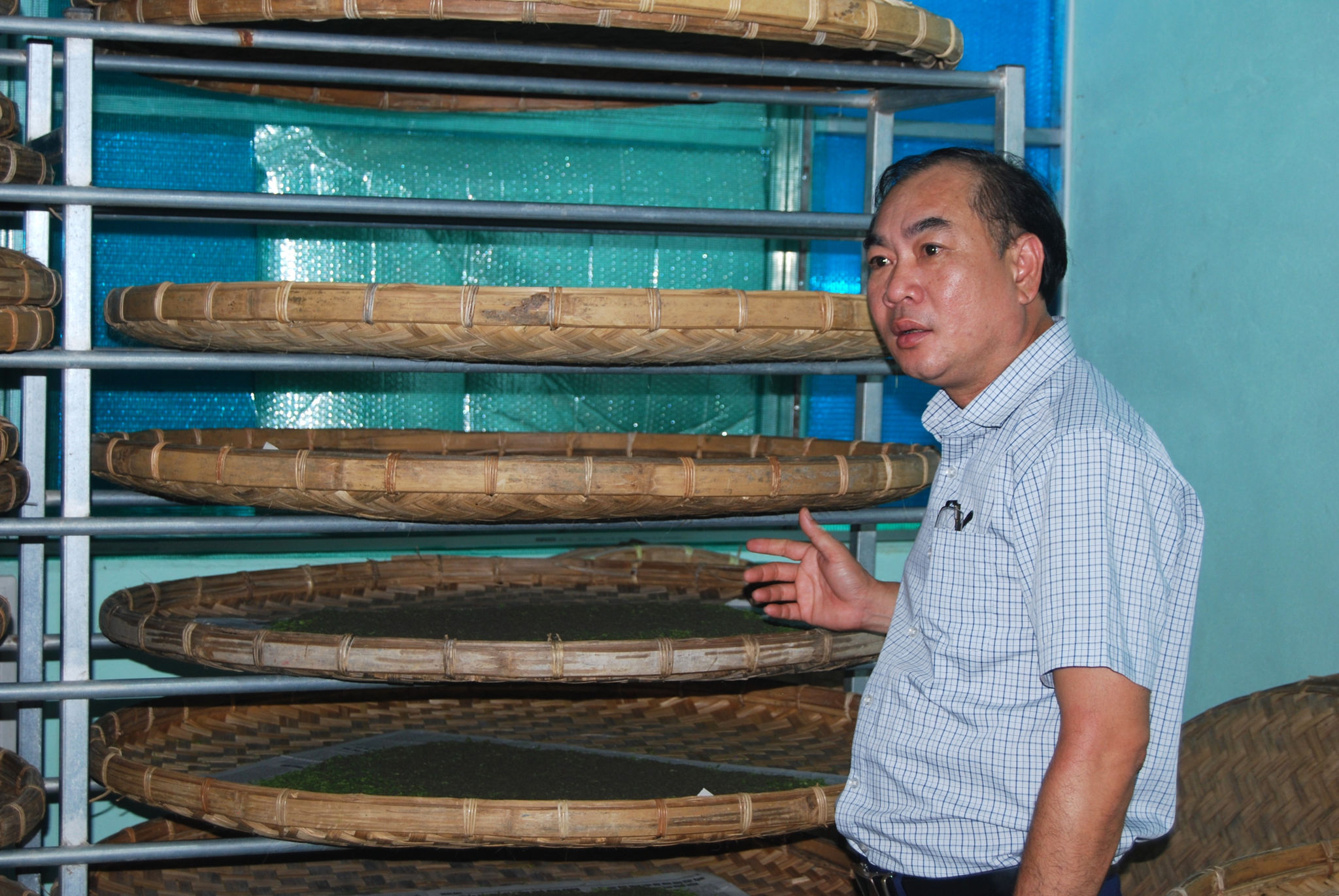
Mulberry cooperatives across the province are also expanding green farming models on dozens of hectares of agricultural land. Farming methods that limit chemical use and recycle organic by-products allow mulberry fields to thrive year-round, absorb CO₂, and improve the ecological environment.
According to agricultural experts, mulberry cultivation not only creates sustainable economic value but also contributes to environmental protection thanks to its strong carbon absorption capacity and year-round green coverage.
New Opportunities on Volcanic Basalt Land
In the volcanic basalt region of K’rong No, high-tech mulberry cultivation and silkworm farming models are proving highly effective. From an initial pilot model, mulberry-growing areas have now expanded to more than 70 hectares and are expected to continue growing in the coming years.
.jpg)
Local farmers are gradually adopting scientific and technological solutions to improve productivity and develop cleaner, more sustainable production methods.
Lam Dong’s mulberry and silk industry is moving toward green agricultural standards, creating sustainable livelihoods for farmers while contributing to an environmentally friendly and climate-resilient agricultural sector.