


Night-time economy could boost Lam Dong’s tourism appeal
Lam Dong has strong potential to develop a night-time economy, drawing on its natural resources, cultural heritage, urban areas and coastal tourism. To unlock that potential, the province needs to identify suitable locations, develop distinctive products and strengthen connections across services, helping visitors stay longer and spend more.
Choosing the right pilot models
The development of a night-time economy is opening up a new avenue for Lam Dong's tourism sector. Beyond extending service hours, night-time activities can create new experiences, jobs and income for local residents, while enhancing the appeal and competitiveness of the destination.
Dinh Van Tuan, Vice Chairman of the Lam Dong Provincial People's Committee, said the results achieved in recent years have created a favorable foundation for tourism development. However, rising visitor numbers are also placing greater demands on product quality, service capacity and the tourism sector's contribution to local socio-economic development.
Against this backdrop, the night-time economy needs to be integrated into the broader development of tourism, trade and services. The goal is not simply to extend business hours or establish more night markets, but to make better use of existing potential and develop experiences attractive enough to encourage visitors to stay longer and spend more.
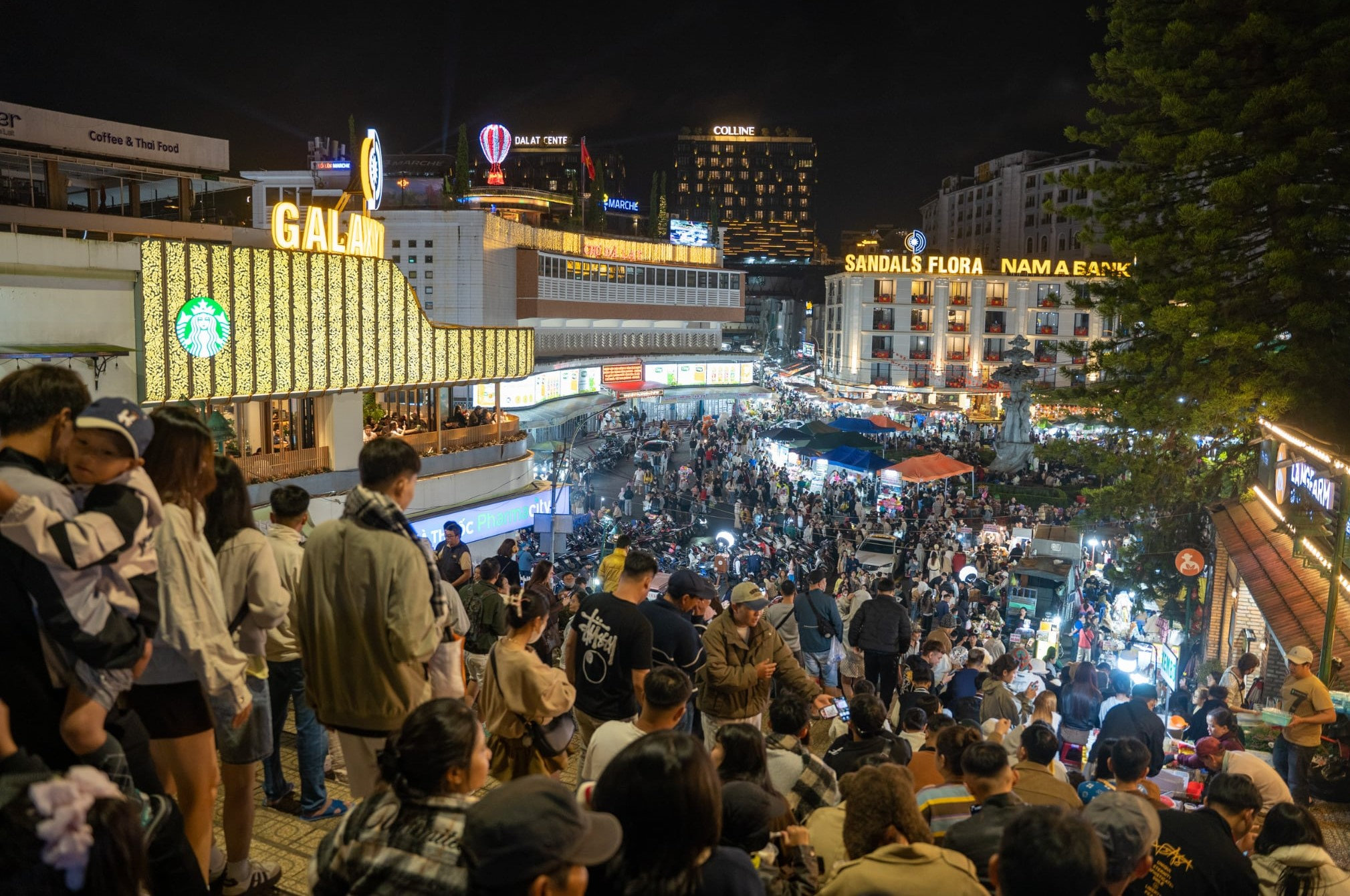
Based on field research, Dr. Phan Bao Giang, Vice Rector of the Ho Chi Minh City University of Economics and Finance and head of the project on developing Lam Dong's night-time economy through 2030, said night-time activities are currently most developed in Da Lat, particularly in food and beverage services, shopping, the night market and entertainment.
However, products remain fragmented, visitor experiences are often short, and connections among different services are still limited.
Lam Dong also has abundant cultural resources that have yet to be fully transformed into high-quality, recurring tourism products with clearly defined operators.
Different areas of the province have their own strengths that should be developed accordingly. Bao Loc could build experience-based tourism around tea, coffee, silk and wellness. The Mui Ne–Phan Thiet area has advantages in beach tourism and events, while Gia Nghia could draw on its geological features, highland landscapes and community culture.

According to Dr. Phan Bao Giang, the development of a night-time economy should focus on specific locations and products rather than being spread thinly across the province.
Areas with strong competitive advantages, high visitor numbers and suitable infrastructure should be prioritized for pilot projects. Their actual performance can then be evaluated, allowing the province to refine the models before considering wider implementation.
The goal is to establish night-time economy models that are compatible with Lam Dong's urban structure, cultural resources and new development space. These models should create additional experiences, jobs, livelihoods and visitor spending while preserving local identity, the environment, public security and residents' quality of life.
Dr. Phan Bao Giang
Building an ecosystem of night-time experiences
Nguyen Lan Ngoc, Deputy Director of the Department of Culture, Sports and Tourism, said expert discussions at a recent workshop on the development of Lam Dong's night-time economy showed that the province has favorable conditions for developing night-time tourism products.
However, resources only generate economic value when they are transformed into concrete products and organized into connected experiences that respond to market demand.
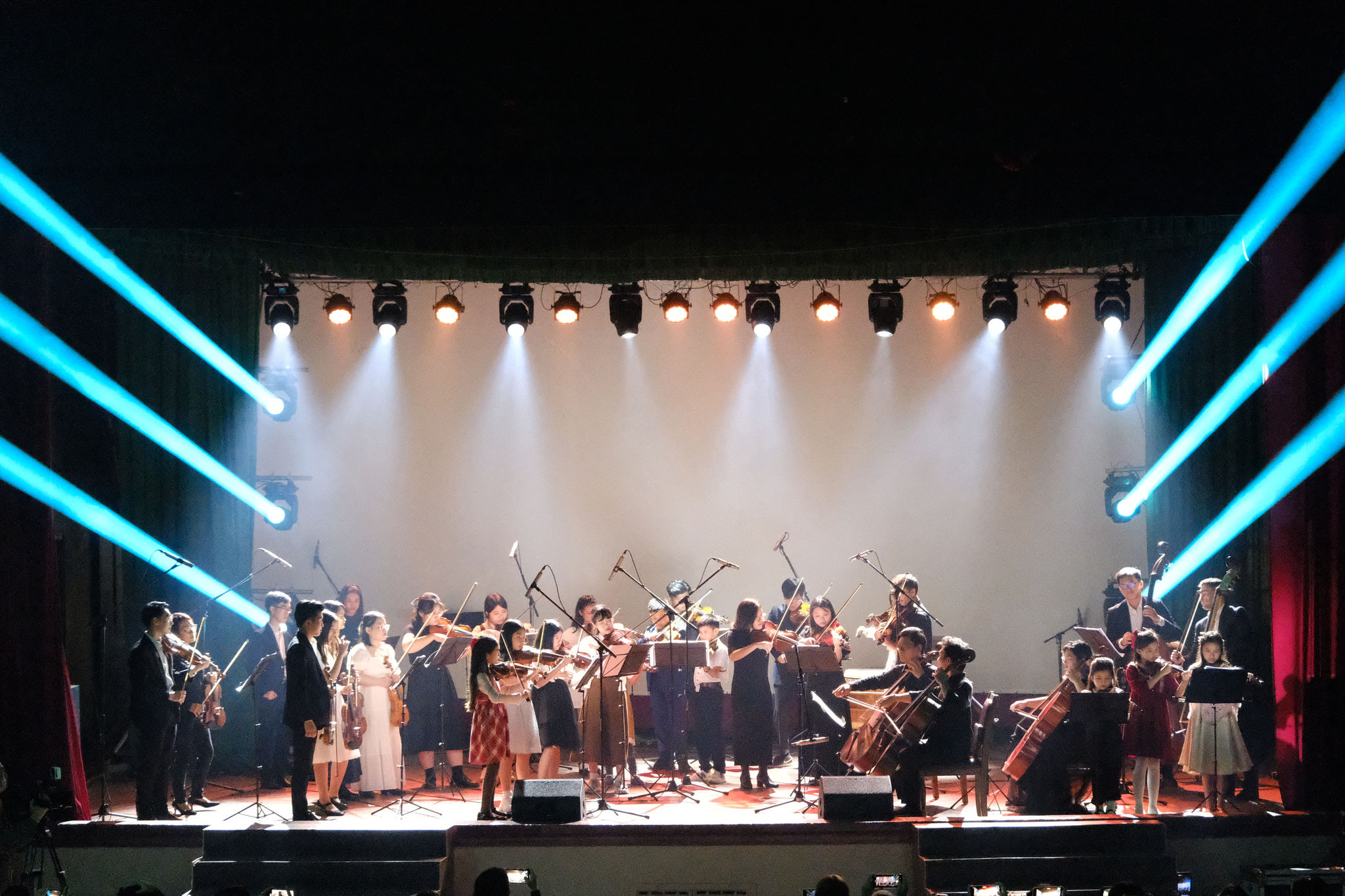
Lam Dong has already begun developing night-time products in several categories, including culture and entertainment, food and beverages, shopping, sightseeing and experiential tourism.
Food and beverage services, however, still account for a large share of night-time activities. Artistic programs remain limited, while many activities are seasonal or tied to specific events.
Some pilot initiatives have also been discontinued, including Tran Quoc Toan walking street along Xuan Huong Lake and Tuyen Quang food street, while several other activities remain limited in scale.
“For years, Da Lat Night Market has seemed much the same, without too many changes. What remains is the feeling of walking among the crowds in Da Lat's chilly weather, occasionally sitting beside a small fire with grilled rice paper — almost like the first time you came here,” said Pham Thanh Truc, a visitor from Dong Nai.
The tourism sector identifies the main bottleneck not necessarily as a lack of potential or products, but as weak connections among resources, public spaces, businesses, infrastructure, management and the market.
Many products continue to operate independently rather than forming a complete experience that visitors can follow throughout an evening.
For this reason, Nguyen Lan Ngoc said Lam Dong needs to move beyond simply developing more night-time products and instead build an ecosystem of night-time experiences.
Selecting pilot areas should go hand in hand with establishing an appropriate legal framework, identifying a coordinating body and developing suitable management regulations.
This would also provide a foundation for encouraging businesses to invest in product categories that are currently underdeveloped, while avoiding fragmented and uncoordinated expansion.
The province should also develop model programs and tourism routes linked to night-time economic spaces, giving visitors more varied experiences while extending their stays and increasing spending.
Infrastructure and management systems need to be developed in tandem, with particular attention to the participation and interests of local communities.
This should be accompanied by mechanisms for receiving public feedback, operational rules and periodic assessments to minimize impacts on the environment, public security and residents' quality of life.

Ultimately, the issue is not how many more night streets or night markets Lam Dong can create. The more important questions are: What will visitors experience? Where will they experience it? How long will they stay? And what value will those experiences generate?
Once these questions are answered, the night-time economy could evolve into a distinctive tourism product in its own right — making better use of Lam Dong's potential, creating additional livelihood opportunities for local communities, supporting socio-economic development and strengthening the province's tourism brand.