


OCOP and the Post-Certification Challenge
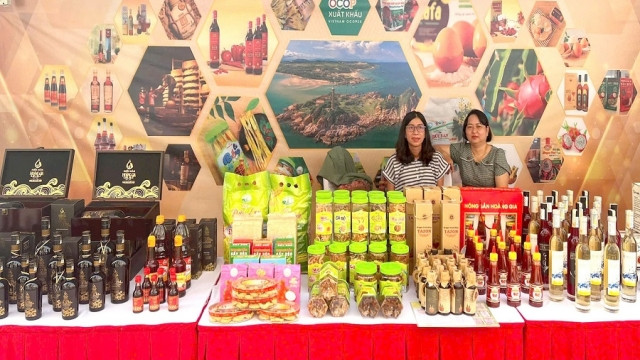
After obtaining OCOP certification, many agricultural products in Lam Dong face challenges in maintaining quality, expanding markets, and achieving sustainable development, with numerous producers still struggling to find a clear path forward after receiving this “passport.”
.jpg)
The need for stronger linkages
According to OCOP producers, there is considerable opportunity to expand the raw material areas in Lam Dong, particularly as market demand continues to increase. However, this also entails strict and standardized criteria, encompassing everything from cultivation regions and production methods to the final products delivered to consumers.
To comply with both domestic and international standards, substantial financial resources and strong partnerships between OCOP producers and major enterprises are essential. This remains a significant challenge, as many producers operate on a small scale, have limited connections, and lack the capacity for substantial investment.
As the proprietor of a three-star OCOP-certified roasted coffee product, Nguyen Thi Hong from Hoa Bac Commune expressed her happiness over the growing acceptance of her product in the market, its expanding distribution network, and its role in increasing the value of local agricultural goods.
She remarked: “OCOP products not only embody the brand of an individual producer but also signify the reputation and image of the locality. Thus, we consistently focus on rigorous quality control from the selection of raw materials and production to packaging, while progressively refining processes for safety and sustainability to uphold consumer confidence.”
According to Vu Hong Long, Chairman of the Hoa Bac Commune People’s Committee, the commune currently has seven products certified as three-star OCOP products.
Additionally, there are two established production linkage chains: one for sustainable coffee and another for durian, both of which comply with advanced techniques and ensure food safety. “At present, the concentrated raw material areas for key agricultural products in Hoa Bac are progressively being assigned area codes. Coffee is the primary crop, occupying 4,244 hectares, while durian spans 1,740 hectares, creating concentrated commodity production zones that serve as a foundation for the development of sustainable value chains,” he stated.
Nevertheless, not every OCOP producer functions effectively after receiving certification. Many remain small-scale and continue to face challenges in improving processing technology, upgrading packaging, and distributing their products.
Consequently, the benefits of OCOP certification are not completely achieved, and in certain instances, maintaining a consistent market presence proves to be challenging.
Promoting technology and innovation
According to the Department of Agriculture and Environment, in addressing post-certification challenges, the province will focus on strengthening and protecting OCOP branding; applying digital technology for product traceability and distribution; and expanding e-commerce channels. At the same time, it plans to develop logistics systems and storage infrastructure in key production areas to reduce intermediary costs and enhance competitiveness.
Vo Ngoc Hiep, Vice Chairman of the Provincial People’s Committee, mentioned that the province is focusing on large-scale, high-efficiency agricultural practices to enhance value, with an emphasis on major products such as vegetables, flowers, coffee, pepper, mulberry and silk, as well as fruits like durian, avocado, passion fruit, dragon fruit, and grapes.
The province aims to develop specialized farming regions that are resilient to climate change, encourage technological advancements and digital transformation, and connect production with processing industries, mechanization, and the modernization of supply chains.
It is evident that following the achievement of OCOP certification, the crucial aspect is not just meeting standards, but also ensuring long-term value and progressively reinforcing market position.
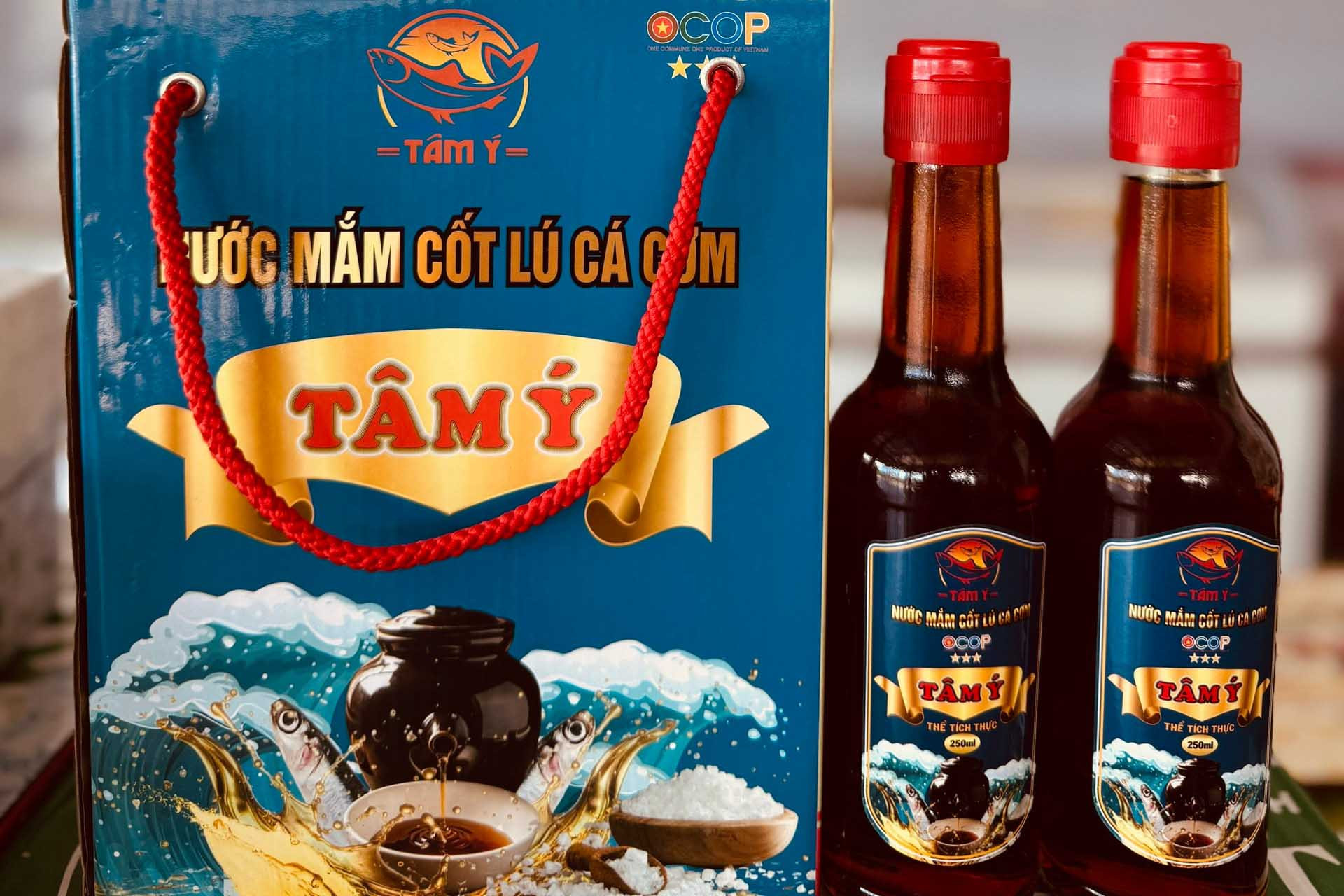
The province is currently home to 914 OCOP products, including 839 three-star and 75 four-star products. Numerous certified products have not only preserved their quality but also increased their value, aiding in the sustainable development of the rural economy.