


OCOP Products Become Tourism Ambassadors
With its advantages in agriculture, landscapes and indigenous culture, Lam Dong is upgrading OCOP products into special tourism “ambassadors” that connect with the market and open up opportunities for deeper access to modern distribution systems, thereby enhancing competitiveness and affirming the value of regional identity.
OCOP Products Draw Experience-Seeking Tourists
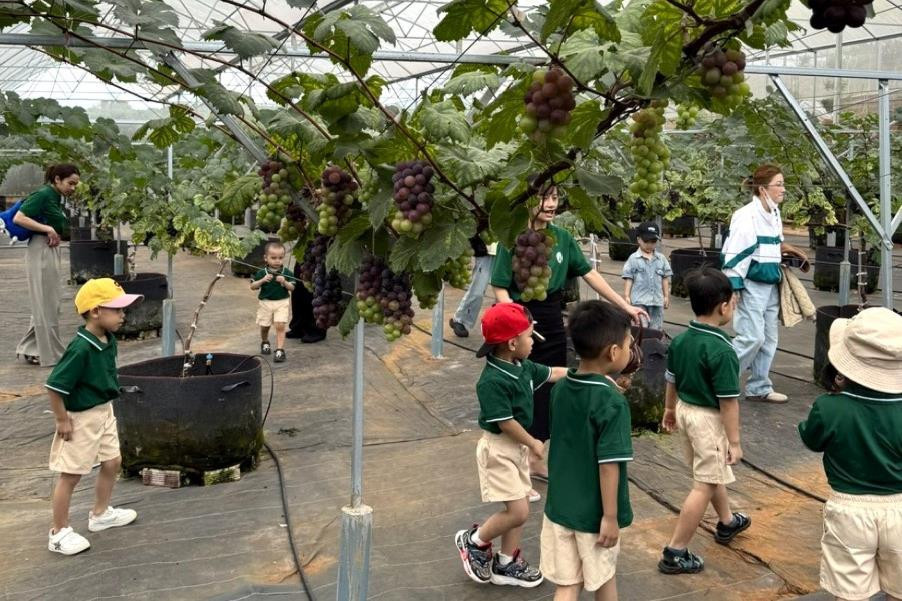
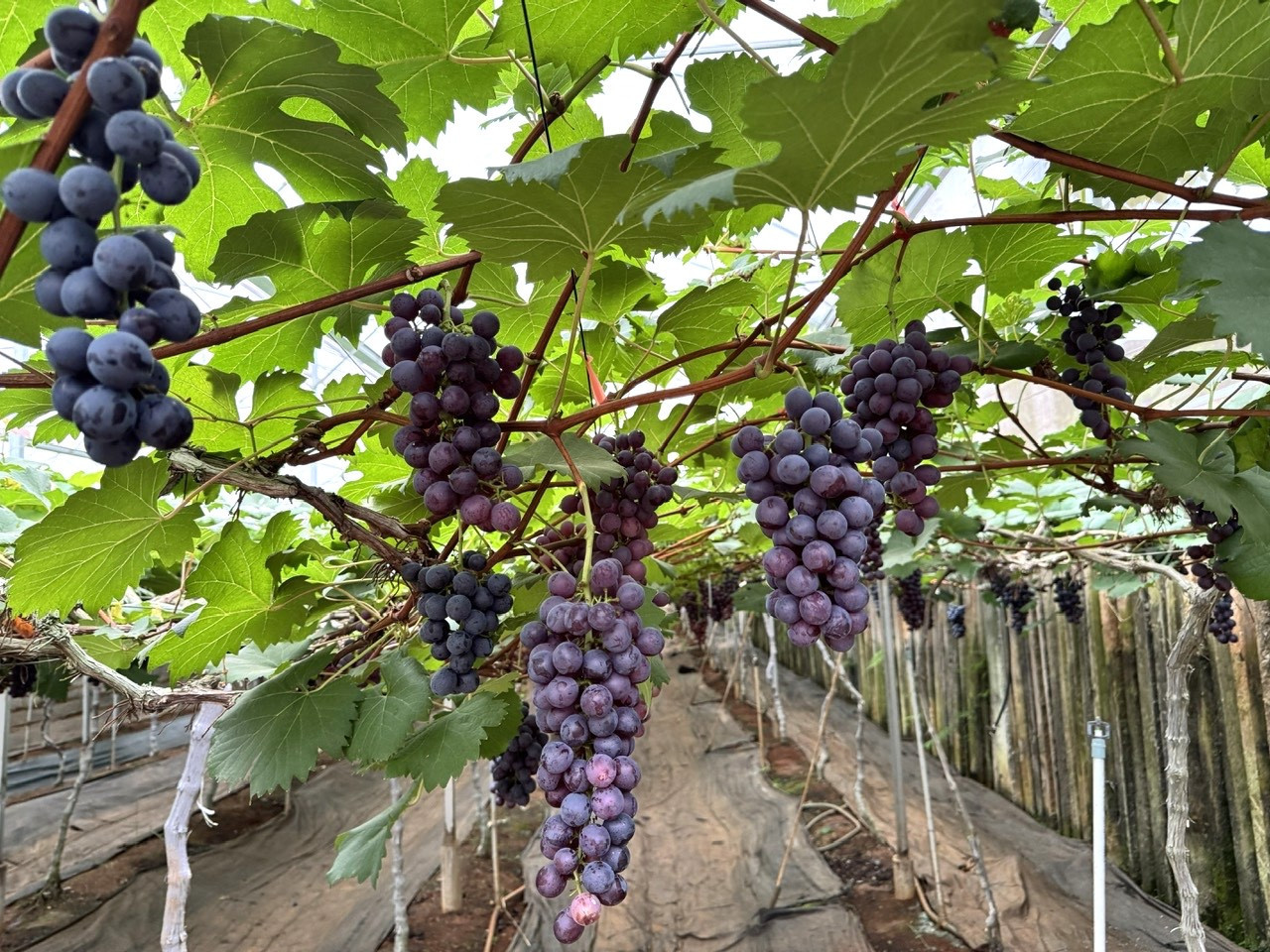
As the summer of 2026 coincides with the peak harvest season for 3-star OCOP-rated Japanese black grapes in Hiep Thanh Commune, the vineyard welcomes 300–400 visitors each day for production experiences and hands-on grape picking. Vineyard owner Nguyen Huu Thanh recalled that he began developing the idea of agritourism more than 10 years ago.
After a period of self-study, research and successful trial cultivation, he converted 2,000 square meters of low-income crops into a specialized growing area for nearly 10 varieties of Japanese black grapes. In 2024, after eight years of perfecting the production process, Thanh’s farm was recognized by the province as an agritourism site and officially opened to visitors.
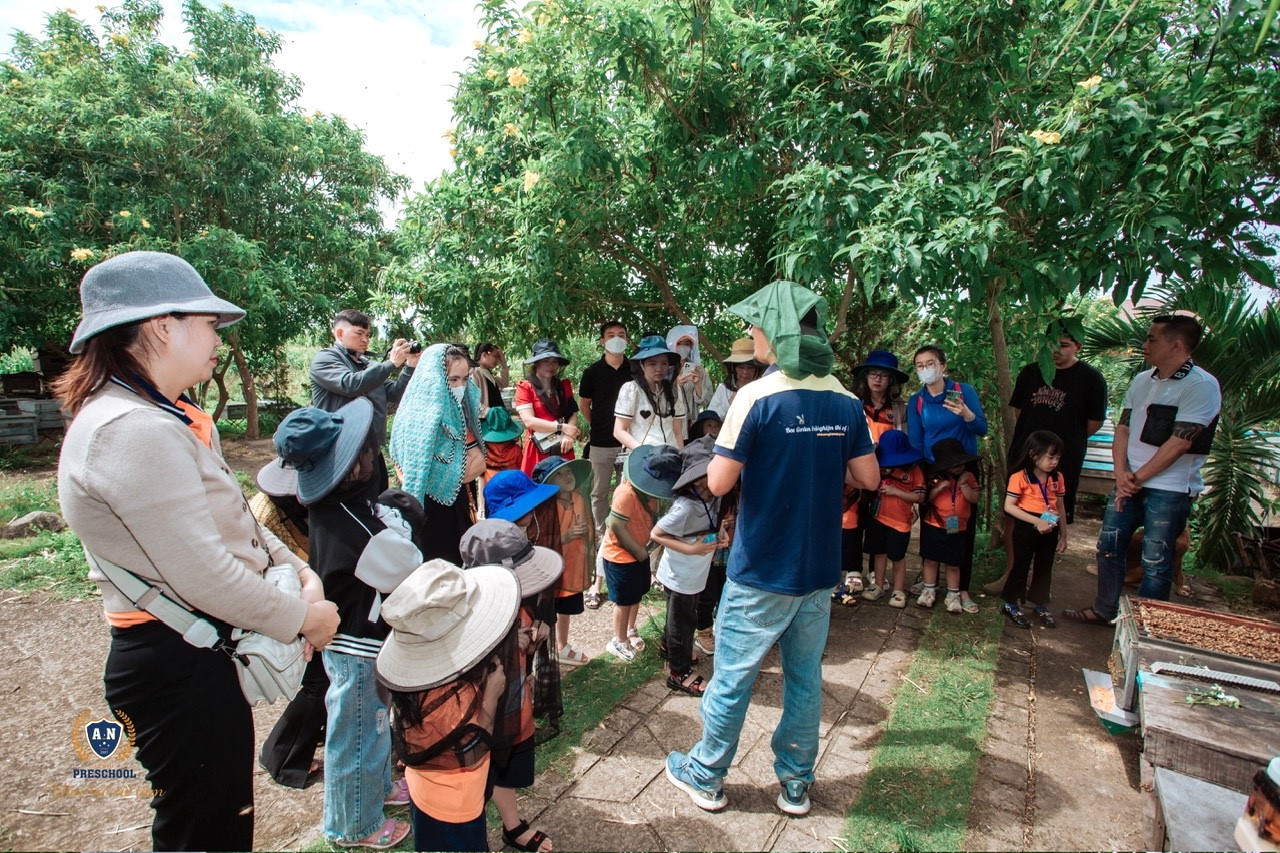
In the 2025–2026 period, Thanh continued his research and successfully cultivated an additional 2,000 square meters of Japanese black grapes in felt fabric pots. This method has increased productivity by about 30 percent compared with grapes grown in soil beds, while attracting a growing number of experience-seeking tourists. He has also arranged a space where visitors can learn about the stories behind the creation of more than 30 distinctive 3- and 4-star OCOP product lines in the province.
The honey farm in Duc Trong Commune, currently rated 3-star OCOP product and aiming for 4-star status by the end of 2026, has emerged as an OCOP ambassador for agritourism. Through social media videos featuring beekeeping under coffee canopies and visitor experiences, owner Le Quoc Thai has helped promote Duc Trong’s land, people and distinctive coffee blossom honey products to wider audiences.
.jpg)
For example, a delegation of agricultural experts from the Philippines visiting the farm expressed their impression of its nature-based beekeeping techniques among coffee fields. They also sampled 3-star OCOP products such as pollen, royal jelly and pure honey. Katarina, a Czech expert in ecological protection for bee colonies, said Le Quoc Thai’s more than 20 years of beekeeping experience could be valuable for similar models at home and abroad. She said she planned to return as a volunteer to help care for the farm’s bee colonies and support their sustainable development.
Enhancing the Value of Tourism Products
Provincial statistics show that Lam Dong currently has 857 OCOP products in the food and agricultural product categories, including four OCOP products related to ornamental plants and tourism. Recenty, the province has carried out various trade promotion activities for distinctive OCOP products serving tourists and local consumers. It has also supported OCOP producers in joining regional and national tourism activities, thereby improving brand recognition, expanding consumer markets and strengthening product distribution links.
Bui Thi Hang, Deputy Director of the provincial Sub-Department of Rural Development, said: “The province currently has 96 community trademarks associated with OCOP products. These trademarks help expand markets, develop brands and enhance the position of the province’s specialty agricultural products in domestic and international markets, meeting the requirements of integration.”
According to the provincial Department of Culture, Sports and Tourism, Lam Dong will continue to develop and replicate rural tourism models that reflect the characteristics of different regions and localities.
The focus will be on developing tourism products linked to OCOP products, traditional craft villages and green tourism, thereby creating sustainable livelihoods. In particular, the province will integrate the development of rural tourism, community-based tourism and ecotourism into national target programs on new-style rural development, sustainable poverty reduction, and socio-economic development in ethnic minority and mountainous areas.