


One Lam Dong, Many Journeys of Discovery
Following the merger, Lam Dong has expanded its tourism landscape, stretching from the coast and highlands to vast forest regions. Capitalizing on this diversity, the province’s tourism sector is stepping up efforts to connect its destinations into multi-experience journeys and create greater value from tourism.
From separate destinations to a seamless journey
Within just a few hours of travel, visitors can leave the sunny blue coast of eastern Lam Dong for the cool highlands of Da Lat before continuing westward into vast forests rich in distinctive indigenous culture. Destinations that were once part of separate travel routes are now connected within a broader tourism landscape following the merger of the three former provinces of Binh Thuan, Lam Dong and Dak Nong.

While exploring the sand dunes and taking photos of the ever-changing landscape, Nguyen Thi Binh, a visitor from Hanoi, said her group of friends had spent two days exploring many of the coastal highlights in Mui Ne. “This was our first trip to Mui Ne and Phan Thiet. We visited many popular tourist attractions. The resorts here are beautiful, and the seafood is fresh and delicious. This morning, we stopped by the sand dunes before heading to Da Lat,” she said.
The journey then continues from the blue coast to the flower-filled highlands. After about three hours on the road from Mui Ne to Da Lat, the coastal sunshine gives way to cooler air, forests, flower gardens and highland farms.
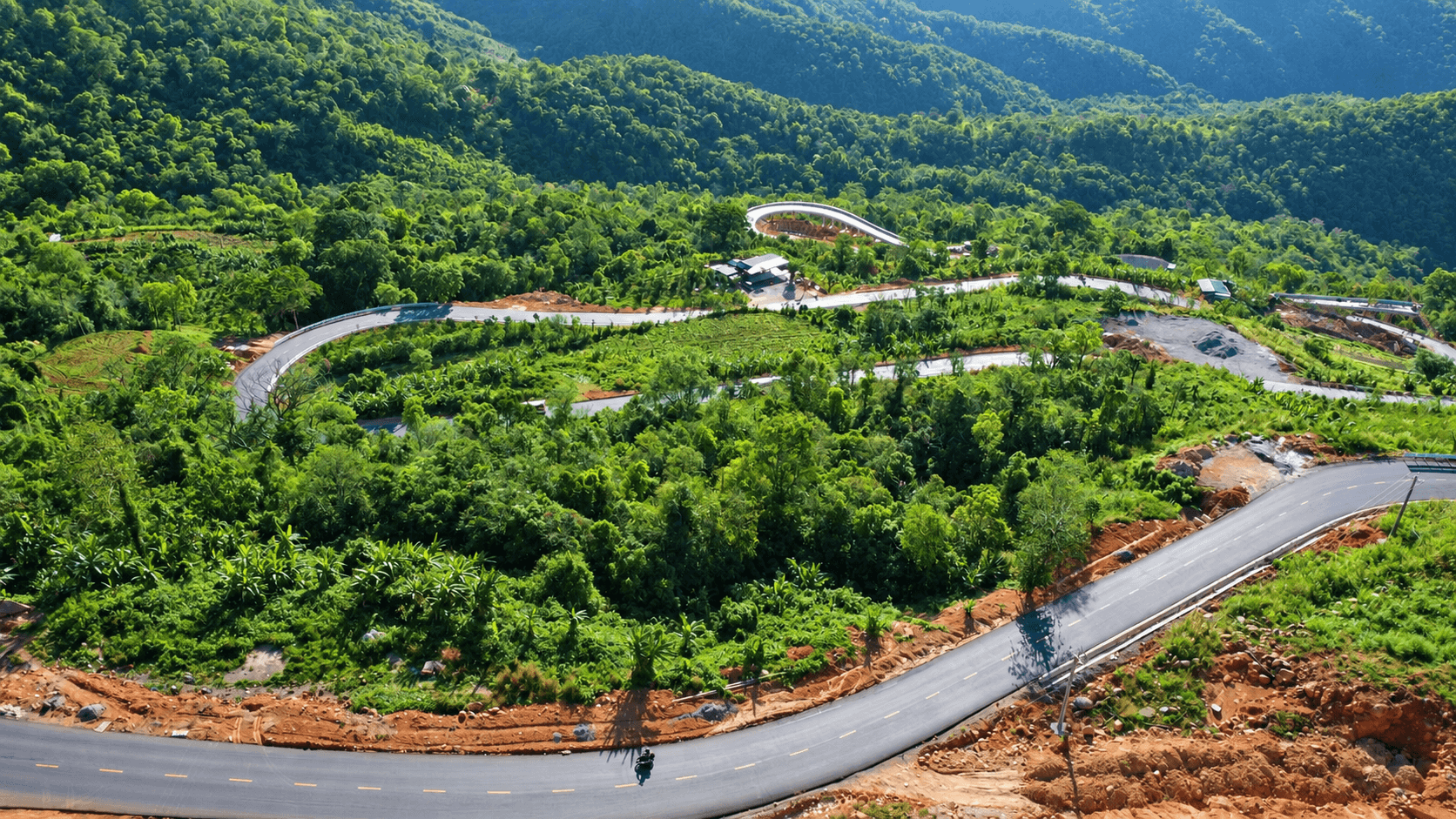
Previously, tour itineraries linking Mui Ne - Phan Thiet with Da Lat and Bao Loc were generally designed as interprovincial routes. Following the merger, they have become intraprovincial routes, giving travel companies greater flexibility to combine destinations into integrated tour itineraries rather than offering them as separate trips.
Huynh Cong Thanh, a tour guide from Ho Chi Minh City, said a growing number of visitors are choosing tours that combine the highlands and the coast, particularly families and international travelers. “With transport infrastructure now better connected, travel times have been shortened. There are also more convenient options by air and road, so visitors can choose from a range of connecting tours, including four-day, three-night itineraries, depending on their needs,” he said.
Nguyen Nam, a visitor from Tay Ninh added: “In a single day, I can experience two completely different settings. In the morning, I can enjoy the sea and sand dunes; by the afternoon, I can enjoy the cool weather, hot coffee and the deep green of pine forests. It is very interesting and different from staying in just one destination.”
Lam Dong’s greatest advantage today lies not only in its wide range of destinations, but also in the convergence of three ecological zones: highlands, midlands and coastal areas. This provides a basis for developing interconnected tourism products that build on the distinctive characteristics of each region.
From diverse experiences to room for growth
In 2026, Vietnam’s tourism sector aims to welcome 25–27 million international visitors and 150–153 million domestic tourists. To achieve these targets, the Ministry of Culture, Sports and Tourism has assigned international visitor growth targets to 11 key tourism localities, linking tourism growth scenarios with those for GRDP growth and calling for breakthrough measures and a more focused allocation of resources for the remaining months of the year.
Lam Dong has been assigned a target of 1.58 million international visitors, representing a growth rate of 33.7%.
During the first eight months of 2026, the province welcomed about 16.5 million visitors, up nearly 19% year on year. International arrivals reached nearly 1 million, an increase of around 15%.
The opportunity, however, is not simply to attract more visitors. It is also to encourage them to stay longer, experience more and spend more across the province.
According to Nguyen Hong Hai, Vice Chairman of the Vietnam Tourism Association, Lam Dong needs to clearly identify the core, flagship and distinctive tourism products of each area and link them to specific visitor segments. Resort tourism can focus on coastal areas; community-based tourism can integrate agriculture and culture; and MICE tourism can be combined with longer itineraries.
With distinctive products, individual strengths and clearly defined target visitor groups for each region, Lam Dong can turn its diversity into attractive, interconnected tourism products that create synergies and add new momentum to the province’s tourism growth.