

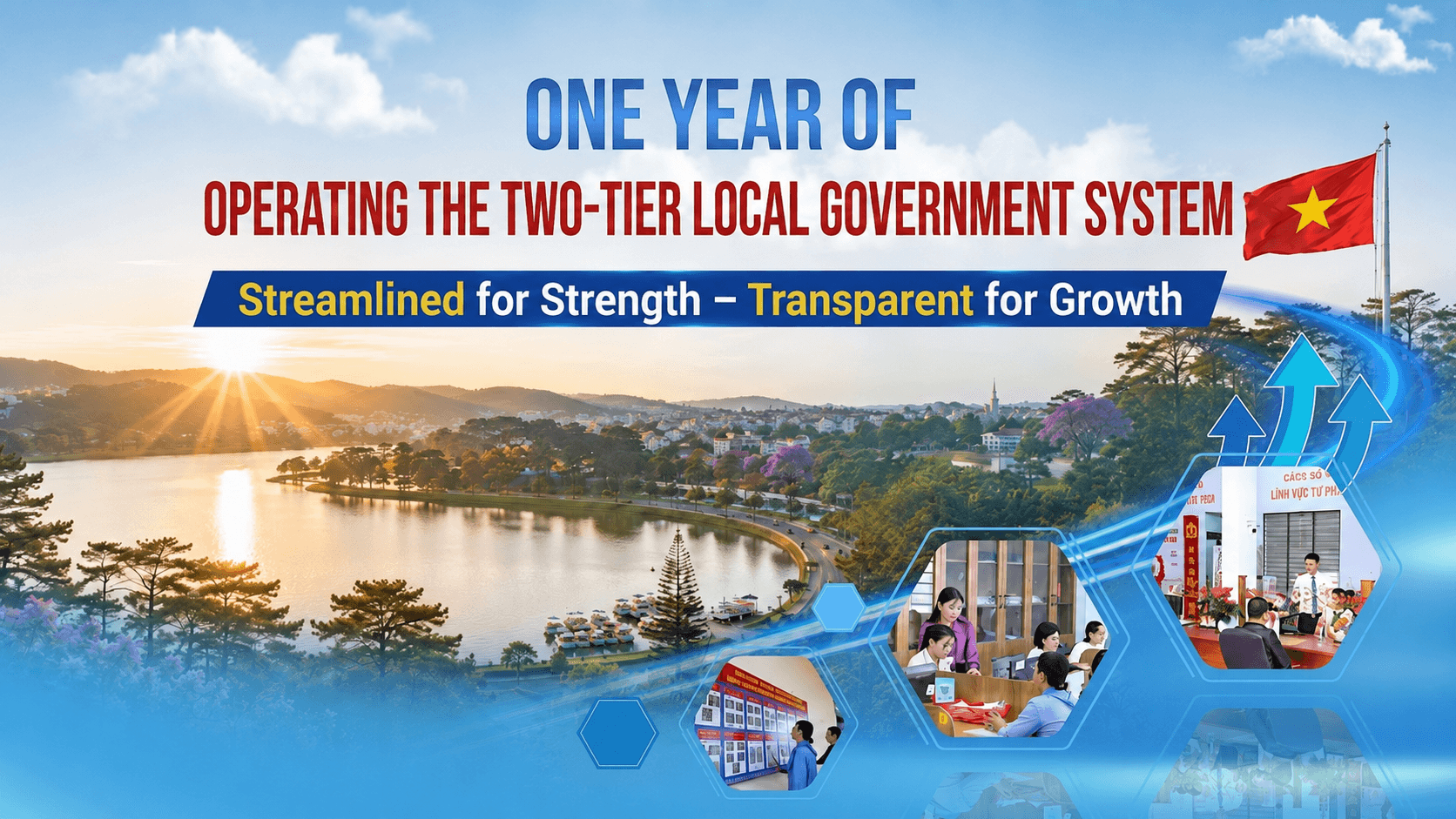
One Year of Operating the Two-Tier Local Government System: Streamlined for Strength, Transparent for Growth
After a year of implementing the policy to restructure administrative units and operate a two-tier local government model, Lam Dong Province is showing the policy's effectiveness—a decision with strong political significance and a solid foundation for socio-economic growth in a new era.
The reorganization of the administrative structure goes beyond just changing borders or names. At a deeper level, it's about restructuring development space and reallocating resources so that each locality can use its strengths, with the goal of creating a modern, streamlined administration that better serves the residents.
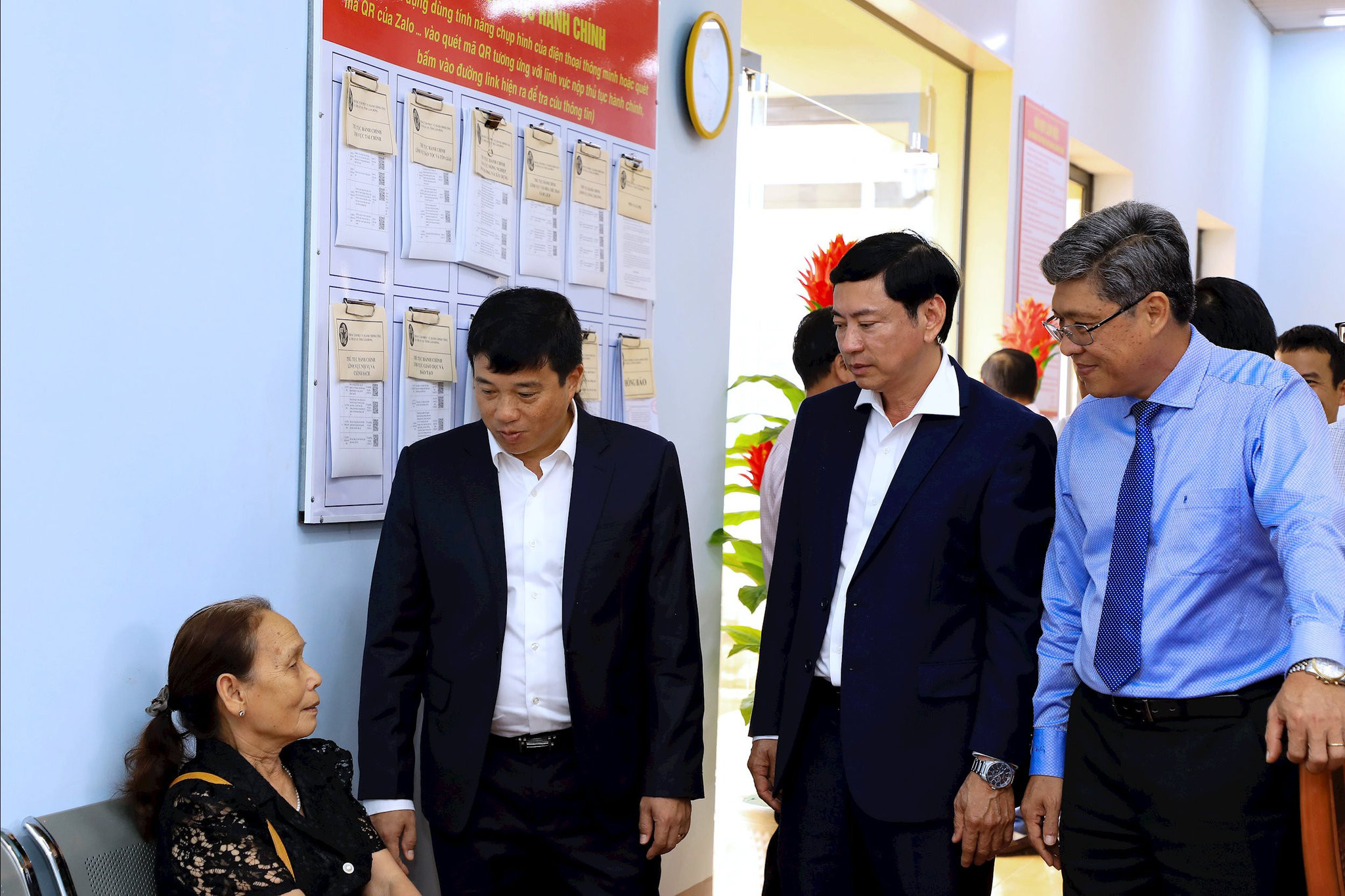

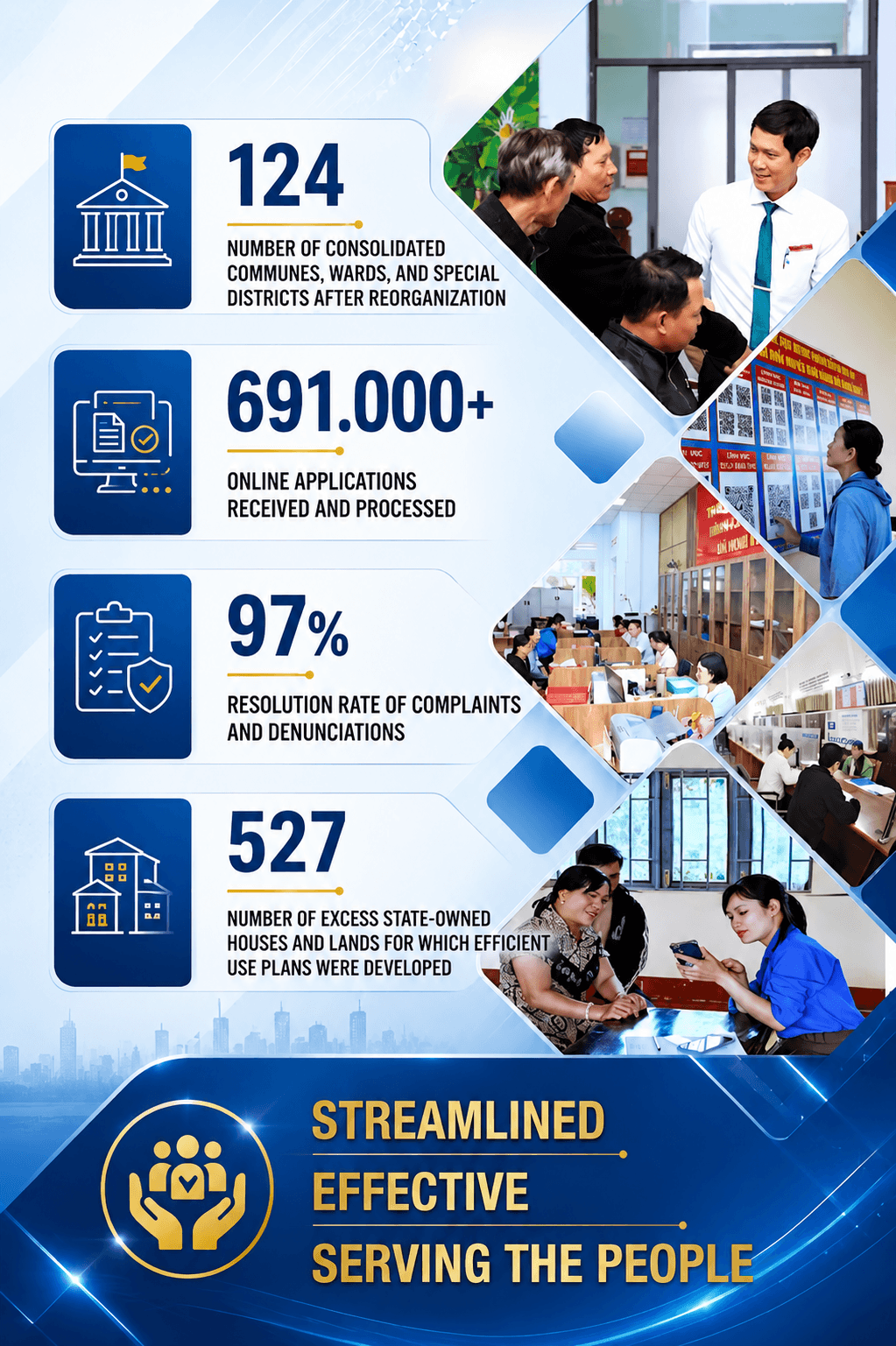
In implementing the Central Government’s policy on restructuring administrative units at the district and commune levels, Lam Dong Province moved swiftly and decisively to reorganize 124 communes, wards and special administrative zones.
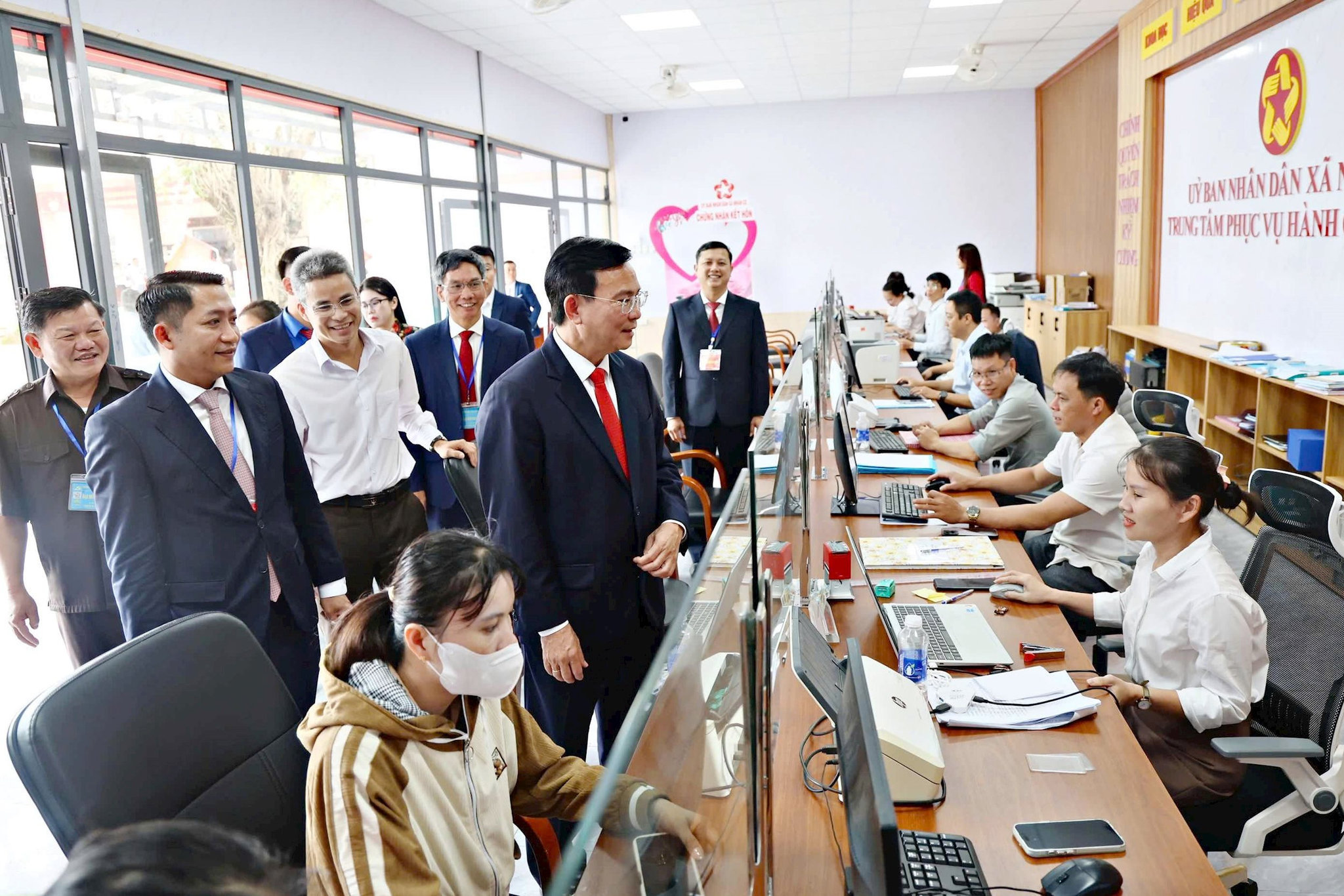
This large-scale transition required the coordinated participation of the entire political system, including organizational restructuring and personnel arrangements, and stabilizing residents' lives in newly reorganized localities.
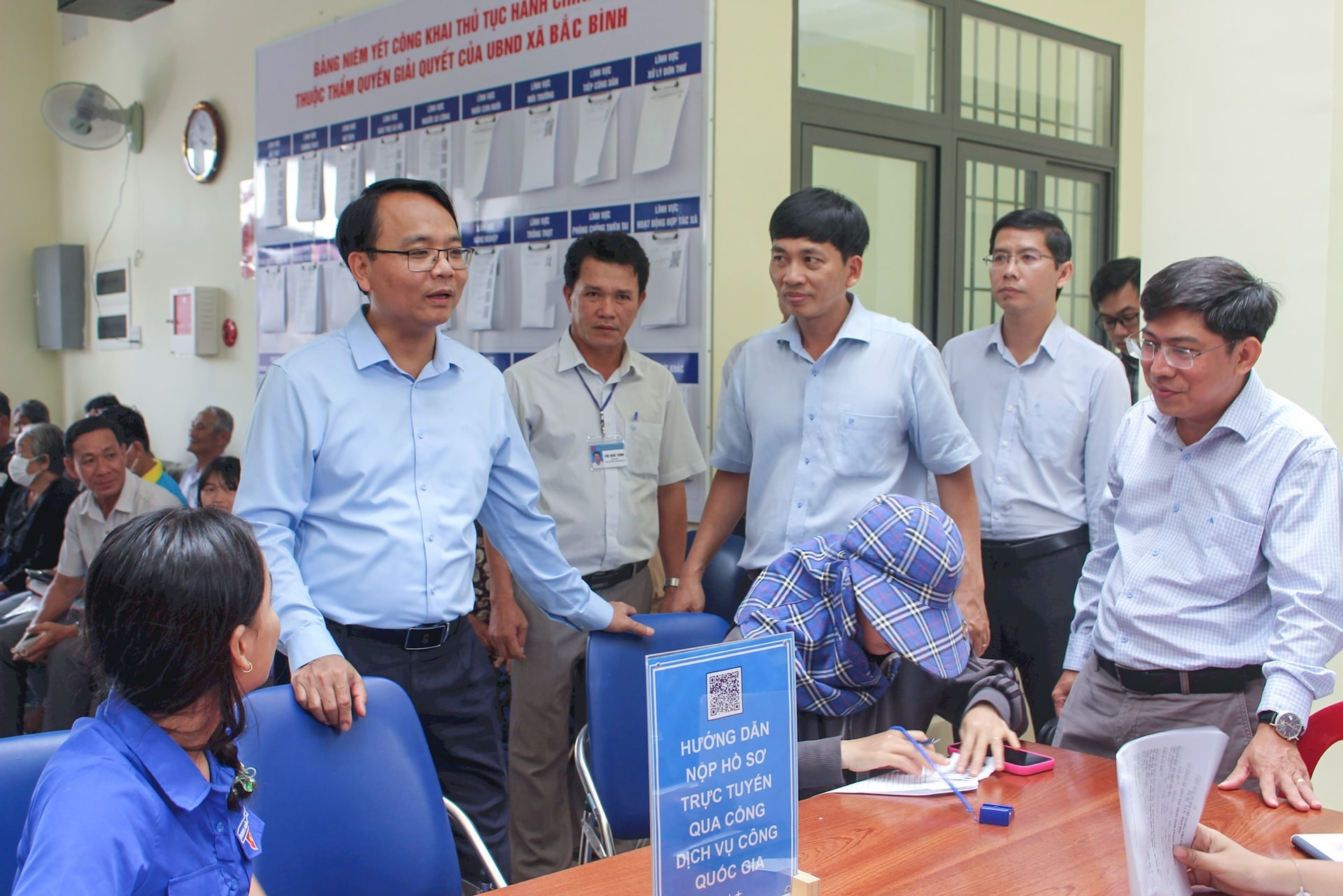
After one year of implementation, the most evident achievement has been the stability of the grassroots-level government system, along with the heightened sense of responsibility demonstrated by officials and civil servants under the new conditions.
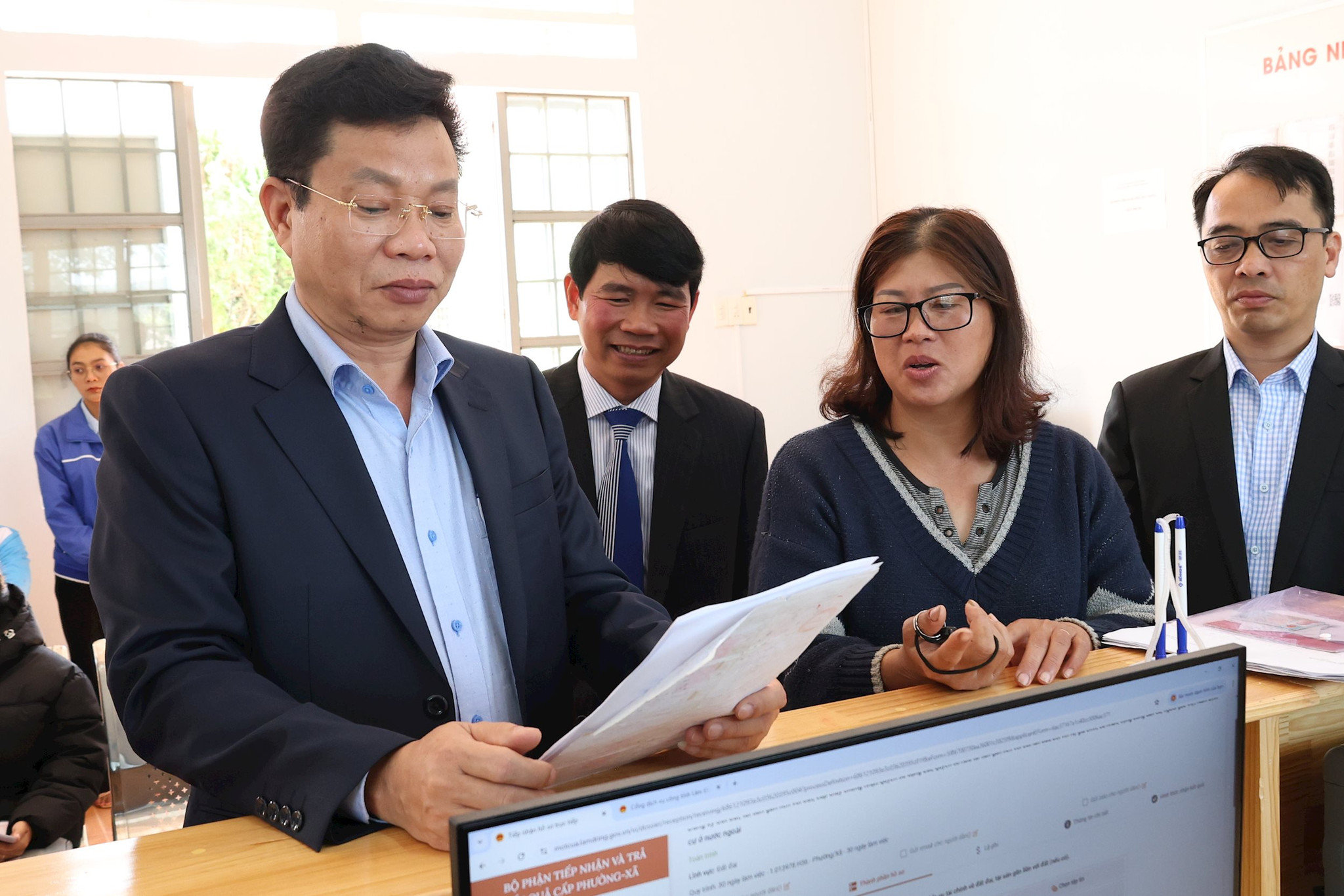
Local administrations have progressively established efficient operations in a new framework, ensuring that work continues uninterrupted and that residents' and businesses' rights and interests are preserved.
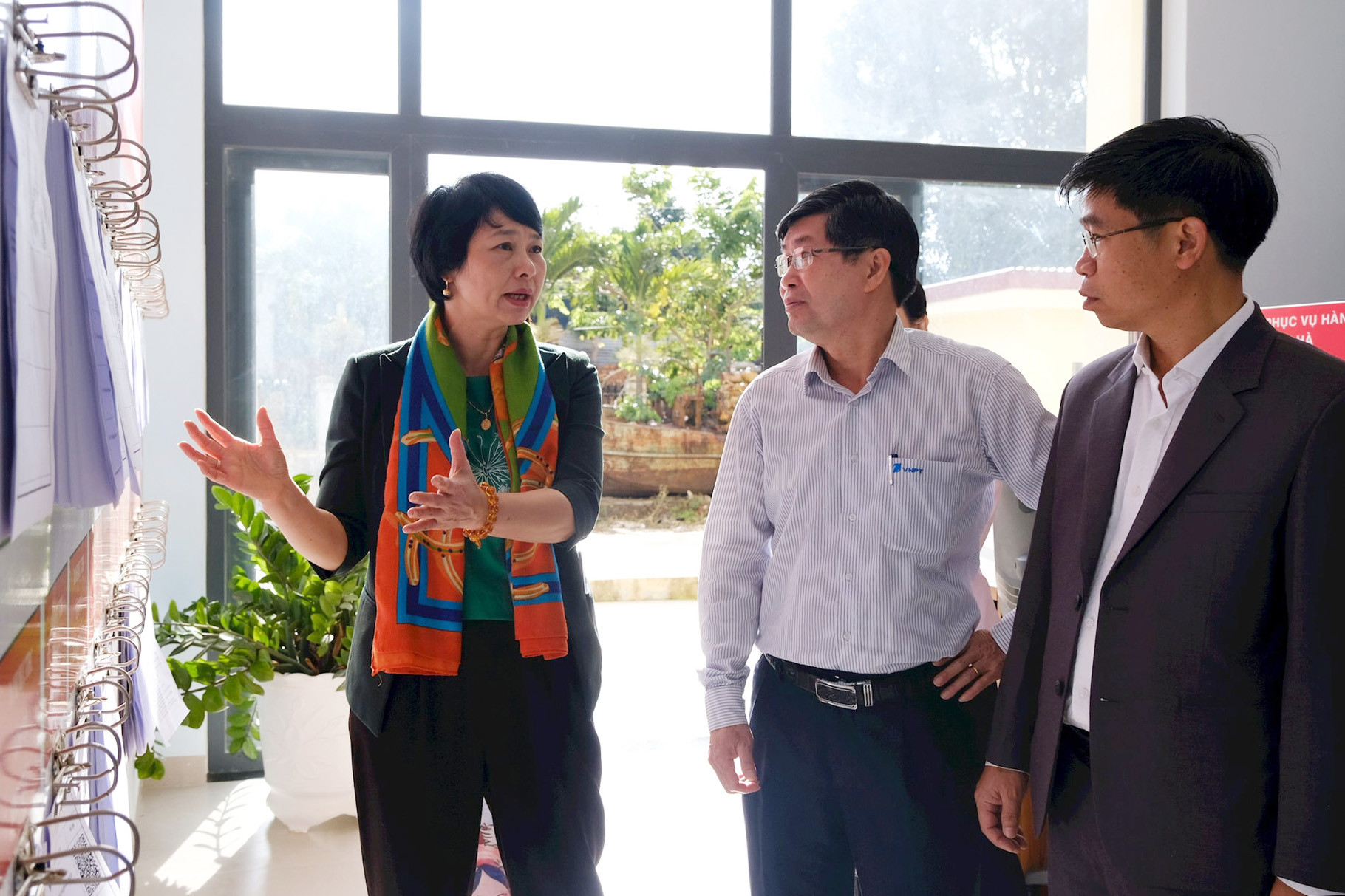
The reorganization of administrative divisions has helped to remove fragmented segments, thereby fostering an environment conducive to infrastructure planning, urban development, and the creation of extensive concentrated production zones.
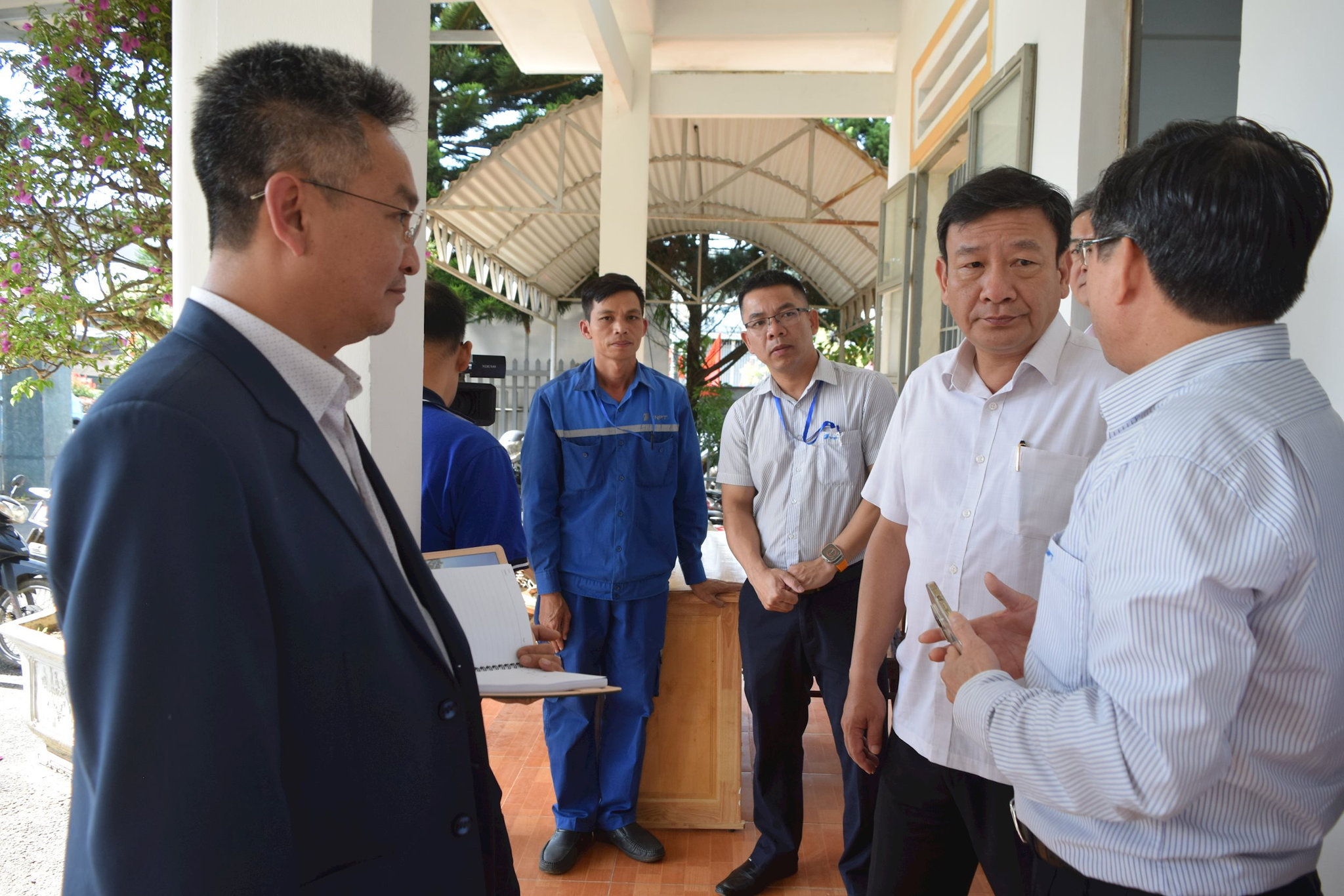
This is viewed as a crucial advancement toward broadening development opportunities, enhancing the effectiveness of state management, and better leveraging the potential of each area.
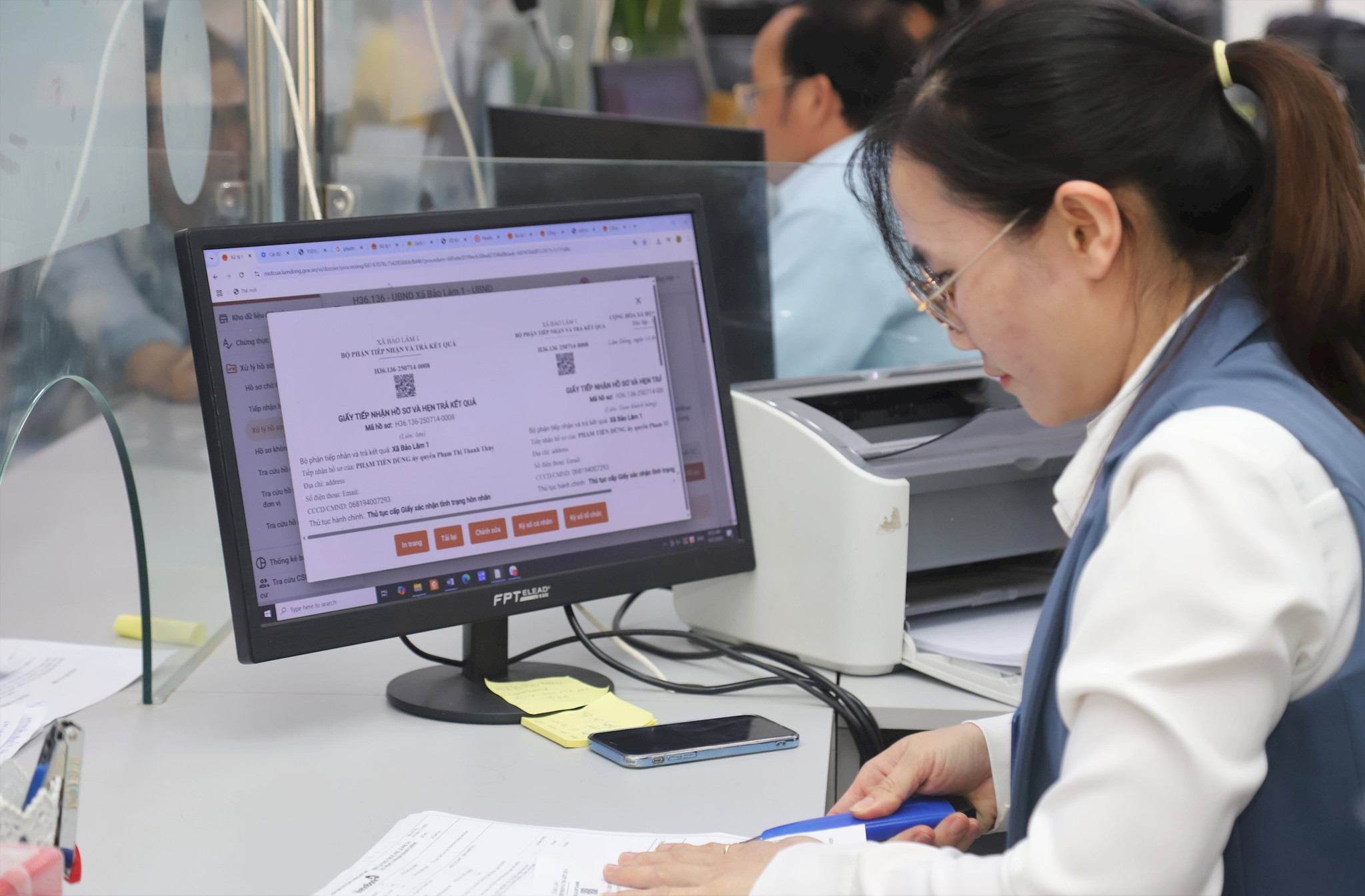
The reviewing and updating of data after the restructuring process has enabled the province to gain clearer insight into the management of natural resources, land, and forests. This initiative goes beyond merely "cleaning up" administrative data; it also serves as a crucial legal foundation for improving the effectiveness of state management, enhancing governance accuracy and transparency, and gradually addressing longstanding issues.

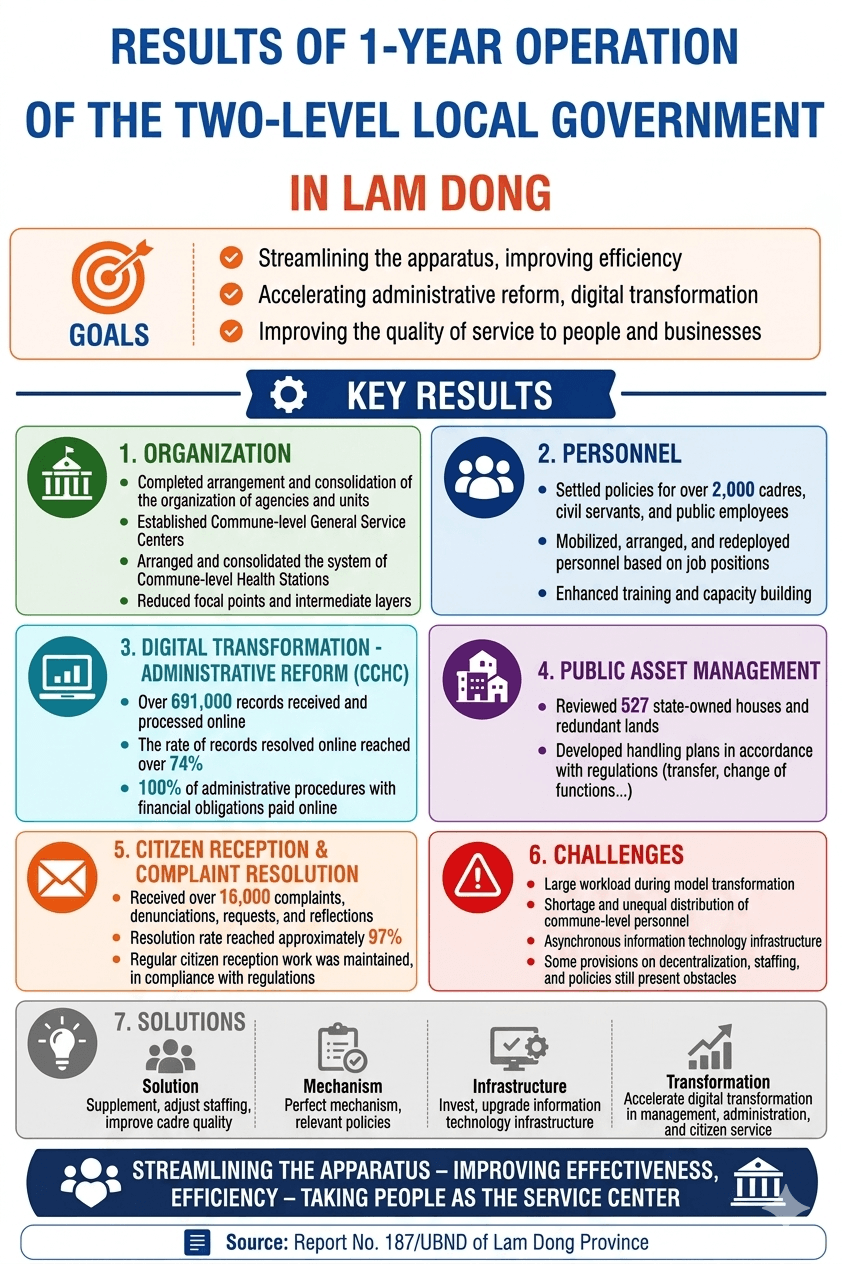
During the simplification of the administrative structure, the province placed special focus on personnel matters. More than 2,000 officials and civil servants whose positions were affected by the restructuring received full benefits and policy support in accordance with regulations, helping balance organizational efficiency with human considerations.
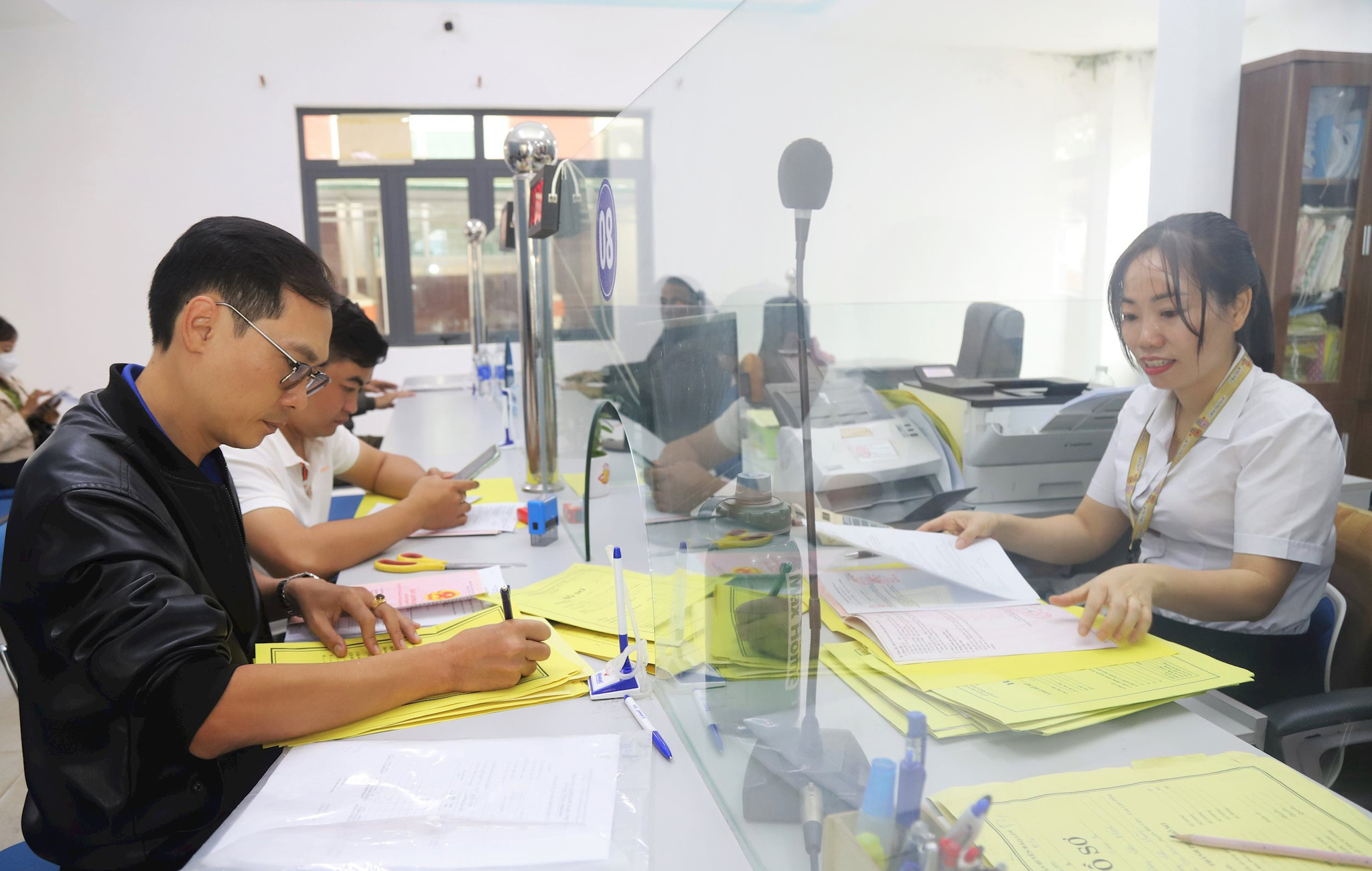
The remaining workforce has continued to be consolidated, trained and further developed to adapt to increasingly demanding tasks as workloads at the grassroots level have risen significantly.
.jpg)
.jpg)

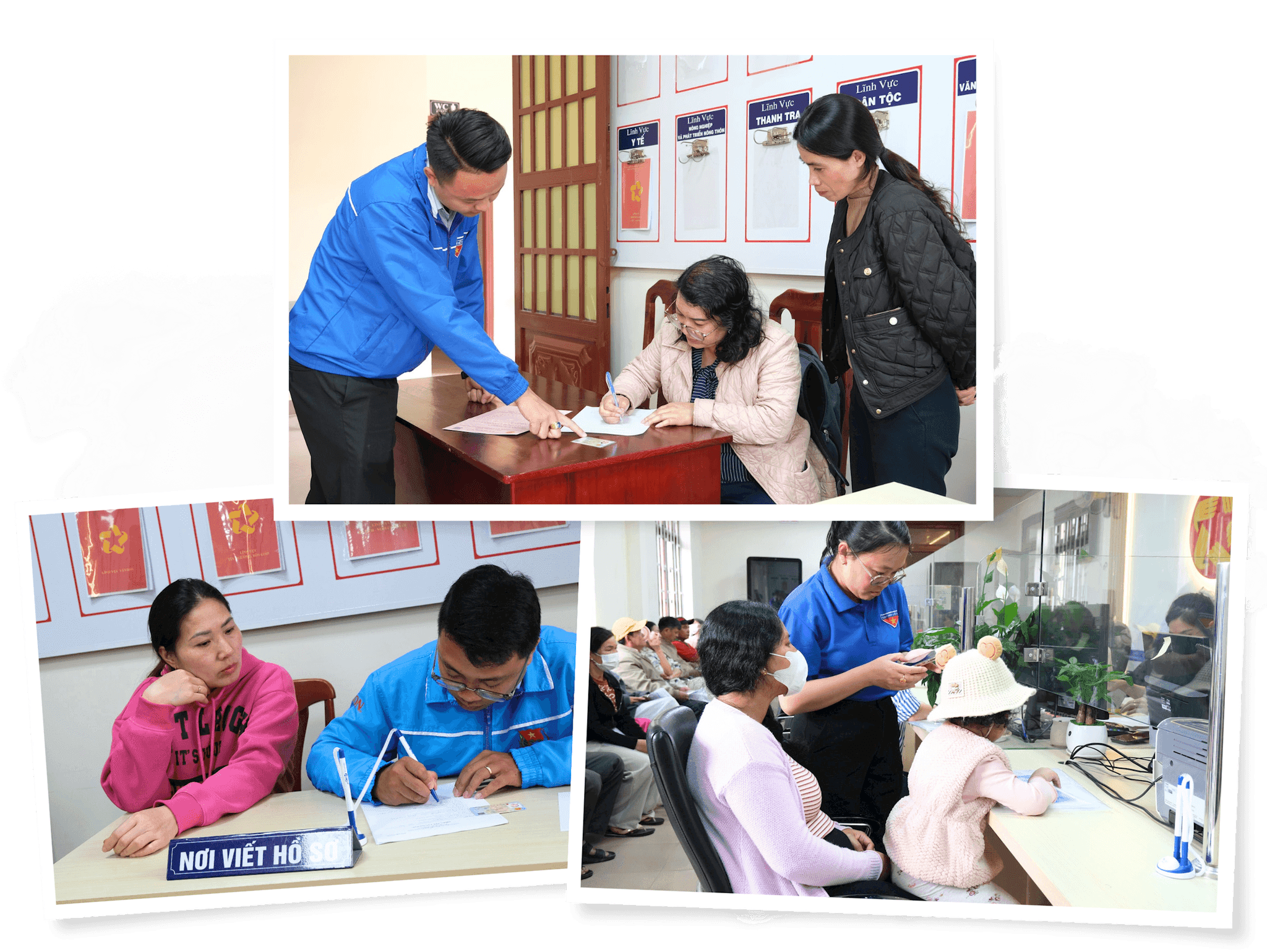
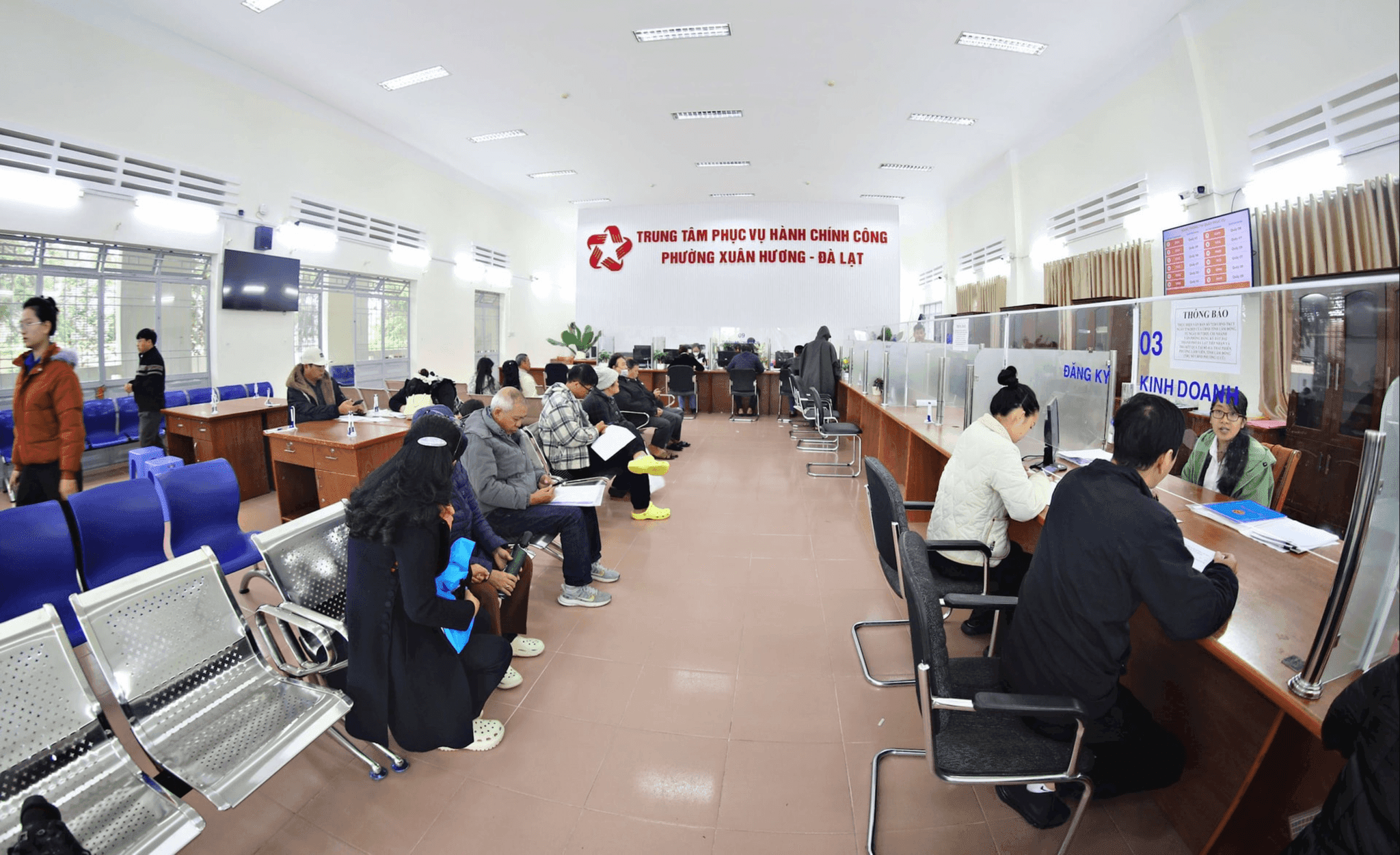
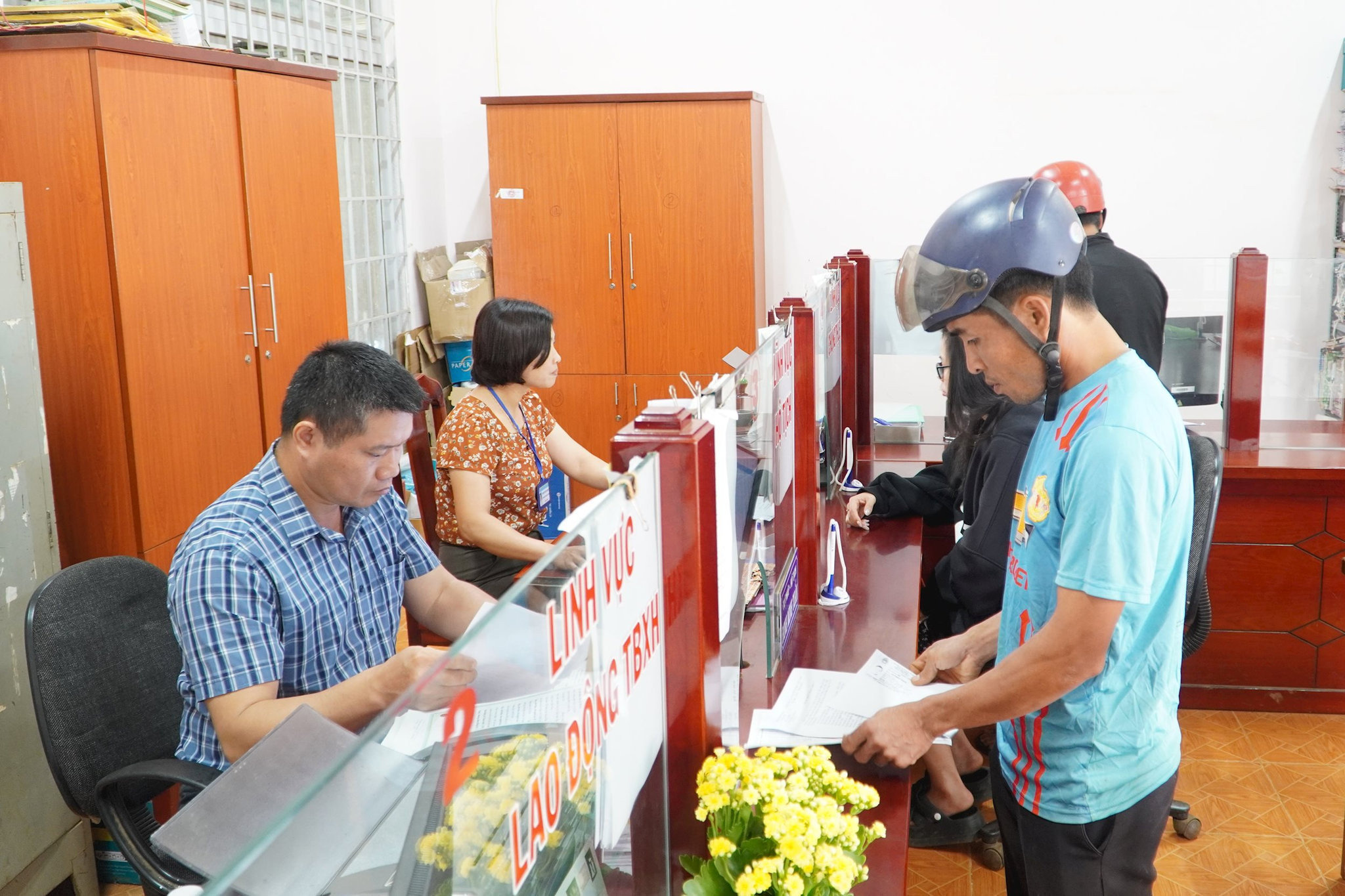
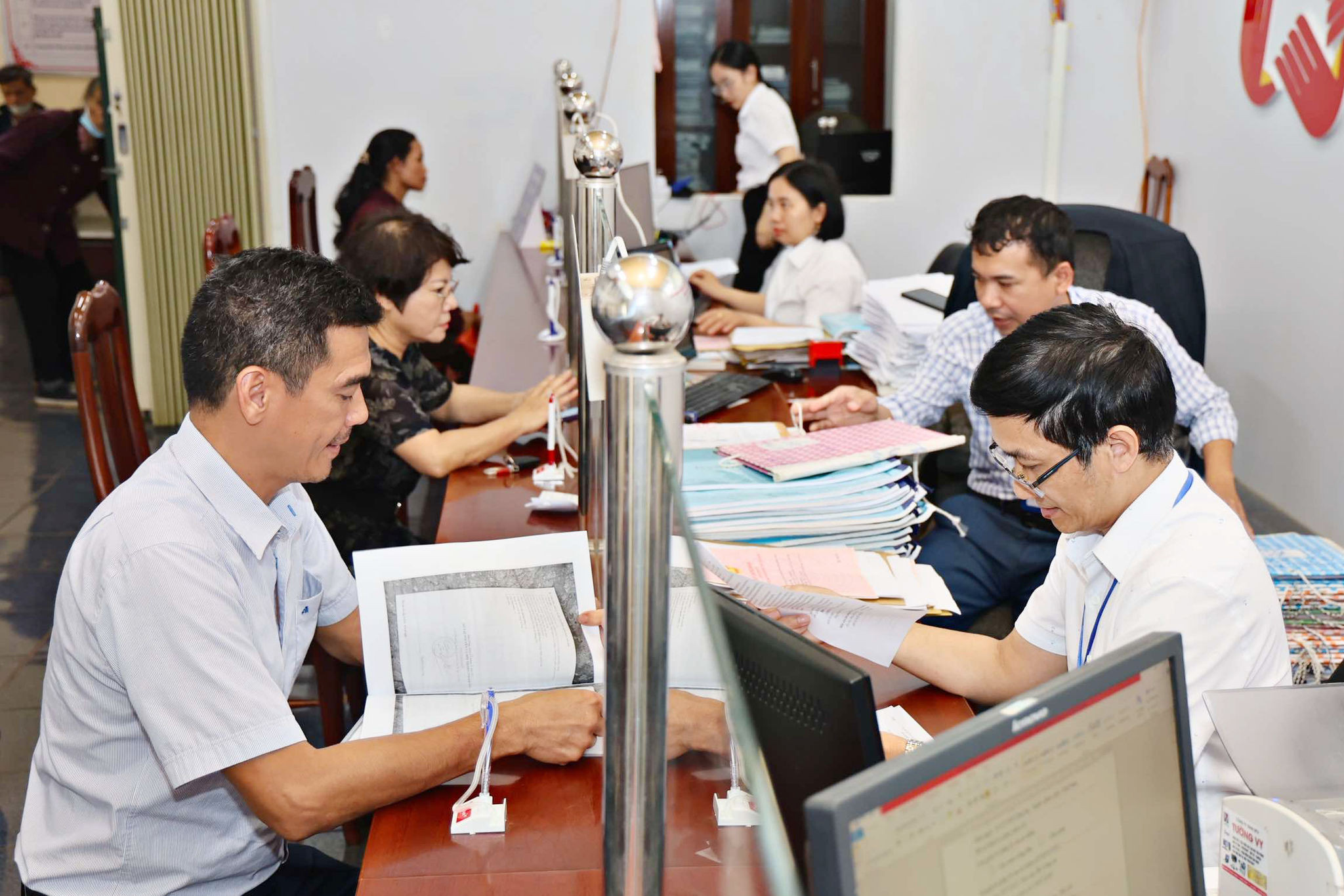
After one year of operating the two-tier local government model, the clearest hallmark in Lam Dong Province has been the strong progress made in administrative reform and digital transformation.
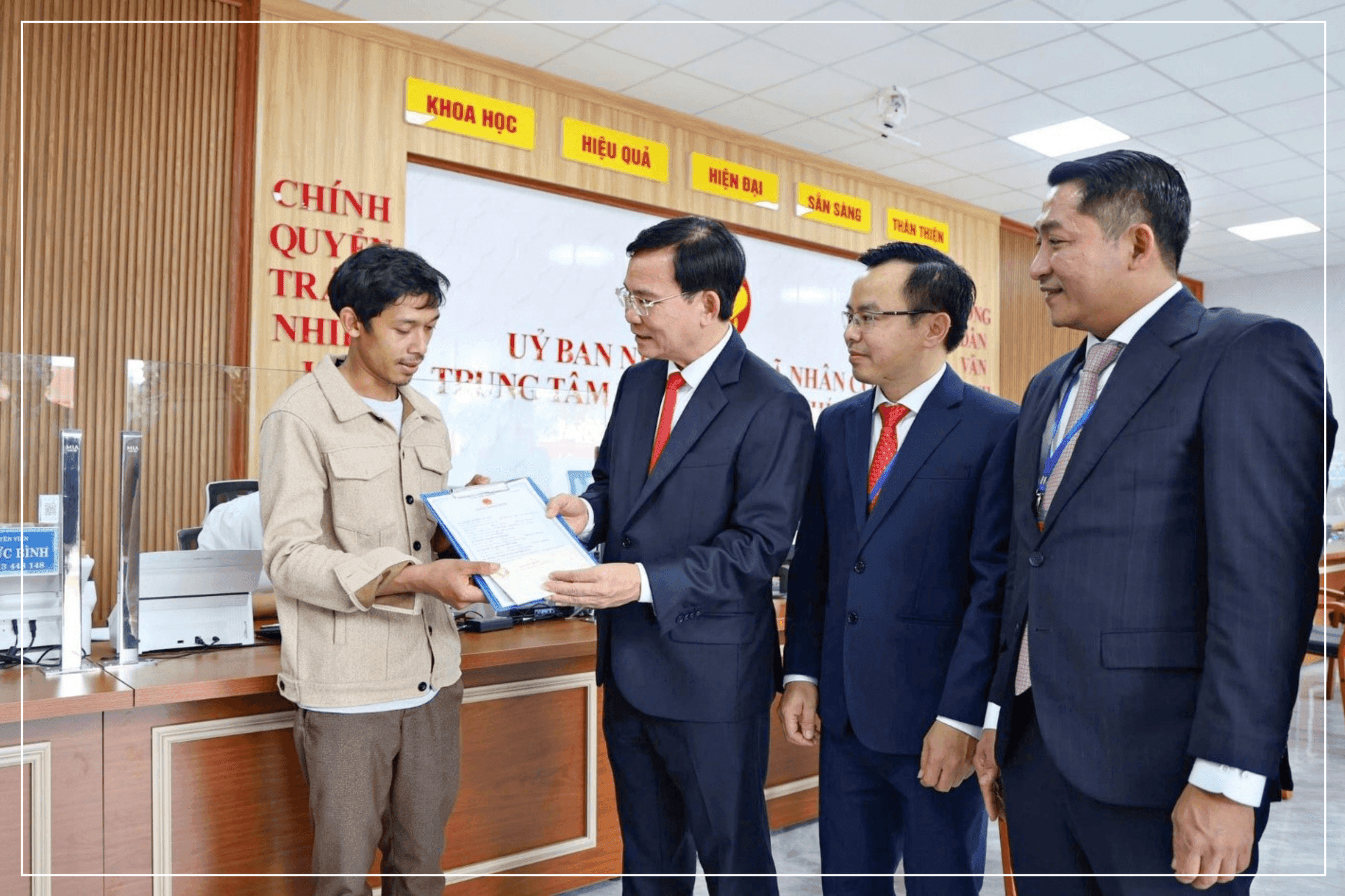
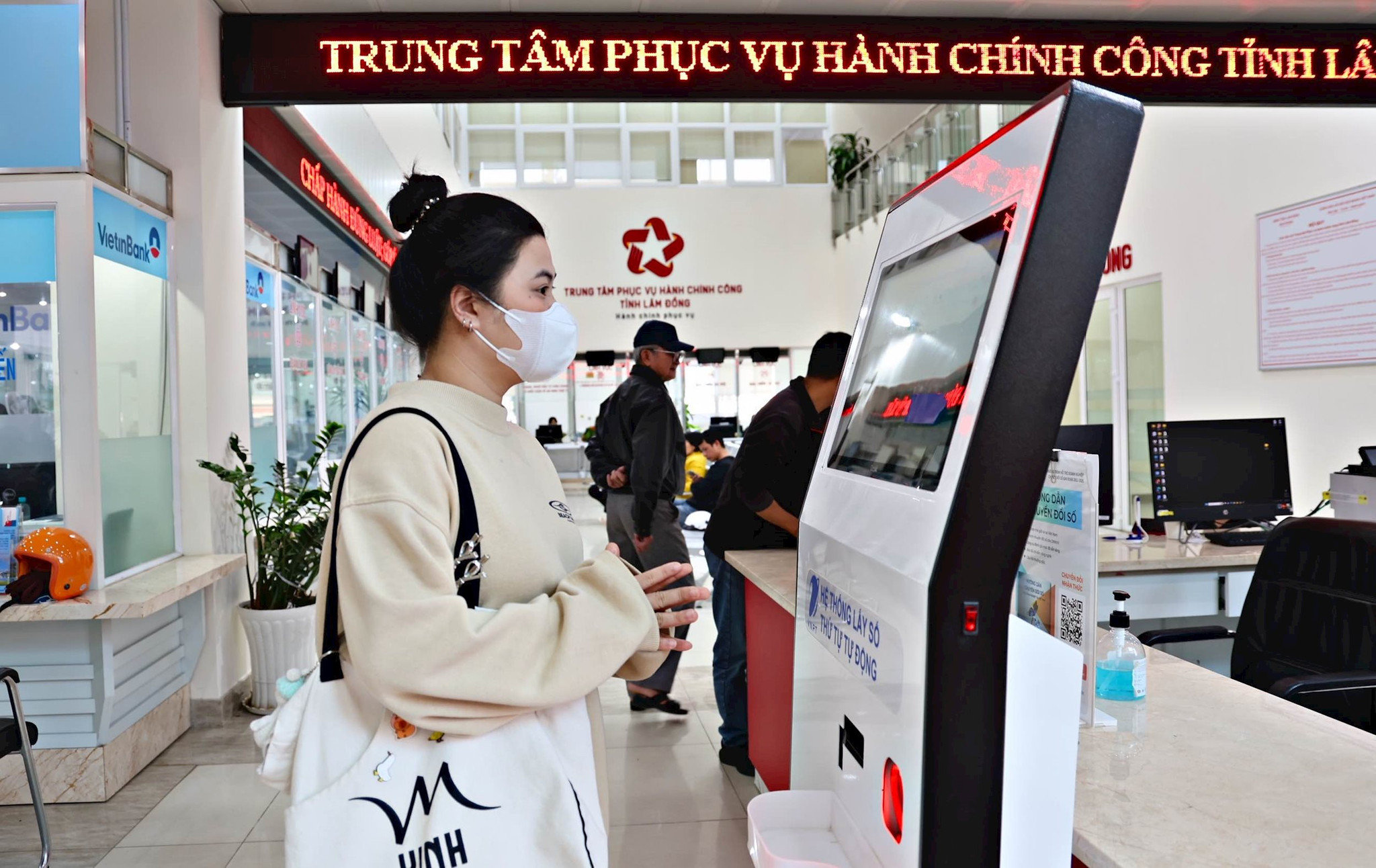
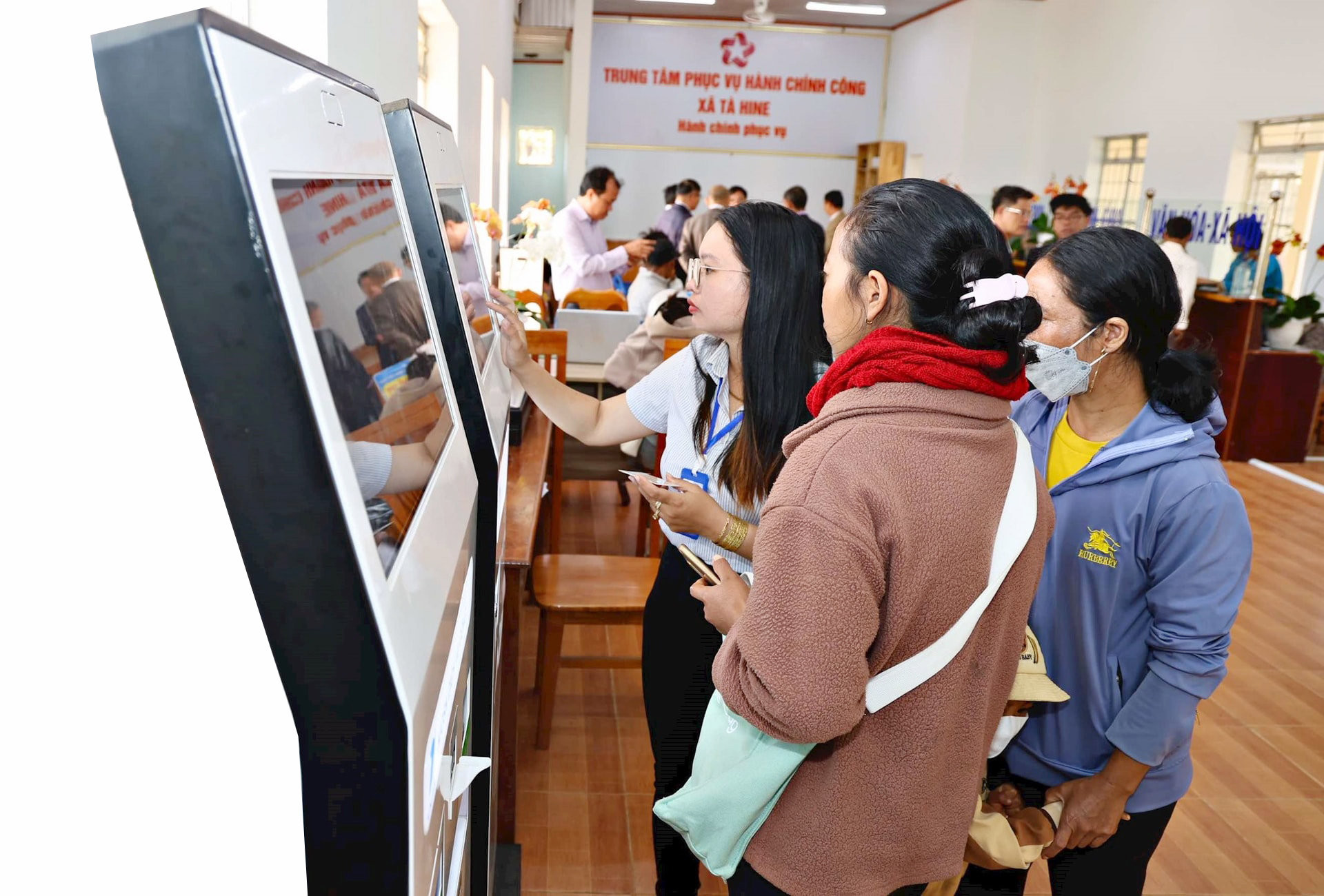
Guided by the principle of a “service-oriented government,” the province has focused on accelerating the digitalization of administrative procedures, placing residents and businesses at the center of governance. The achievements reflect not only political determination but also measurable results.
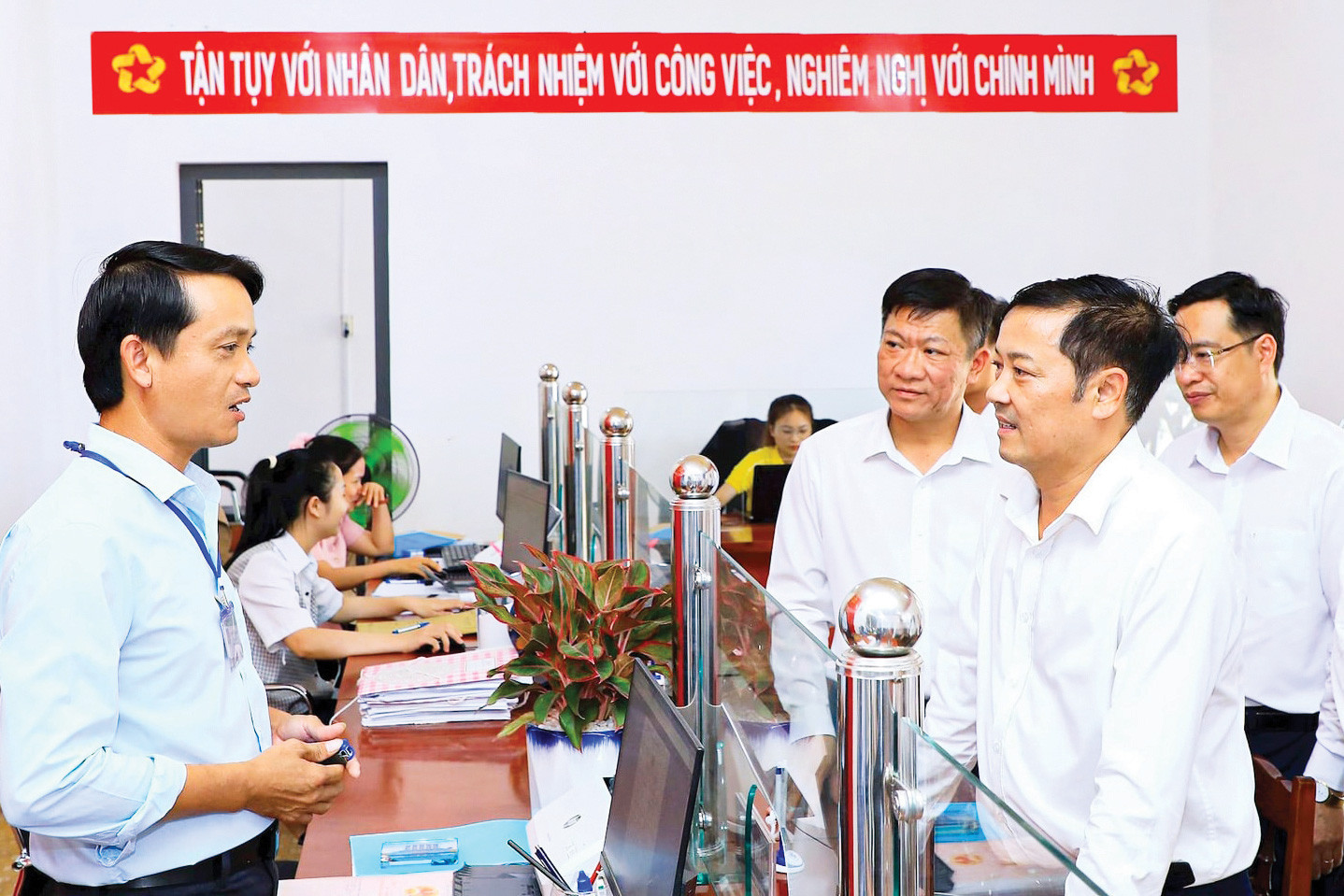
As of now, the province’s e-government system has handled over 691,000 online applications, achieving a resolution rate of more than 74%. Importantly, all administrative procedures that involve financial obligations have been completed online. This represents a significant advancement toward establishing a transparent, open administration while also minimizing travel time and costs for both residents and businesses.
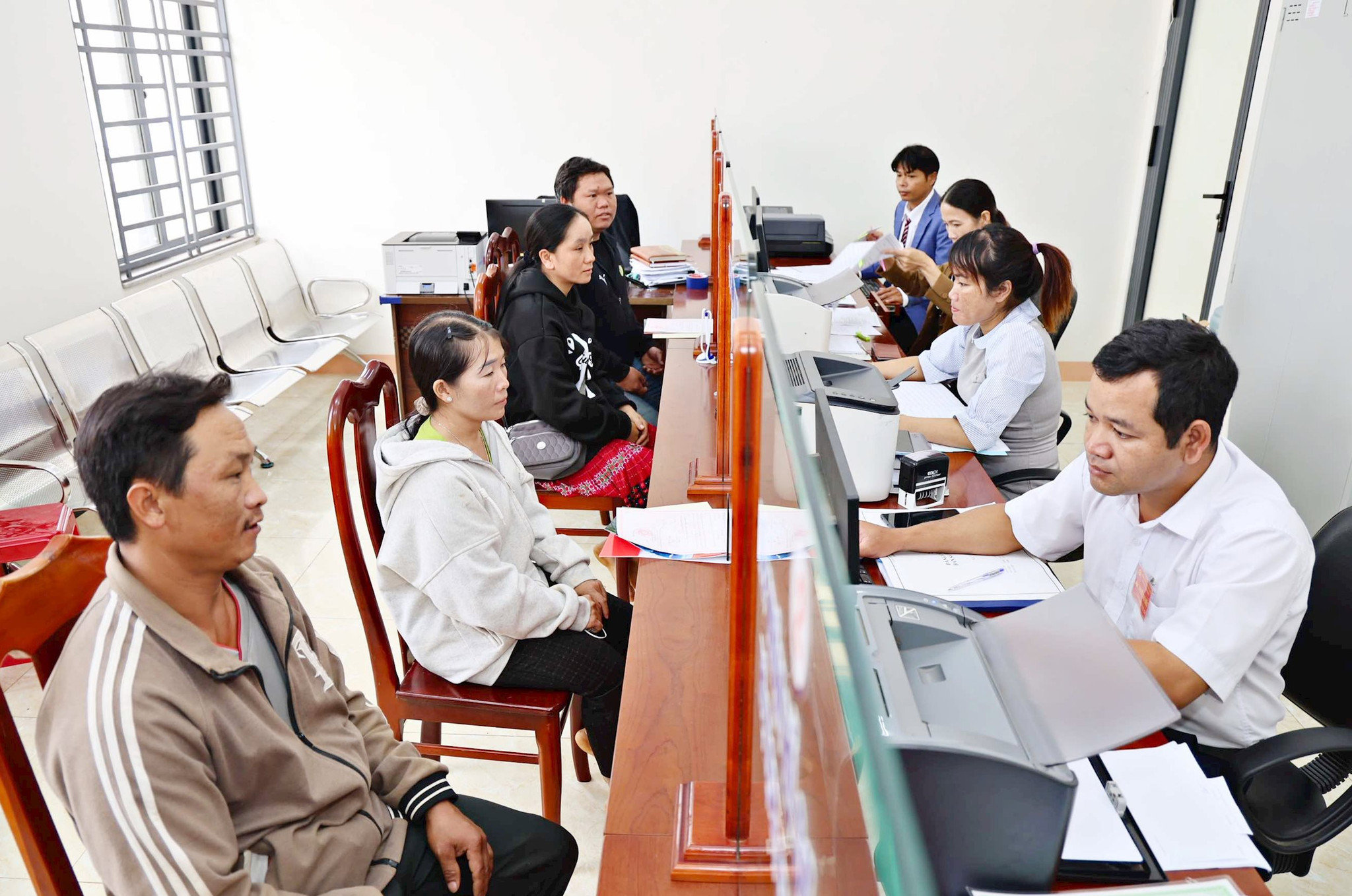
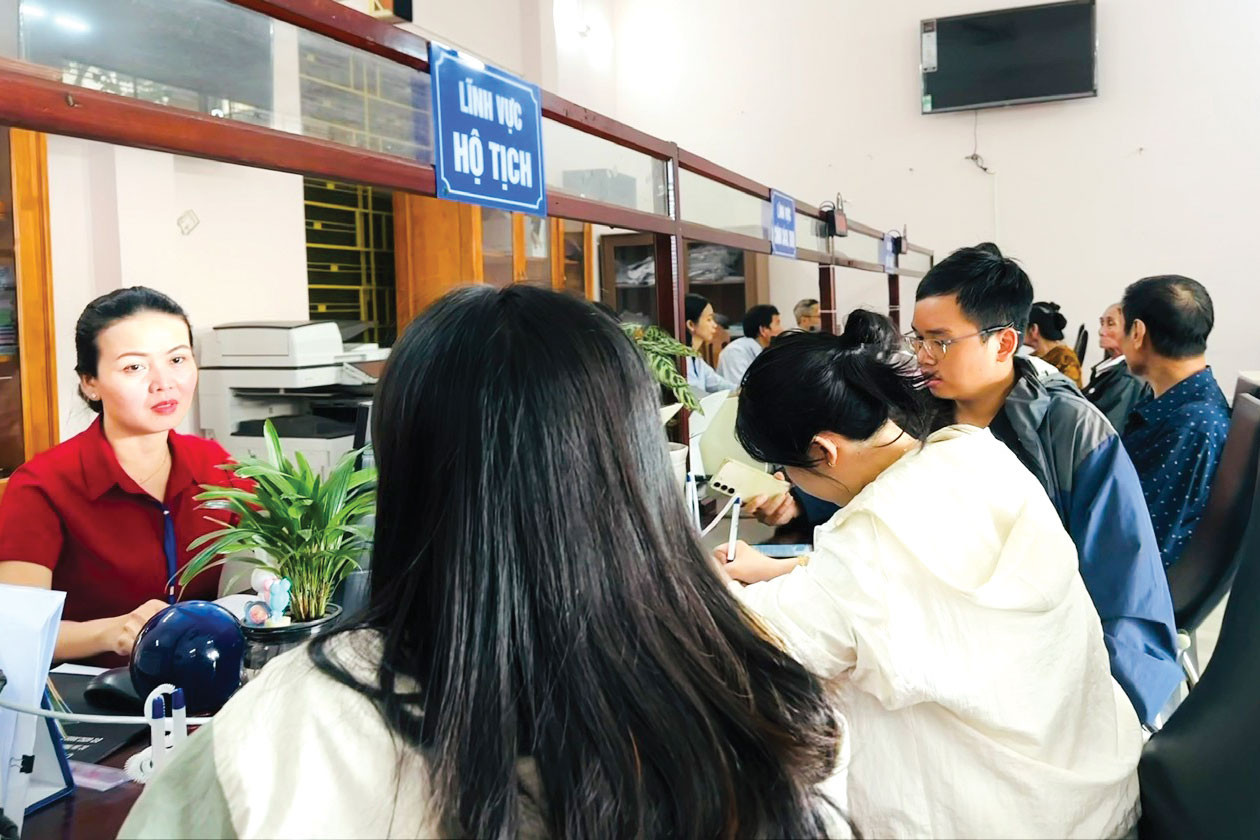
The effectiveness of the new administrative system is further demonstrated by citizen engagement and the handling of complaints and denunciations. More than 16,000 petitions and complaints have been received and addressed, with a settlement rate of almost 97%, the majority of which have been resolved directly at the local level.
.jpg)
This illustrates that local governments are increasingly operating in ways that are more in touch with the community, better suited to meet their needs, and more proactive in tackling challenges from the outset.

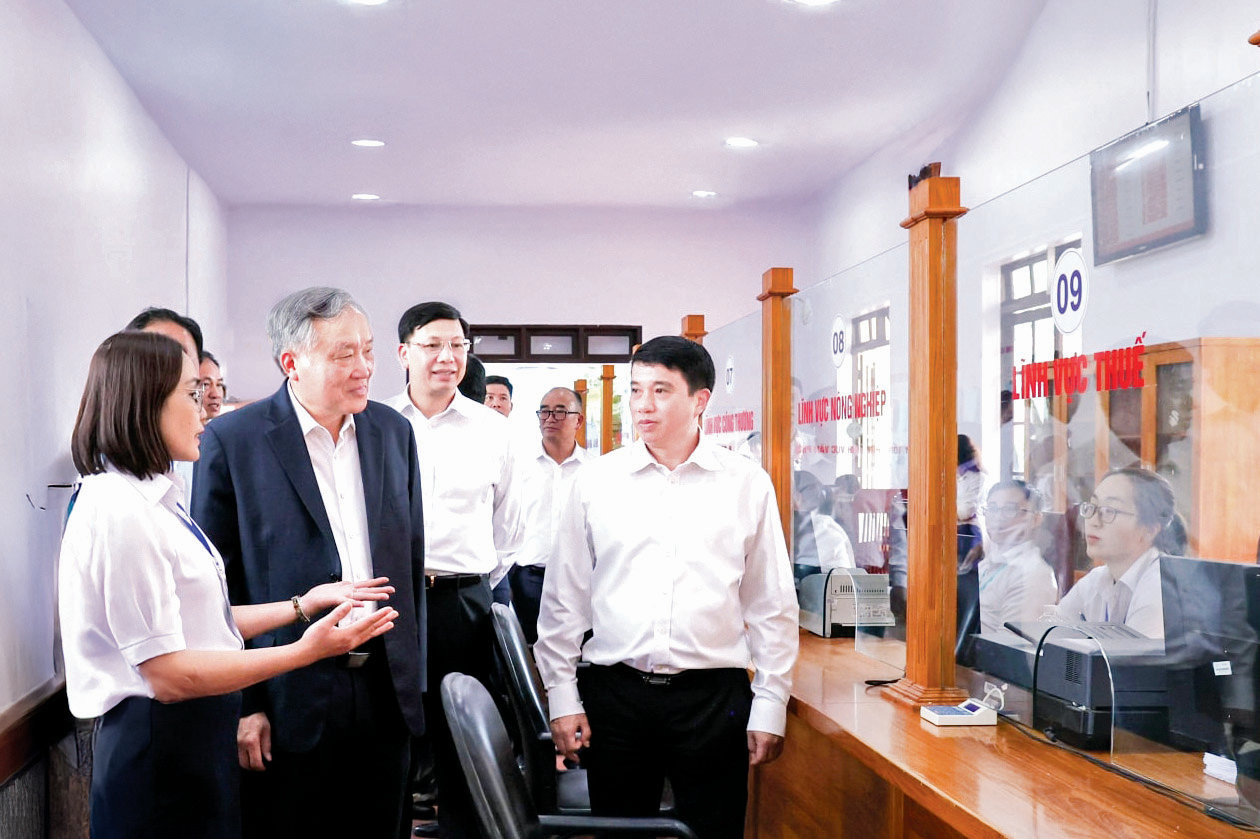
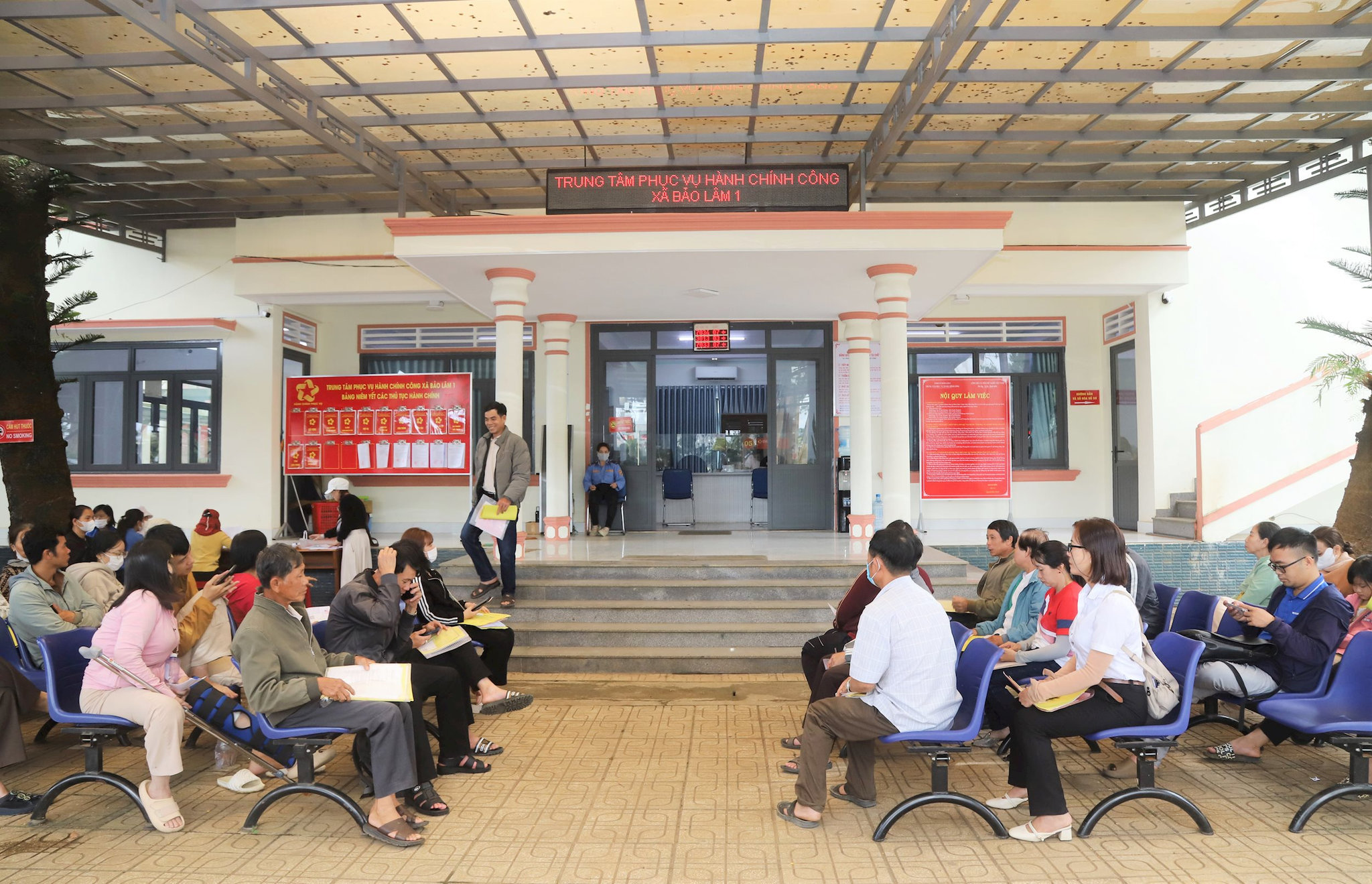
Alongside administrative reform, the province has established new integrated service centers and health stations across 124 communes, wards, and special zones, helping bring essential services closer to residents.
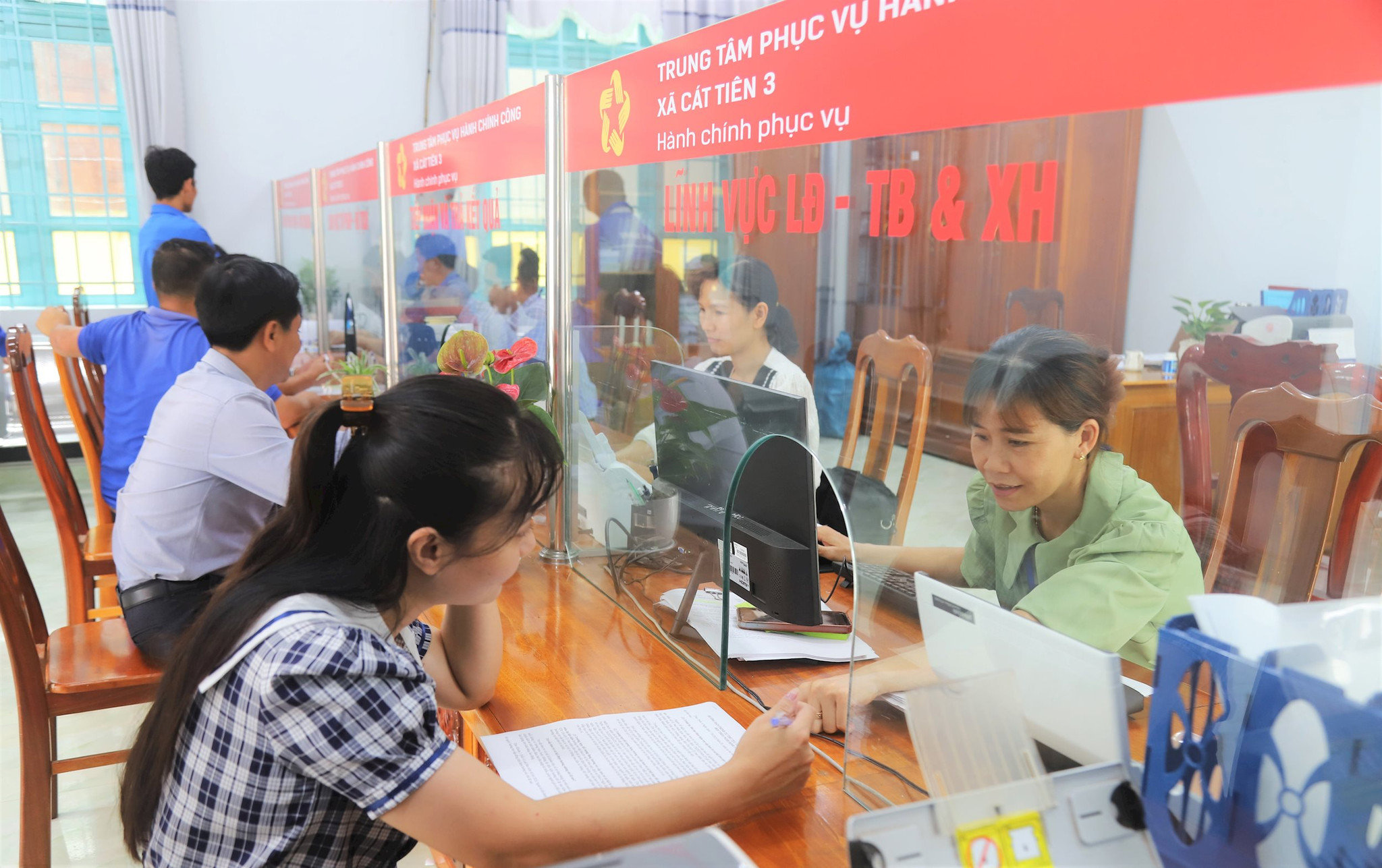
Services spanning healthcare, administrative functions, and social welfare activities are now organized in a more convenient, unified, and efficient manner.
The management of public assets following the restructuring has also produced positive results. With 527 surplus land and building facilities, the province has developed plans to reassign and convert these assets to support education, healthcare, and public infrastructure.
This approach helps prevent waste of state assets and creates additional resources for social development, earning strong public support and appreciation.
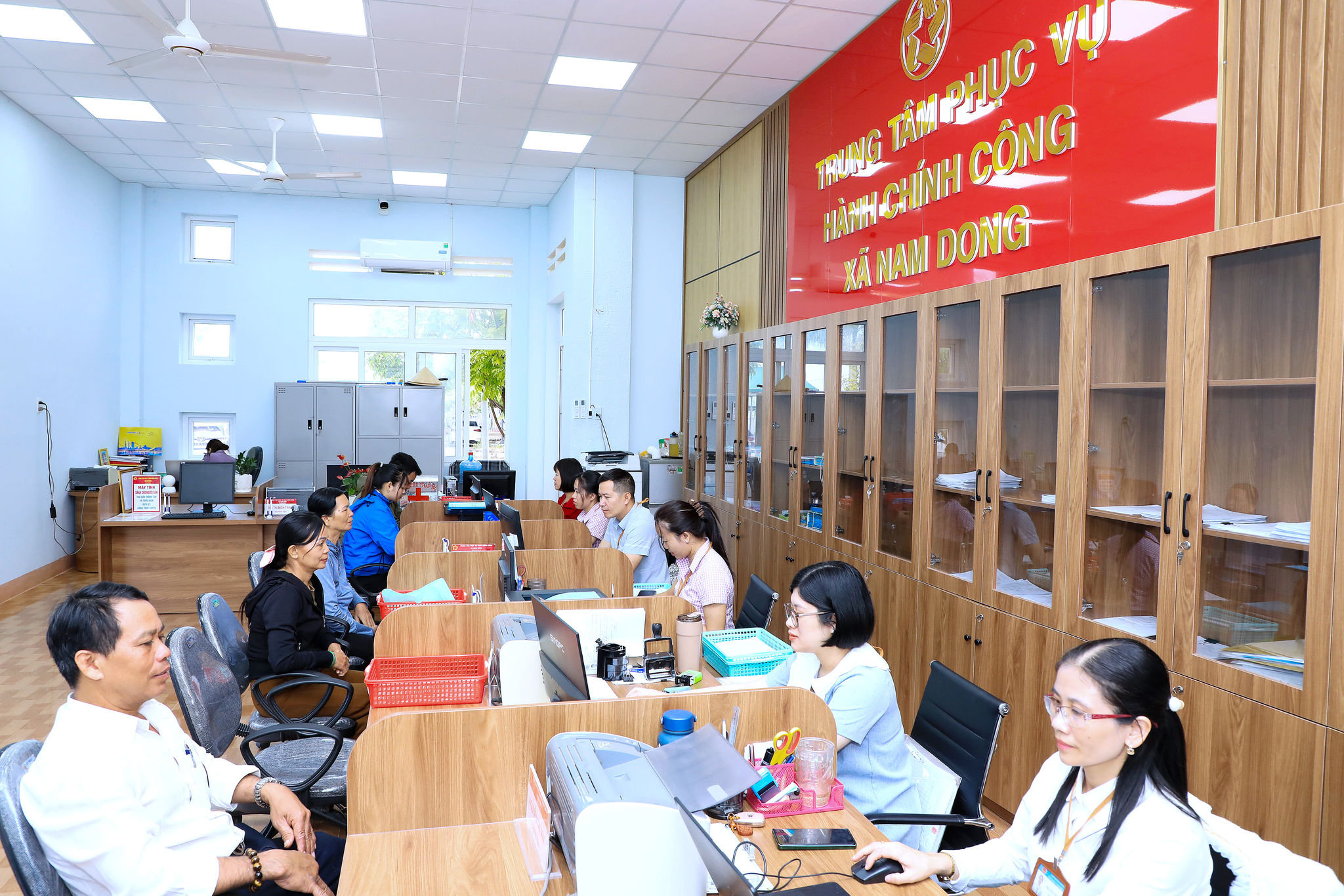
Now that the administrative framework is solidified and functioning smoothly, Lam Dong Province's main challenge is to more efficiently harness the unique capabilities and strengths of each area within the new model.
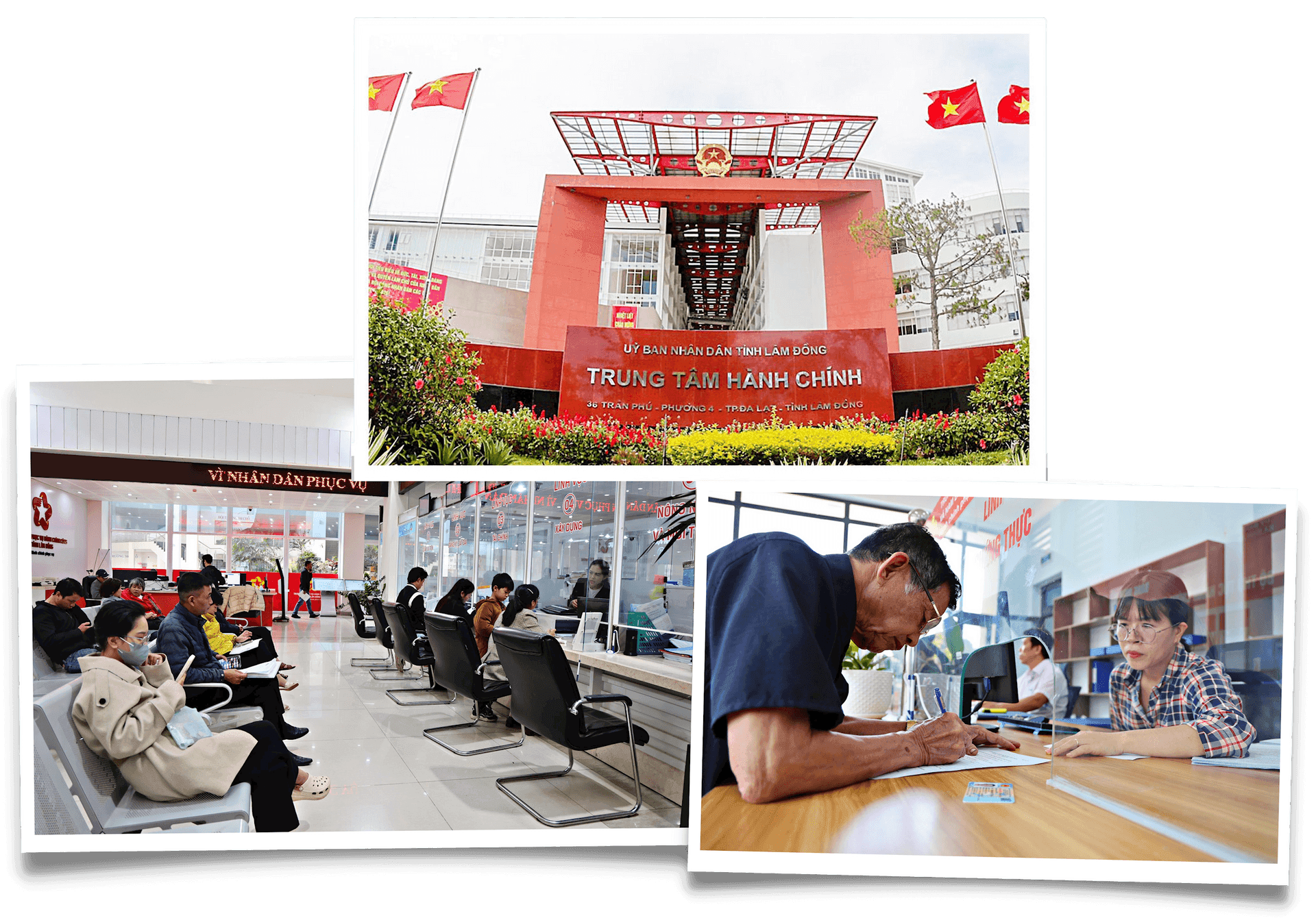
Comprising 124 communes, wards, and special administrative regions, each with its own unique traits — ranging from tourism and service-centered urban areas to regions focused on high-tech agriculture and renewable energy — the province currently offers a wide and varied development landscape.
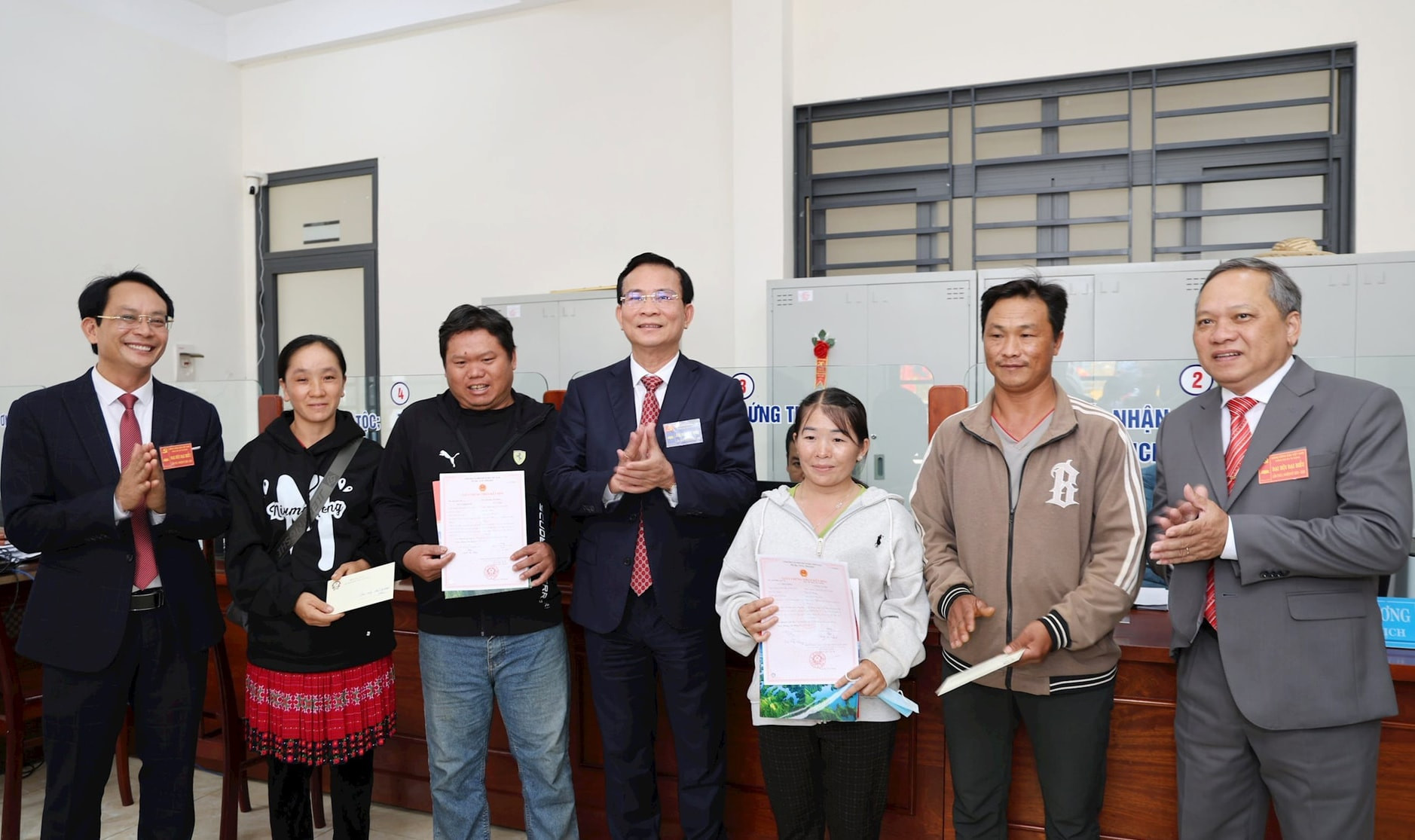
The reorganization of administrative units has not only optimized the system but also created new possibilities for regional links and more coordinated, sustainable economic growth.
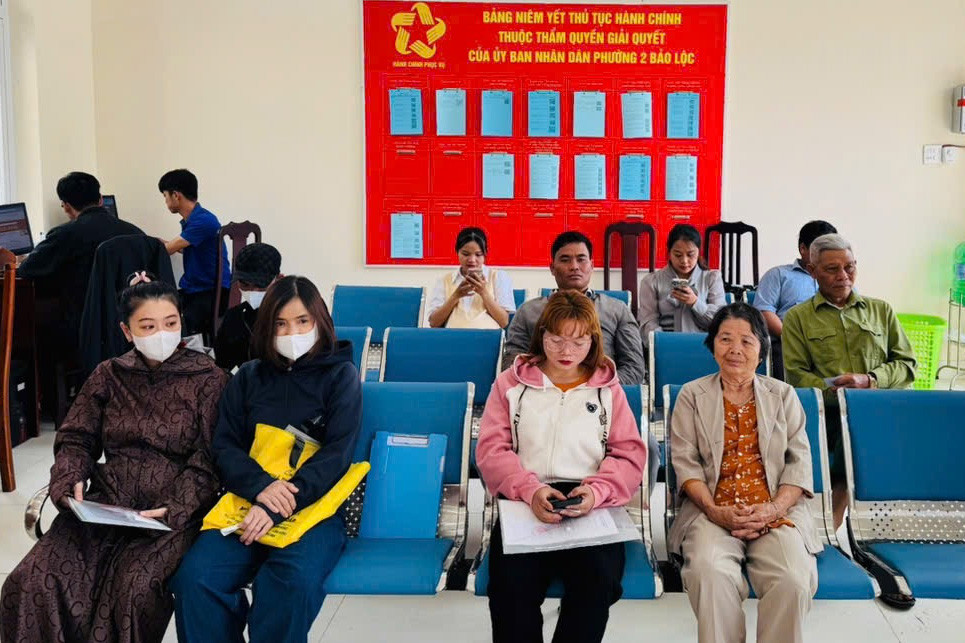
Nevertheless, the hands-on experience from the last year has also highlighted several challenges that still need to be tackled. The workload on commune-level officials has continued to rise as administrative boundaries expand, populations increase, and responsibilities grow heavier.
Furthermore, the information technology infrastructure in certain remote and isolated regions remains variable, impacting the advancement of digital transformation and the quality of public services.
Additionally, matters concerning salaries, allowances, and working conditions for local officials still need more focus, especially as workloads and responsibilities continue to increase.
In preparation for the next phase of development, the province is focusing on completing regulations on decentralization and the distribution of authority, while also recommending that the Central Government consider staffing solutions appropriate to the area's vast natural landscape and population size. At the same time, the province is investing in digital infrastructure and strengthening the professional skills and technological abilities of local officials.
The objective of Lam Dong Province extends beyond just creating an efficient organizational structure; it aims to establish a modern administration that functions effectively and meets the needs of both residents and businesses.
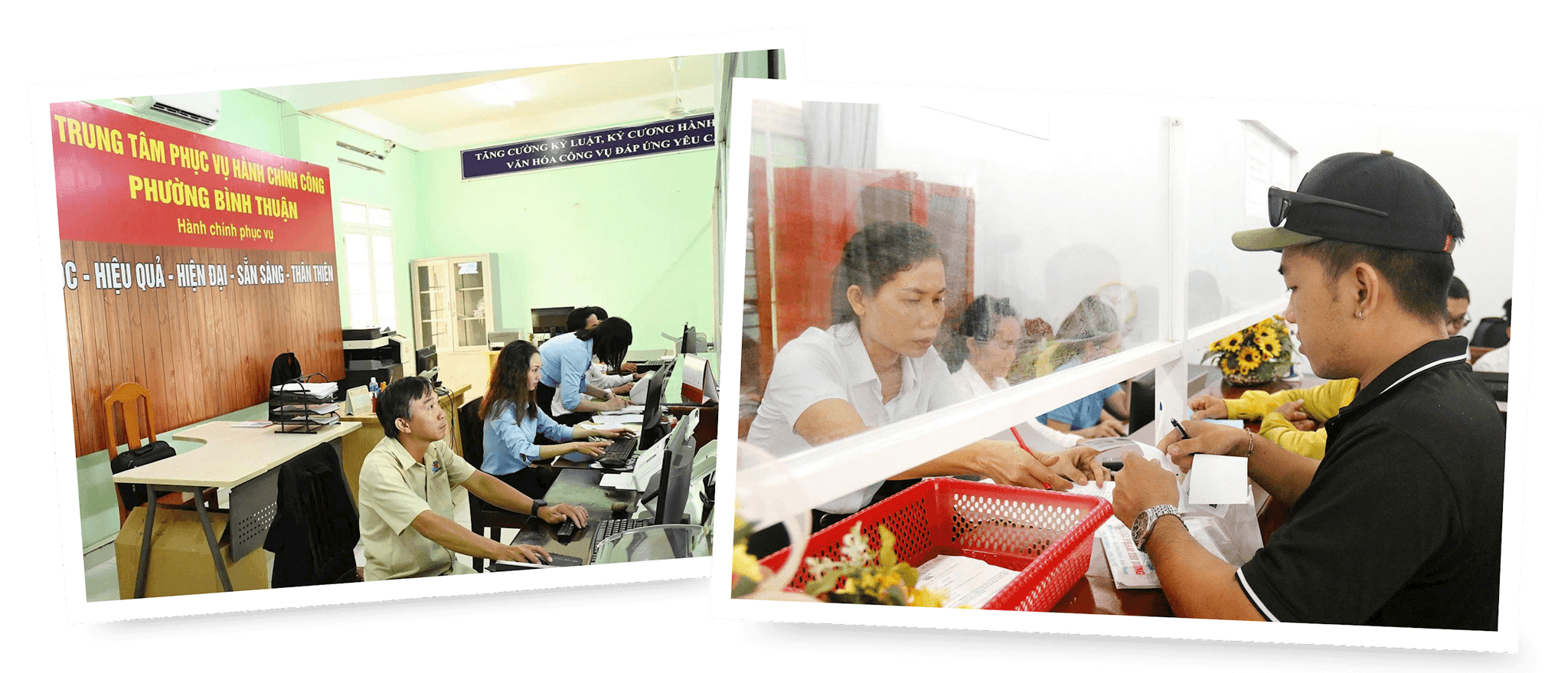
The success of the two-tier local government model is measured not just by numbers or updated office spaces, but more significantly by a shift in governance perspectives, an improved service attitude among civil servants, and the increased trust of residents in their government.
As the province advances on its new development journey, the 124 communes, wards, and special administrative zones are evolving from mere administrative units into new "growth drivers" that are enhancing the momentum for Lam Dong Province's rapid and sustainable development.
The road ahead still holds many challenges, but with strong political determination, public consensus and a spirit of innovation, Lam Dong Province is steadily affirming its image as a streamlined, transparent, modern and people-oriented administration.