


Organic Cattle Farming Model: When Knowledge Creates Sustainable Value
Applying scientific knowledge to livestock farming, Nguyen Van Lanh of Ka Rai 2 hamlet, Quang Lap commune (Lam Dong Province), has achieved notable success with his Ka Be cattle model, opening up a new and sustainable economic pathway for local residents and young people.
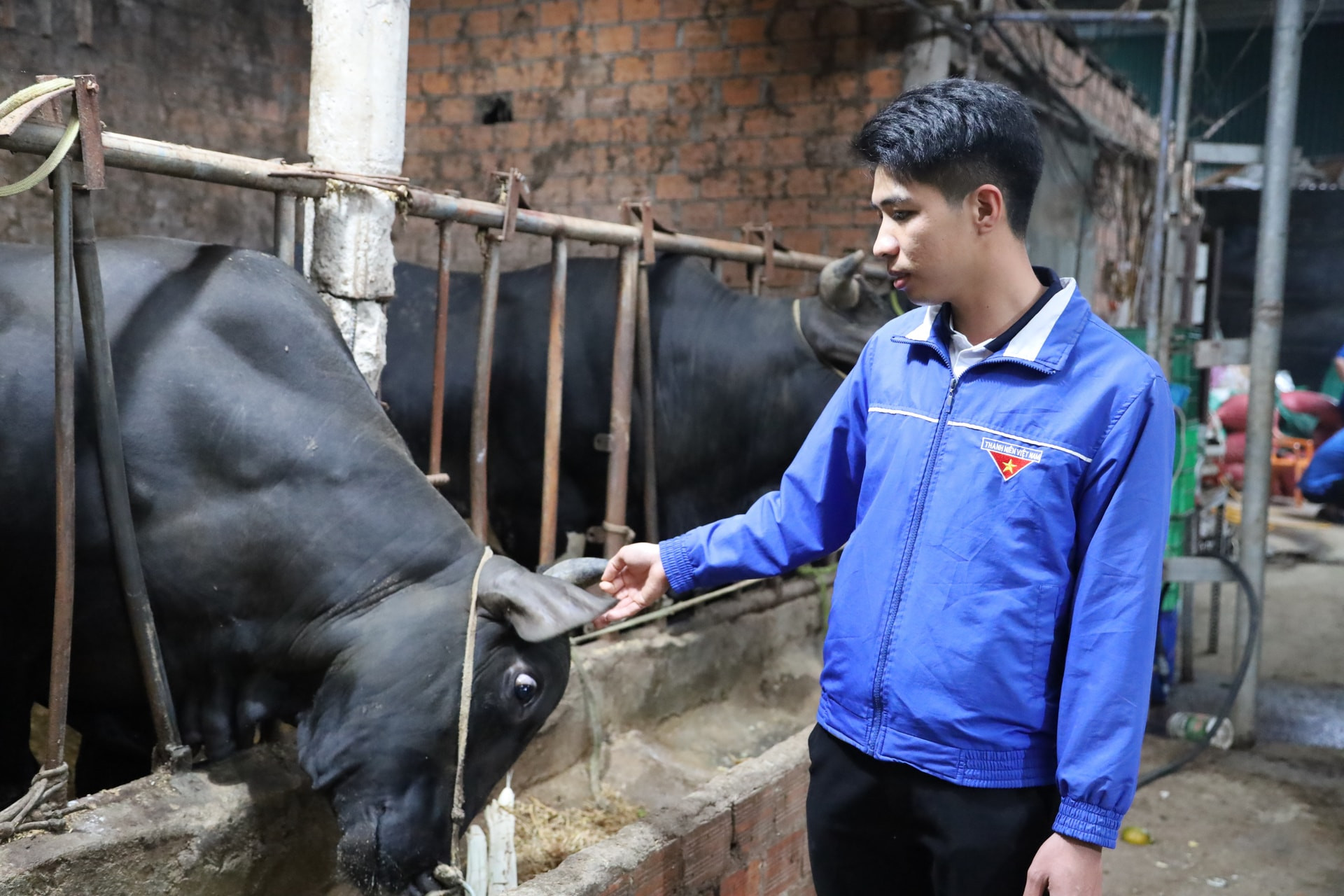
Early each morning, as dew still clings to the grasslands, Lanh’s cattle farm is already bustling with activity. Born in 1998 into a farming family, he understands well the limitations of traditional cattle raising: slow growth, disease risks, and unstable markets. After graduating in Animal Husbandry and Veterinary Medicine from Ho Chi Minh City University of Agriculture and Forestry, he chose to return home, bringing scientific knowledge back to the countryside.
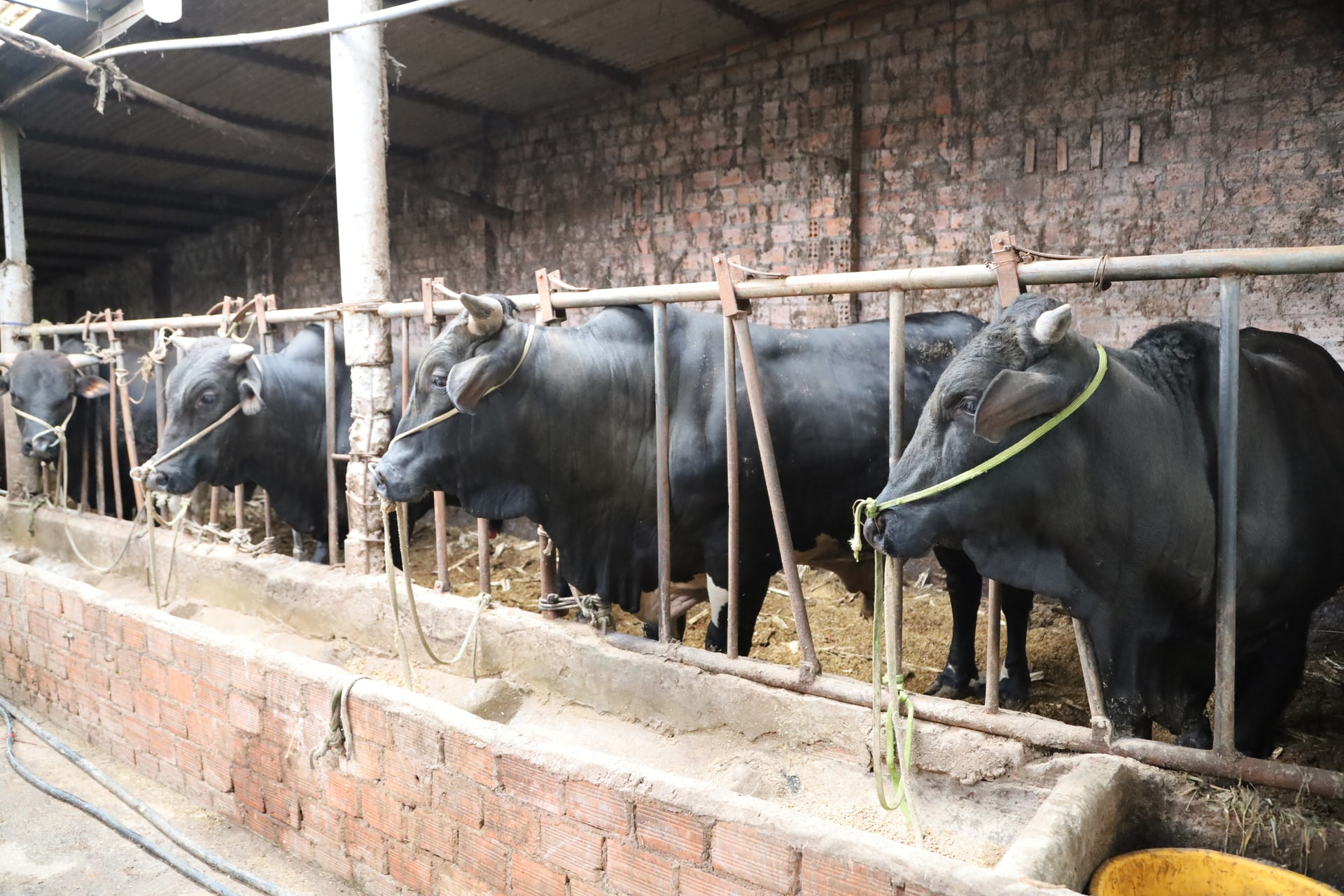
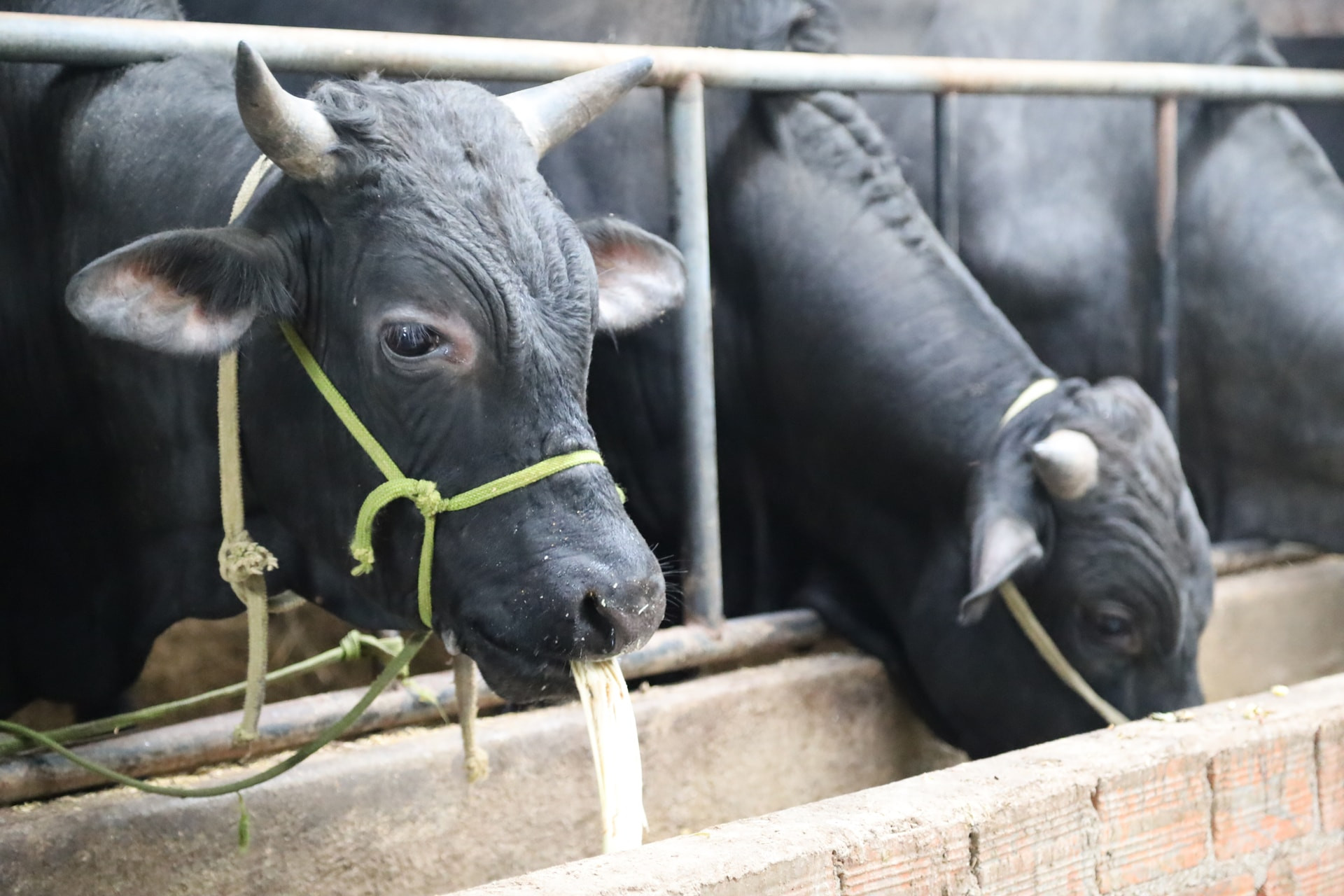
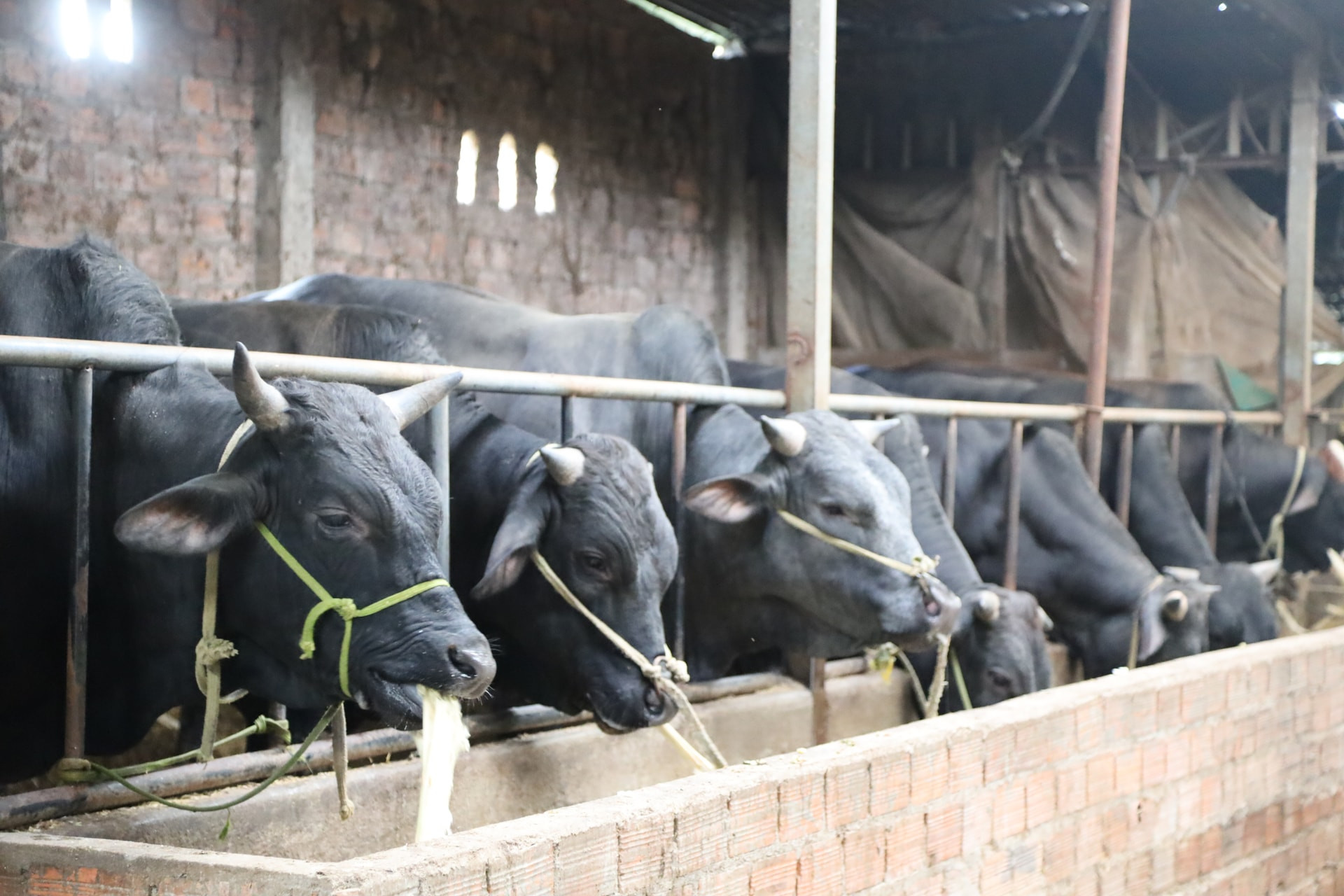
Instead of following conventional practices, Lanh invested in high-quality BBB cattle (Blanc Bleu Belge) and developed nutritionally balanced feed formulas from agricultural by-products and local herbs. His herd is raised under a closed, organic farming process, with controlled diets, monitored weight gain, strict disease prevention, and minimal use of antibiotics, thereby improving meat quality while ensuring environmentally sustainability.
From these efforts, the project “Ka Be Cattle – Faster Growth, Better Meat, Sustainable Farming” gradually took shape, aiming to create clean beef products with clearable origins under the Lam Dong brand.
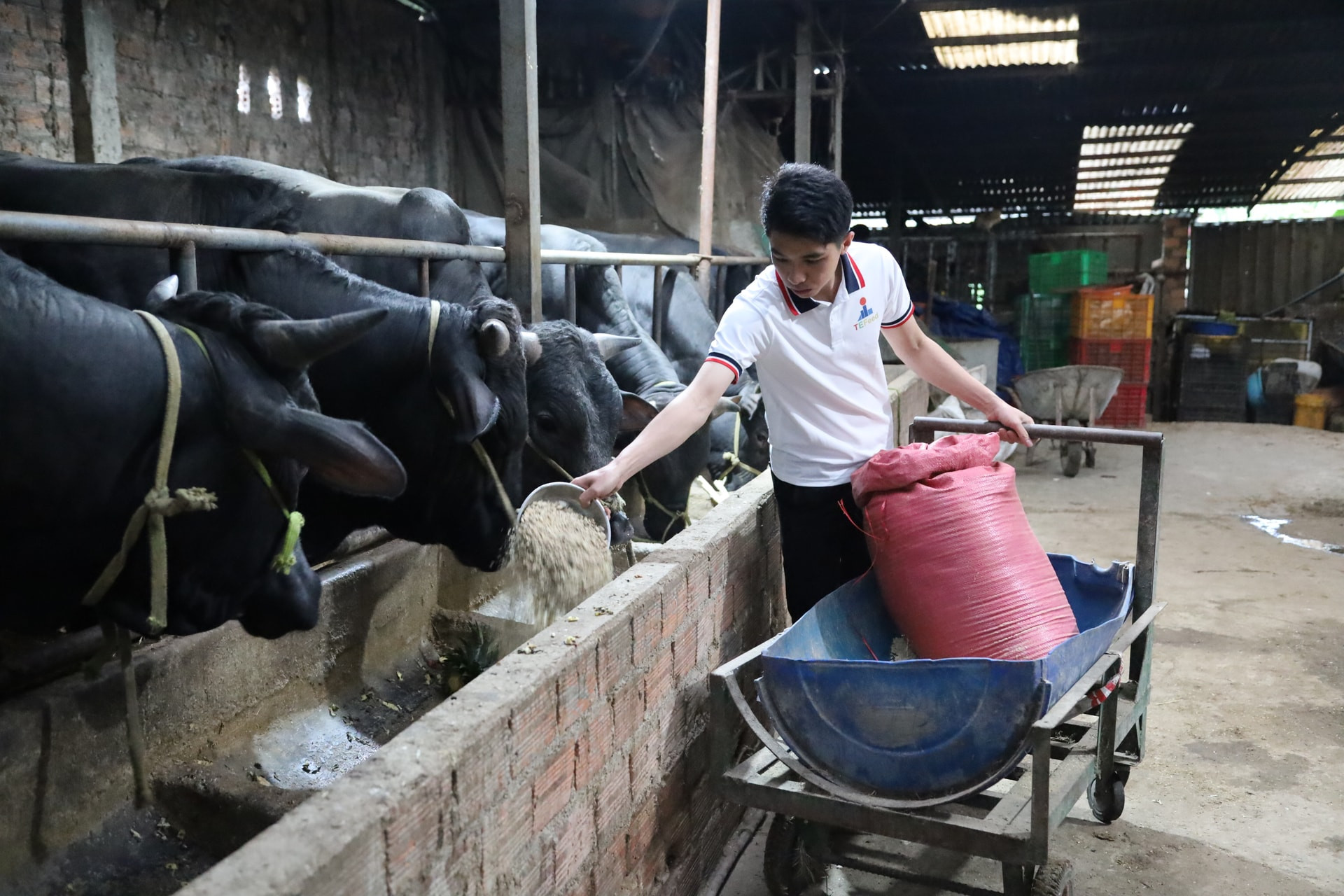
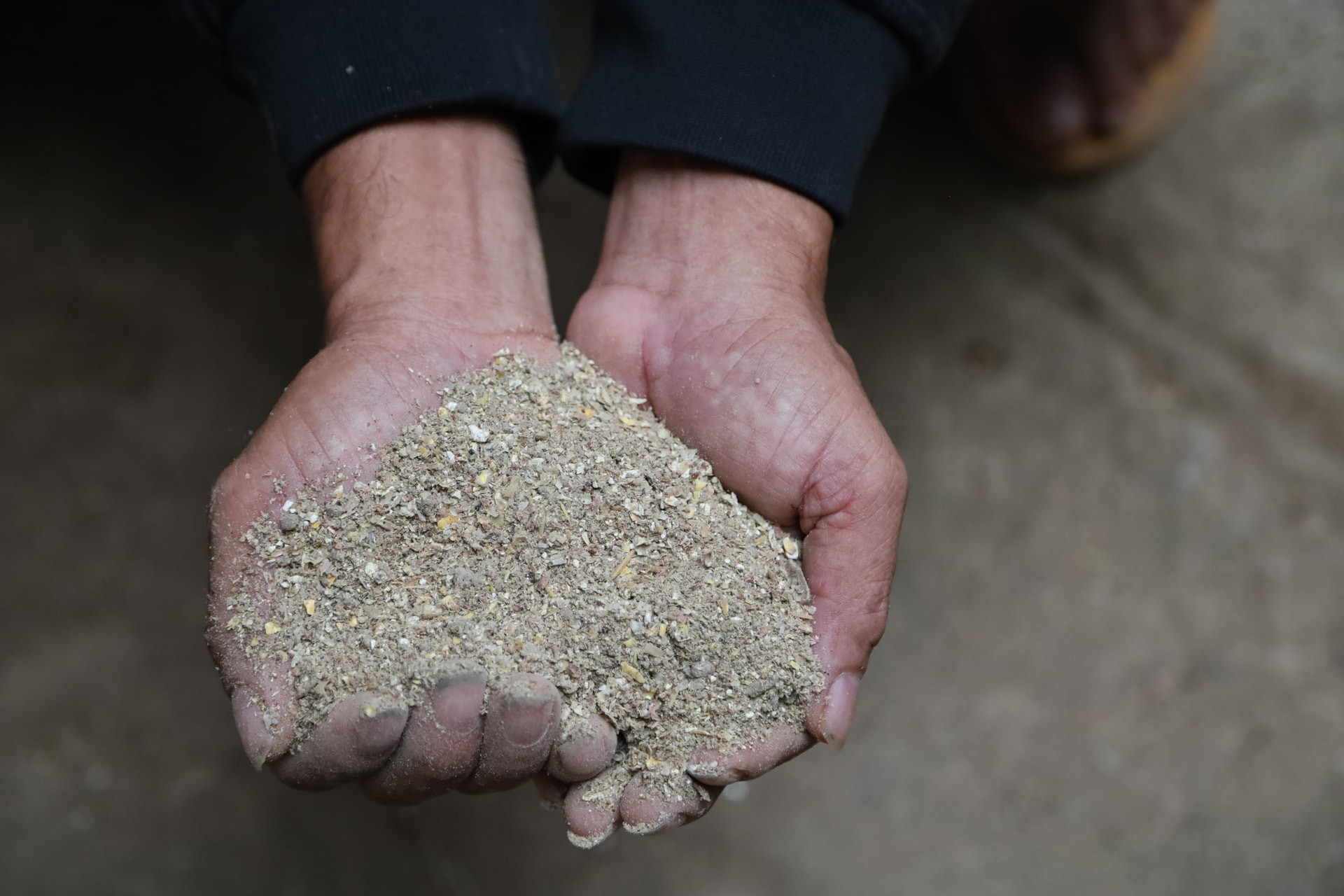
The journey was not without challenges. In the early stages, adapting cattle to new feed formulas and optimizing the use of agricultural by-products proved difficult. However, through persistence and technical expertise, Lanh successfully refined the process. After 12–14 months, the cattle reach weights of 600–800 kilograms per head, producing high-quality meat superior to that of traditional breeds.
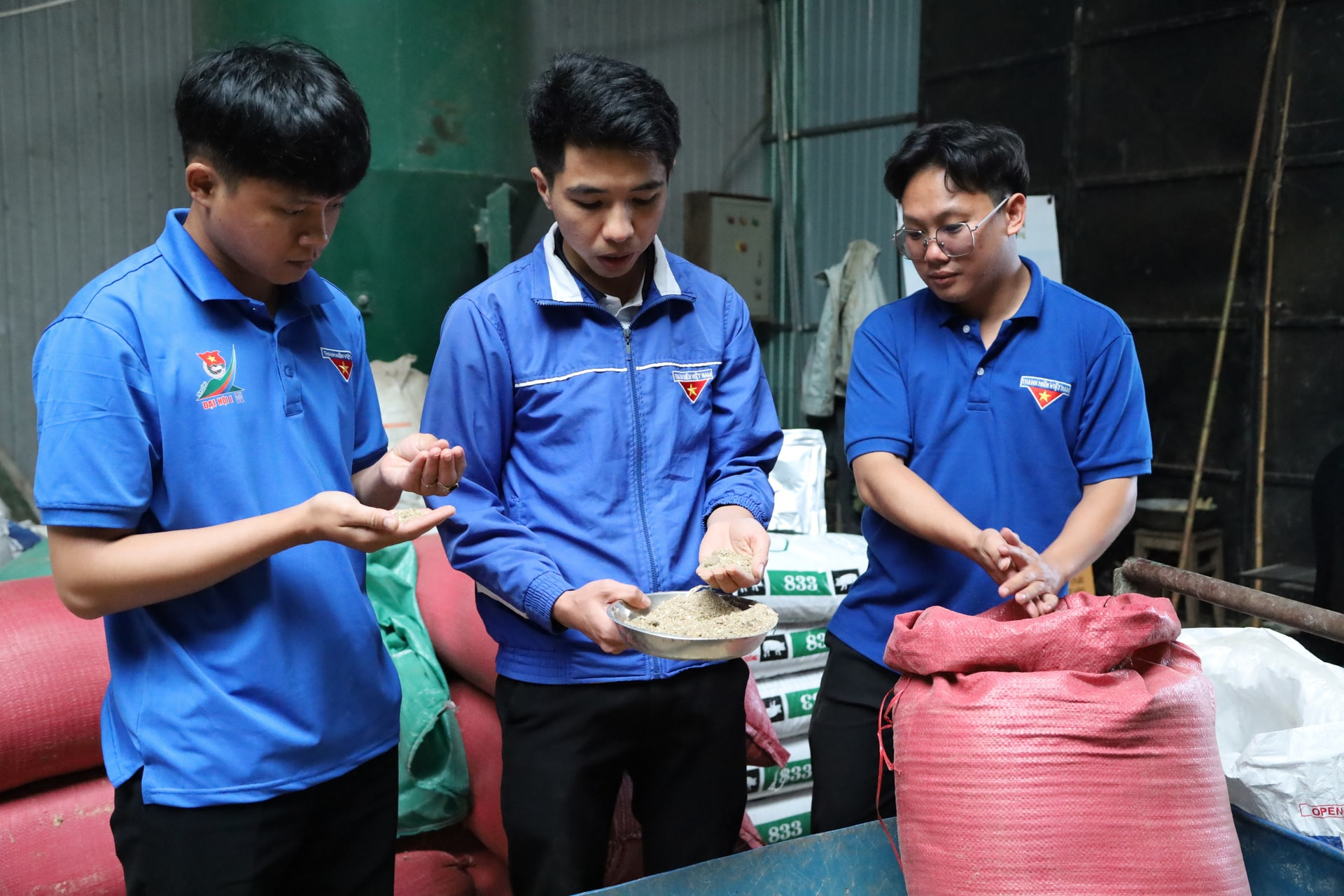
With support from youth organizations, Lanh secured a VND 200 million startup loan from the Vietnam Bank for Social Policies. He used the capital to expand his herd, invest in feed-processing equipment, open a veterinary supply store, thereby establishing an integrated farming model—from breeding and feed production to veterinary services and product processing.
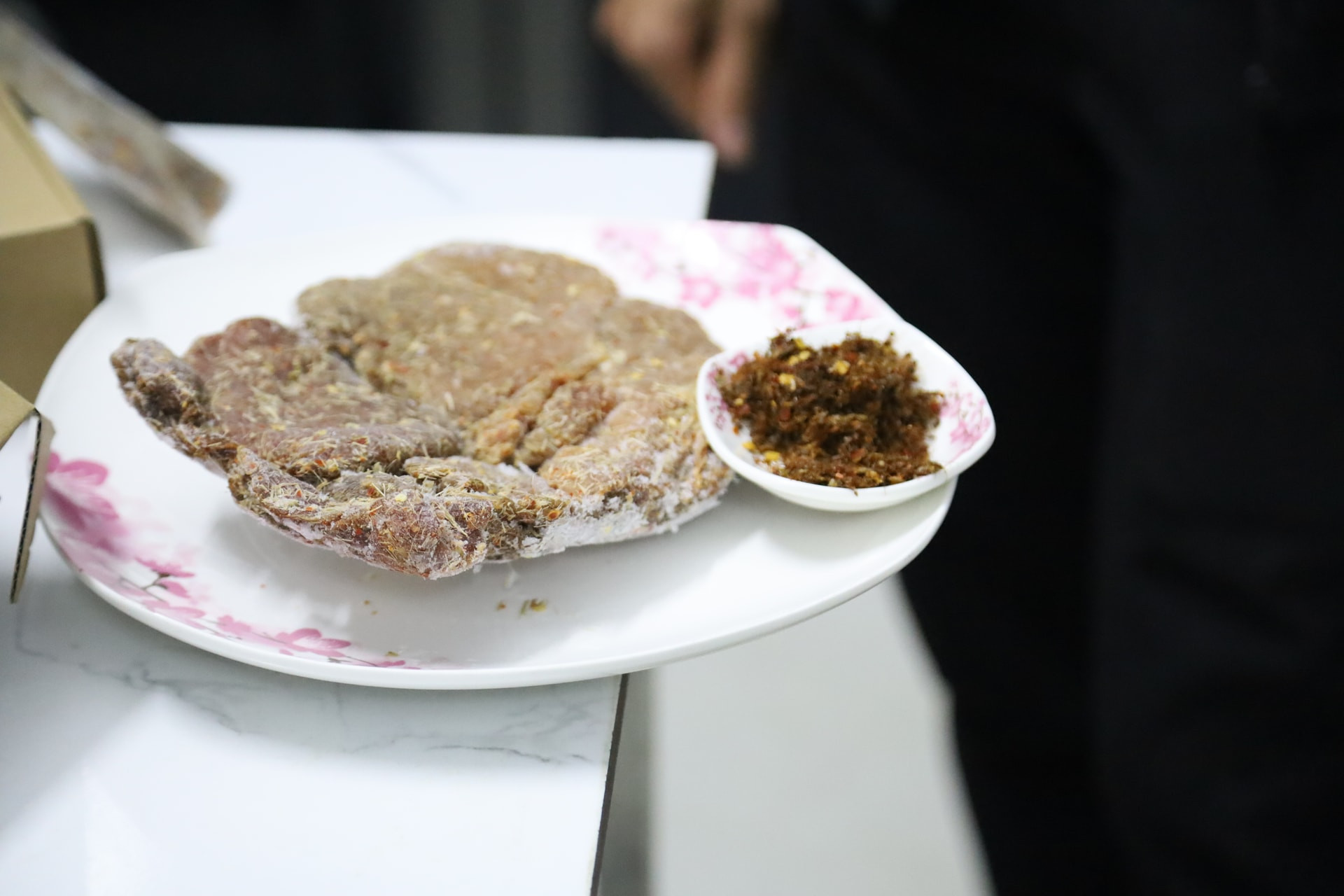
Today, his farm includes 1,000 square meters of barns, 2,000 square meters of pastureland, housing around 40 cattle, and supporting a linkage network of 20 local households. Building on clean farming practices, Lanh has also developed value-added products such as one- sun dried BBB beef, produced under strict “3N” criteria: no antibiotics, no growth stimulants, and no preservatives.
Beyond production, Lanh actively shares technical knowledge and provides veterinary services to farmers in the area. His efforts have been recognized with awards at provincial innovation startup contests and commendations from the Ho Chi Minh Communist Youth Union Central Committee.
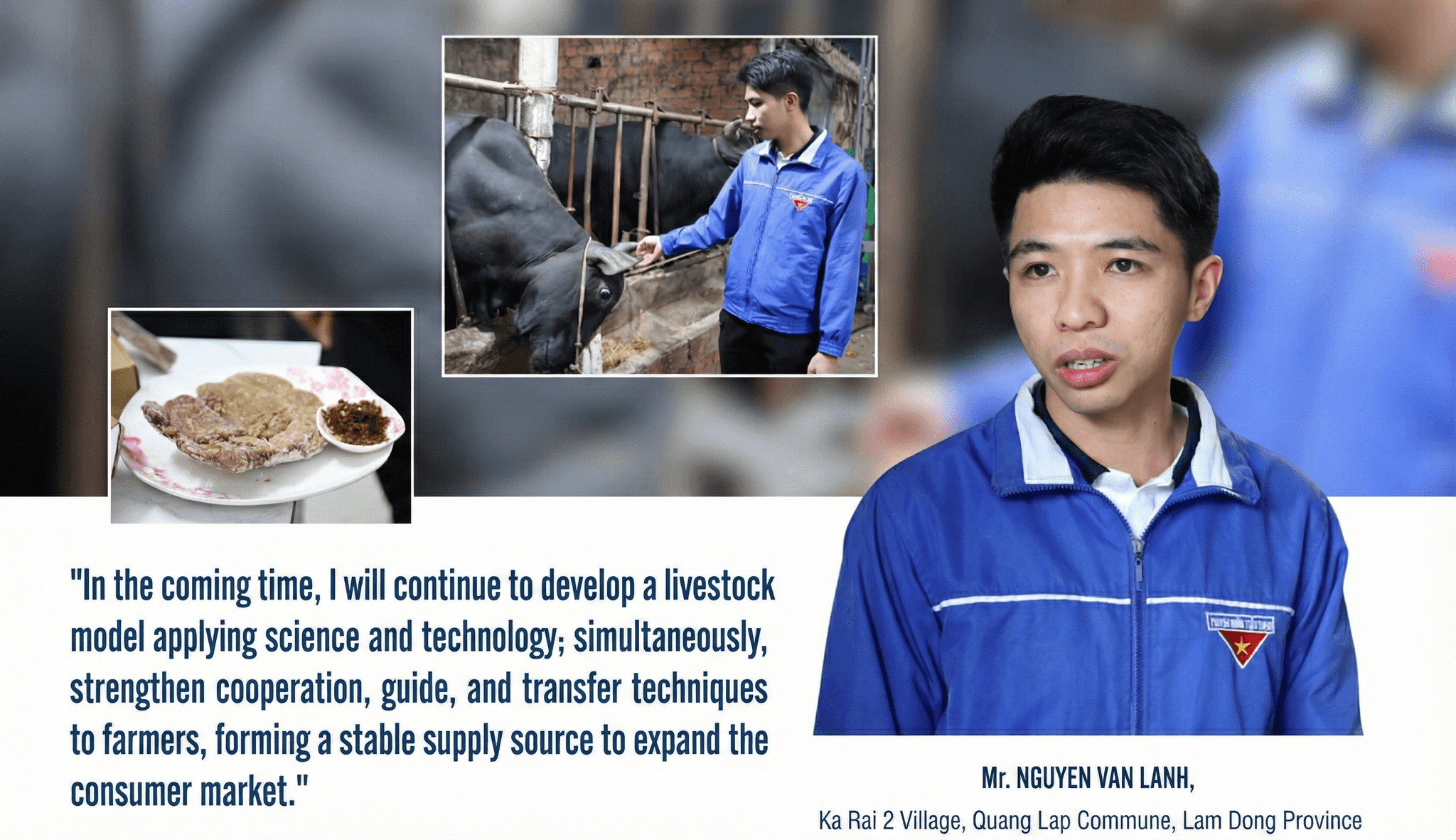
Nguyen Van Lanh’s journey is not only a story of agricultural entrepreneurship, but also a powerful example of how knowledge, determination, and innovation can transform traditional farming into a sustainable livelihood, spreading inspiration for young people in rural and highland areas to confidently build their future on their own land.