


Organic Pepper Production Chain Expands Internationally Certified Farming Models
The Hoang Nguyen organic pepper production chain in western Lam Dong is expanding its growing areas and improving production standards. The goal is to increase product quality, add value and strengthen access to international markets.
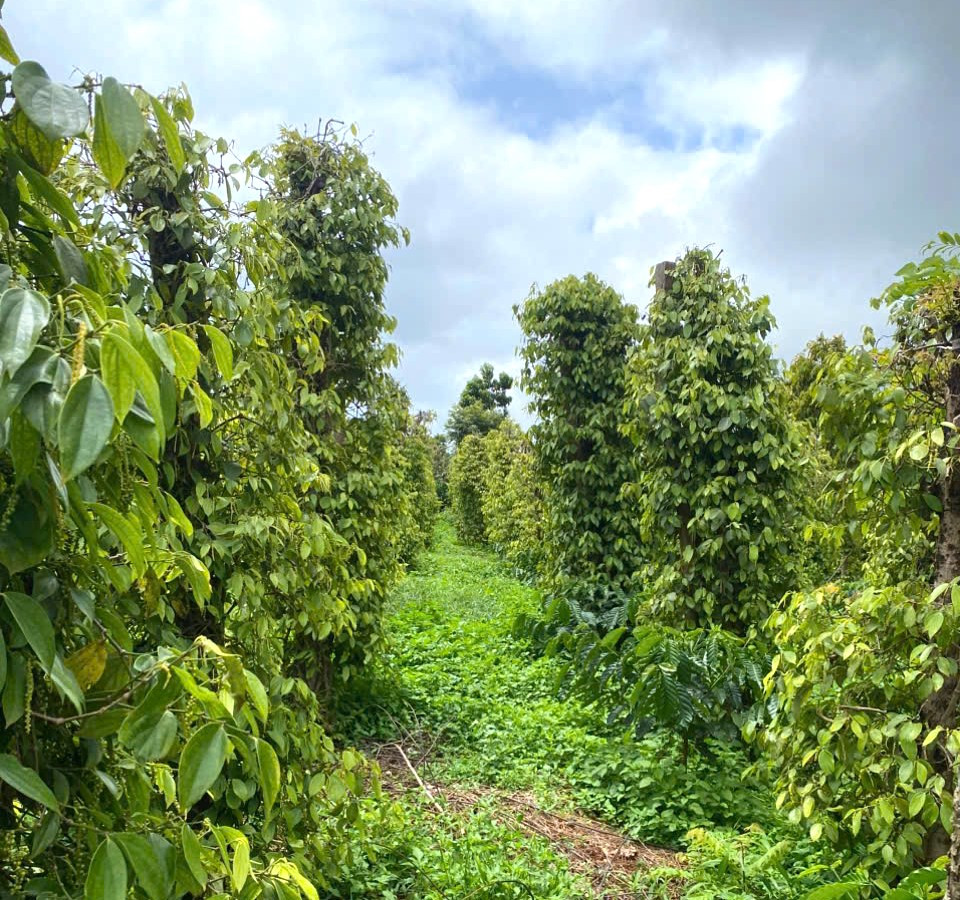
Changing the Way Farmers Produce
With the principle of “benefiting farmers and protecting the community,” the organic pepper production chain in Thuan Hanh Commune and neighboring areas exported 1,300 tonnes of pepper by mid-August 2026.
The result follows more than eight years of production cooperation. Farmers have gradually shifted their focus from maximizing output to improving quality and protecting the soil and local ecosystems.
Vu Van Thuy, one of the first 35 households in Thuan Hanh Commune to join the chain, owns a 2-hectare farm.
The land was previously used to grow different crops. His family eventually switched to pepper and began changing their farming practices.
Thuy gradually replaced conventional inputs with organic methods. It took more than three years for his pepper farm to meet the technical requirements for international organic certification.
Each year, his family reduces the use of inorganic fertilizers and pesticides by about 30%, replacing them with manure and biological products.
The farm now produces an average of about four tonnes of pepper per hectare annually. Its products meet export requirements through the production chain.
In Duc An Commune, Dang Tan Minh Thao has also obtained international organic certification for more than 2.5 hectares of pepper intercropped with coffee.
Thao has followed organic farming practices for about eight years. He has adapted techniques learned through training courses to suit the conditions on his farm.
His family has built a water reservoir and installed an irrigation system. Coffee husks, grass and other agricultural by-products are collected and returned to the soil as natural nutrients.
Plant-based preparations are also used to control pests and diseases. The pepper plants are regularly pruned to improve ventilation and promote healthy growth.
After harvesting, the pepper is sun-dried before being delivered to the production chain for processing and export. Thao said the products can command prices around 20-25% higher than the general market level.
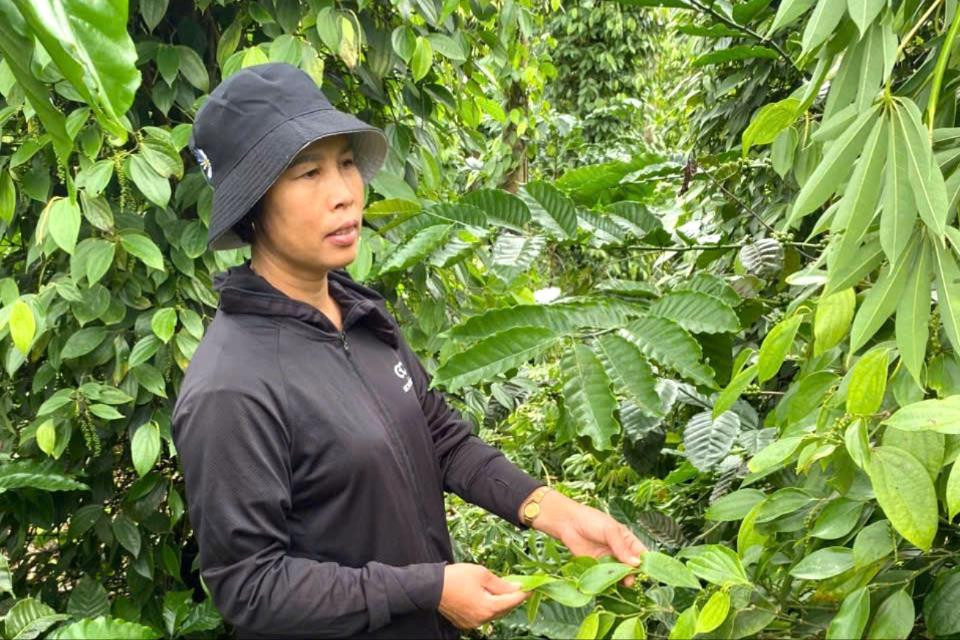
Building Natural Soil Nutrition
The production chain has so far obtained organic certification for 195.6 hectares, meeting USDA, EU, JAS and Canadian standards.
Members undergo annual assessments by Control Union. Production records, traceability and regular testing of soil, water and finished products are required throughout the process.
The model focuses on improving natural soil fertility and maintaining beneficial ecosystems in pepper farms.
It also follows a “five-no” principle: no chemical fertilizers, no pesticides, no growth stimulants, no preservatives and no practices that damage natural vegetation.
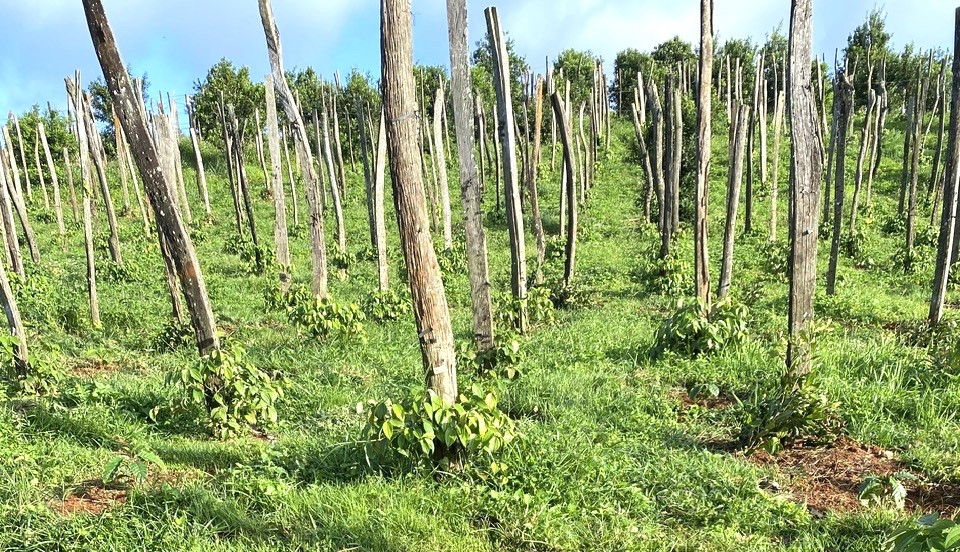
According to Tran Thi Thu, a representative of the production chain, the model is emerging as one of the leading organic pepper production and processing chains in the Central Highlands.
Members use coffee husks and other agricultural by-products to produce organic fertilizer. Ground cover is maintained to retain moisture and improve soil structure.
Biological products are used to prevent fungal diseases. Every stage, from soil preparation and fertilization to harvesting and drying, is subject to strict controls.
The chain currently produces several products, including organic black pepper, white pepper and green pepper. Products have been exported to markets in Europe, the United States, Japan and several Middle Eastern countries.
The chain is now working to meet additional requirements to expand internationally certified organic production to more than 800 hectares in the coming period.
According to Ha Ngoc Chien, head of the Lam Dong Sub-Department of Crop Production and Plant Protection, Hoang Nguyen is one of 22 pepper production and distribution chains operating in the province.
Together, these chains cover about 2,730 hectares, involving nearly 1,300 farming households and producing approximately 8,248 tonnes of pepper.
The development of production chains helps control quality from farms to finished products. It also provides a foundation for increasing the value of pepper, strengthening farmers' bargaining power and meeting the requirements of increasingly demanding domestic and international markets.