


Part 2: From Cultural Currents to Tourist Flows
Culture is not merely a set of values that need to be preserved; it is becoming a resource for tourism development in Lam Dong. From traditional crafts and cuisine to community cultural activities, many values rooted in local people's lives are being incorporated into tourism products and experiences to connect with visitors.
Awakening Resources from the Community in Lam Dong
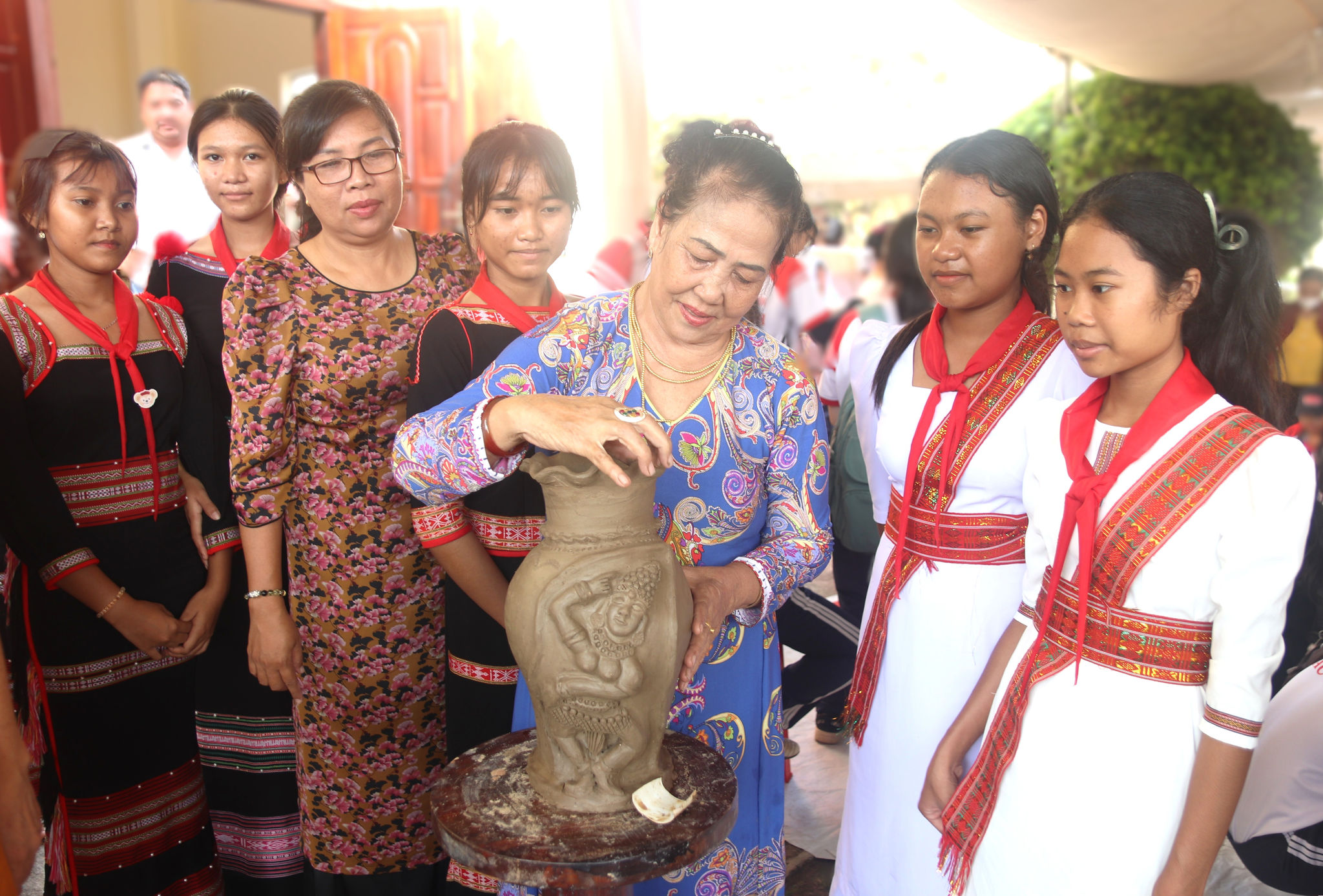
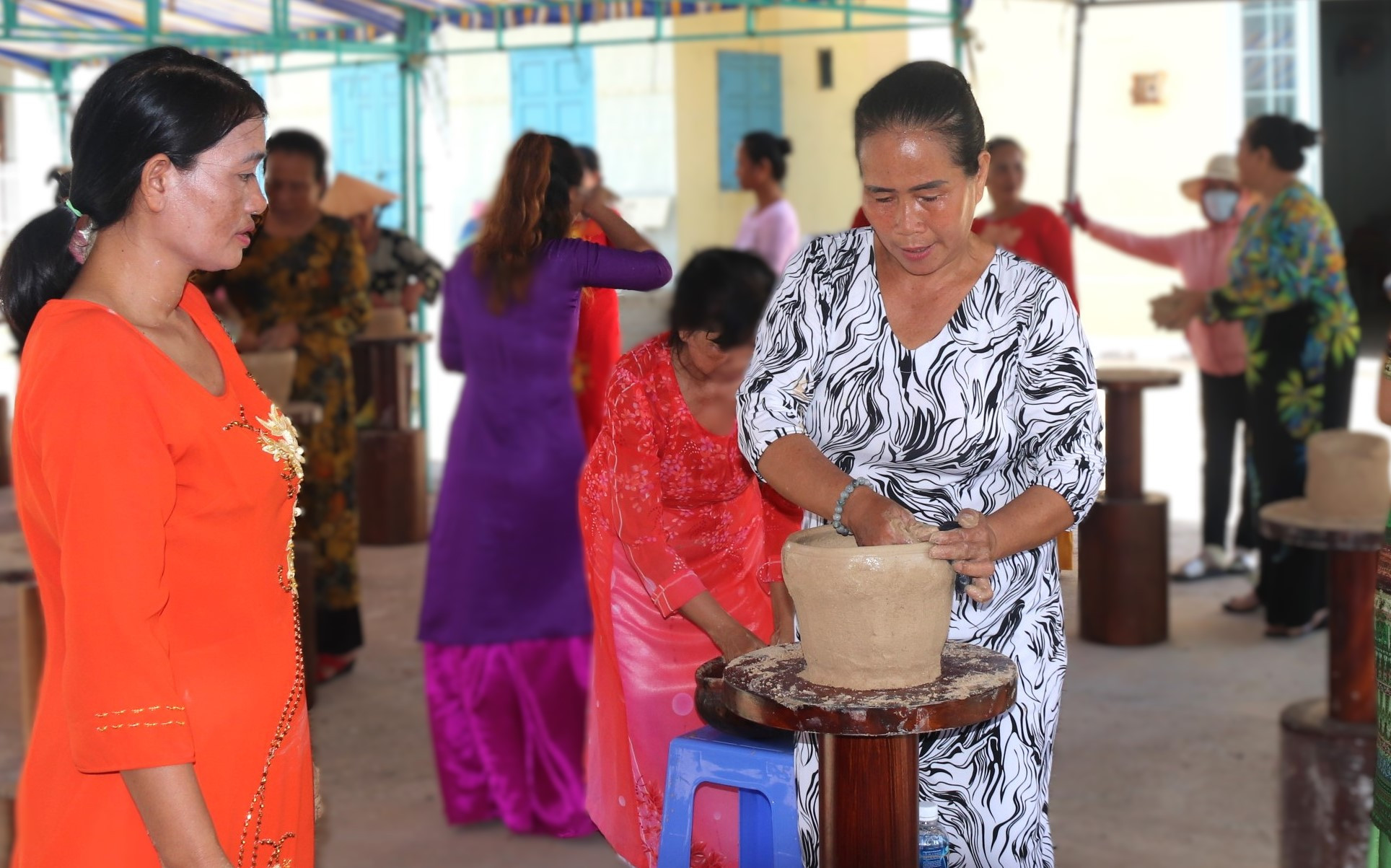
One morning in Binh Duc Hamlet, Bac Binh Commune, Cham pottery makers begin their familiar work. In a corner of the yard at the home of Nguyen Thi Hong (born in 1971), clay is sifted, carefully kneaded and then placed on a pottery wheel. Under the hands of the artisans, pots, jars, vases and familiar household items gradually take shape. Only around 20 households in the village still practice the craft. Therefore, Hong and those who remain committed to the craft understand that for it to survive, the products must reach more people and artisans must have additional sources of income.
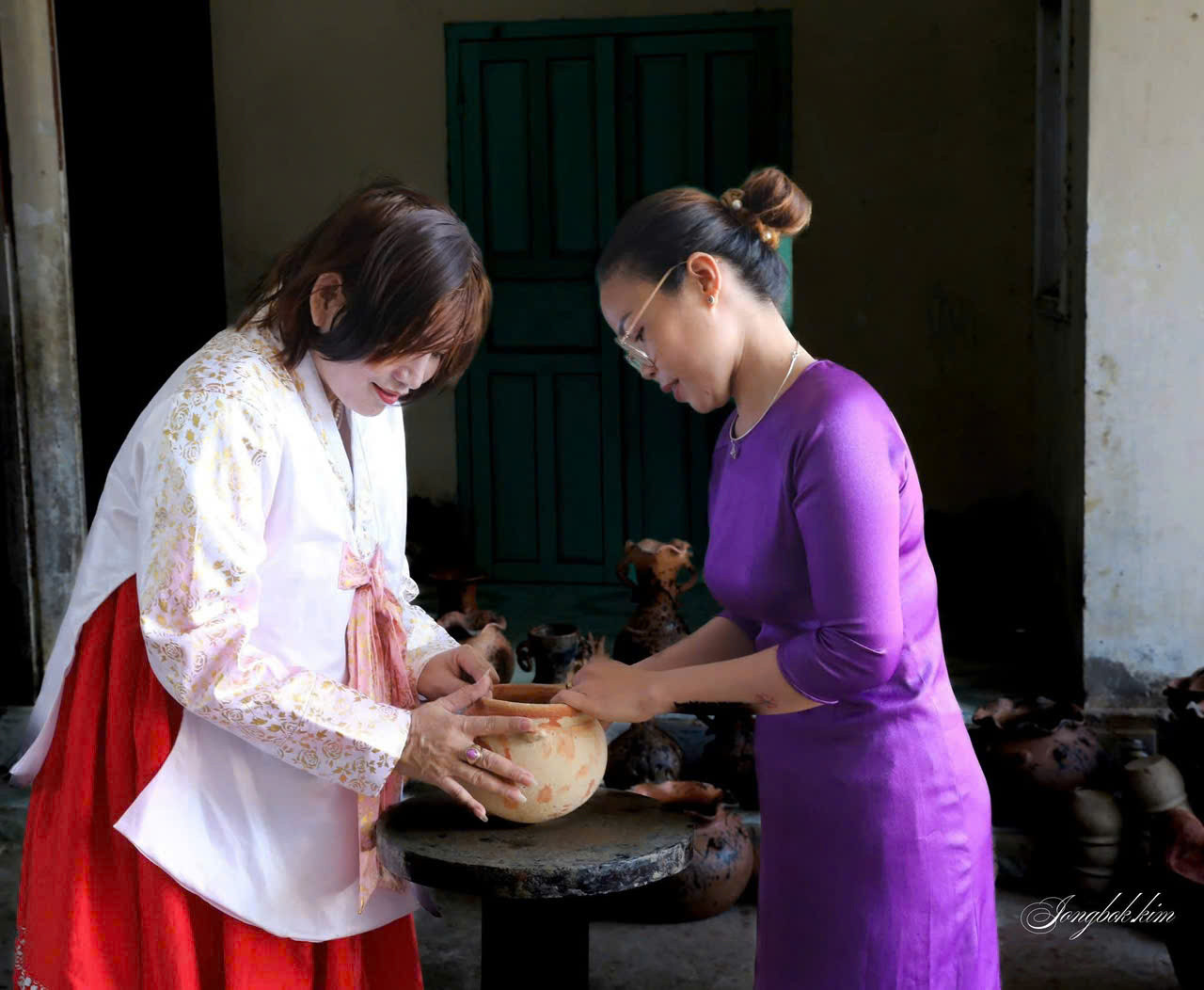
Hong's daughter, Mai Thi Kim Khuyen, and several young people in the village have proactively promoted their products on social media and e-commerce platforms to expand the market. Beyond selling products, those preserving the craft have also connected with travel businesses, resorts, tourist attractions and cultural events to bring the craft closer to visitors. At the village, visitors can learn about the craft, directly try some of the shaping techniques under artisans' guidance, and choose pottery products as souvenirs.
Every visitor brings another opportunity for artisans to tell the story of their craft, sell products and earn additional income. For artisans, this is also another reason to continue preserving and passing on the craft.
The same story can be seen in K'Long Trao Hamlet, Di Linh Commune, where the K'ho Ethnic Traditional Village is making the community members direct participants in tourism activities. The model has around 20 core management members and 30-40 local residents participating in joint activities, depending on the scale of each program. K'Hung, Deputy Head of the village management board, is involved in management while also directly introducing and guiding visitors through experiences. Stories about customs, daily life, gong culture, xoang dances and cuisine are introduced within the community's cultural space.
In 2025, the village welcomed nearly 2,000 visitors. Local residents had more opportunities to provide services and introduce dishes, products and traditional cultural activities. The flow of visitors therefore went beyond sightseeing, generating significant additional income for many people in the community.
From another setting, the La Da Commune Fruit Festival, held in August 2026, also demonstrated the potential of community cultural products to connect with visitors. Alongside fruit, the festival featured ruou can, woven products and dishes associated with the lives of the K'ho people.
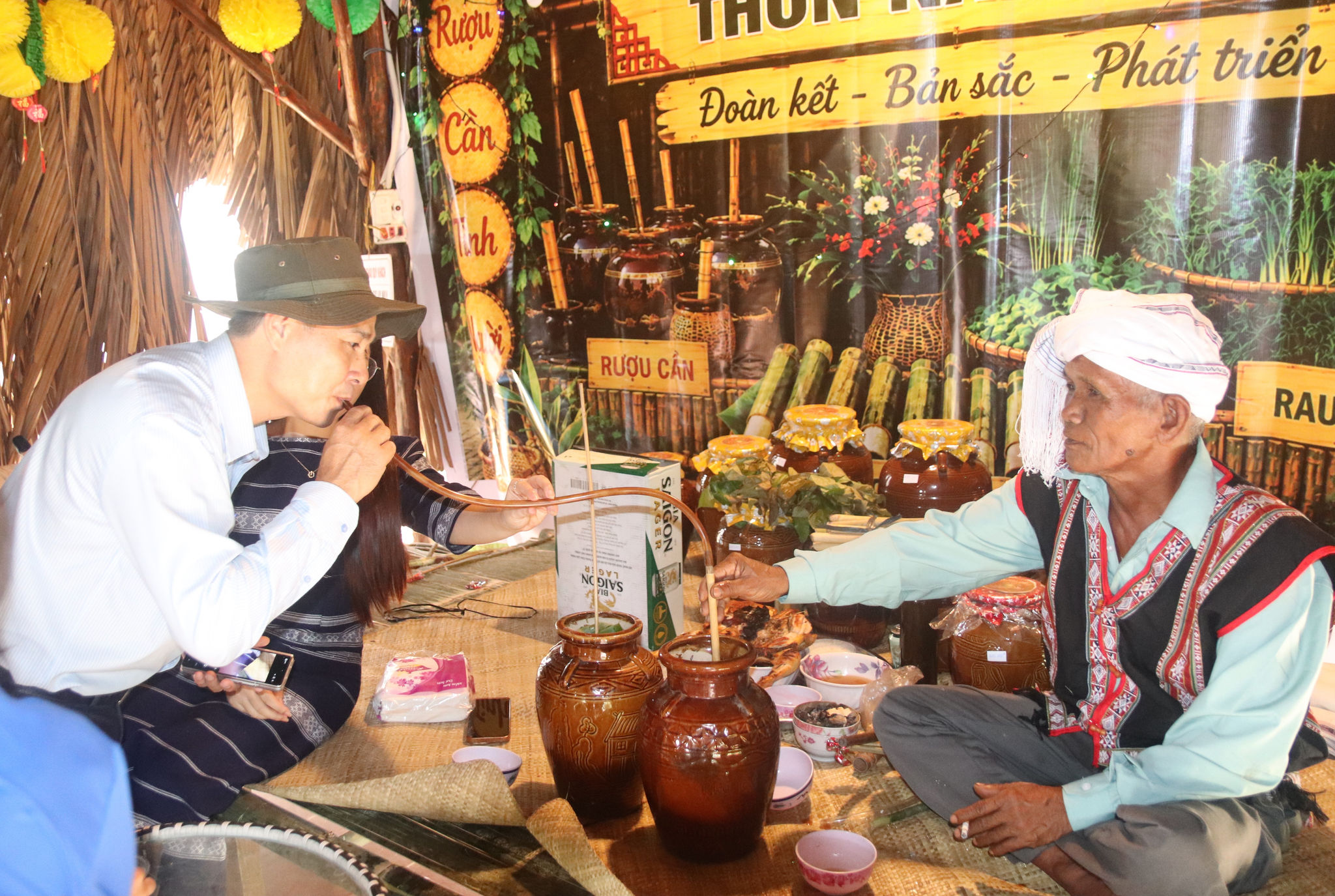
In Nam Son Hamlet, ruou can has traditionally been a familiar drink at festivals, Tet celebrations, weddings and community gatherings. In the past, the product was mainly made for families and the local community. When brought to festivals, ruou can gained an opportunity to reach visitors. Many people tasted the product, learned about it and then placed orders, creating a new market for local ruou can producers.
Nam Son village elder Tran Van Tich said: “What makes me happy is not only that more people know about products made by local residents, but also that those orders will provide families with additional income. Ruou can can also become a tourism product when people visit the locality.”
These stories show that when products, cuisine and cultural activities are incorporated into visitor experiences, local residents gain more opportunities to participate and benefit. Culture then becomes part of the tourism value chain through the community's own way of life.
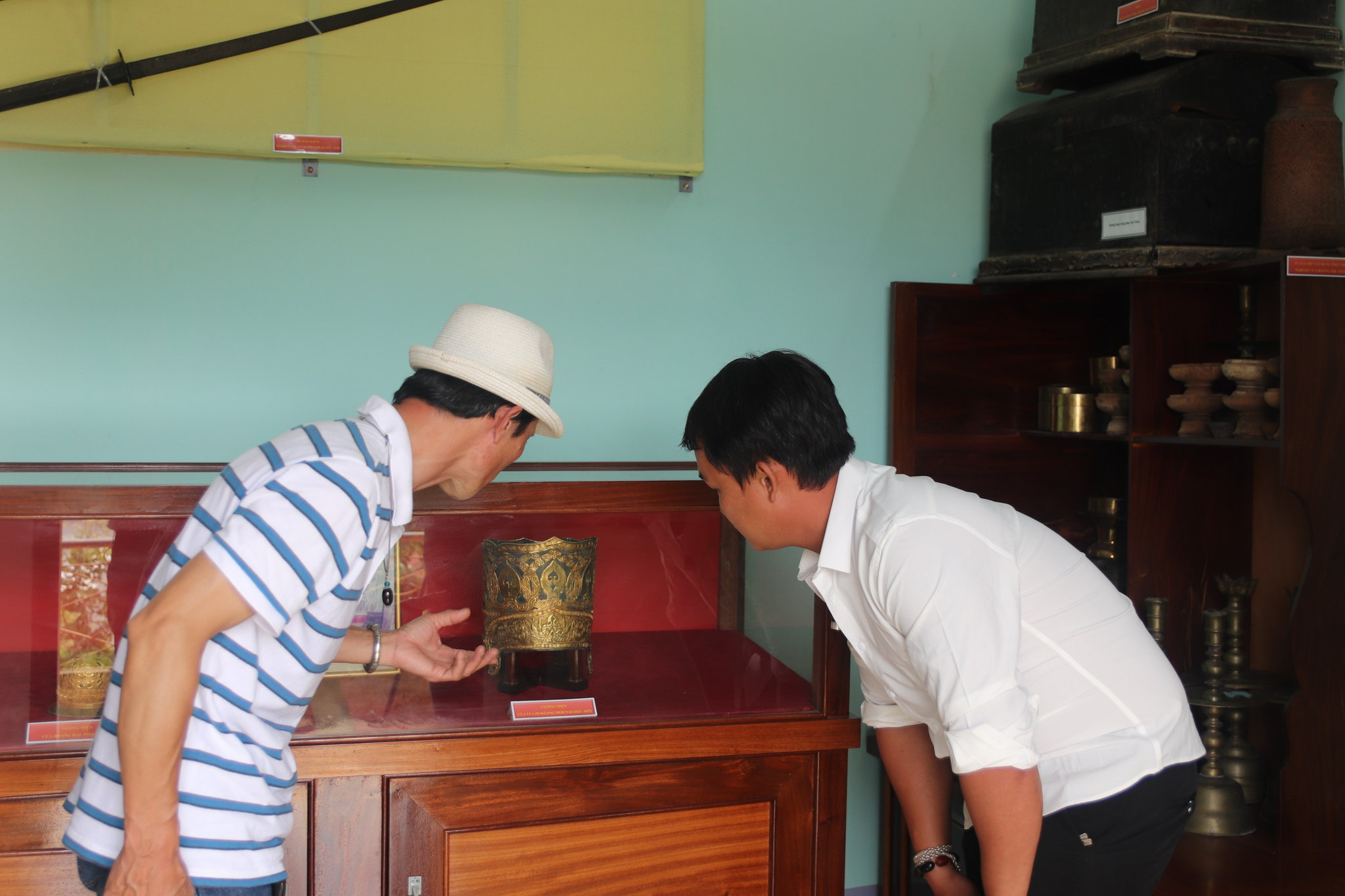
Policies Pave the Way for Culture
Following the merger, the new Lam Dong has a rich system of cultural values representing 49 ethnic groups, with an interplay between Central Highlands and South Central Coast cultures. This is a resource for the province to develop community-based tourism products while creating conditions for cultural values to continue being practiced in everyday life.
After many years working in tourism, Hoang Cong Dinh, Director of Dima Tour Import-Export Trading and Tourism Co., Ltd. in Mui Ne Ward, has observed that visitor demand is changing.
“Besides landscapes, visitors are increasingly interested in experiences and the stories behind a destination. If local people can tell those stories through their own lives and culture, that is an authentic value that no destination can replicate in exactly the same way,” Dinh said.
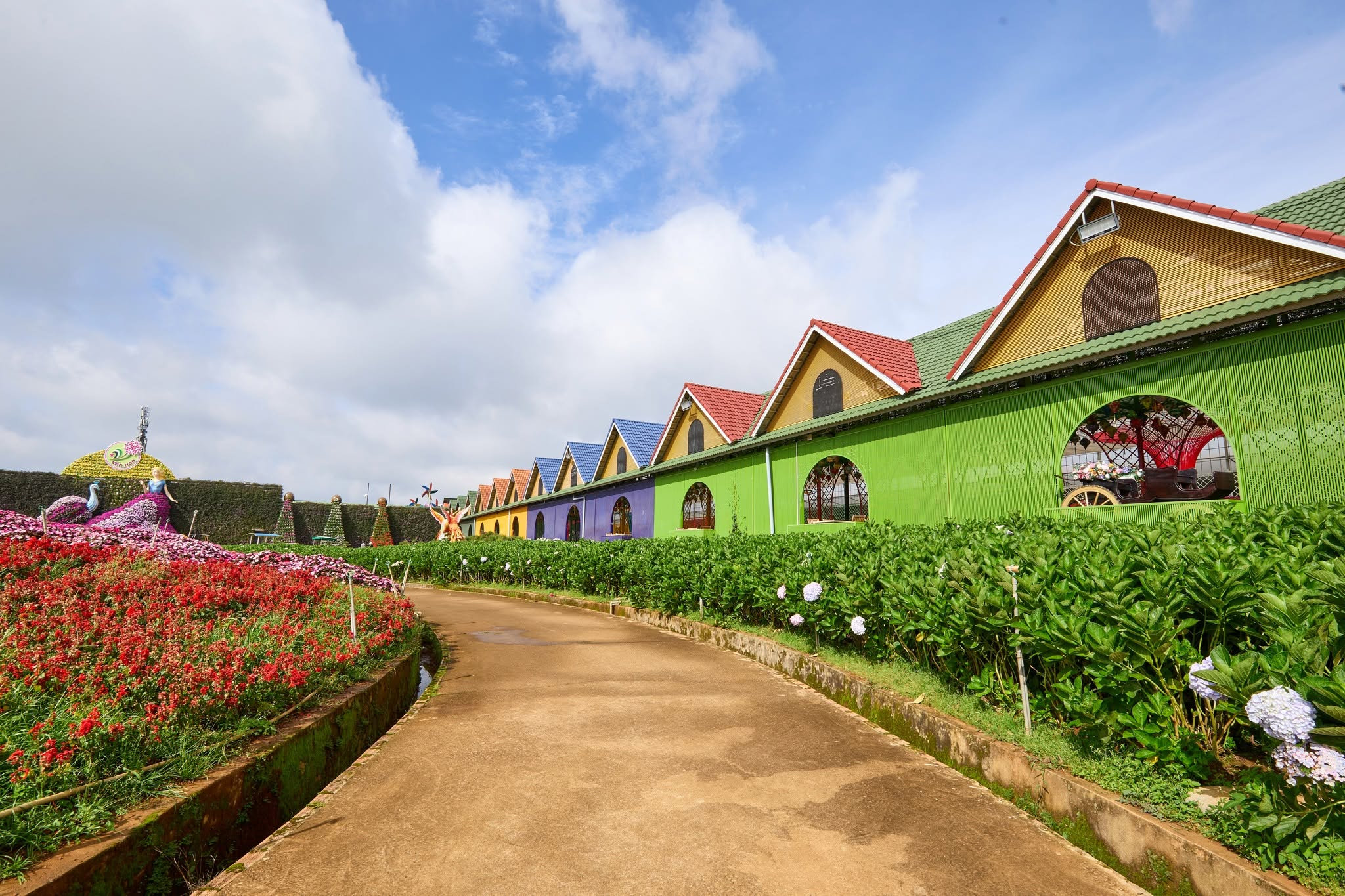
In response to visitor demand, culture can become part of tourism products. This is also in line with Resolution No. 80-NQ/TW on developing Vietnamese culture in the new era, which emphasizes the role of culture in socio-economic development.
Cultural tourism development must be placed within the province's overall socio-economic development strategy. Culture is not merely a resource to be exploited, but also a value that must be preserved, protected and passed on to future generations.
Nguyen Thi Bich Ngoc, Deputy Director of the Lam Dong Department of Culture, Sports and Tourism
In Lam Dong, promoting cultural values is being linked with tourism development, livelihoods and community life. The plan to implement the Community Tourism Development Project in Vietnam in the province for the 2026-2030 period sets the goal of improving people's living standards, developing the rural economy, contributing to poverty reduction and improving access to resources and public services in rural areas and areas inhabited by ethnic minority communities.
To turn existing values into products, the province is focusing on human resource training, infrastructure improvement, market research, tour and route connections, and the implementation of the One Commune, One Product (OCOP) program. The province has also proposed 24 models for developing community tourism sites, including Van Hoa Da Lat - Van Thanh Flower Village community tourism site in Cam Ly - Da Lat Ward; Dung K'Si Hamlet community tourism site in Lac Duong Commune; K'Long Hamlet community tourism craft village in Hiep Thanh Commune; and the Cham cultural community tourism site in Bac Binh Commune.
These efforts are intended to gradually establish a network of products, make community-based tourism one of the province's key tourism offerings and contribute to building the Lam Dong community tourism brand.
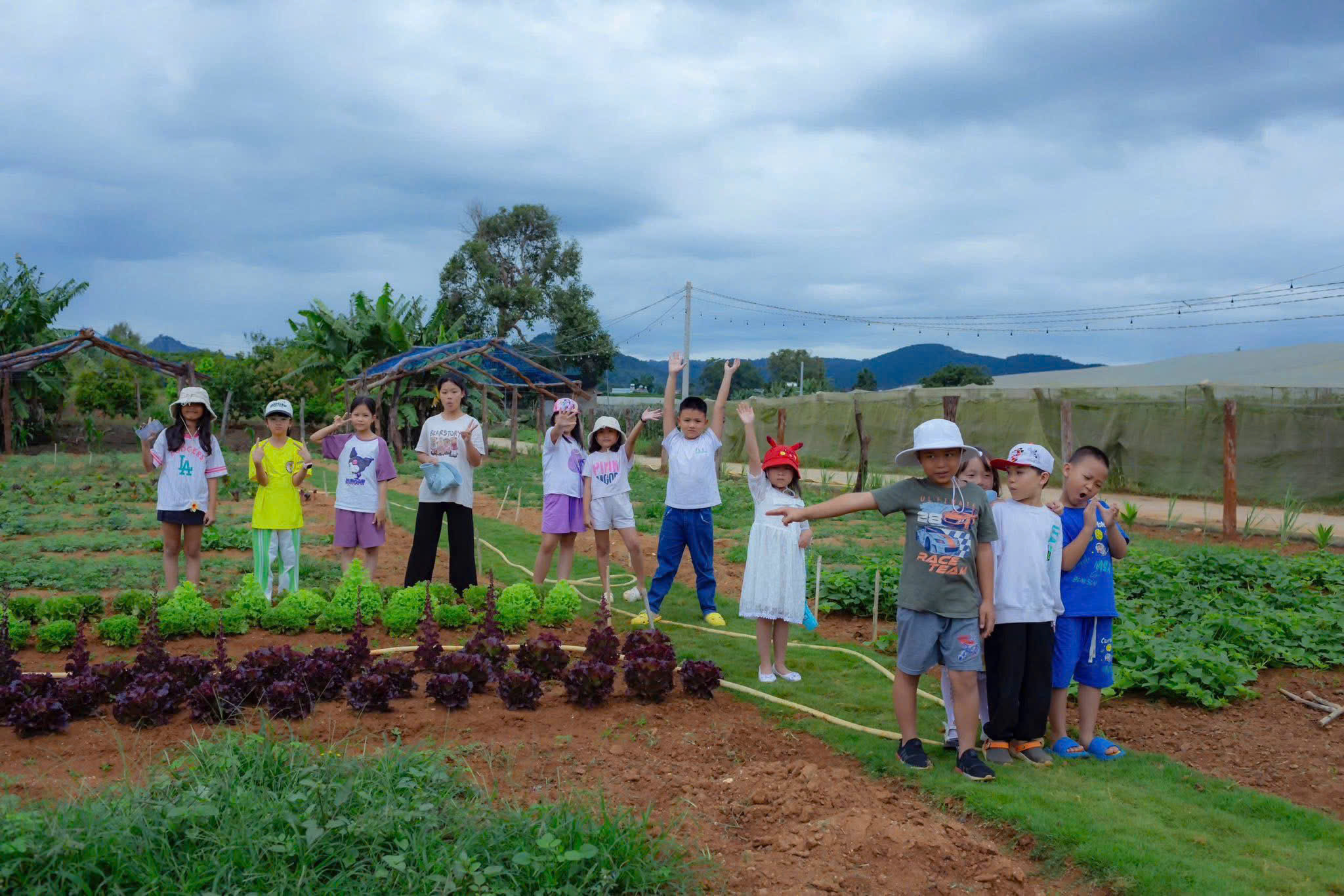
When local residents participate in tourism activities and earn income from the very values they preserve, culture gains another reason to continue being passed down. From a handicraft, a dish, a product or a cultural story, visitor flows are formed and value returns to the community. This is how culture can become a resource: local people preserve their crafts, visitors come to experience them, and the value created is shared with the communities that made them possible.
By 2030, Lam Dong aims to develop community-based tourism in a professional direction, with the goal of completing at least one community tourism village. All recognized community tourism sites meeting national community tourism standards will be introduced and promoted. The province also aims to complete a database and standardize a digital map of community tourism sites across the province.