


Party Members Pioneer Organic Rice Cultivation on Barren Land
They were the pioneers, sowing seeds on parched soil, experimenting with organic rice, and turning those early trials into a sustainable clean-rice brand. In the southeastern region of Lam Dong Province, these dedicated Party members have not only transcended purely administrative roles but also gone directly into the fields, leading farmers in clean rice production, enhancing agricultural value, and ushering in a sustainable spring for once-barren land.
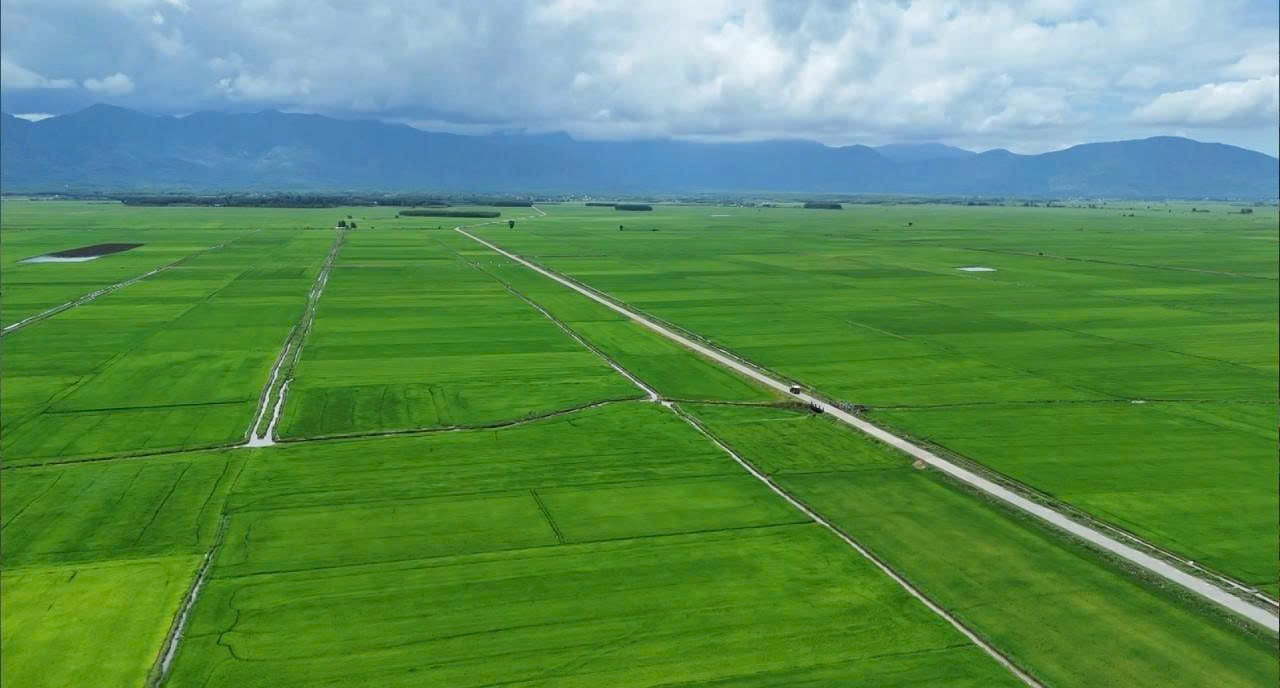
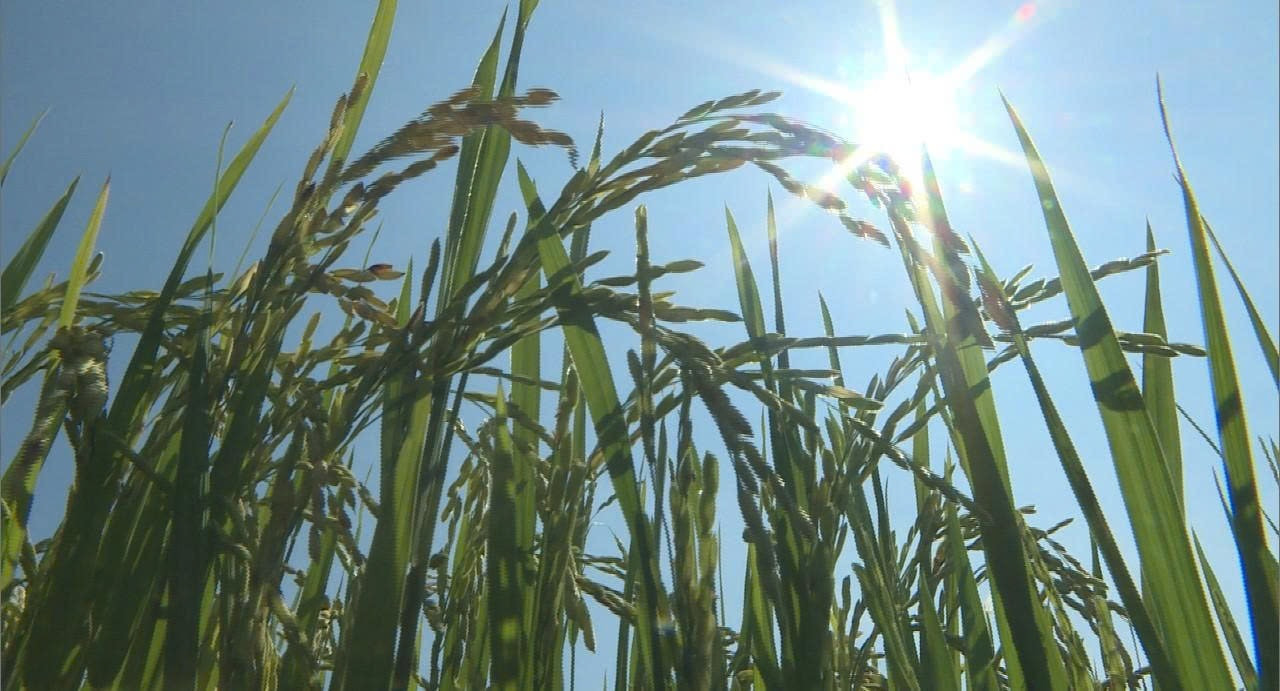
In the past, the first organic rice seeds were sown on the fields of La Nga amid hesitation. The soil was dry, water was scarce, and farmers were accustomed to chemical fertilizers and pesticides. Choosing a different path meant accepting risk.
At that time, Nguyen Van Hoang was the only Party member on the Management Board of Duc Phu Agricultural Services Cooperative (Nghi Duc Commune). Rather than persuading with words, he led by example—stepping into the fields first, working first, and accepting lower yields in exchange for the gradual restoration of the soil.
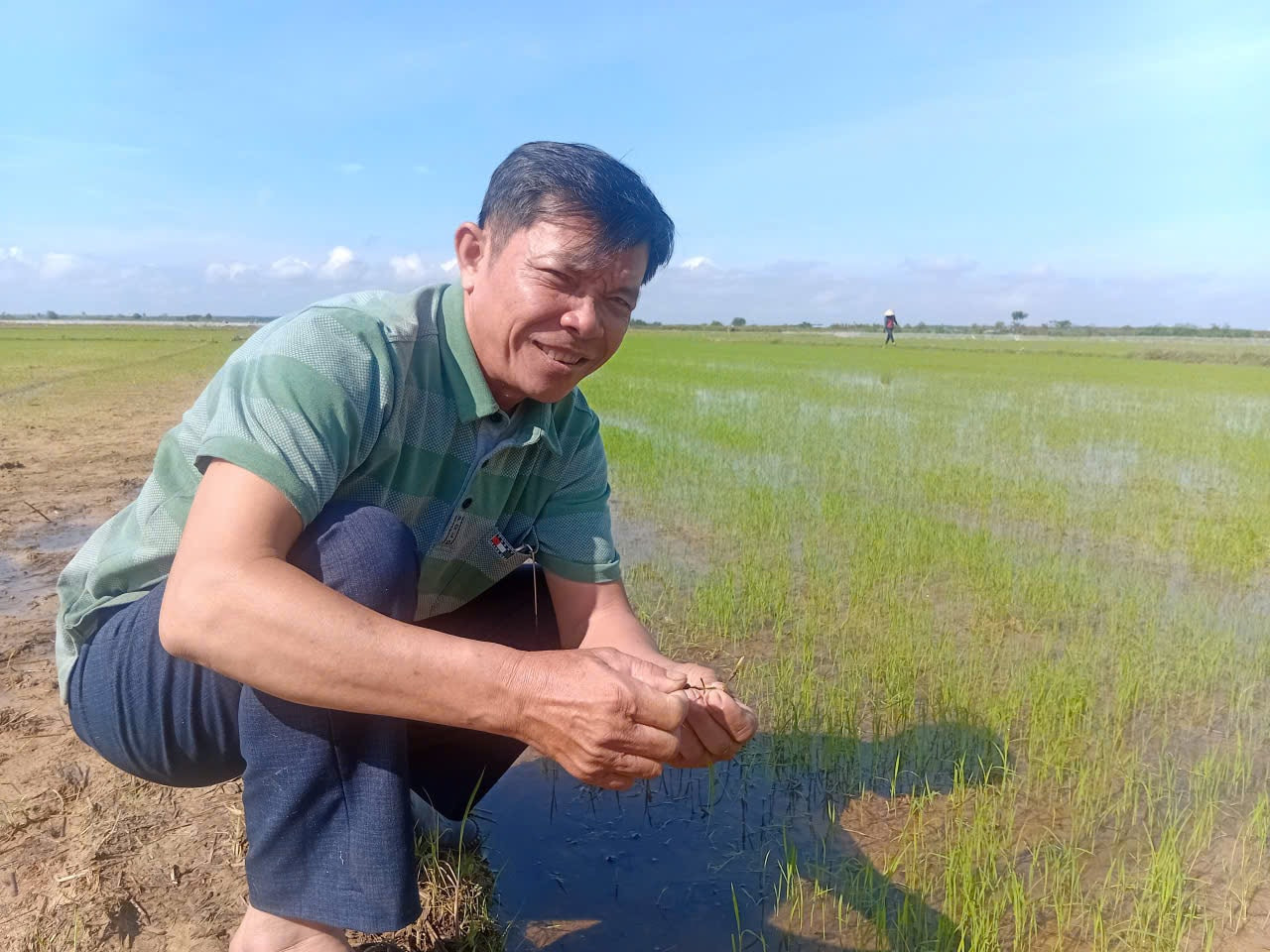
If you want people to believe, you have to be willing to bear the losses first. If Party members are not prepared to lead the way, it is impossible to gain long-term trust.
Mr. Nguyen Van Hoang, Deputy Director of Duc Phu Agricultural Services Cooperative
“If you want people to believe, you have to be willing to bear the losses first. If Party members are not prepared to lead the way, it is impossible to gain long-term trust,” Mr. Hoang said.
He traveled extensively, from the Mekong Delta to agricultural research institutes, to research SRI rice cultivation models and bio-fertilizer production. Upon returning home, he worked tirelessly with farmers to overcome each challenge. The first organic rice crops grew slowly, but the soil gradually loosened and recovered. The rice became more fragrant, commanded higher prices, and farmers began to follow suit.
From just a few initial hectares, Duc Phu now has 168 hectares of rice fields, including 100 hectares cultivated under organic-oriented models with contract-based consumption. On land once considered infertile, rice has taken firm root.
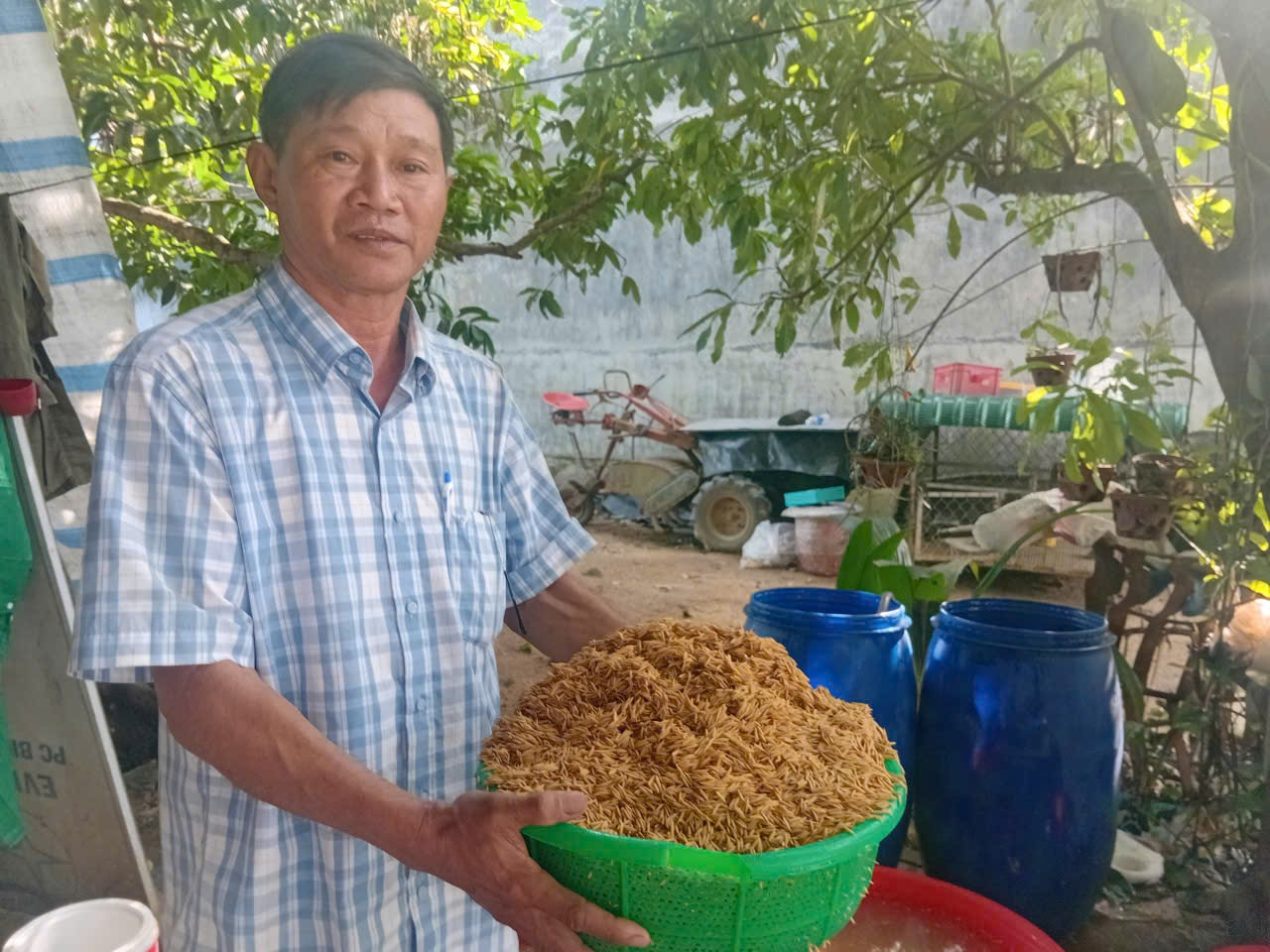
Producing clean rice is a long-term effort; it cannot be rushed.
Mr. Do Quang Dung, Deputy Director of Duc Binh Agricultural Services Cooperative
If sowing the seeds was difficult, sustaining them across multiple seasons proved even more challenging. In Dong Kho Commune, Do Quang Dung, Deputy Director of Duc Binh Agricultural Services Cooperative, vividly recalls his first organic rice crop: just 0.7 hectares, no chemical fertilizers, no pesticides, heavy pest pressure, and yields only half of today’s levels.
“There were moments, standing in the middle of the field when I wondered whether I was wrong,” Dung recalled. But he did not give up. For him, clean rice was not only about market value, but also about preserving the land and protecting farmers’ health.
Over successive seasons, the rice grew stronger and the soil adapted to the new farming methods. Organic rice acreage gradually expanded, at times reaching up to 60 hectares. Tan Linh rice made its way to cities and major markets. After a long and demanding journey, two rice products have now achieved OCOP 4-star certification—clear recognition of a path that was anything but easy.
Seeds of a Sustainable Spring
Today, mountainous communes in the southeastern region of the province have designated specialized zones for high-quality rice production, implemented organic and SRI rice models, and invested in synchronized infrastructure such as field roads, irrigation canals, and facilities for handling pesticide packaging waste. All of these efforts are contributing to a sustainable spring across the rice fields.
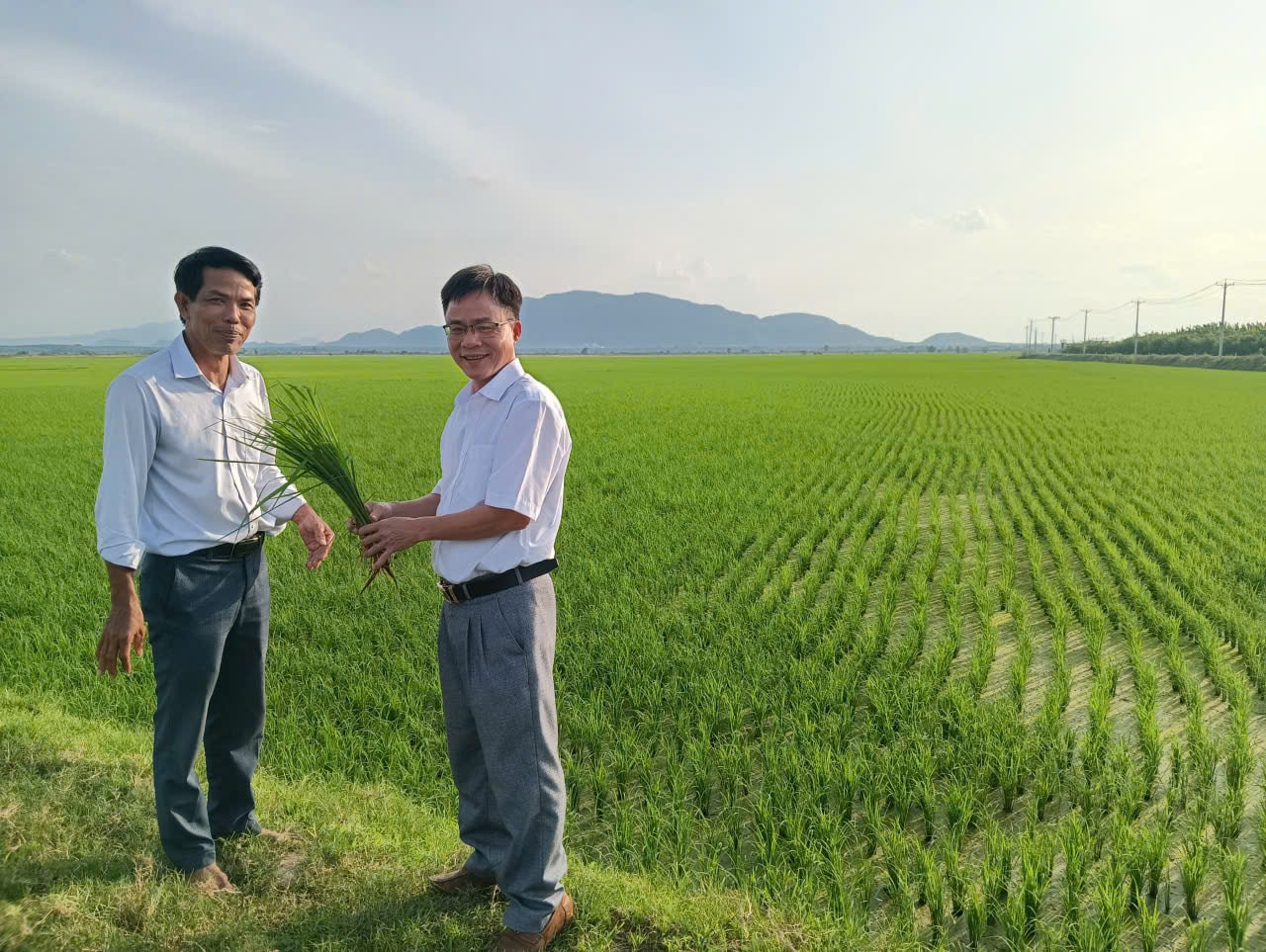
To restructure agriculture effectively, we must start with rice—the key crop of the locality.
Mr. Nguyen Van Thanh, Standing Deputy Secretary of the Bac Ruong Commune Party Committee
Mr. Nguyen Van Thanh, Standing Deputy Secretary of the Party Committee of Bac Ruong Commune, believes that Party members who take the lead in organic rice farming are not only sowing rice seeds, but also planting trust, responsibility, and a spirit of innovation in sustainable agricultural production.
“To restructure agriculture effectively, we must start with rice—the key crop of the locality. The Party Committee does not stand outside production. We create mechanisms, support cooperatives, promote land consolidation, and build rice brands so that farmers can confidently pursue clean production,” Mr. Thanh said.
Thanks to this orientation, today’s fields yield more than just rice—they cultivate new ways of thinking. Farmers now speak of traceability, markets, and agricultural economics. Rice grains are no longer just food, but value. In that journey, the footprints of Party members imprinted on the fields are not marked by slogans, but by sweat. When Party will aligns with the people’s trust, spring does not merely pass through the fields—it stays on in each clear white grain of fragrant rice from Lam Dong.