Paving the Way for a New Growth Pole in Lam Dong
Lam Dong is undergoing a major transformation as it expands its development space. Expressways connecting the Central Highlands with the Southeast, the reopening of Lien Khuong International Airport, and plans to develop urban, logistics and high-tech agricultural centers are gradually creating a new face for the highland province.
.jpg)
Expressways Expand Economic Development Space in Lam Dong
Across construction sites in Da Huoai, Bao Loc and Duc Trong, the steady roar of machinery, newly opened roadbeds, bridges and interchanges taking shape are clear signs of a major transformation in Lam Dong's transport infrastructure.
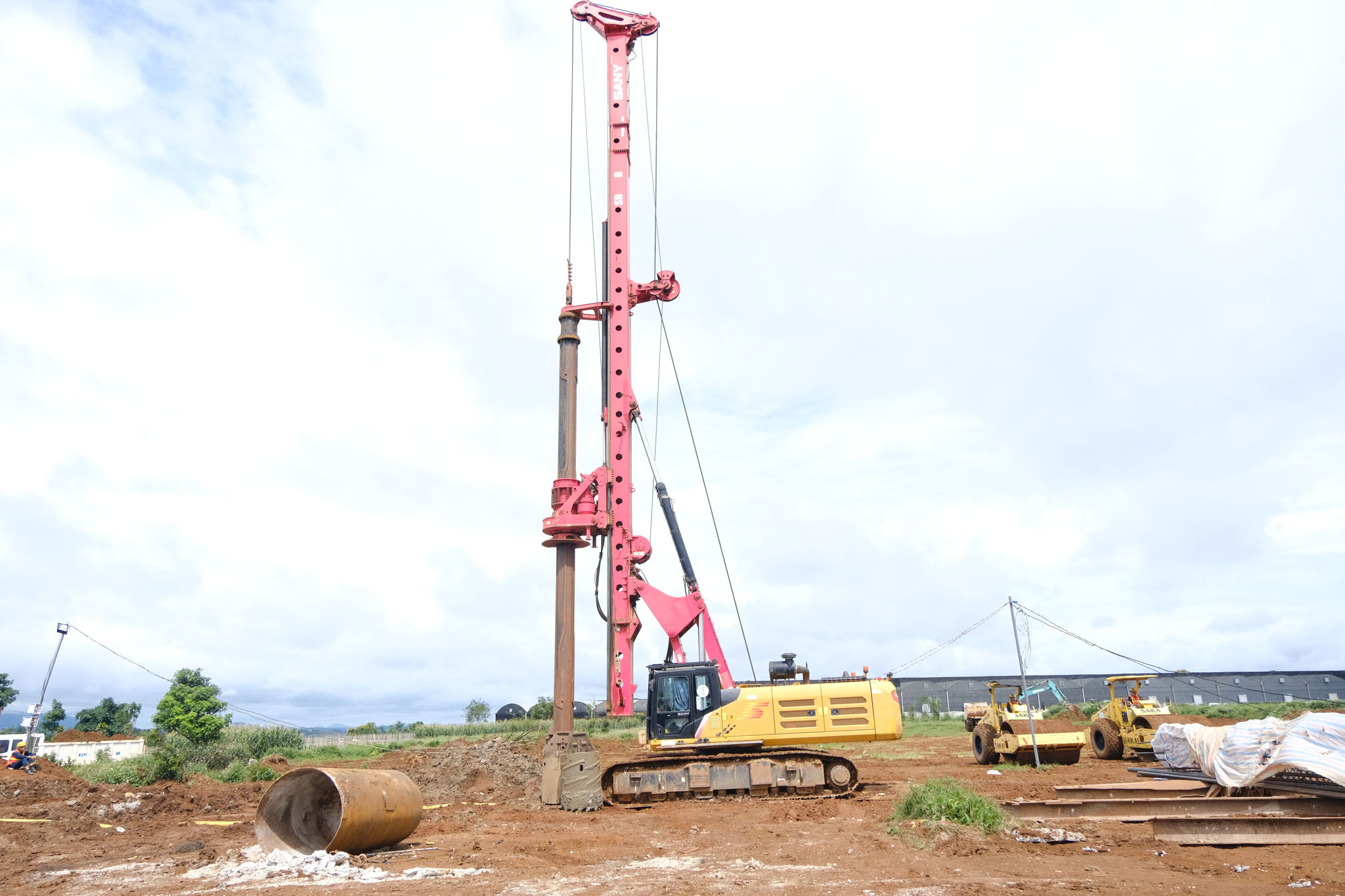
The Tan Phu–Bao Loc, Bao Loc–Lien Khuong and Gia Nghia–Chon Thanh expressways have been identified by the province as key projects requiring focused efforts to remove obstacles, accelerate site clearance, organize construction and disburse investment funds. The province aims to complete site clearance for these projects in September 2026.
The Tan Phu–Bao Loc Expressway is approximately 66 kilometers long, with a total investment of VND 18.002 trillion, including about 55 kilometers in Lam Dong. The project is being implemented under a public-private partnership (PPP) model through a build-operate-transfer (BOT) contract, with completion and operation targeted for the fourth quarter of 2027.
In areas where land has been handed over, contractors are deploying multiple construction teams, gradually forming a new route connecting Lam Dong with the southern expressway network.
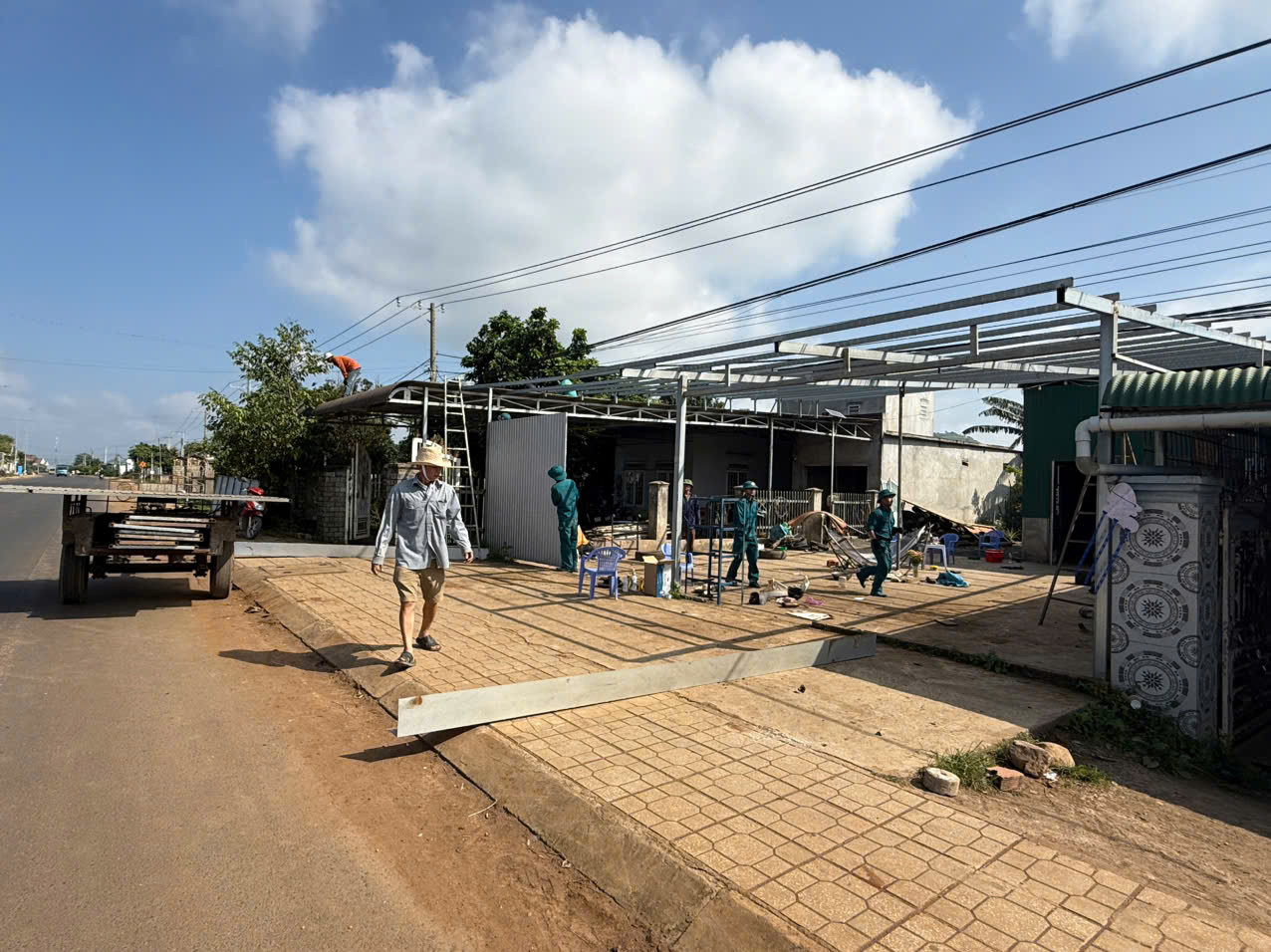
Further along the route, the Bao Loc–Lien Khuong Expressway is approximately 73.62 kilometers long, with a total investment of around VND 17.718 trillion, and is also targeted for completion in the fourth quarter of 2027. As of early August, about 471 hectares of land had been handed over, equivalent to nearly 76% of the project's total area, allowing multiple construction teams to operate on eligible sections.
Once the two expressways are completed and connected with the Dau Giay–Tan Phu Expressway, the Dau Giay–Lien Khuong expressway corridor will gradually take shape, creating a high-speed transport route linking Lam Dong with Ho Chi Minh City, Dong Nai and major economic centers in the Southeast.
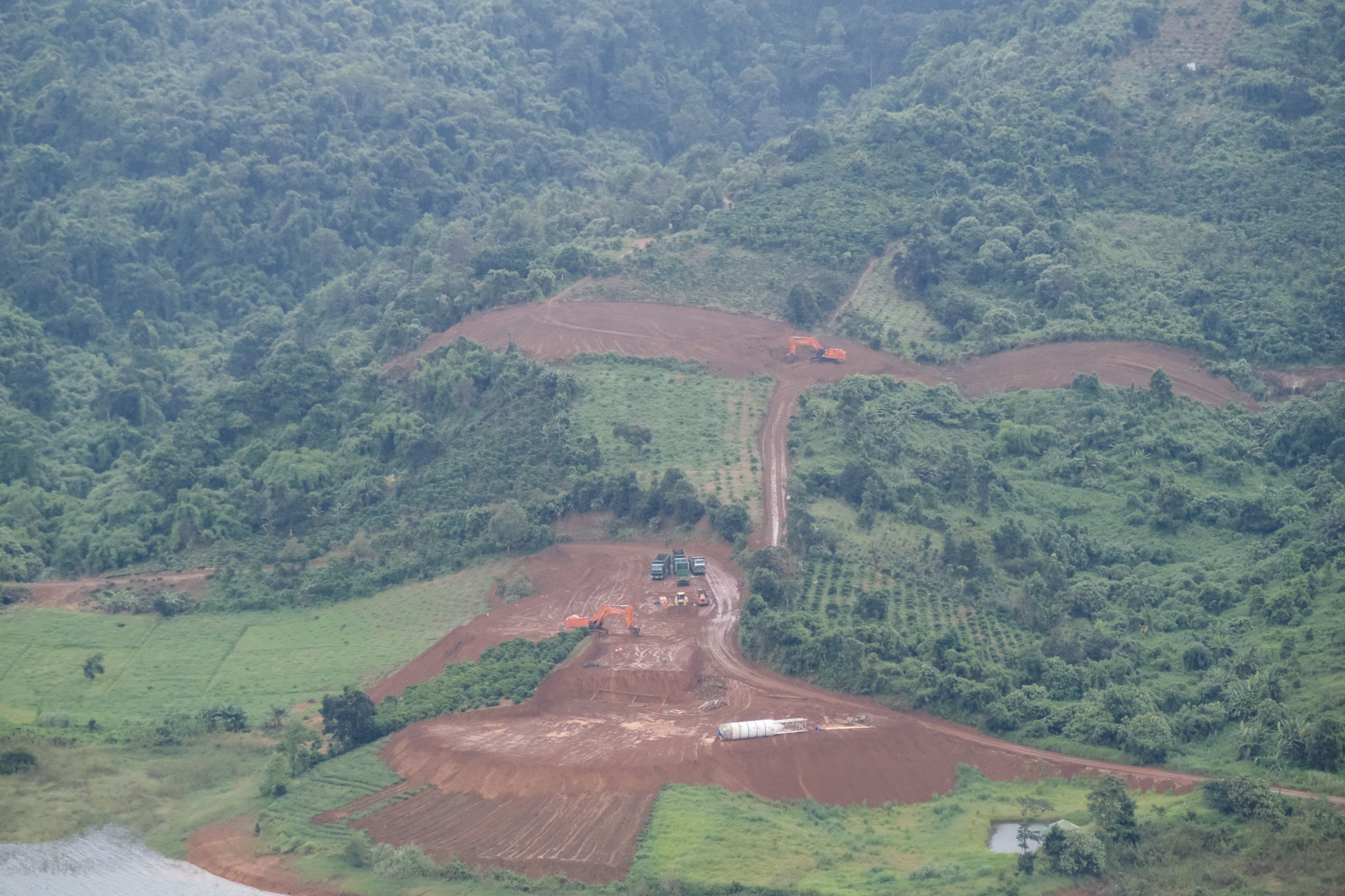
Beyond the two southern expressway routes, the Gia Nghia–Chon Thanh Expressway will open another connection between Lam Dong, the Southeast and the Central Highlands. Together with the Tan Phu–Bao Loc and Bao Loc–Lien Khuong expressways, these are three major expressway projects requiring the development of resettlement and agricultural production areas to serve construction in the province.
Looking further ahead, Lam Dong is studying a plan to develop the approximately 143.81-kilometer Phan Thiet–Bao Loc–Gia Nghia Expressway. The route has been proposed as a key project for the 2025–2030 term, opening another transport corridor from the coastal area to the highlands and the Central Highlands.
Given the project's substantial capital requirements, the province is considering mobilizing social resources through the PPP model. If realized, the route would further expand the interregional transport network, creating additional room for urban development, tourism, services and investment attraction.
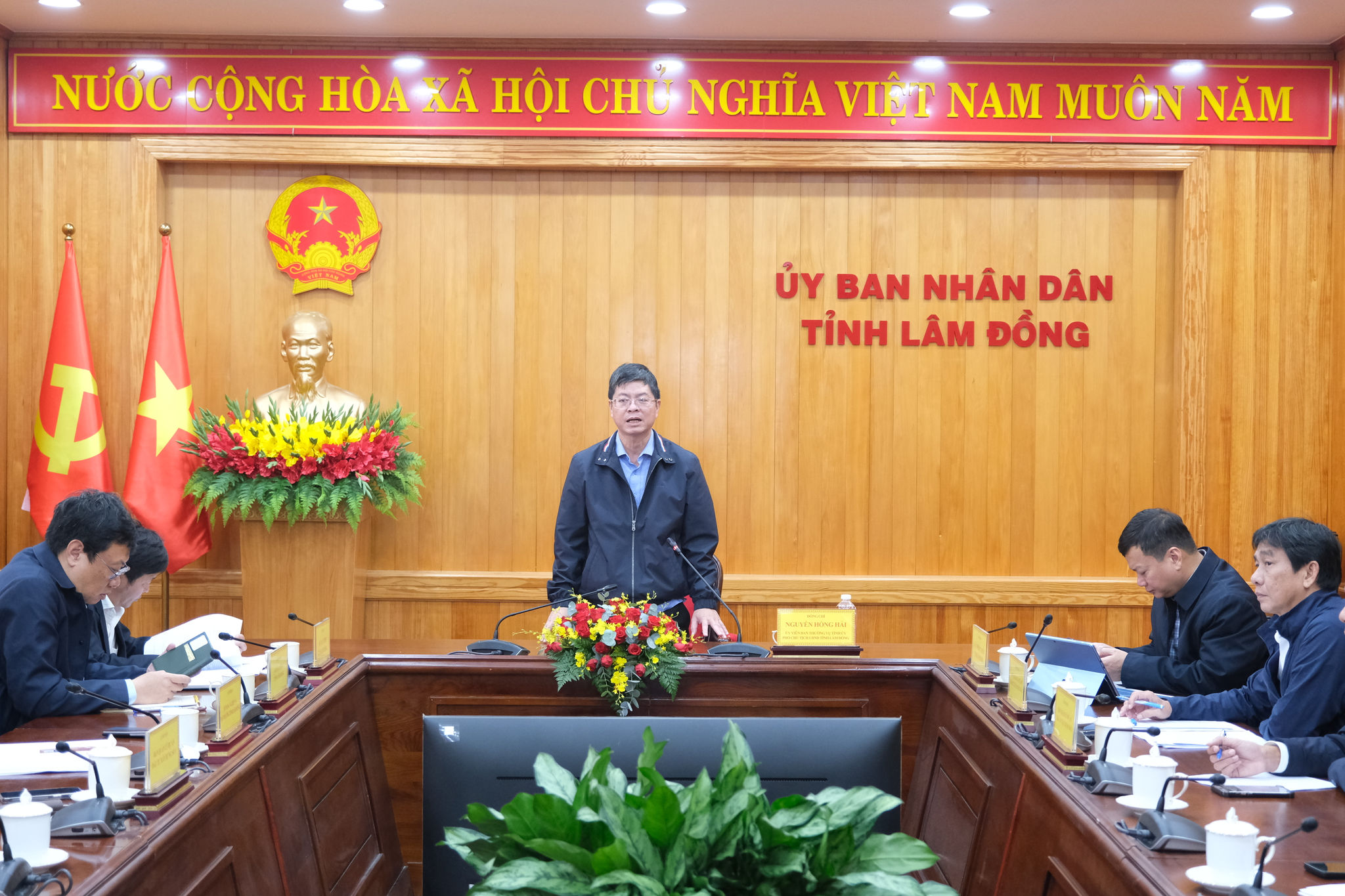
Nguyen Hong Hai, Member of the Provincial Party Standing Committee and Vice Chairman of the Lam Dong Provincial People's Committee, emphasized that the expressway system is of particular importance to the province's long-term development strategy. It will not only create a breakthrough in transport connectivity but also expand economic space, restructure urban, production and service areas, and strengthen links between Lam Dong and Ho Chi Minh City, the Southeast, the Central Highlands and major economic centers.
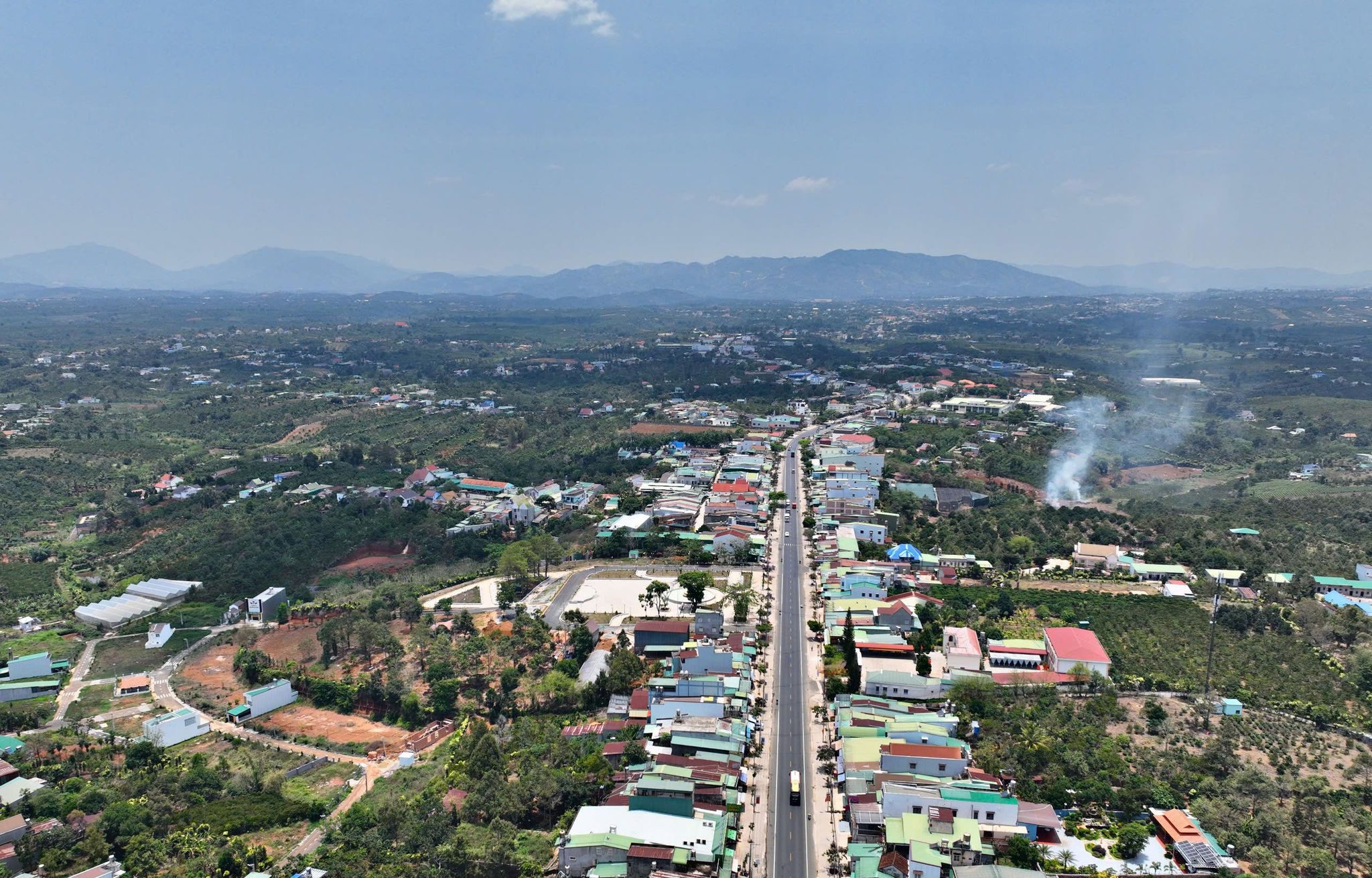
As the expressways are gradually completed, the province's strengths in agriculture, tourism, processing industries and services will have greater opportunities to flourish. This will provide a foundation for attracting investment, enhancing competitiveness, reducing logistics costs and creating new growth drivers.
These are not merely transport projects. They are strategic infrastructure that will create the space and foundation for Lam Dong to develop rapidly and sustainably and realize its goal of becoming a dynamic growth pole in the region in the new period.
Agricultural Products Need Faster Routes to Market
Lam Dong has exceptional advantages in agriculture. Vegetables, flowers, coffee, durian and other highland specialties are increasingly present in domestic and international markets. But in an economy where competitiveness depends on quality and delivery speed, producing high-quality goods is only a necessary condition.
The next challenge is to move products from farms to markets at lower cost, in less time and while maintaining quality. This is where transport infrastructure and logistics become part of agricultural competitiveness.
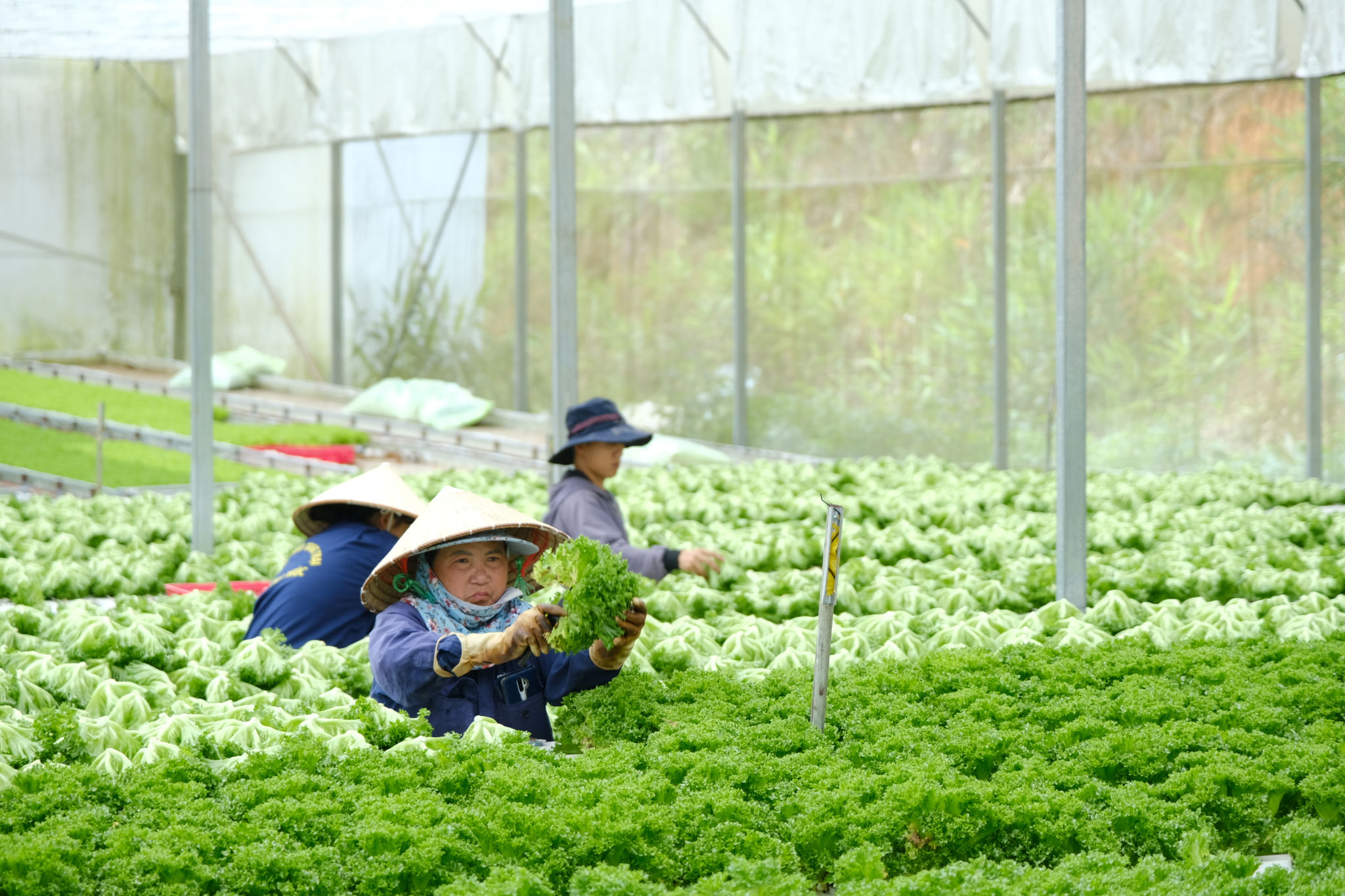
According to the relevant authorities, logistics costs currently account for around 20–25% of the cost of agricultural products in Lam Dong, particularly during harvest periods. The province also faces limitations in cold storage, packaging, inspection and integrated agricultural logistics centers.
For fresh products such as vegetables and flowers, shortening transportation time is even more important. In Lac Duong Commune, To Quang Dung of Truong Phuc Farm Co., Ltd. said that since 2018, the company has partnered with other businesses to export hydroponic lettuce to South Korea. The opening of the market has also brought increasingly demanding requirements for quality, delivery times and logistics costs.
.jpg)
From its production experience, the company has clearly recognized the value of an integrated transport and logistics network. When expressways shorten travel times from production areas to consumption centers, airports expand their capacity, and packaging facilities, cold storage, inspection centers and inland container depots are developed, Lam Dong's agricultural products will have greater opportunities to shift from an advantage in volume to an advantage in value.
This is also the direction of transformation pursued by Lam Dong's agricultural sector. Alongside increasing production, the province is raising standards, establishing growing-area codes, strengthening traceability, promoting deep processing and participating more deeply in global supply chains.
Integrated Infrastructure Creates New Growth Centers
If expressways open up routes on the ground, aviation opens new gateways in the sky.
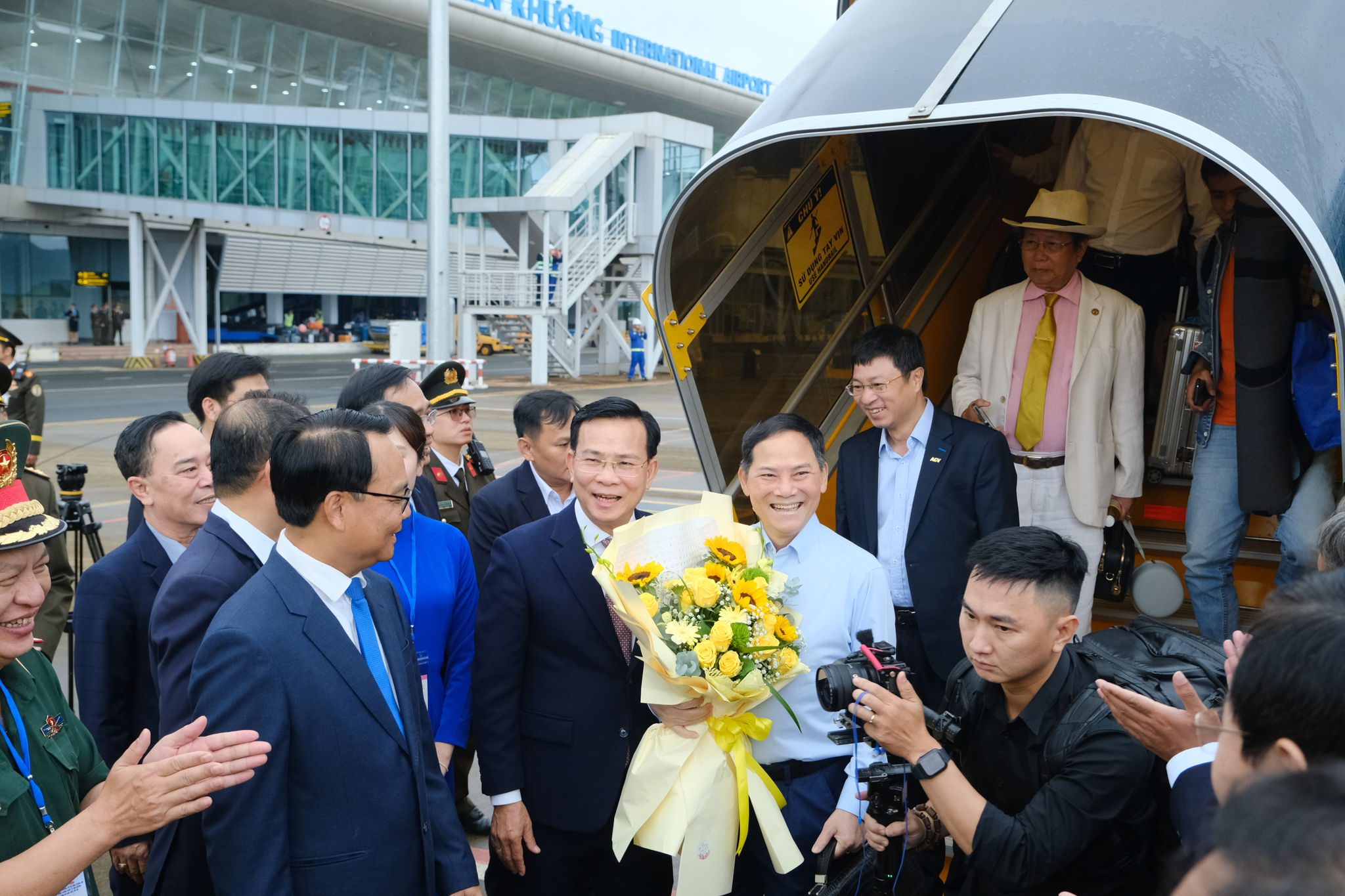
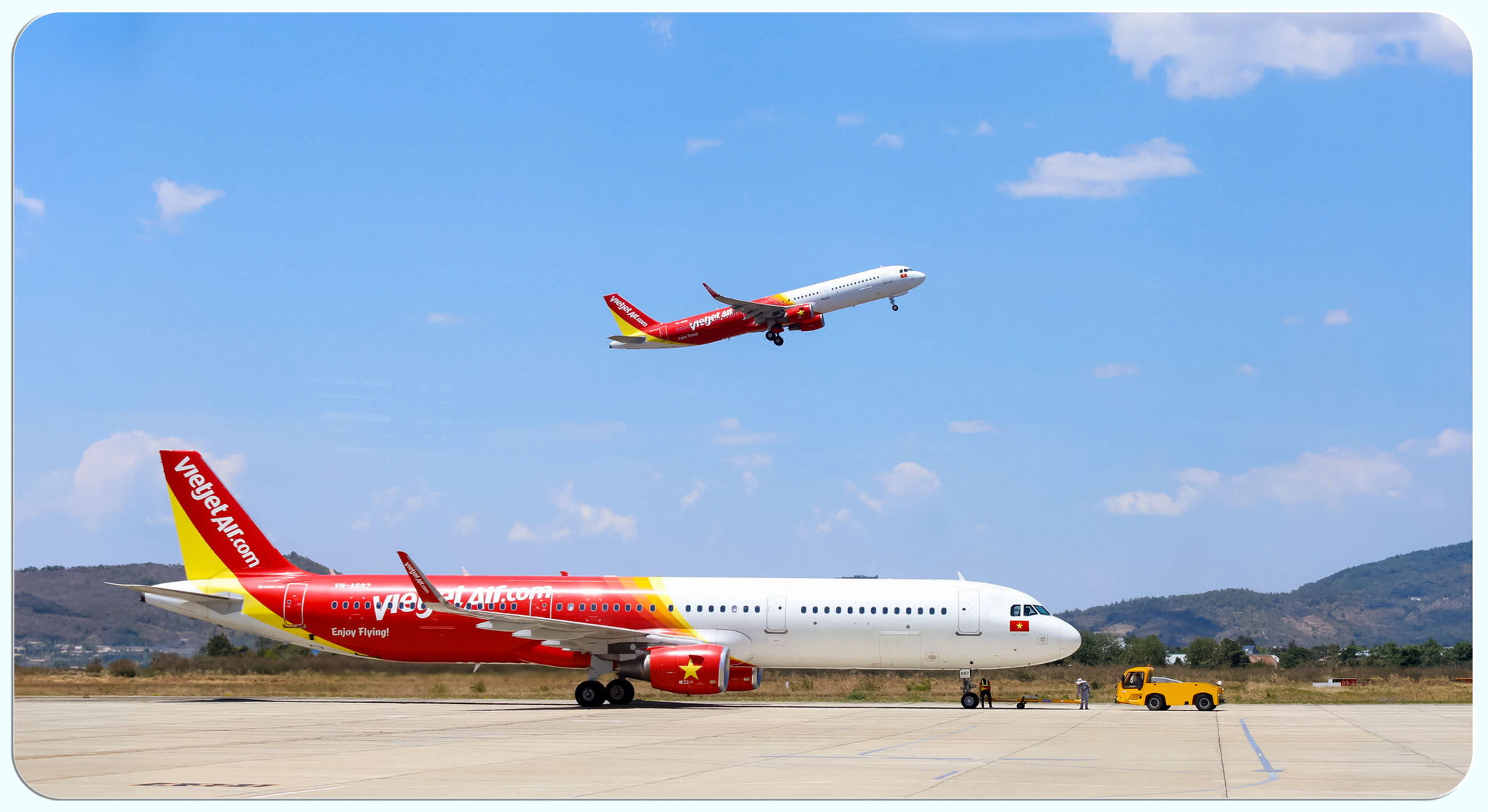
On August 19, 2026, Lien Khuong International Airport officially resumed operations after more than five months of suspension for repairs and upgrades. The project had a total investment of more than VND 1 trillion and focused on repairing the entire 3,250-meter-long, 45-meter-wide runway, replacing the asphalt pavement with concrete, and upgrading taxiways, safety areas, technical infrastructure and flight-operation equipment.
The airport's reopening at a time when Lam Dong is accelerating efforts to expand its development space carries particular significance. Tourism, trade, investment and international exchanges now have an important additional gateway.
Under the development plan, by 2030, Lien Khuong is expected to meet Category 4E standards, with an annual capacity of approximately 5 million passengers and 20,000 tons of cargo. After 2030, its capacity is projected to increase further to around 7 million passengers per year.
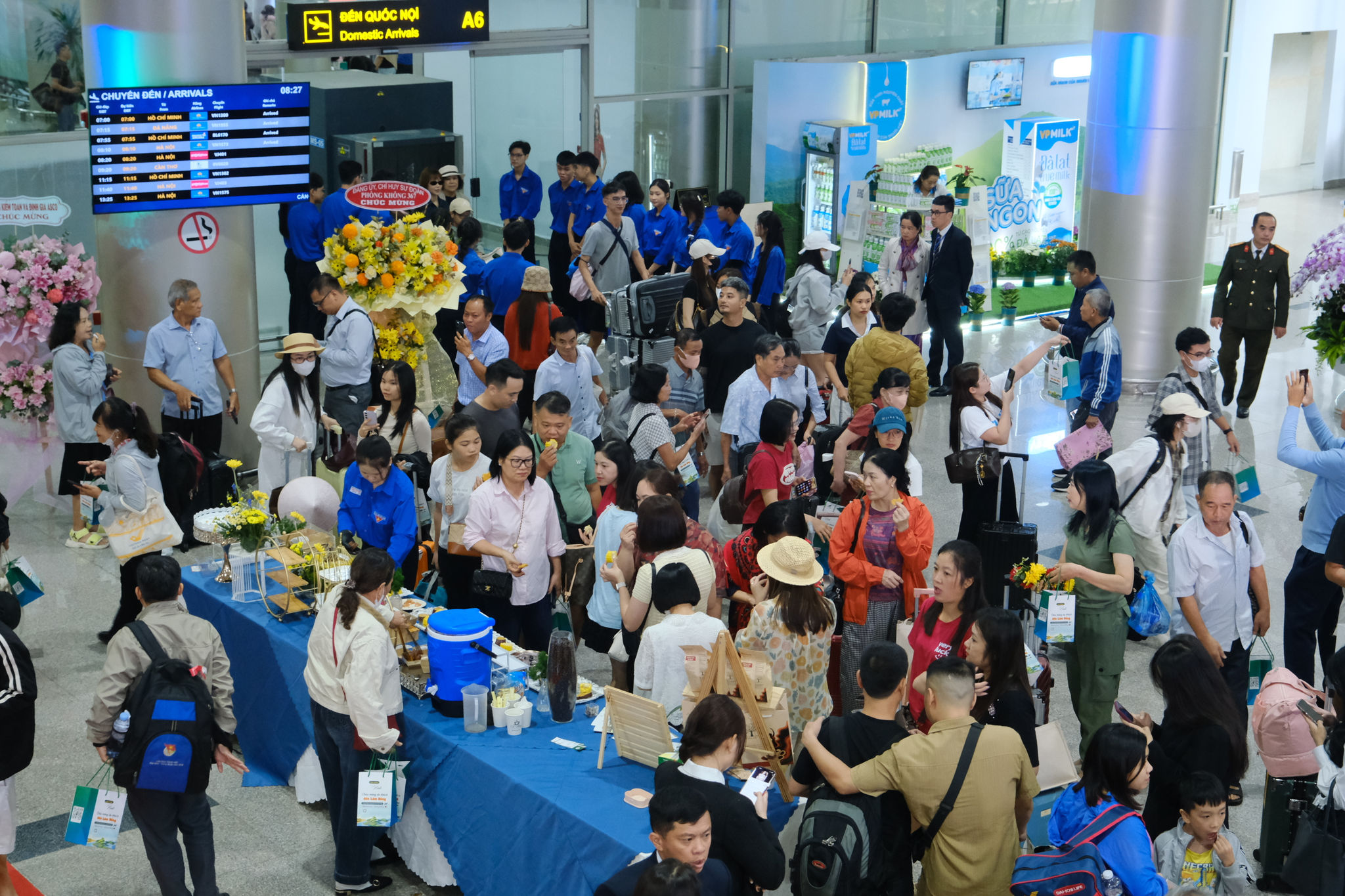
Alongside transport infrastructure, the province's urban development space is also being reshaped. Under Decision No. 2216/QD-UBND dated May 19, 2026, the master planning task for Duc Trong Commune through 2050 identifies the area for development as a smart, green and sustainable urban center. Its economic structure will shift toward processing industries, logistics, administrative and commercial services, and international trade, with a vision of developing the provincial administrative and political center.
With a planned area of nearly 14,878 hectares, Duc Trong is envisioned as an international gateway urban hub, connected to the Bao Loc–Lien Khuong Expressway, National Highway 20 and Lien Khuong International Airport.
The plan also calls for the development of a research and product-development center focused on biotechnology and deep processing of agricultural products, while continuing investment in and operation of the Duc Trong inland container depot (ICD).
.jpg)
This shows that infrastructure is creating a new development structure for Lam Dong. Expressways connect economic regions; airports connect distant markets; logistics links production with consumption; while urban centers concentrate services, human resources and high-value economic activities.
More importantly, these projects are not being developed in isolation but are gradually forming an interconnected network. Expressways enable agricultural products, goods and tourists to travel faster; airports expand connectivity; logistics strengthens product competitiveness; and urban centers provide space for services, trade and human resources.
When these links are seamlessly integrated, the distinctive advantages of each area can reinforce one another, creating a shared strength for Lam Dong as a whole.