


Paving the Way for Green Agriculture in Lam Dong
Aiming to promote greener and more sustainable farming, Lam Dong Province is accelerating the implementation of its Integrated Plant Health Management (IPHM) program, helping reduce production costs, limit environmental impacts, and enhance agricultural competitiveness.
Foundation for Sustainable Farming
In line with national efforts, Lam Dong Province is formulating a strategy to enhance Integrated Plant Health Management (IPHM) until 2030, aiming to foster coordinated improvements in awareness and practices throughout the agricultural sector. This initiative expands the scope of IPHM beyond pest and disease control to encompass seed varieties, soil, water, nutrition, and the wider farming ecosystem.
The IPHM program is grounded in organic and circular farming methods that align with natural processes, which Lam Dong has been implementing for several years. In practice, these methods have notably decreased the reliance on synthetic fertilizers and chemical pesticides, while simultaneously boosting crops' resilience to unfavorable conditions.
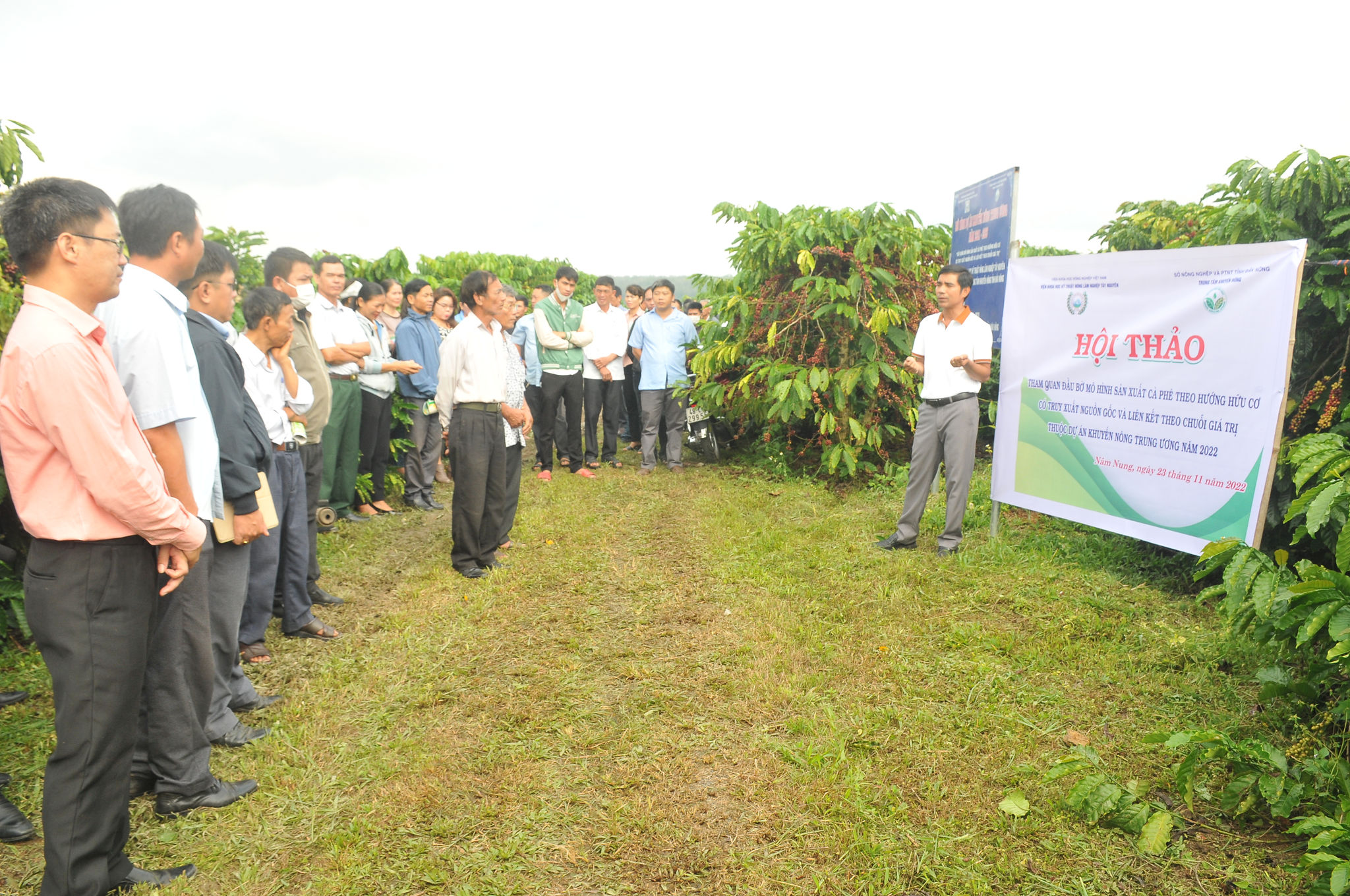
Since 2022, Tran Van Long's family in Dak Mil Commune has been receiving technical support on creating microbial organic fertilizer from agricultural waste.
This method assists farmers in ensuring fertilizer availability, enhancing soil quality, safeguarding the environment, and decreasing reliance on chemical fertilizers. “By composting agricultural waste into microbial organic fertilizer and reintegrating it into the soil, we can rejuvenate soil fertility and enhance nutrient absorption in crops,” Long explained.
On the other hand, Hoang Van Sy from Duc Long Hamlet in Dak Sak Commune shared that after applying microbial organic fertilizer, he has been able to reduce the use of fertilizers and pesticides, contributing to a healthier farm ecosystem.
“Integrating microbial organic fertilizer with environmentally friendly farming practices helps minimize chemical use, resulting in safer production for farmers, the environment, and agricultural products,” Sy noted.
He added that since using microbial organic fertilizer made from plant residues, the soil has become looser and more fertile, while crops have grown greener and healthier. As a result, the productivity and quality of coffee and pepper have improved significantly, while input costs have declined.
.jpg)
Expanding the Application of Science and Technology
Alongside hosting Farmer Field Schools (FFS), training, and creating IPHM instructors, Lam Dong is also concentrating on the integration of science and technology in managing plant health. Numerous research initiatives are currently in progress to develop pest-resistant crop varieties that can adapt to climate change, as well as to create biological products and technologies for early pest warning and monitoring.
According to Vu Dinh Cuong, the Deputy Director of the provincial Department of Agriculture and Environment, Lam Dong’s IPHM strategy for key crops up to 2030 will prioritize the use of digital technology in pest monitoring and forecasting to enhance readiness and minimize risks for farmers.
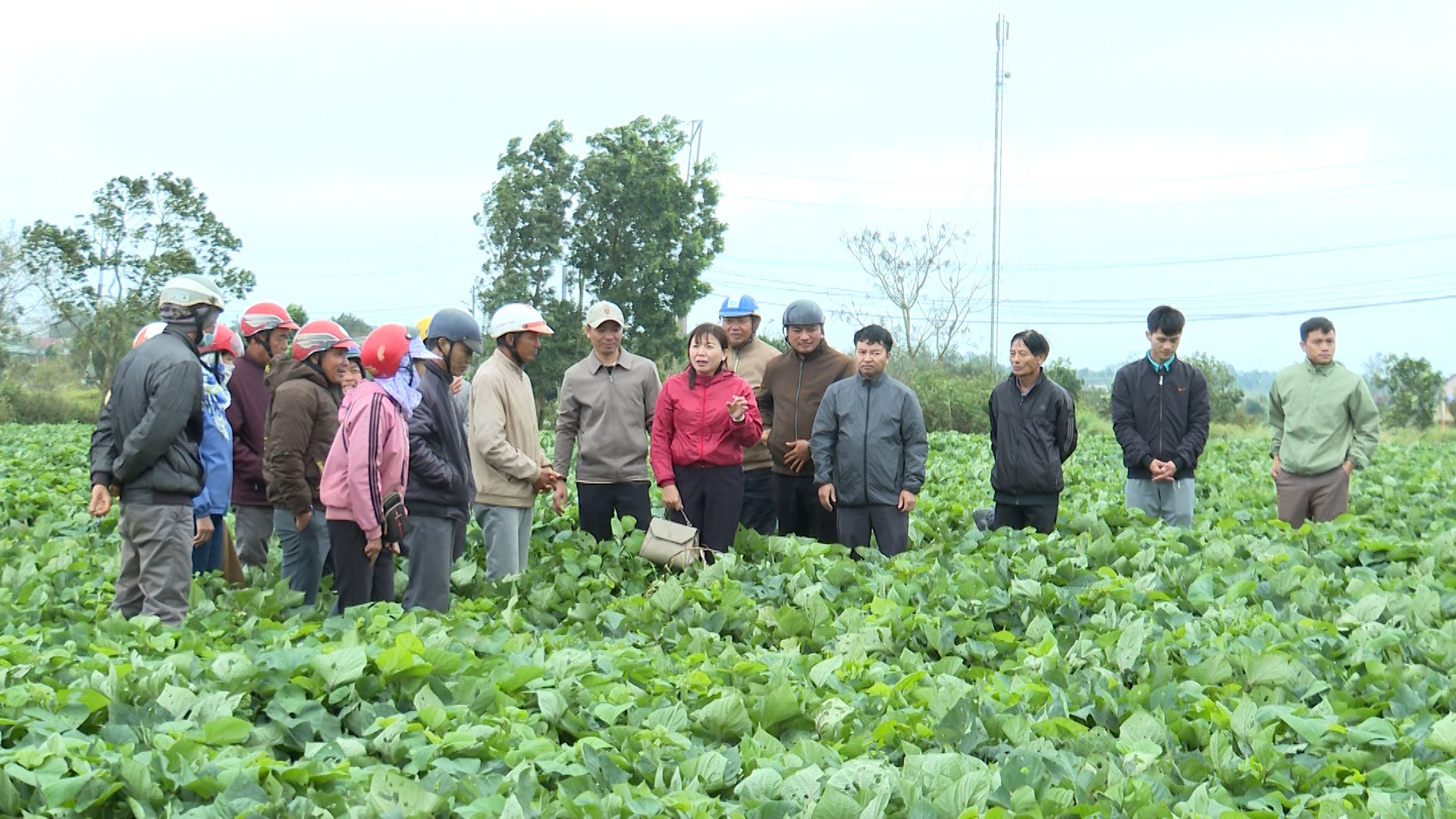
By 2030, Lam Dong aims to have more than 80% of communes and wards engaged in concentrated agricultural production equipped with at least five key farmers who understand, apply, and guide others in IPHM practices. The province also plans to build a network of at least five national-level IPHM trainers and 25 provincial-level trainers, while each commune and ward will have at least two community IPHM facilitators. All localities are expected to collect and handle used pesticide packaging in compliance with regulations.
Leveraging the outcomes from earlier GAP and organic farming initiatives, the creation of IPHM models for essential crops like vegetables, flowers, coffee, tea, durian, and pepper has been quite manageable and scalable. These models utilize coordinated techniques associated with value chains, resulting in improved quality and value of agricultural products
Nguyen Thi Thao, Head of Training and Communications at the Lam Dong Agricultural Extension Center.
Simultaneously, efforts are being intensified in communication campaigns, training initiatives, and farmer forums to transform farming practices and replicate successful models. Field workshops and farmer forums continue to serve as vital platforms for the exchange of experiences and the dissemination of effective practices.
The coordinated execution of the IPHM program is anticipated to not only enhance crop production efficiency in Lam Dong but also protect the ecological environment, thereby fostering the growth of a green, modern, and sustainable agricultural sector over the long term.
According to the Department of Agriculture and Environment, by 2030, Lam Dong aims to apply IPHM practices across more than 90% of its rice, vegetable, fruit tree, flower, ornamental plant, and medicinal crop areas.
This includes complete implementation in 60% of rice and medicinal crop areas, 40% of vegetable areas, and 30% of areas for fruit trees, flowers, and ornamental plants. Additionally, the goal is for 70% of the corn and industrial crop areas to adopt IPHM, with full implementation on 60% of the corn land and 50% of the industrial crop areas.
Furthermore, the province plans to cut down the usage of chemical pesticides and inorganic fertilizers by 30%, while also aiming to boost economic efficiency by 15-20% in comparison to traditional farming methods.