


Phu Quy amazes Thai media, creating new opportunities for Lam Dong tourism
Phu Quy Special Zone (Lam Dong Province) has unexpectedly been ranked among the Top 10 most attractive destinations in Southeast Asia for 2026 by a major Thai newspaper. The recognition has not only drawn the attention of international travelers but has also highlighted the urgent need for a green and sustainable tourism development strategy for this unique island.

According to Khaosod English—the English-language edition of one of Thailand’s most widely read online newspapers—Phu Quy Island emerges as the biggest surprise in the TOP 10 ASEAN DESTINATIONS 2026
Where pristine beauty meets a slower pace of life
"Bangkok is back, Bali is bursting, and Vietnam is viral. As we enter 2026, the real question is: where can you go to actually hear yourself think?" - Khaosod English
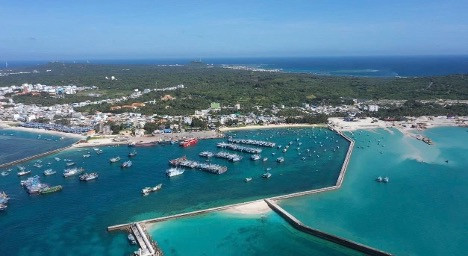
According to Khaosod English, instead of visiting overly familiar destinations such as Orchard Road in Singapore or Angkor Wat in Cambodia, an increasing number of international travelers are seeking out places that remain pristine, less accessible, and untouched by mass tourism. Phu Quy is one of the few destinations that truly fit this description.
Located about 56 nautical miles from Phan Thiet, Phu Quy Island reveals a raw, cinematic beauty. Free from flashy resorts and overcrowded beaches, the island captivates visitors with its emerald-green waters, dark volcanic rock formations, strong sea breezes, and the unhurried rhythm of local life.
According to statistics, the Special Zone spans an area of 18 square kilometers and has a population exceeding 32,000, offering significant development potential. The island currently has 19 hotels with 393 rooms; 41 villas and guesthouses with 364 rooms; and nearly 100 homestays and boarding houses serving visitors. Each year, Phu Quy attracts over 527,000 visitors, generating approximately 375 billion VND in revenue.
From a media boom to the challenge of sustainable development
At the conference reviewing the 2025 socio-economic situation and outlining tasks for 2026 held on January 10, Deputy Secretary of the Provincial Party Committee and Chairman of the Lam Dong Provincial People’s Committee, Ho Van Muoi, highlighted the recent recognition of Phu Quy as one of Southeast Asia’s leading destinations by a prominent Thai newspaper.
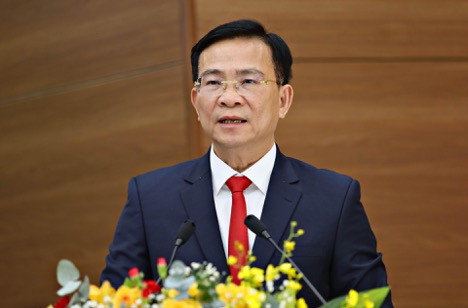
To fully unlock the tourism potential of the Phu Quy Special Zone, the Chairman of the Lam Dong Provincial People’s Committee has instructed the Department of Culture, Sports and Tourism to urgently establish a working delegation to the island to review current conditions, assess development potential, and propose specific solutions. The goal is to gradually transform Phu Quy from a destination rich in natural potential into a true “tourism paradise,” following a green and sustainable development path.
Provincial leaders emphasized that, alongside Da Lat—often referred to as a “cloud-catching paradise”—Lam Dong needs an additional tourism growth pole linked to the sea and islands. With proper planning, Phu Quy could become a distinctive highlight not only for the province’s tourism sector but also for Vietnam as a whole in the future.
From the perspective of the tourism authority, Mr. Nguyen Van Loc, Director of the Lam Dong Department of Culture, Sports and Tourism, said that the sector aims to welcome around 25 million domestic and international visitors in 2026. This is a highly ambitious target, especially as Lien Khuong International Airport is expected to close for six months—from March 4th to August 25th—for upgrading and renovation.
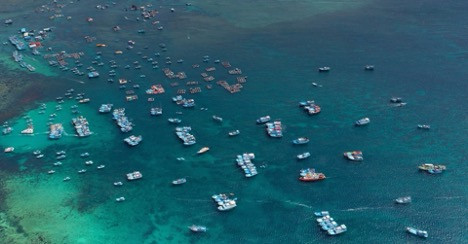
However, a positive sign is that in 2025, Lam Dong ranked among the top five provinces nationwide in terms of tourist arrivals, welcoming nearly 21 million visitors. Therefore, to achieve its double-digit GRDP growth target, the culture and tourism sector has been developing specific growth scenarios from the very beginning of 2026. In this context, the Phu Quy Special Zone has been identified as one of the key tourism spaces with strong potential that will receive appropriate investment.
According to tourism experts in Lam Dong, international media attention represents a valuable opportunity, but also a “stress test” for Phu Quy. If development is rushed and poorly managed, the island could quickly lose the pristine qualities that form the core of its appeal.
Conversely, by moving forward carefully and sustainably, prioritizing the protection of nature, local culture, and long-term livelihoods for residents, Phu Quy could become a model for green island tourism in Vietnam.
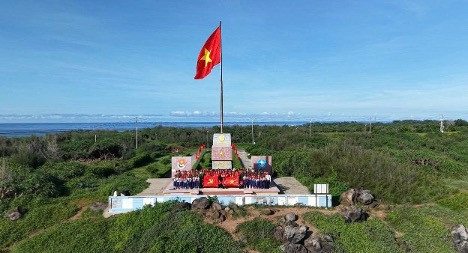
The appearance of Phu Quy in Thai media, therefore, is not merely a matter of destination rankings, but also a reminder of the responsibility to preserve and properly harness the natural gifts bestowed upon this volcanic island in the East Sea.