


Phu Quy Special Zone – A Bright Spot in Combating IUU Fishing
With a firm commitment to preventing local fishing vessels from violating foreign waters, Phu Quy Special Zone is joining Lam Dong Province in implementing strict measures against illegal, unreported, and unregulated (IUU) fishing — moving toward a responsible, sustainable, and globally integrated fisheries industry.
Tight Control and Determined Action Against IUU Fishing
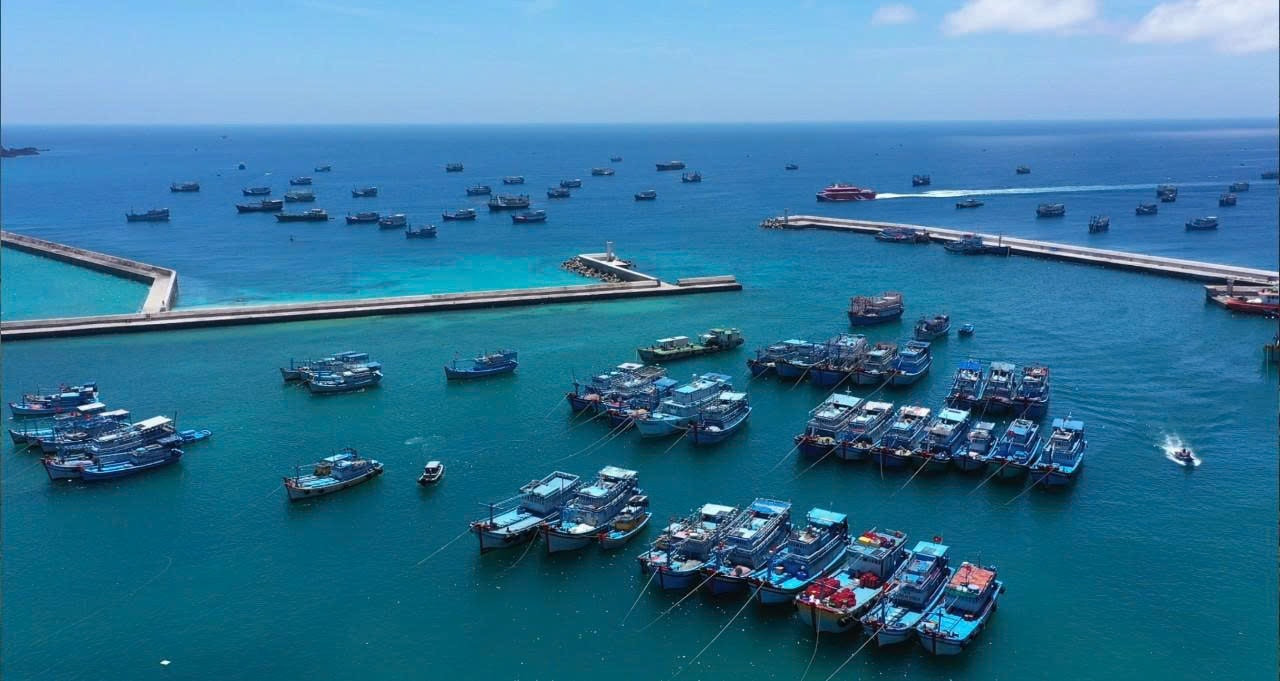
Phu Quy is home to one of Lam Dong’s largest offshore fishing fleets and seafood logistics networks, with more than 1,700 vessels and over 7,500 seafarers. Among them, 570 boats are 15 meters or longer, meeting offshore operation standards.
The island’s annual catch reaches 30,000–35,000 tons, making a significant contribution to the local economy.
Since 2017, when the European Commission (EC) issued a “yellow card” warning for Vietnam’s seafood exports, Phu Quy has recorded zero cases of local fishing boats violating foreign waters — a testament to the island’s strict enforcement, coordinated governance, and fishermen’s growing legal awareness.
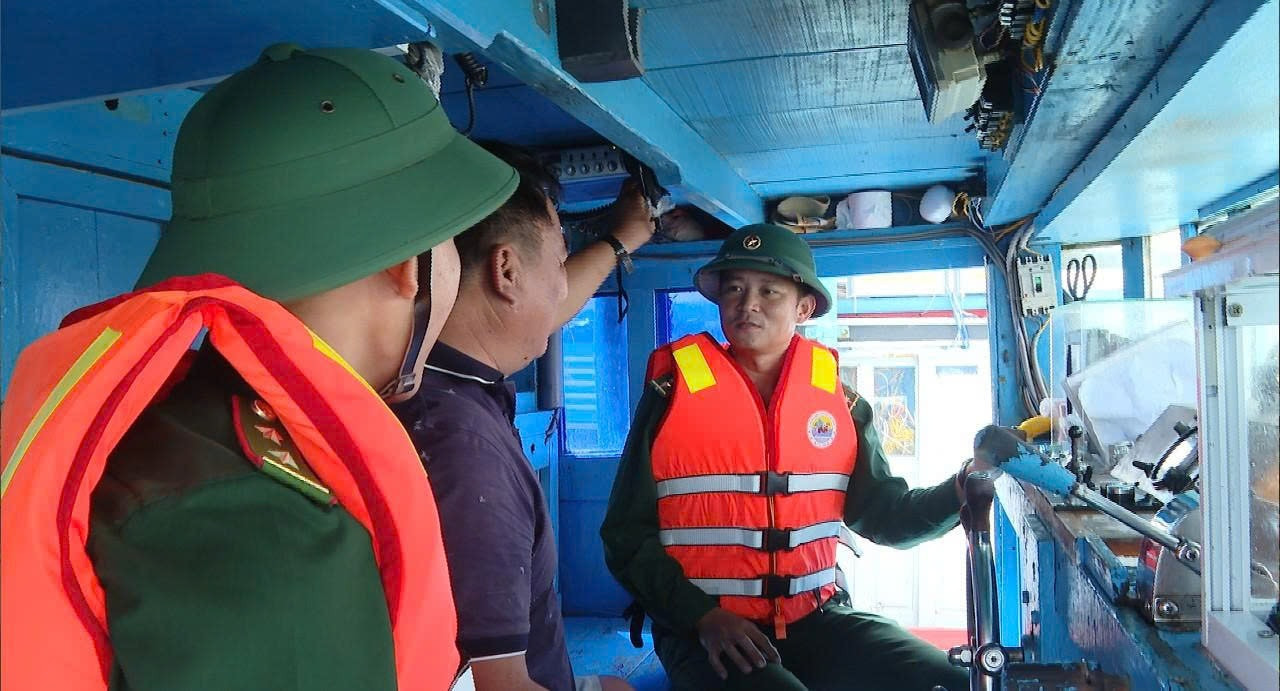
Lieutenant Le Ngoc Thanh, Head of Phu Quy Port Border Guard Station, stated: “We strictly prohibit unqualified or unsafe vessels from leaving port. Every boat owner and captain must sign a pledge not to violate foreign waters and must comply fully with voyage monitoring requirements.”
High-risk vessels are subject to enhanced surveillance, ensuring no opportunities for IUU violations. Inspections before and after every voyage are mandatory, and all seafood harvesting, purchasing, and transportation activities must comply with traceability protocols — ensuring legality and transparency throughout the supply chain.
100% of Qualified Vessels Equipped with VMS Devices
Tran Ngoc Dung, Deputy Head of Phu Quy Fisheries Surveillance Station, shared: “All eligible vessels have been equipped with Vessel Monitoring System (VMS) devices. We continuously track journey data, and if a vessel loses signal or nears restricted zones, we immediately contact the crew and order them back to permitted areas. No vessel is allowed to lose connection or stray beyond limits.”
Close coordination between Border Guards, Fisheries Surveillance, Port Management, and local authorities ensures strict supervision and continuous awareness campaigns on Vietnam’s 2017 Fisheries Law, related decrees, circulars, and EC recommendations.
Bui Thi Hong Diep, Head of Trieu Duong Village Administration, said: “We hold regular community meetings to remind fishermen about legal fishing, activating their monitoring devices, and reporting departures and arrivals. Awareness has improved greatly — everyone now understands that only legal fishing allows our products to reach international markets.”
Marine Economy Linked with Sovereignty and Ecology
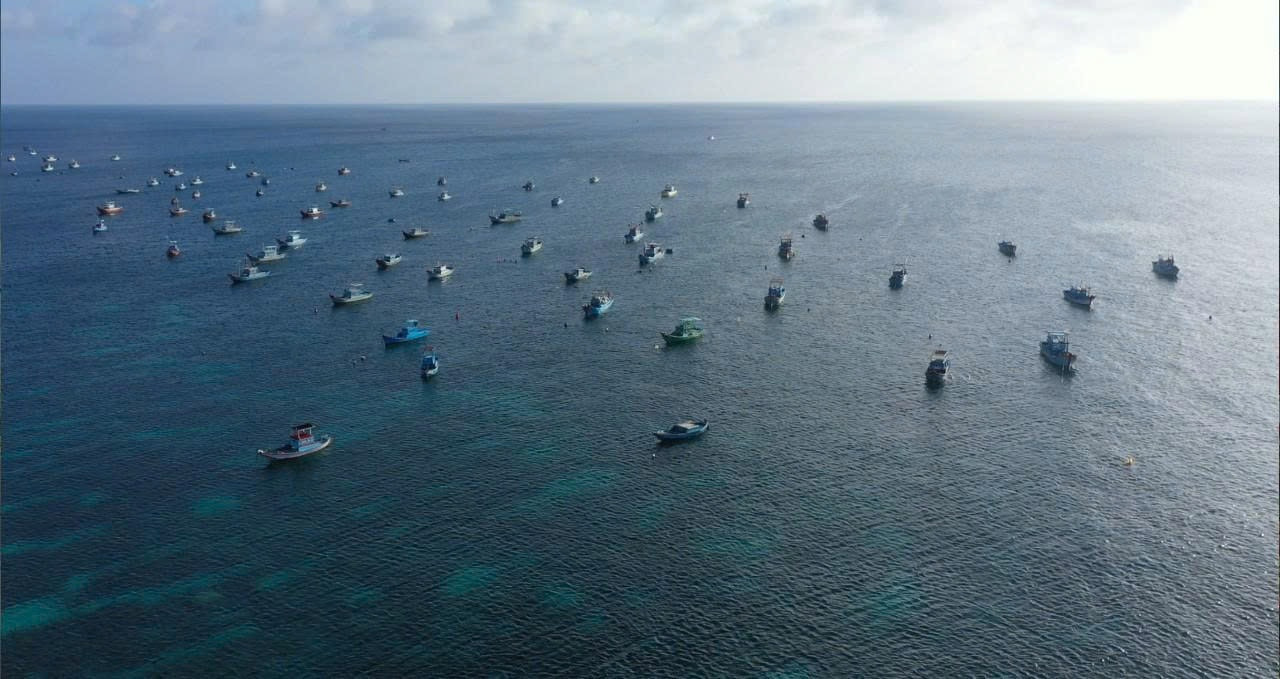
Phu Quy currently operates 80 offshore fishing cooperation groups, uniting hundreds of boats for joint fishing, product sales, and mutual rescue at sea.
Ngo Minh Duc, member of Thanh Phu Thanh Fisheries Cooperative, said: “We maintain constant communication to remind each other not to cross boundaries or use banned gear. We only purchase seafood from vessels with clear origins, voyage logs, and tracking data — ensuring our fisheries grow in the right, sustainable direction.”
Phu Quy’s Fishery Port Management Board works 24/7 with Border Guards and Fisheries Surveillance to verify landed catches, preventing fraud and false reporting. Training programs on logbook recording, catch reporting, and VMS use are regularly held, empowering fishermen to comply proactively with legal standards.
Sustainable Fisheries – Safeguarding the Sea and National Sovereignty
As both an economic and strategic outpost, Phu Quy not only drives the province’s marine economy but also plays a crucial role in national defense and sovereignty protection in the East Sea.
Nguyen Van Linh, Vice Chairman of Phu Quy Special Zone People’s Committee, affirmed: “Sustainable fisheries development is our top priority. We’re investing in port infrastructure, safe anchorage zones, and ongoing communication efforts to ensure every fisherman understands their responsibility in combating IUU fishing.”
The locality also focuses on developing fishery logistics services to reduce fuel costs and increase voyage efficiency. Simultaneously, it works to protect marine resources, enforcing strict penalties against destructive practices such as explosives, electric shocks, and banned fishing gear.
As a result, marine ecosystems are being restored, fish stocks are recovering, and the foundations for a sustainable local fisheries sector are being strengthened.
Toward a Responsible, Law-Abiding, and Integrated Fishery Sector
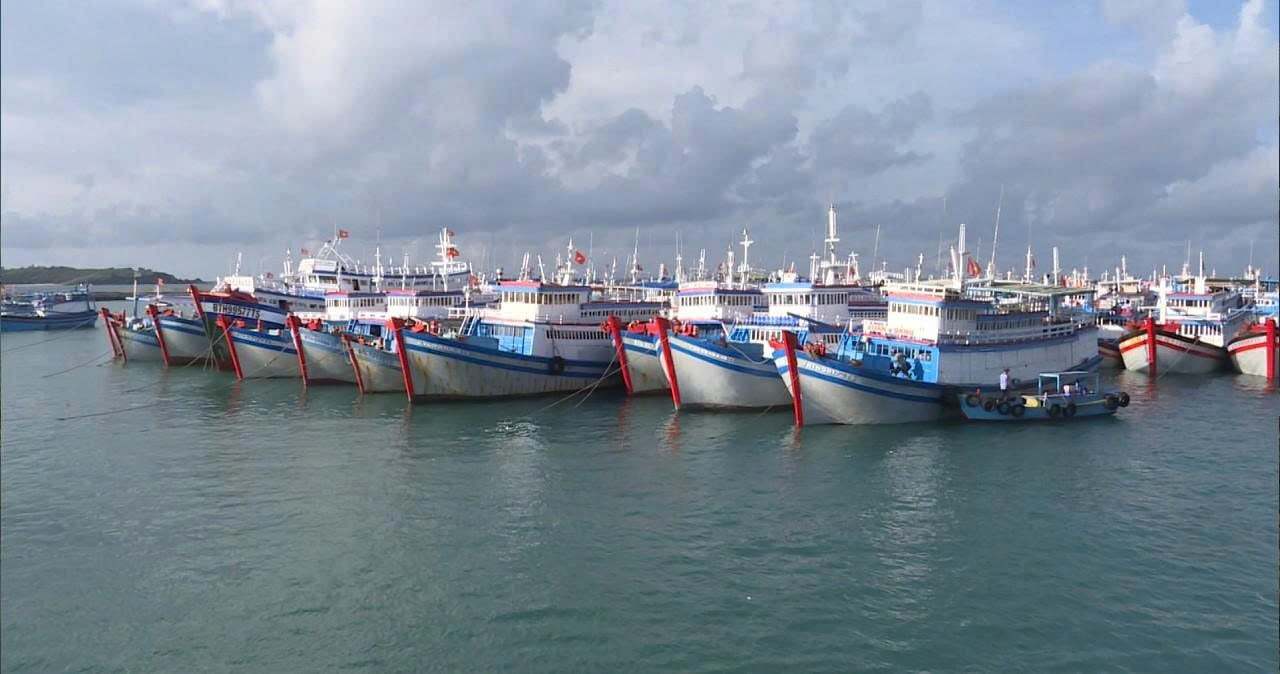
With global demands for traceability, legality, and sustainability increasing, Phu Quy’s efforts — combining strong leadership, inter-agency coordination, and fishermen’s growing sense of responsibility — are shaping its reputation as a disciplined, accountable, and globally oriented fisheries community.
These achievements not only contribute to lifting Vietnam’s “yellow card” but also reflect the honor, determination, and commitment of Phu Quy to uphold the nation’s marine integrity — protecting Vietnam’s blue seas and sacred sovereignty.