


Planted Forests Bring New Prosperity to Sandy Lands in Son My
In Son My commune, forest plantation development is transforming once barren sandy land into productive green zones, providing both economic returns and environmental benefits for local communities.
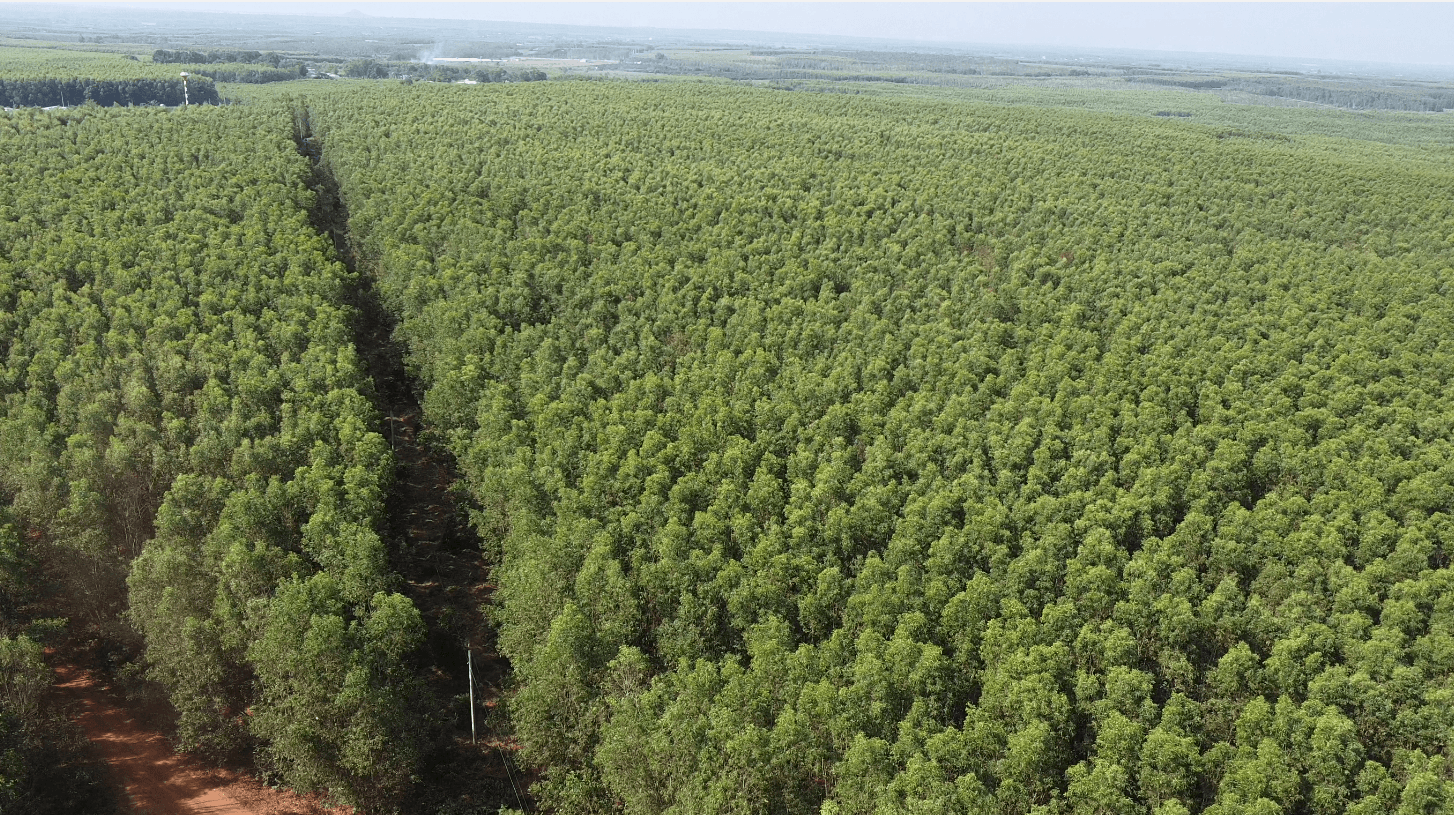
Along gravel roads leading into production areas, vast stretches of planted forests—mainly acacia for paper raw materials—now dominate the landscape.
Local farmer Nguyen Dang Binh said that in the past, residents depended largely on small-scale farming and livestock. Poor soil conditions and limited irrigation meant crops like cashew often yielded low returns and were vulnerable to weather impacts, leaving livelihoods unstable.
In recent years, many households, including Binh’s, have shifted to acacia plantations, which require lower investment and offer higher income compared to traditional crops.
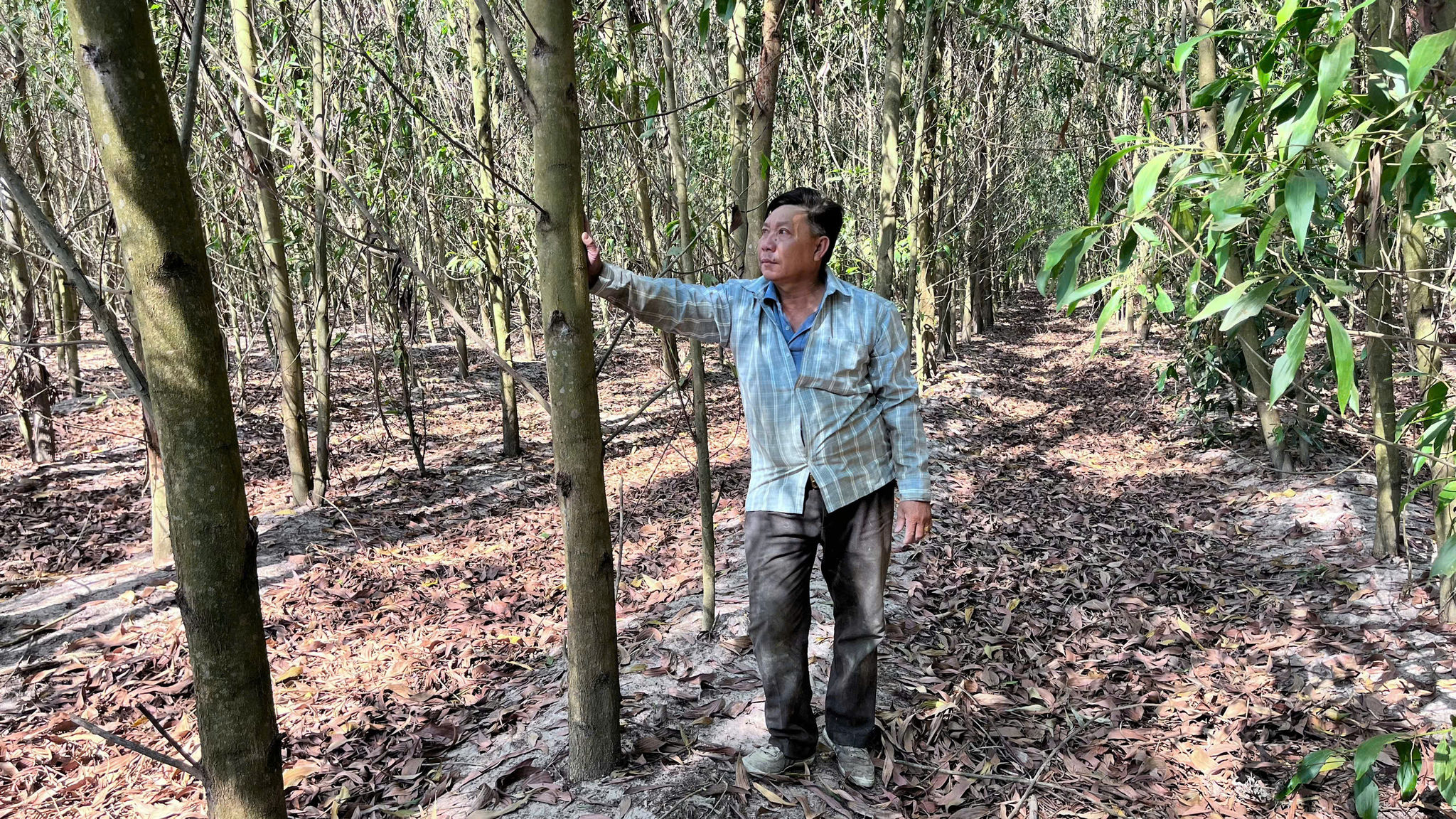
According to Binh, forest cultivation requires intensive care mainly in the first two years. From the third year onward, when the canopy closes, maintenance is minimal, focusing on protection and fire prevention. In the early stage, farmers often intercrop cassava or pumpkin to generate additional income.
With 26 hectares under cultivation, Binh harvests 5–6 hectares annually on a five-year rotation cycle. Thanks to proper care and high timber quality, his products consistently fetch good prices. This year, his family earned more than VND1 billion.
Across Son My, planted forests now cover around 4,200 hectares, with about 2,000 households participating. The area has expanded steadily as farmers convert less efficient farmland into forestry.
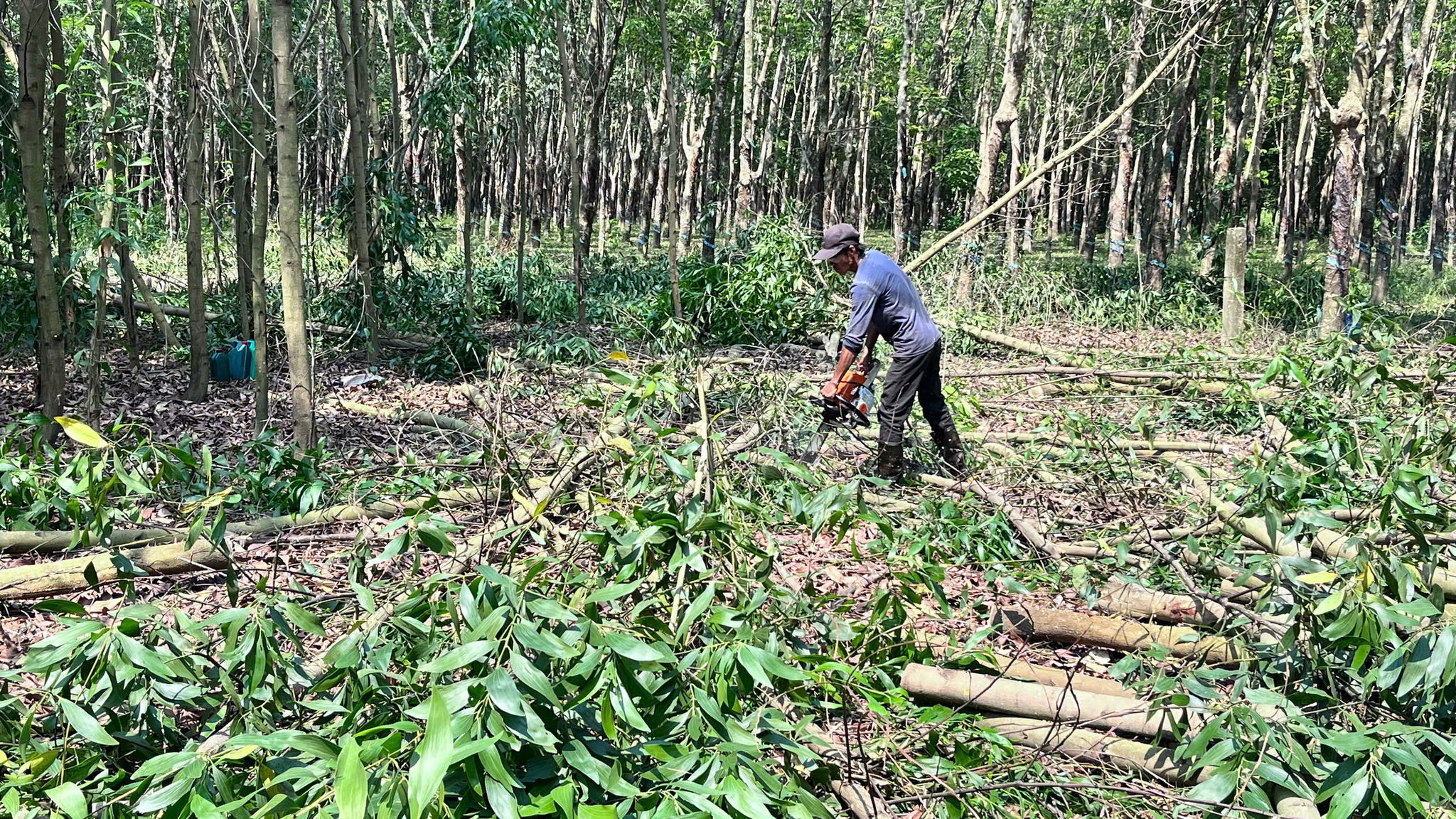
Dang Thanh Cong, Vice Chairman of the Son My People’s Committee, said acacia is now one of the commune’s key crops, alongside fruit trees and shallots, delivering strong economic returns.
According to local businesses involved in forestry, planted forests require relatively low investment and labor. After the initial planting stage, farmers can allocate time to other income-generating activities.
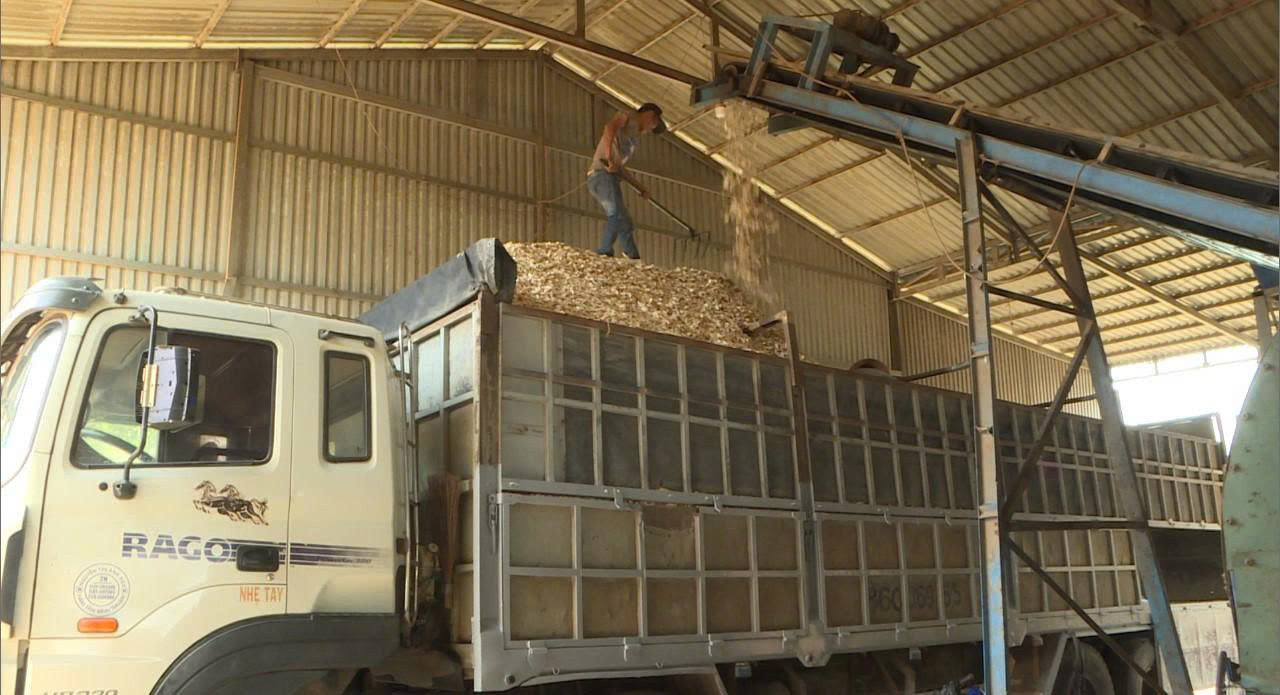
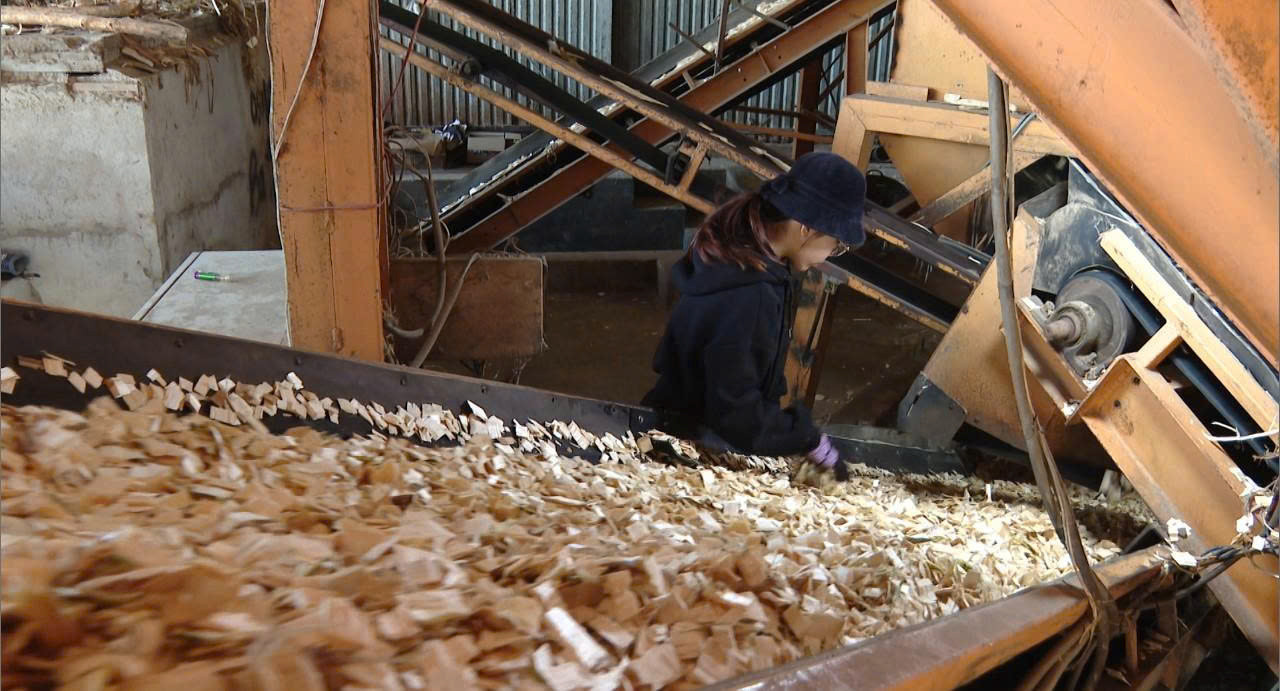
Demand for acacia wood remains strong, with prices rising by about 20% year-on-year to between VND1.4 million and VND1.6 million per ton, depending on processing. Key markets include industrial hubs such as Dong Nai and Ho Chi Minh City, where wood is used for export-oriented processing.
The expansion of planted forests has not only improved incomes but also increased forest cover, contributed to climate change mitigation and enhanced soil quality in the region.