


Planting area codes need to be strictly managed
As the durian harvest enters its peak season, the issue of ensuring produce safety and managing planting area codes for export has become a major concern for exporters and farmers alike. Setting up planting area codes is difficult, but managing them well is even harder. That is why authorities at all levels need to get involved to prevent misuse and other negative practices.
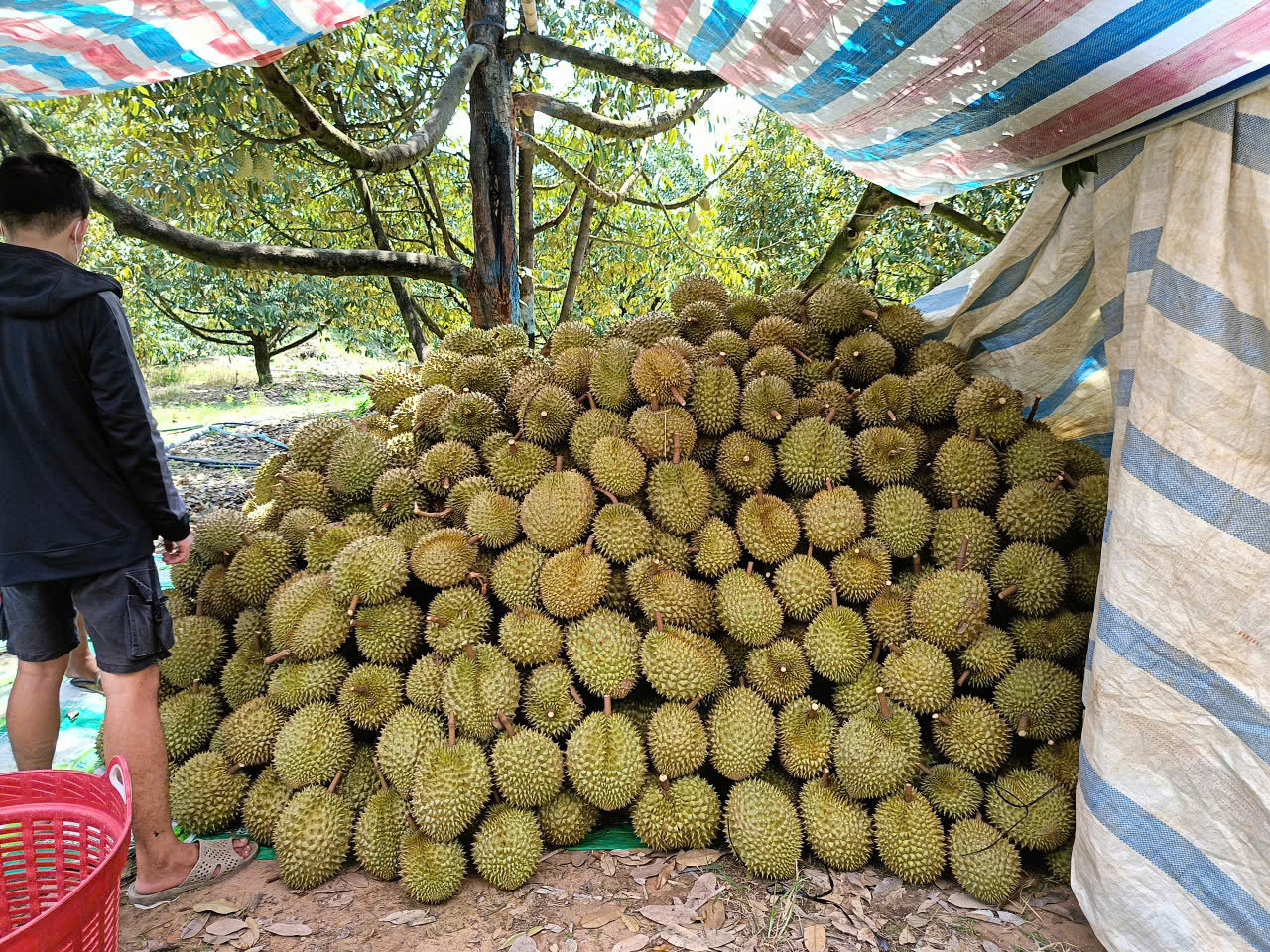
Export Growth Brings New Challenges
On July 14, the Vietnam Chamber of Commerce and Industry – Ho Chi Minh City Branch (VCCI-HCM), together with partner organizations, held the Second Asian Durian Conference to discuss solutions for improving supply chains, enhancing product quality and promoting exports.
Vietnam currently has nearly 180,000 hectares of durian orchards. Export revenue has surged from more than US$277 million in 2022 to an estimated US$4 billion in 2025.
Lam Dong Province has approximately 45,550 hectares of durian cultivation, including 23,951 hectares in commercial production, with projected output exceeding 310,000 metric tons. The province ranks among Vietnam's leading durian-exporting regions.
Durian has become one of Vietnam's most valuable fruit exports, generating substantial income for growers and exporters alike. However, its profitability has intensified competition, both domestically and internationally, particularly from regional producers such as Thailand, Cambodia, Laos, Malaysia, the Philippines and Indonesia, all of which are expanding their export markets.
Speakers at the conference agreed that Vietnam's durian industry can no longer compete primarily on production volume and price. Future competitiveness will depend on quality, compliance with international standards and brand reputation.
To export durian, producers must obtain officially approved Planting Area Codes (PACs) and Packing Facility Codes (PFCs) while fully meeting phytosanitary and food safety requirements.
For exports to China, only laboratories approved by Chinese Customs may issue certificates verifying cadmium and Auramine O residue levels. Although these requirements present additional challenges, they also create opportunities for exporters to diversify into value-added products such as dried durian, pastries, ice cream, beverages and other processed foods.
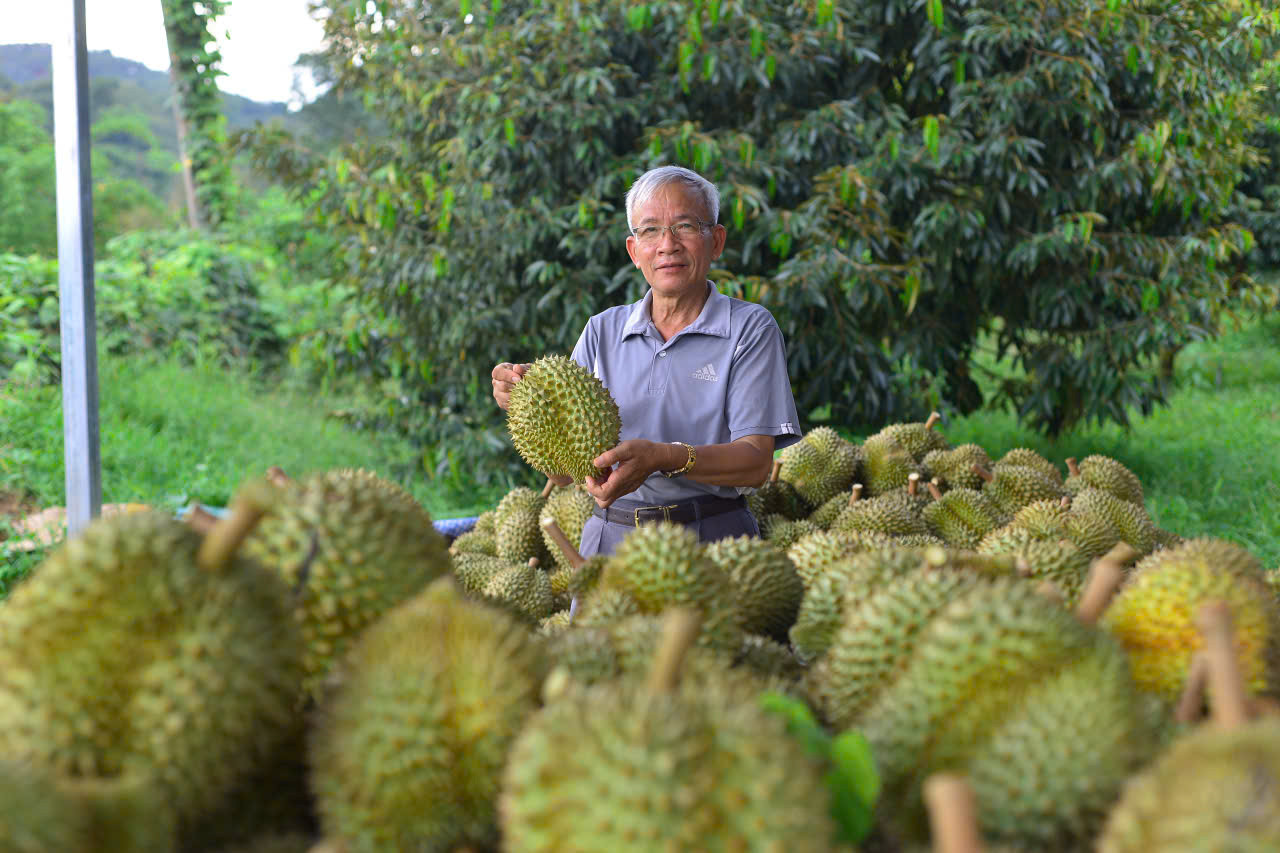
Stronger Oversight Needed
Many companies operating in Lam Dong have worked closely with growers to establish planting area codes that meet export requirements for China and other international markets. However, concerns remain over how some companies use these codes.
One example involves the Doi Lo O Cooperative Group in Nam Thanh Commune. Although its planting area code was approved three years ago, members say the company that applied for and controls the code has never purchased any of their fruit.
Growers now question whether the company has been using the cooperative's planting area code to export durian sourced from other areas that are not eligible for export. They worry that if shipments are rejected, the reputation of their registered production area—not the exporter—will be damaged.
Similar concerns have emerged in Ro Mo, one of Lam Dong's oldest durian-growing regions, where several cooperatives partnered with companies to obtain planting area codes. After the registrations were completed, some companies reportedly stopped contacting growers and never purchased fruit from the registered growing areas.
Tran Cong Hoi, who owns more than five hectares of certified durian orchards in Da Kai 10 Hamlet, said companies may be mixing fruit from non-certified areas with produce from registered orchards before exporting it under the certified planting area code.
According to him, neither farmers nor local authorities have adequate oversight of how these codes are actually being used.
In response, the Nam Thanh Commune Economic Office has urged companies managing planting area codes in the locality to honor their commitments by purchasing fruit directly from participating growers. The issue extends beyond Nam Thanh. According to the provincial Department of Agriculture and Environment, since the beginning of this year 131 planting area codes and 129 packing facility codes covering various agricultural products have been temporarily suspended or revoked by importing countries due to violations of phytosanitary or food safety regulations.
In response, the Lam Dong provincial government recently convened a meeting to strengthen oversight of planting area and packing facility codes. In addition to directing relevant agencies to improve administrative management, provincial authorities also instructed police to investigate companies suspected of fraud involving these codes.
Experts say commune-level authorities should also be empowered to monitor how companies use planting area and packing facility codes to ensure transparent management throughout the entire supply chain—from farm to export.