


Potential of Forest Bamboo Raw Material Zones
Scientists, experts, businesses and cooperatives have surveyed and assessed the strong potential for developing bamboo raw material zones across the Central region and Central Highlands, particularly in Lam Dong Province—opening up prospects for a feasible inter-regional project in the near future.
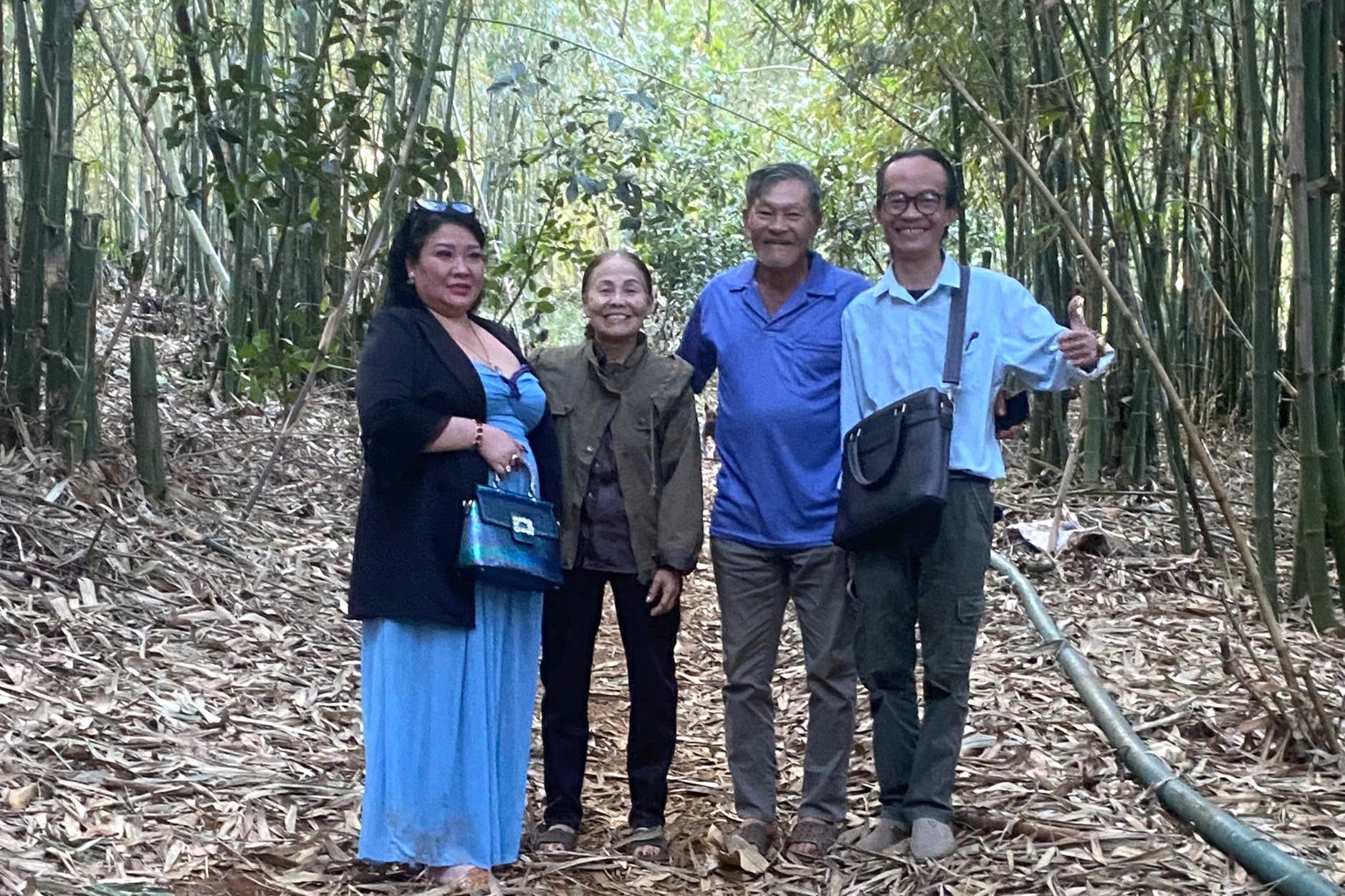
Multi-layered, multi-species forest structure
The province currently has more than 1.11 million hectares of forest, with a coverage rate of nearly 46%. Of this, natural forests account for over 930,000 hectares, planted forests nearly 182,700 hectares, and more than 205,000 hectares remain without forest cover.
According to surveys by scientists, experts, and bamboo processing enterprises, Lam Dong could establish a long-term economic forest zone of over 200,000 hectares without converting natural forests. This would include afforesting forestry land, restoring degraded forests into higher-quality multi-layered ecosystems, and restructuring production forests into multi-purpose ecological forestry models that meet sustainable development and traceability standards.
Tran Ngoc Toan, a member of the Scientific Council of Me Linh Ecotourism Cooperative, emphasized that Lam Dong’s economic forests could adopt a multi-value structure: bamboo planted as a mid-layer species alongside native timber trees in the upper canopy and medicinal plants below, combined with ground cover and silvicultural measures to create a “biological infrastructure,” stabilize soil, prevent landslides, and enhance biodiversity.
This ecosystem model serves multiple purposes at once: conserving soil and water, preventing erosion and landslides in sloping river basins, and creating short- and medium-term livelihoods from bamboo shoots, medicinal plants and non-timber forest products. In the long term, it also supports value chains for bamboo, timber and eco-materials, while contributing to carbon storage and forest ecosystem services.
Multiple revenue streams from bamboo
Based on these assessments, in early March 2026, Me Linh Ecotourism Cooperative partnered with an enterprise in Thanh Hoa to develop a project for clustered bamboo raw material zones in Lam Dong, linked to industrial-scale deep processing to ensure traceability and stable outlets for both the domestic and export markets.
The partner enterprise is currently building a bamboo processing factory in Thanh Hoa, expected to be operational in May 2026, with a designed capacity of around 225,000 cubic meters per year.
According to the company, the partnership focuses on building a transparent and traceable supply chain for bamboo materials, standardizing production, and providing technical support for cultivation, seed selection, harvesting, preliminary processing and regional logistics, while ensuring that these activities are suited to local conditions and implementation timelines.
In the initial phase (2026–2027), the project will prioritize pilot models organized in clusters and plots, with periodic evaluations for scaling up.
Once the value chain is fully operational, bamboo can generate diverse revenue streams—from shoots, eco-friendly materials, and energy by-products to craft village tourism—while contributing to emissions reduction through carbon sequestration and promoting a circular economy by maximizing resource efficiency and minimizing waste.