


Preparing the Workforce for a New Wave of International Visitors
As Lam Dong expands its tourism market, opens new international air routes, and attracts more high-value visitors, the province faces a critical challenge. Beyond infrastructure and tourism products, developing a highly skilled workforce will be essential to sustaining long-term competitiveness.

Meeting the Demand for Skilled Tourism Professionals
In the first six months of 2026, Lam Dong welcomed 11.995 million visitors, up 18.08% year on year. International arrivals reached 825,000, an increase of 18.6%, while tourism revenue was estimated at VND 33.31 trillion, up 22.15% compared with the same period in 2025.
With Lien Khuong Airport preparing to resume operations and the province actively promoting direct flights to South Korea, Malaysia, Singapore, Thailand, and other international markets, foreign visitor numbers are expected to continue rising.
The growing opportunities also bring higher expectations for service quality.
According to Pham Tien Dung, Director of the Dalat Flower Highland Ecotourism Area, international travelers seek more than beautiful scenery. They also expect professional services throughout their journey - from reception and accommodation to guiding services, dining experiences, communication, and customer care.
As a result, developing a highly qualified tourism workforce has become a key priority for strengthening Lam Dong's competitiveness.
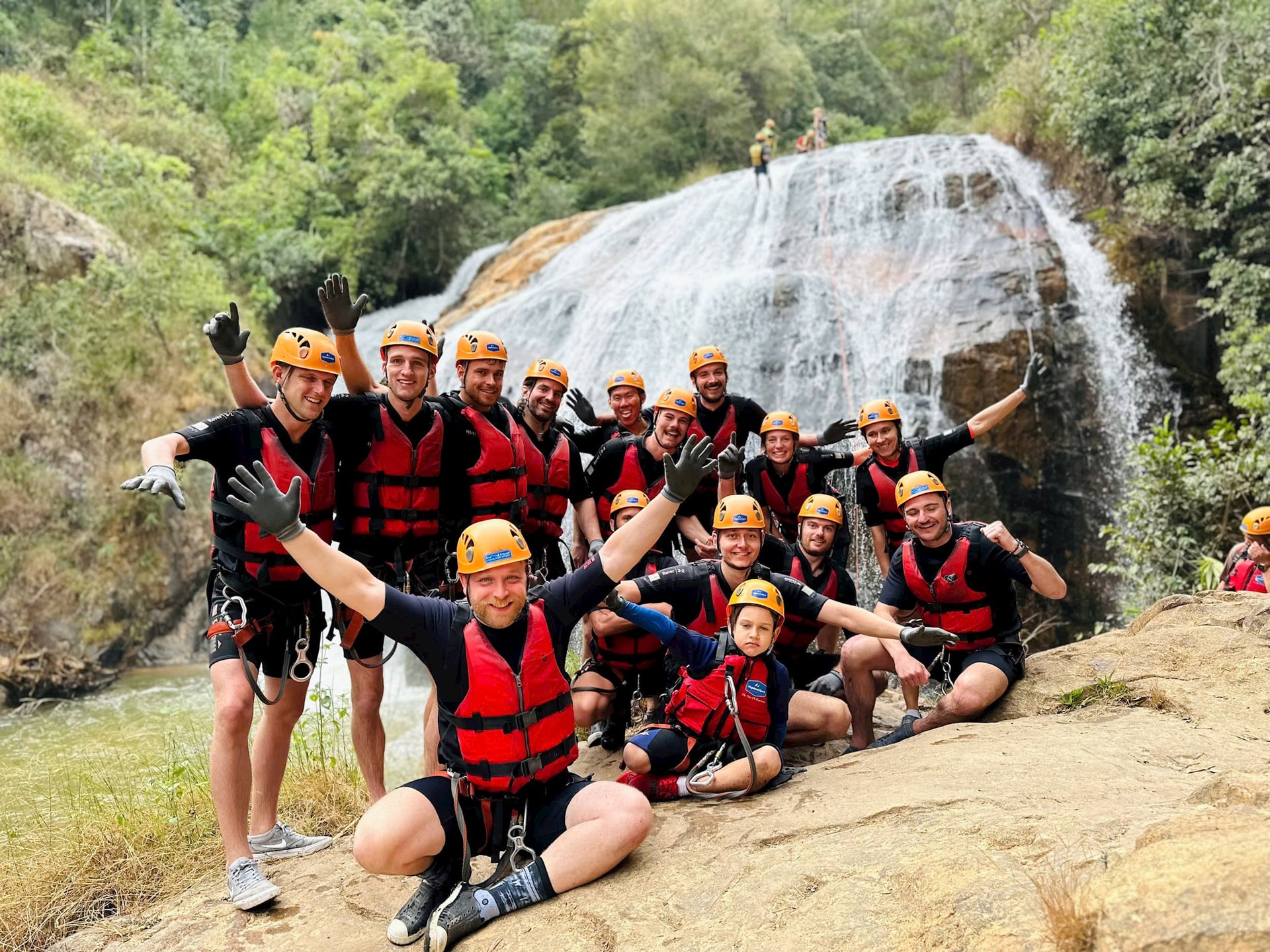
Tuong Huu Loc, Vice Chairman of the Lam Dong Tourism Association, said many tourism businesses continue to face a shortage of qualified workers, particularly internationally licensed tour guides with strong foreign language proficiency and digital skills.
Travel companies often struggle to recruit local guides capable of serving large international tour groups, especially during peak travel seasons.
This highlights a widening gap between the rapid growth of tourism demand and the industry's ability to supply skilled professionals. While infrastructure can be expanded relatively quickly, developing high-quality human resources requires sustained investment over time.

Investing in the Future
Lam Dong's tourism sector currently employs approximately 90,000 workers, including around 38,000 directly employed by hotels, travel agencies, tourist attractions, and supporting services.
More than 60% of the workforce is between 18 and 35 years old, while about 75% have received professional training, providing a solid foundation for further workforce development.
However, workforce quality remains uneven across the province. Tourism centers such as Da Lat and Mui Ne generally have better-trained personnel, while many other areas still face shortages of skilled professionals. In particular, relatively few workers meet international standards in foreign languages, digital competencies, and professional qualifications.
According to the Department of Culture, Sports and Tourism, nearly 50 professional training courses have been organized over the past five years for more than 3,900 participants, gradually aligning training programs with Vietnamese and ASEAN tourism occupational standards.
Lam Dong is also home to more than 15 vocational and higher education institutions offering tourism-related training programs, providing an important foundation for developing a highly qualified workforce.

By 2030, the province aims for more than 90% of tourism workers to receive professional and foreign language training, while 100% of government officials responsible for tourism management will receive specialized training.
Priority areas include international hotel management, destination management, international tour guiding, smart tourism, green tourism, and community-based tourism.
Lam Dong also plans to establish a high-quality tourism training center for the South Central Highlands region while strengthening partnerships between educational institutions and tourism businesses to ensure training programs better reflect industry needs.
To meet the demands of the next stage of tourism development, training must become more closely aligned with business requirements and international market trends. The focus is not only on increasing workforce numbers but also on improving quality by expanding foreign language education, digital skills, and professional training for frontline tourism workers.