


Preserving and Passing Down Ethnic Cultural Heritage
Sharing a deep passion for gong culture and a commitment to preserving indigenous traditions, intergenerational gong clubs in Lang Biang - Da Lat Ward, are nurturing, safeguarding, and passing on valuable cultural heritage to younger generations.
A Living Legacy Across Generations
.jpg)
The Family Culture Gong Club in Bon Dung 1 Residential Area was established in 1998 and has become a symbol of intergenerational continuity in preserving ethnic cultural identity.
According to club leader Pang Ting Mut, the club initially brought together around 20 couples from the same extended family who shared a love for traditional culture.
“From the beginning, members encouraged their children and grandchildren to preserve gong culture because it is the soul of our people and a priceless legacy left by our ancestors. Young people were first attracted by the vibrant sounds, then learned from the elders to play the gongs, perform traditional dances, and sing traditional songs, eventually becoming active members of the club,” he said.
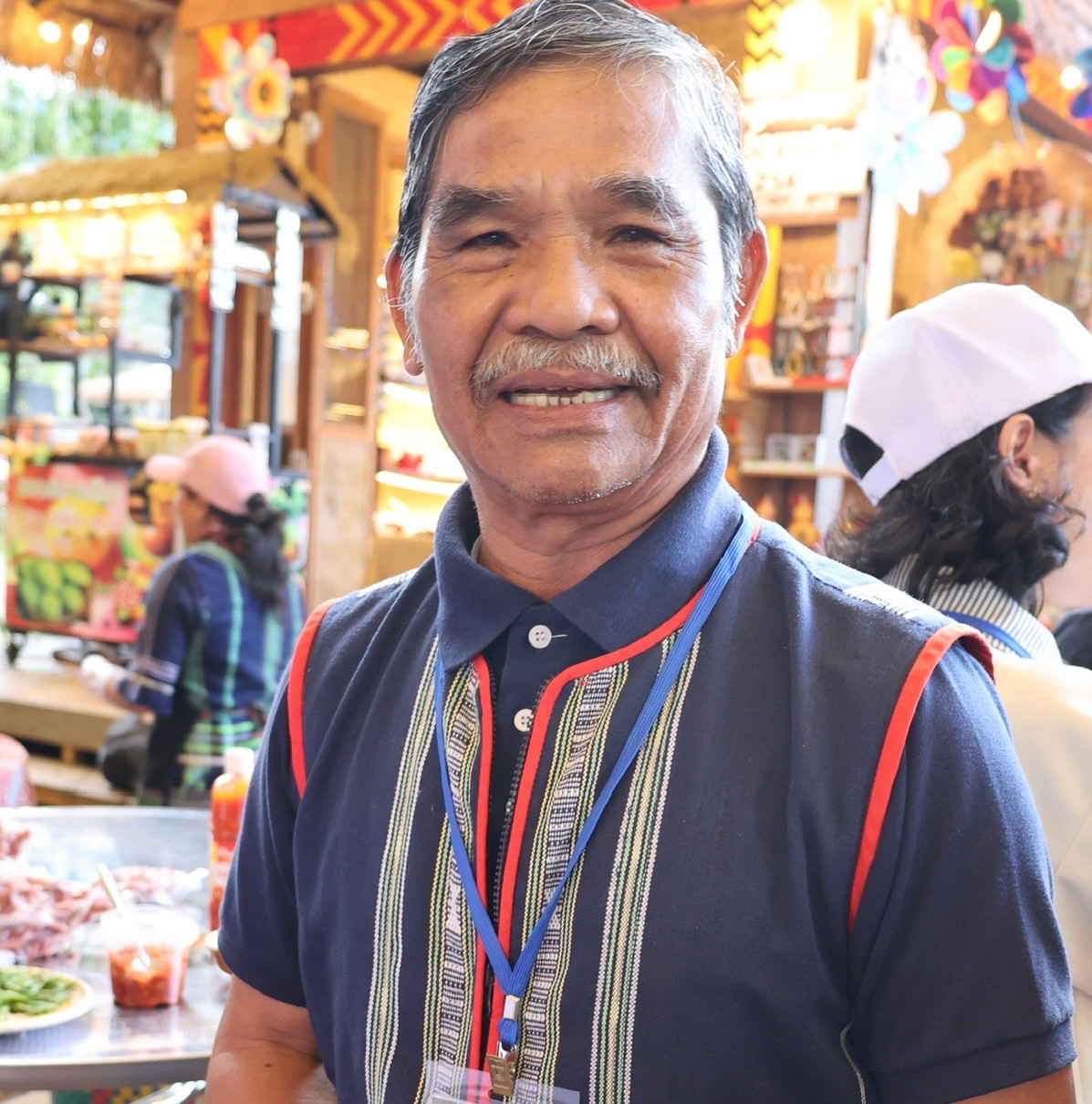
Beyond being a cultural gathering place, the club has become a shared home that strengthens family bonds while preserving ethnic identity across generations. After nearly three decades, the sounds of gongs and traditional melodies continue to resonate throughout the Lang Biang highlands. Today, second- and third-generation members—raised within this rich cultural environment—are carrying forward and sharing these treasured traditions.
Inspiring the Next Generation
Founded in 2000, the Da Plah Gong Club brings together people from the Lang Biang mountains who share a common love for traditional culture. Most members belong to the same extended family, including grandparents, parents, siblings, and children, all working together to preserve the gong traditions that have long been an integral part of community life.
Club members aspire to spread the unique values of gong culture, viewing it not only as a source of pride but also as a shared mission to preserve and promote the cultural identity of the Central Highlands in contemporary society.
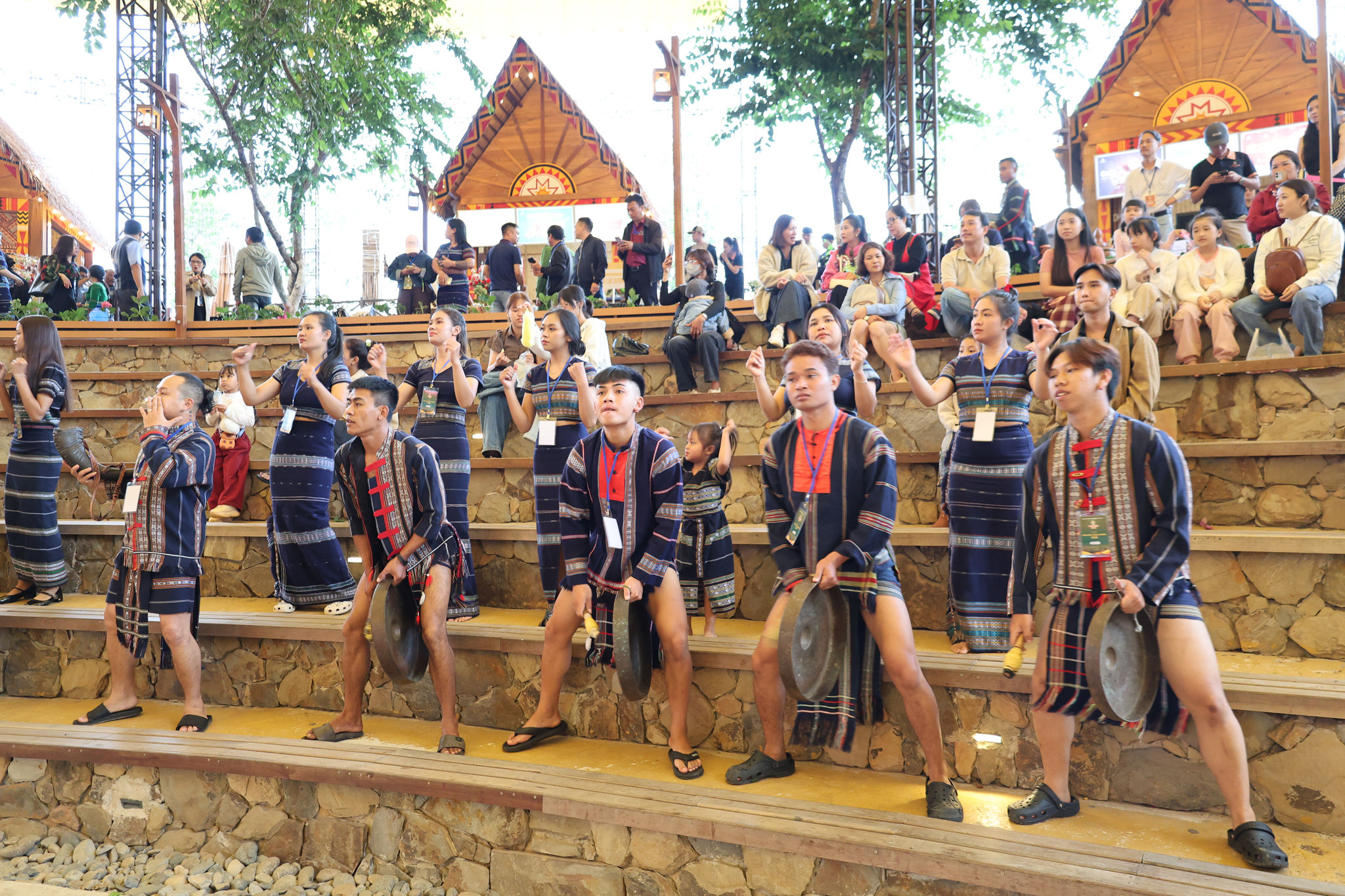
Similarly, the Da Miot Gong Club serves as a bridge connecting tradition with modern life. The club currently has 20 members, most of whom are relatives from the same family. Their close family ties create harmony in every gong rhythm and dance movement, helping preserve the traditional cultural values of the Lach ethnic group amid ongoing social and economic development.
Culture, Livelihoods and Tourism
According to Cil Poh, Vice Chairman of the People's Committee of Lang Biang - Da Lat Ward, the local gong clubs not only create jobs, improve incomes, and help stabilize the lives of members, but also play an important role in preserving and promoting indigenous cultural values.
These clubs also contribute to promoting the image of Lang Biang’s people, culture, and tourism potential to visitors from across Vietnam and abroad.
In recent years, alongside Lam Dong Province’s development, Lang Biang - Da Lat Ward has increasingly leveraged its cultural, tourism, and natural advantages. Among these assets, the Central Highlands gong culture remains especially significant. Local authorities have consistently identified cultural preservation as a key task linked to socio-economic development, grassroots cultural life, and sustainable tourism.
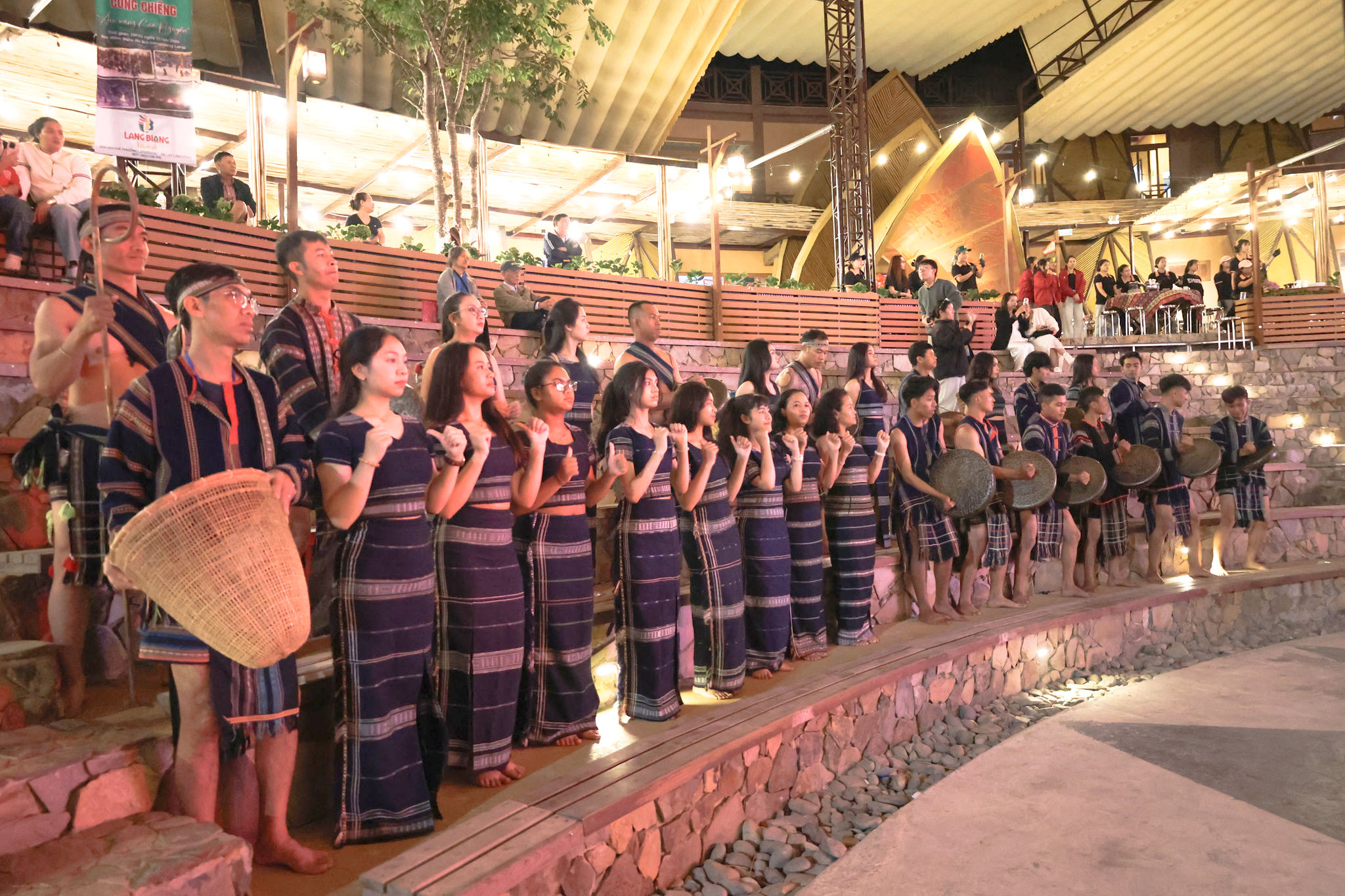
The gong clubs not only create employment opportunities and improve livelihoods for their members, but also help preserve and promote indigenous cultural values while introducing the culture, people, and tourism potential of Lang Biang to domestic and international visitors.
Cil Poh, Vice Chairman of the People's Committee of Lang Biang - Da Lat Ward