


Preserving and Promoting the UNESCO Creative City of Music in Lam Dong
In October 2023, the former Da Lat City officially joined UNESCO’s Global Network of Creative Cities in the field of music. Two years later, this title has opened up numerous opportunities for Lam Dong Province to organize community music activities, spread local cultural values, and establish creative spaces for both residents and artists.
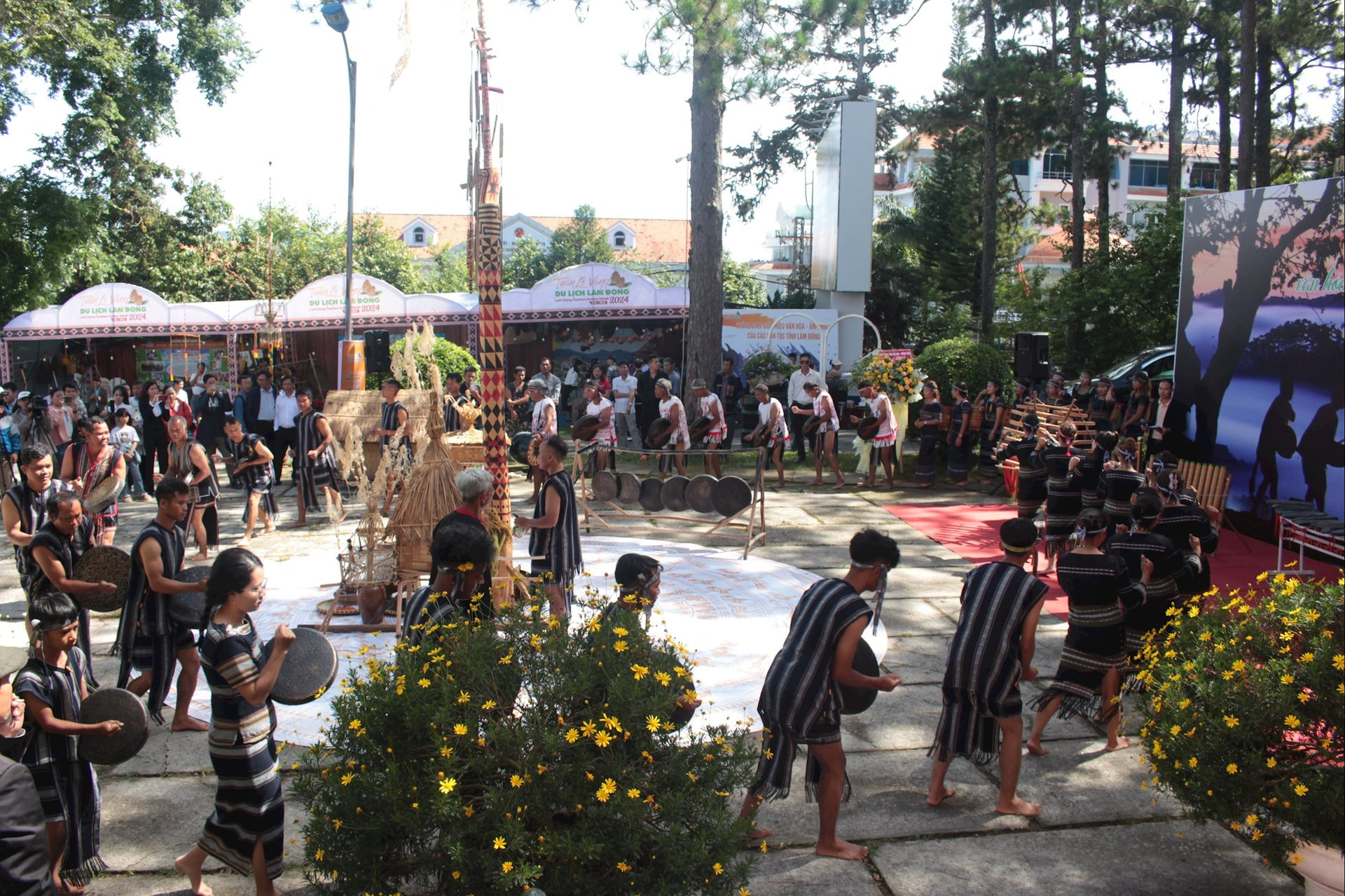
Following the administrative merger and restructuring, the Lam Dong Department of Culture, Sports, and Tourism (DoCST) has been assigned to fulfill its commitments with UNESCO, focusing on five central wards—identified as the core area for developing the Creative City of Music.
Preserving the Title, Spreading the Values
According to Ms. Nguyen Thi Bich Ngoc, Deputy Director of Lam Dong Department of Culture, Sports, and Tourism, maintaining the UNESCO title is not only an honor for the province but also a national responsibility. “It is difficult to earn this recognition, but keeping it is even more challenging,” she noted. The department is proposing to establish the Lam Dong UNESCO Creative City of Music Coordination Board, consisting of provincial leaders, artists, experts, businesses, and creative communities, to implement programs and projects in line with UNESCO’s commitments. The main goals are to preserve and promote traditional musical heritage and to foster creativity—especially among young people.
Promoting Traditional Music and Expanding Creative Spaces
The Lam Dong Department of Culture, Sports and Tourism (DoCST) will soon launch a range of activities to preserve and promote local ethnic music. These include researching folk music, creating accessible creative products such as documentaries, photos, and art installations, and hosting community discussions on music, sustainable tourism, storytelling, and traditional performance. The department will also encourage artists to experiment with indigenous musical materials to bring traditional music closer to modern life.
Education is a key focus of the Creative City initiative. The DoCST plans to develop music faculties at professional institutions, connect with international programs, and offer short-term, flexible training courses in local schools. These initiatives aim to give musicians more opportunities to interact with the public and support them in composition, orchestration, and performance—helping traditional music truly come alive.
Developing Creative Spaces and Music Festivals
In the future, Lam Dong will gradually develop a creative music corridor across central wards and create a multimedia art map as a foundation for promoting and connecting cultural and artistic activities. An arts centre will also be established based on existing creative spaces, becoming a major creative complex equipped to support diverse practical, training, and networking activities for artists.
From now until 2028, a series of large-scale events will be held to spread the spirit of creativity. These include: the Southeast Asian Gong Harmony programme in 2025, the LangBiang International Music Festival (2026 and 2028), the Sounds of the Highlands programme, as well as a series of music forums, community music education activities, and creative space development projects.
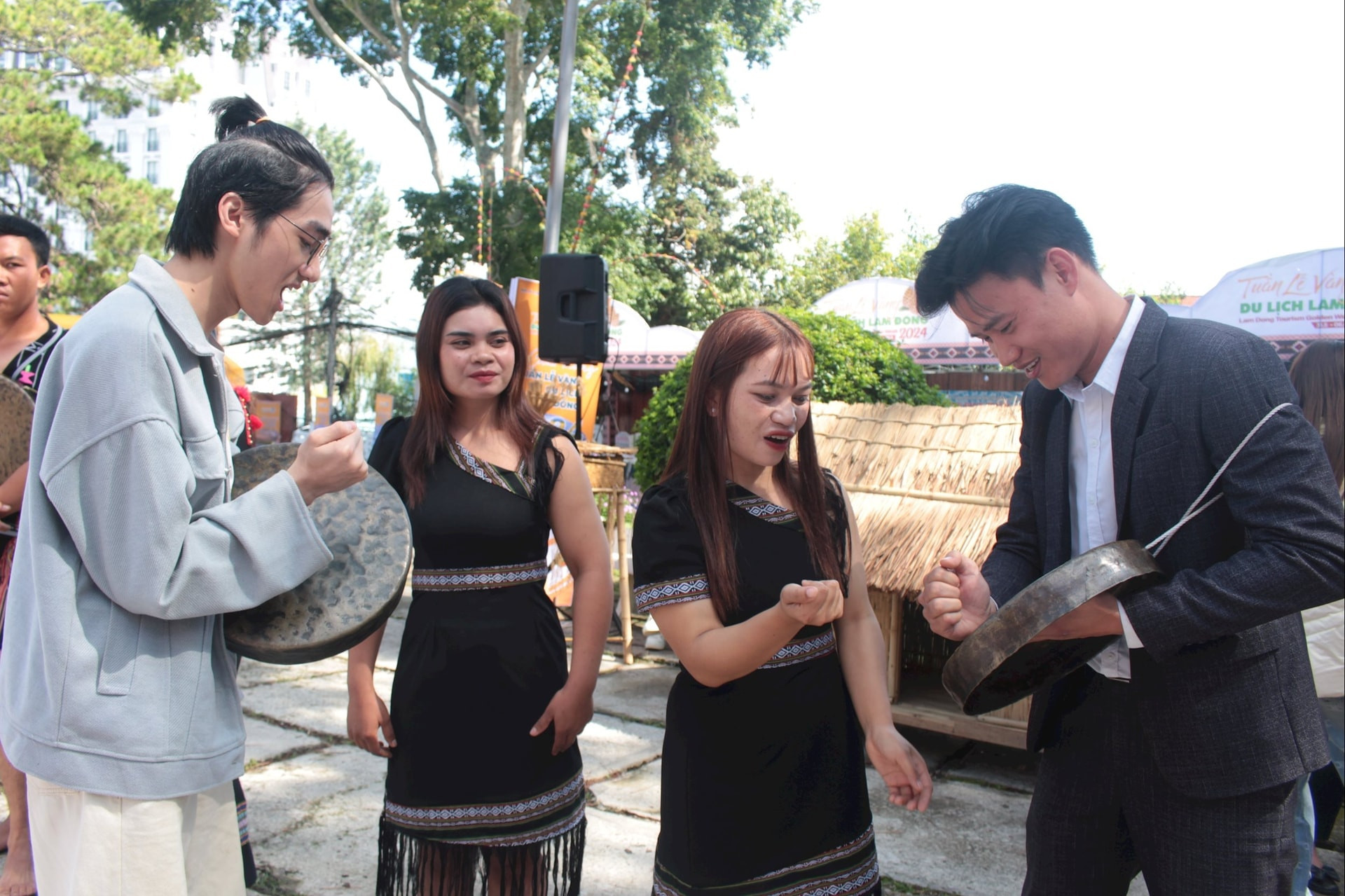
Celebrating the Southeast Asian Gong Harmony
The Southeast Asian Gong Harmony program, scheduled for the last two months of 2025, is an international event featuring UNESCO Creative Cities of Music and countries with gong cultures such as Laos, Malaysia, Indonesia, and Thailand. It also showcases ethnic communities from the Truong Son–Central Highlands region and gong clubs representing the Ma, K’ho, Churu, Ede, and M’nông peoples in Lam Dong.
The program will recreate traditional festivals such as the M’nông Crop-Praying Festival and the K’ho New Rice Celebration within community cultural spaces. Artisans will perform gong ensembles, tune instruments, display traditional village settings, and introduce the culture and cuisine of each ethnic group. The highlight of the event will be the Gong Harmony Night, featuring hundreds of artisans from Vietnam and abroad performing together.
Bringing Traditional Music into Modern Life
According to Ms.Tran Thi Vu Loan, Chairwoman of the Lam Vien Ward People’s Committee in Da Lat, the achievements over the past three years are the result of joint efforts between local authorities and businesses. Since March 2025, due to administrative restructuring, many activities have been temporarily suspended. By May 2025, marking two years since Da Lat received the UNESCO title, the locality is conducting a preliminary review and assessment of its progress in fulfilling UNESCO commitments.
Ms. Loan emphasized that UNESCO does not require large-scale events but values community participation, quality, and local engagement. The focus should be on promoting indigenous culture, traditional ethnic music, and supporting young or disadvantaged artists in sharing their art with the public.
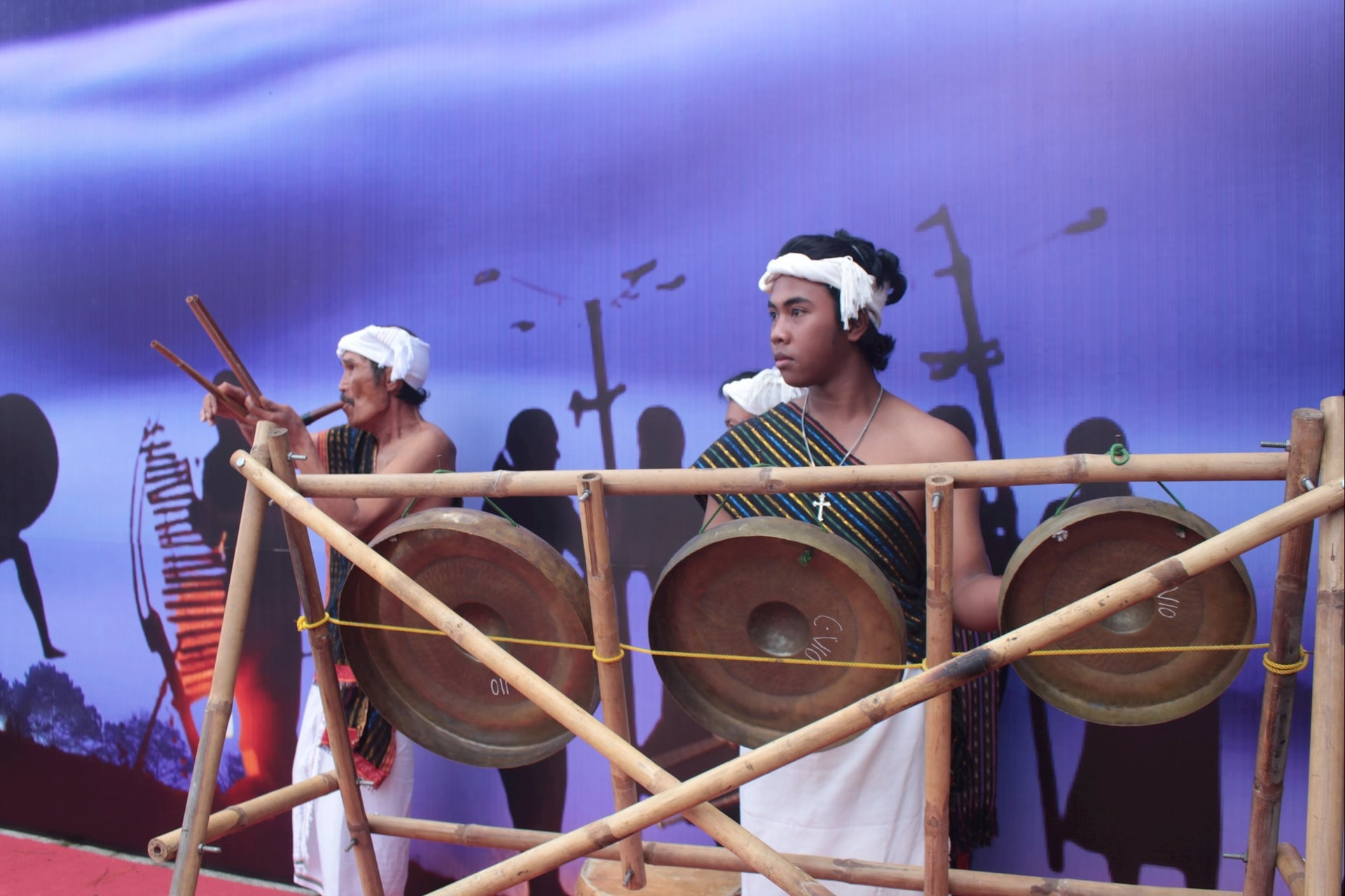
At the same time, musician Cao Nguyen proposed reconsidering how gong heritage is approached. “The natural setting of gongs is the mountains and villages, but they should not be performed only in the forests. Gong music can become a form of street performance or be showcased in resorts, five-star hotels, or even in the heart of the locality.”
He also raised a concerning issue: many talented musicians are unable to teach because they lack formal teaching qualifications, while music teachers often lack real performance experience and creativity. Therefore, more flexible policies are needed to utilize the artists’ knowledge and experience in community music education.
Maintaining and promoting the title of UNESCO Creative City of Music is not only a responsibility but also an opportunity to affirm Lam Dong’s cultural and artistic identity. More importantly, it represents a journey to integrate traditional music into modern life—bridging the past, present, and future through the creative spirit of the community.