


Preserving Da Lat’s Urban Identity
As the early morning mist over the highlands slowly fades, revealing colorful concrete structures rising among old pine forests, many realize that Da Lat no longer resembles the quiet “museum of French architecture” of the previous century. The highland urban center now stands at a crossroads: balancing the mission of heritage preservation with the pressure of urbanization to meet expectations of becoming a modern economic and tourism center.
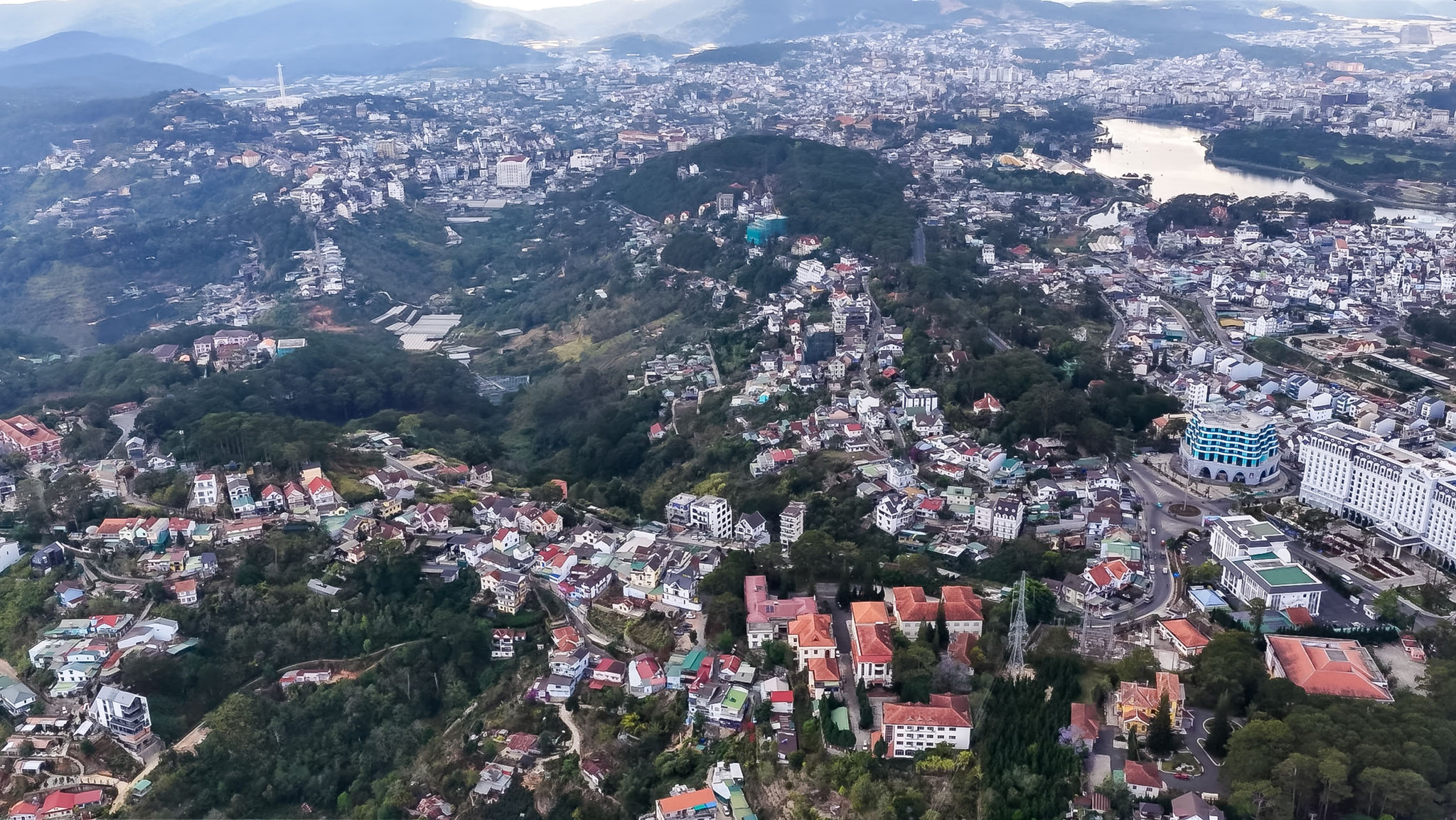
Modernization pressures on urban landscapes
Throughout more than 130 years of formation and development, Da Lat has long been regarded as an urban masterpiece of the Central Highlands, characterized by its distinctive structure of “urban areas within forests, forests within urban areas.” However, rapid population growth and the expansion of the tourism industry are creating increasingly visible conflicts with Da Lat’s natural and architectural landscape.
One of the most pressing issues today is construction density in the urban core. High-rise buildings and large-scale hotels are gradually obstructing views of pine-covered valleys blanketed in mist. Historic villas along Tran Hung Dao, Le Hong Phong, Le Lai, and Quang Trung streets — considered living witnesses to classical French architecture — are now overshadowed by modern concrete structures.
The transformation of Da Lat’s urban appearance is not limited to buildings alone. While greenhouse agriculture plays an important role in promoting high-tech farming, it is also placing considerable pressure on urban aesthetics and the environment.
Hillsides once covered with pine forests and natural vegetation are increasingly blanketed by white plastic roofs. Viewed from above, Da Lat at times resembles a vast greenhouse complex rather than a distinctive ecological urban area of the highlands. This has become one of the most visible paradoxes in the Da Lat’s development process.
The year 2026 marks an important turning point as Lam Dong Province implements new urban planning projects aimed at expanding Da Lat through a multi-center development model. To ease pressure on the urban core, authorities are promoting the development of satellite urban areas in Duc Trong, Lac Duong, and Di Linh, connected through ring roads and expressway systems.
Da Lat is not a compact urban area meant for concrete blocks to be stacked upon one another. Its essence lies in being an urban space embedded in the natural landscape. If we continue pursuing mechanically replicated modern construction models that disrupt the natural terrain, we are destroying Da Lat’s identity.”
Architect Hoang Dao Kinh – Heritage conservation expert
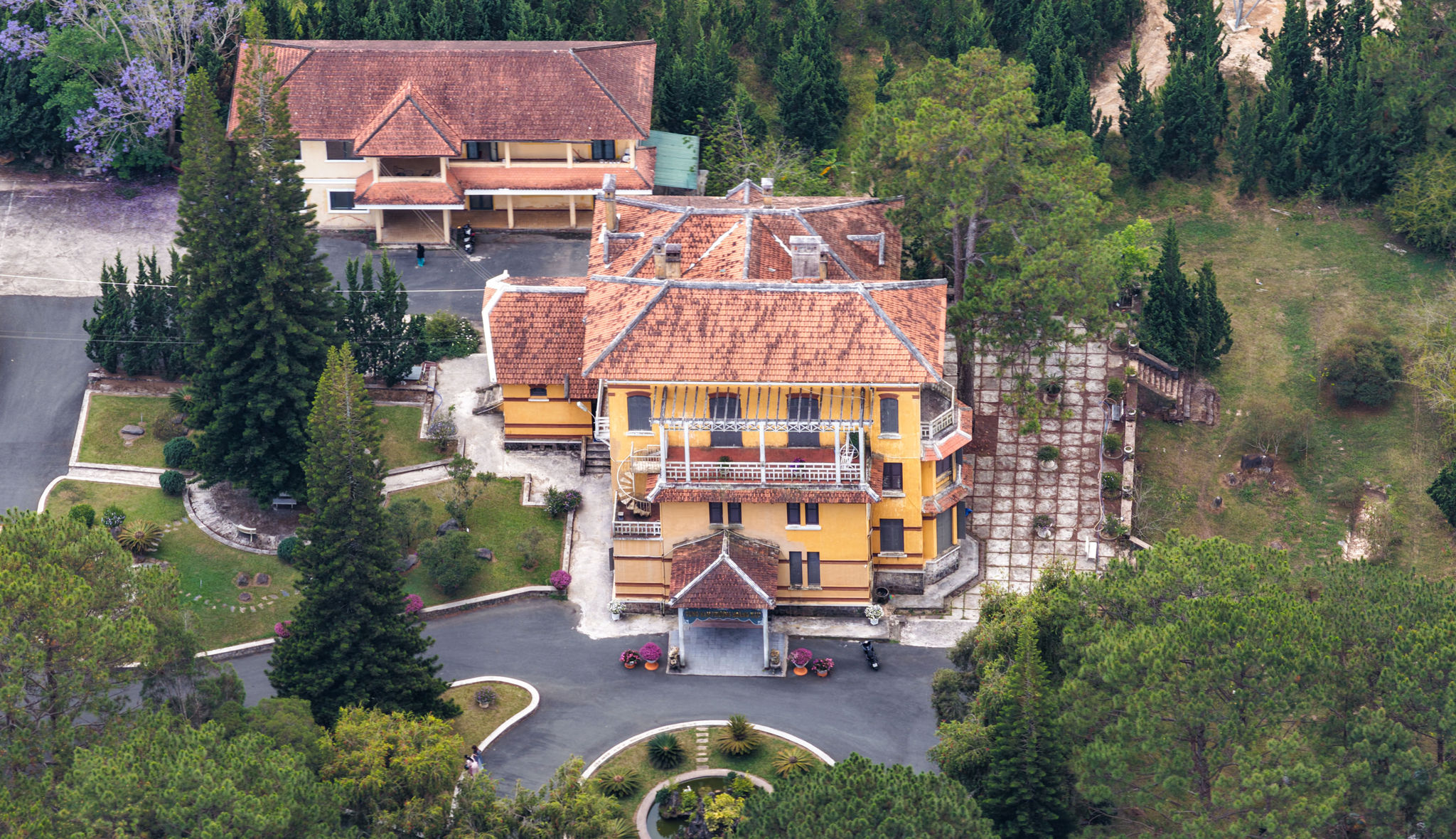
Development through preservation
At urban planning workshops organized by the province in recent years, experts have consistently warned that if Da Lat loses its gentle, elegant, and hospitable character along with its distinctive classical beauty, it will become merely another ordinary highland urban area lacking identity.
As a result, the core development orientation has been identified as building a heritage urban model within the central urban area. Preservation does not mean freezing the past in place, but rather integrating historical values into contemporary development. Renovation projects in Hoa Binh area and the Governor’s Palace are among the most discussed examples attracting public attention.
Highlighting the importance of landscape preservation, architect Hoang Dao Kinh proposed establishing a “heritage protection belt.” Under this approach, not only architectural works themselves but also their surrounding spaces would be strictly protected to preserve visual corridors and the overall urban landscape.
Culture and creativity as a strategic direction
Despite mounting pressure on infrastructure and urban growth, Da Lat continues to demonstrate resilience through culture and creativity. Da Lat’s inclusion in the UNESCO’s Creative Cities Network has opened a new strategic direction for development.
Community art spaces such as “Pho Ben Doi” and outdoor musical theater stages have transformed old streets into inspiring cultural destinations. The fusion of music, architecture, and landscape is helping revive the image of a modern “Little Paris” infused with contemporary spirit.
This approach is considered an effective way to soften concrete urbanization while encouraging visitors to stay longer through cultural depth rather than superficial check-in attractions.
Sharing this perspective, Associate Professor Dr. Tran Dinh Thien, former Director of the Vietnam Institute of Economics, stated: “Da Lat should not compete based on the number of tourists, but on the class and quality of the destination. Modernization pressures must be transformed into opportunities for developing the creative economy. The UNESCO’s City of Music title suggests that cultural and artistic performance spaces should be integrated directly into architectural heritage sites.”
Toward a balanced and sustainable urban model
For Da Lat today, the challenge is no longer choosing between preservation and development, but pursuing development through preservation.
The operation of forest-crossing ring roads and campaigns to dismantle greenhouses in order to restore green hillsides and replace them with organic agriculture under forest canopies are clear examples of efforts to rebalance urban space.
At the same time, Da Lat’s orientation toward a smart urban model in planning management and traffic regulation is expected to help this tourism hub better control the consequences of rapid urban growth.