


Preserving Fathers’ Stories, Mothers’ Lullabies
Lam Dong is home to 49 ethnic groups, each with its own language, customs, beliefs, and cultural identity. Within this diversity, folk literature passed down through generations reflects how these communities relate to nature, society, and everyday life.
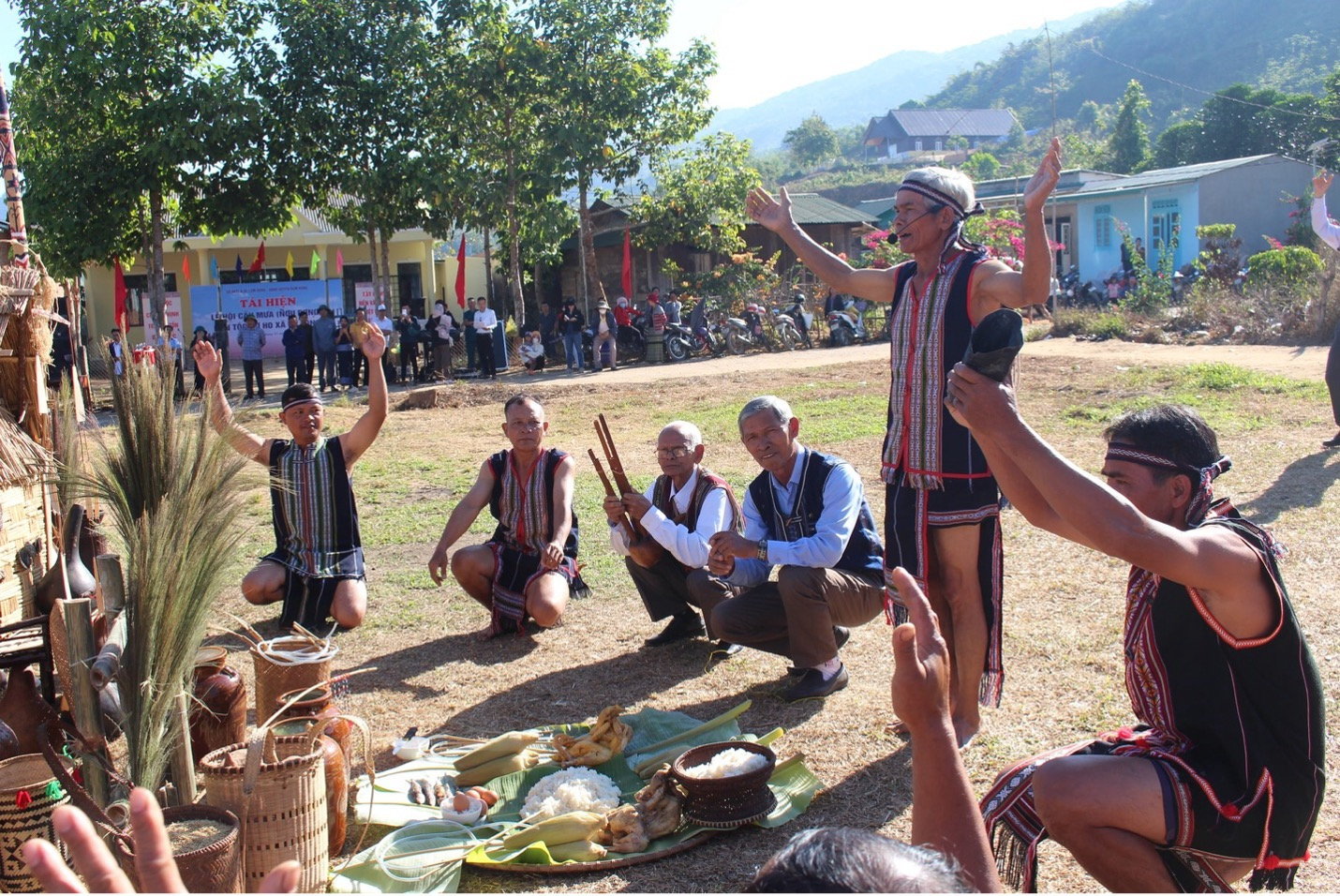
After three years of implementing the project “Preserving and Promoting the Value of Folk Literature of Ethnic Minorities through 2030,” the province has carried out various practical activities, linking the preservation of folk literature with the safeguarding of languages, scripts, customs, traditional costumes, folk songs, dances, and music.
A Wealth of Folk Literature
The folk literature of indigenous groups, such as the Ma, K’ho, Churu, M’nong, Ede, and Raglai, is rich and diverse. The Churu preserve proverbs, folk verses, and legends that reflect daily labor and matriarchal traditions. Meanwhile, K’ho epics recount village history, customary laws, and moral standards. Ma folk literature is closely tied to forests, place names, and community relations, while the epics and myths of the Ede and M’nong play a crucial role in shaping their community’s worldview and spiritual values.
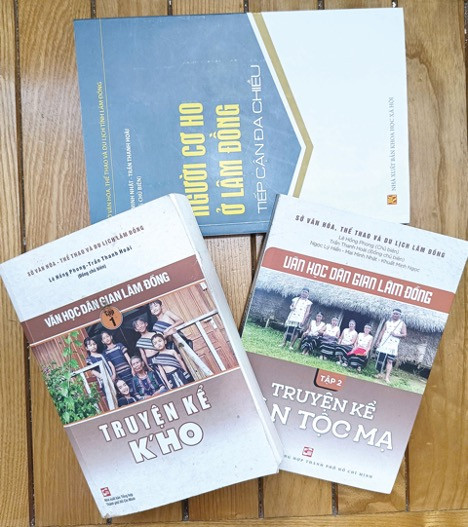
In recent years, Lam Dong has focused on collecting, researching, and publishing folk literature. The provincial Association of Literature and Arts has 669 members, including 24 from ethnic minority groups. Through field research, artists and researchers have produced more than 300 works drawing on folk materials, blending traditional elements with contemporary perspectives. The Folk Literature Sub-Association has also published numerous research works and collections of ethnic folk tales.
From Collection to Transmission
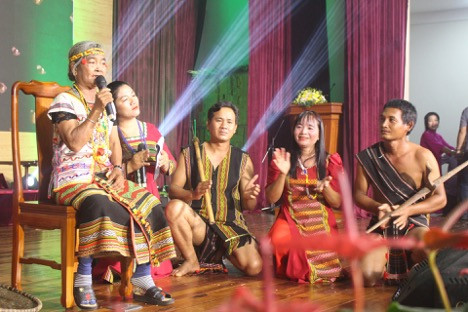
Classes in folk songs, dances, ethnic languages, and scripts are regularly organized at the community level. More than 3,000 young people have joined gong and folk music programs, while the annual Ethnic Minority Culture and Sports Festival provides an active space for cultural practice.
Strategic Direction to 2030
According to the provincial Department of Culture, Sports and Tourism, future efforts will focus on preserving folk literature alongside ethnic languages and scripts, accelerating inventory work, digitization and database development, supporting artisans, and introducing outstanding folk works into extracurricular activities at schools. From 2027 to 2030, Lam Dong aims to complete a comprehensive inventory of folk literature heritage, establish folk art clubs in ethnic minority areas, and expand performance spaces.
Preservation does not mean placing culture in a museum case. It means selecting, inheriting, and developing values so that fathers’ stories and mothers’ lullabies continue to live in modern society— thereby enriching Vietnam’s cultural identity in unity and diversity