


Preserving K'ho Cultural Identity Through Traditional Cuisine
Drawing on the traditional dishes of the K'ho people, many localities in Lam Dong are transforming indigenous cuisine into attractive tourism products, contributing to the preservation of cultural identity.
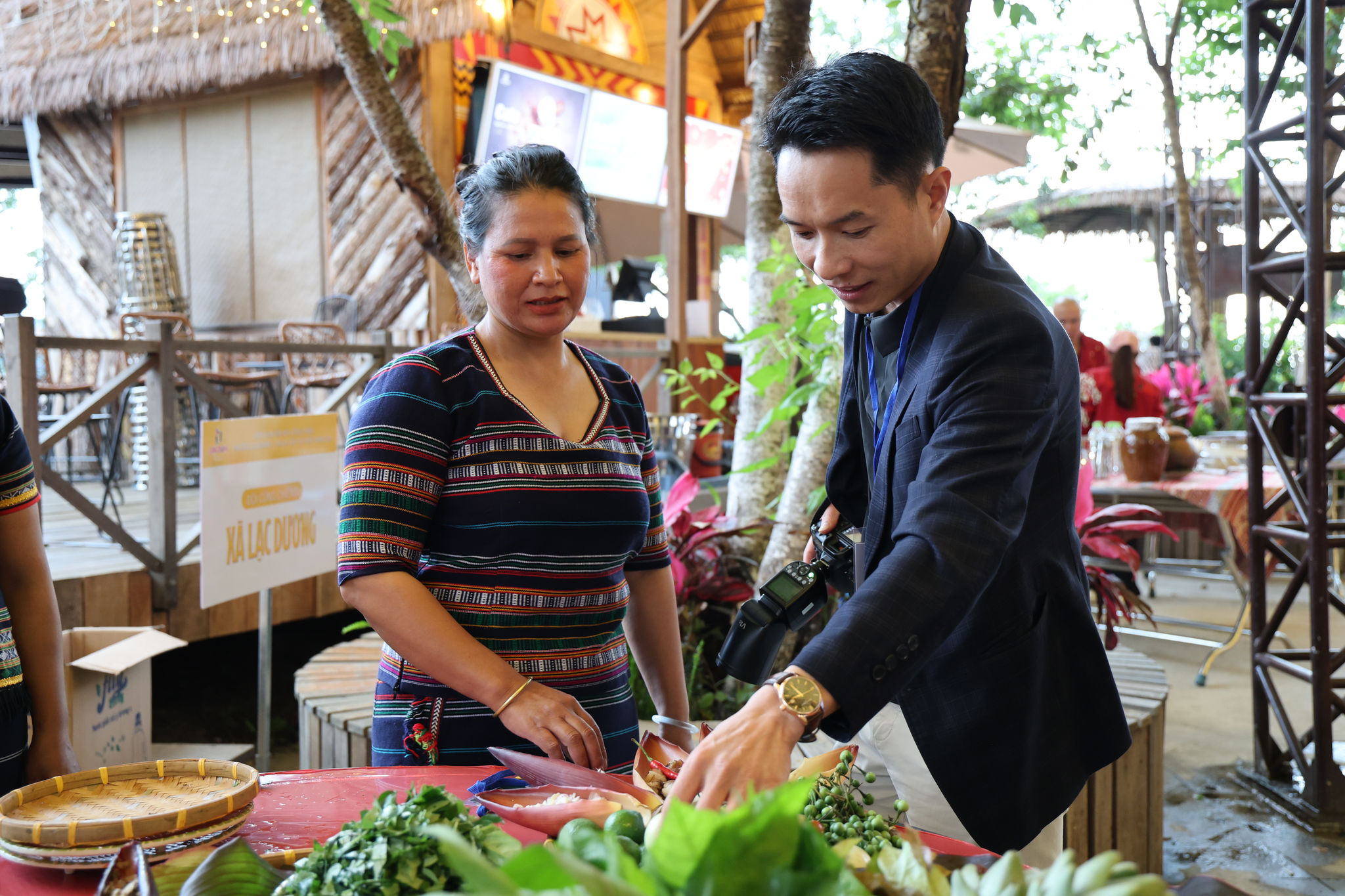
Bringing Traditional Flavors Closer to Visitors
Traditional dishes of Lam Dong’s indigenous ethnic communities are not only enriching tourism offerings but also becoming a bridge for visitors to gain a deeper understanding of local culture and daily life.
From meals commonly prepared during festivals and everyday gatherings, indigenous cuisine is gradually being integrated into community-based tourism activities, creating experiences that reflect the unique identity of the Central Highlands.
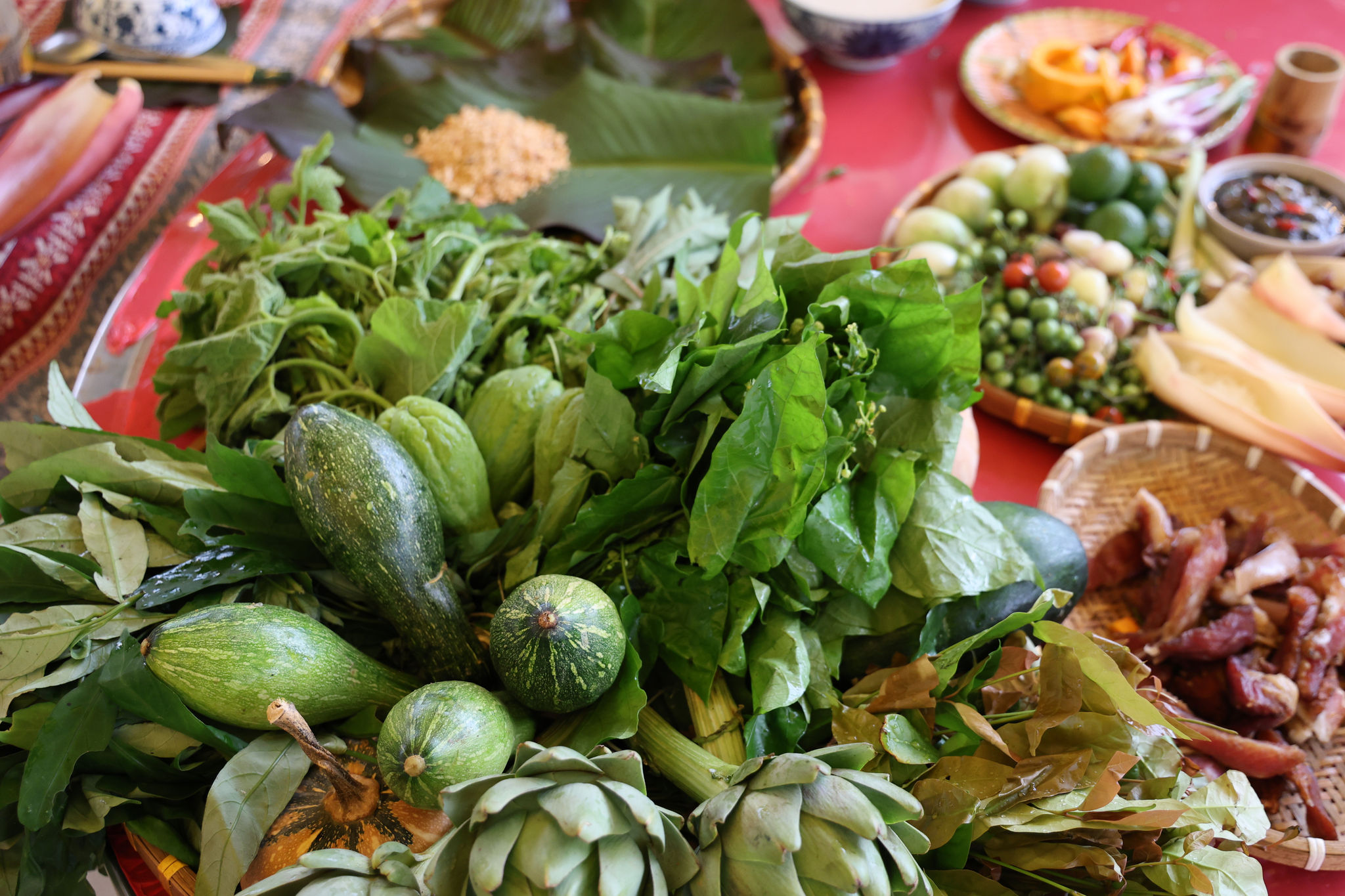
In localities such as Lac Duong and Lang Biang – Da Lat, cultural exchange programs, gong performances and community activities are increasingly associated with the introduction of traditional K'ho cuisine.
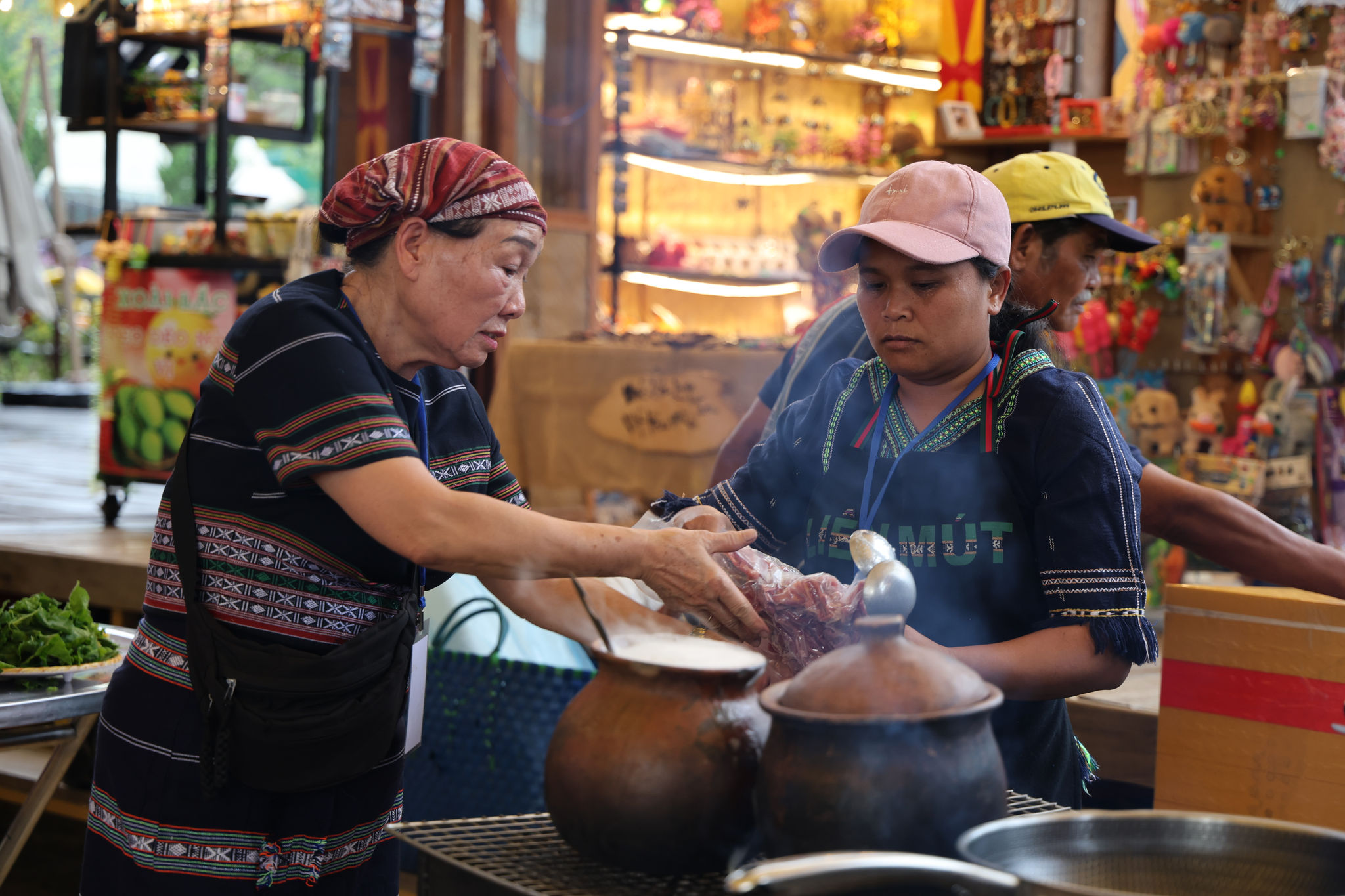
Gathered around a warm fire, visitors can enjoy bamboo-tube rice, grilled chicken, canh thut (traditional mashed soup), bamboo-grilled meat, wild vegetables and ruou can (traditional rice wine) – dishes deeply rooted in the lives of indigenous communities.
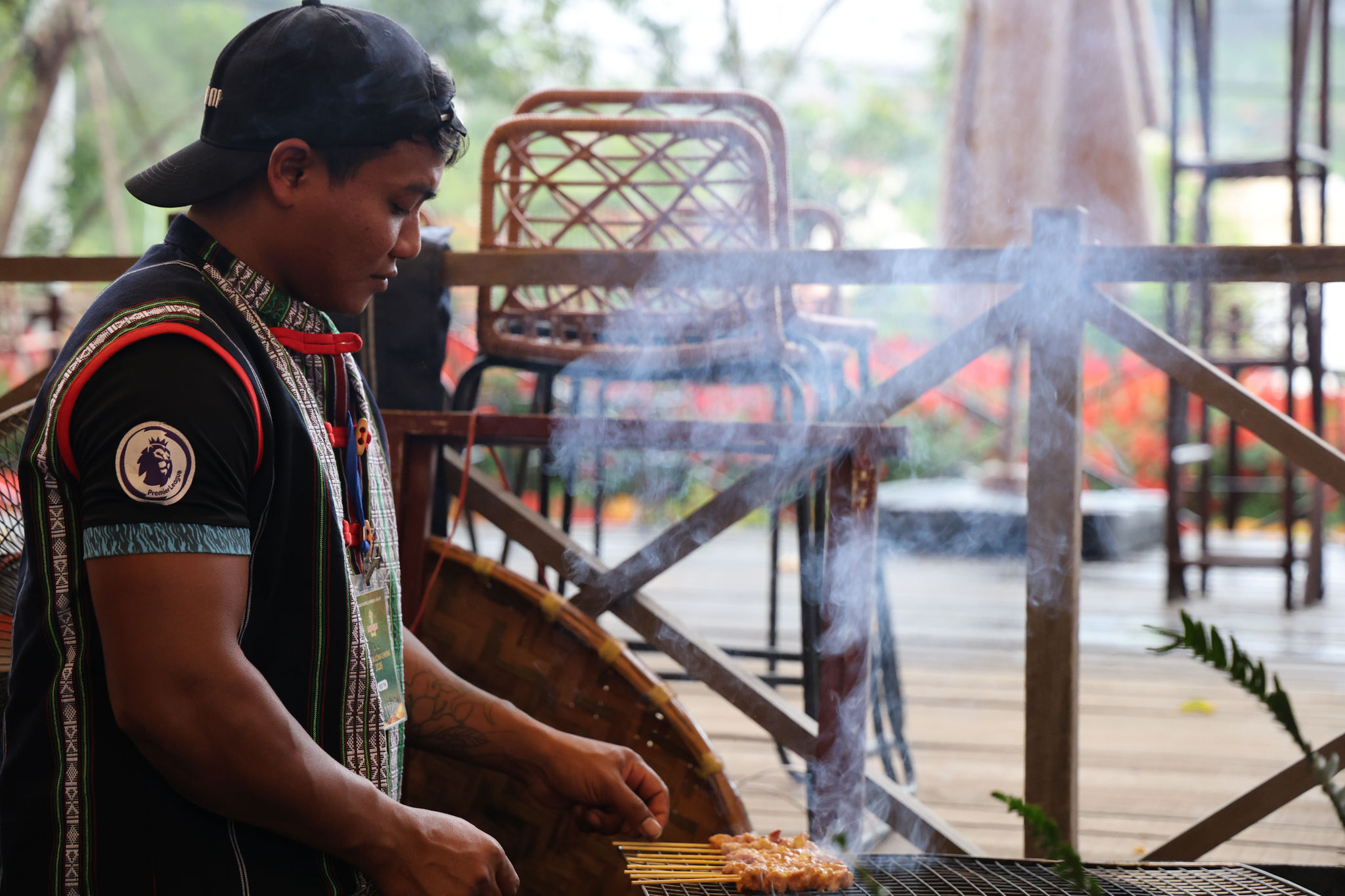
What makes these tourism products distinctive is not only their flavors but also the way local people tell cultural stories through ingredients, cooking methods and customs associated with traditional meals.
Many visitors are also invited to participate directly in food preparation, from lighting the fire and grilling meat to making bamboo-tube rice, allowing them to experience the beauty of community life among ethnic minority communities.
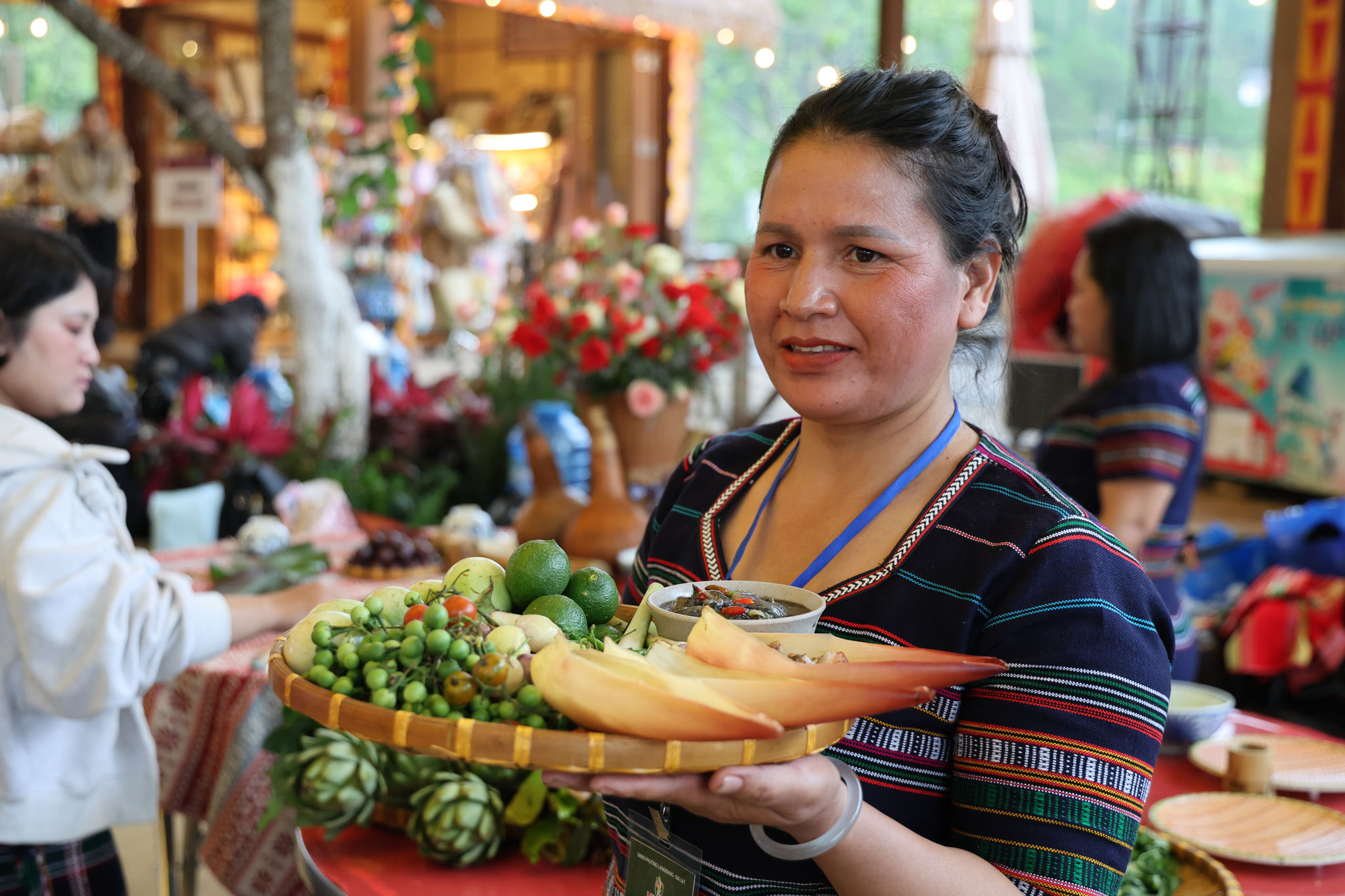
In the past, these dishes were mainly prepared within families or during village festivals. Through community tourism, we want to introduce visitors to the traditional flavors of the K'ho people so they can better understand our local culture. Many visitors enjoy the experience, ask about cooking methods and express their desire to return.
Lieng Jrang K’ Sau of Lac Duong Commune, Lam Dong Province
Promoting K'ho Cultural Values Through Tourism
Beyond preserving traditional recipes, local communities prioritize the use of locally available ingredients, from glutinous rice for bamboo-tube rice to wild vegetables and distinctive mountain spices. This helps safeguard indigenous knowledge while creating unique cultural tourism products.
Cuisine is an integral part of K'ho cultural life. When introducing dishes to visitors, we also tell them about our customs, traditions and everyday life in the villages. Through this, visitors gain a deeper appreciation and stronger connection with our culture.
Cil Su Ly, Lang Biang – Da Lat Ward, Lam Dong Province
For many travelers, experiencing local cuisine within an authentic cultural setting is one of the most memorable highlights of visiting Lam Dong.
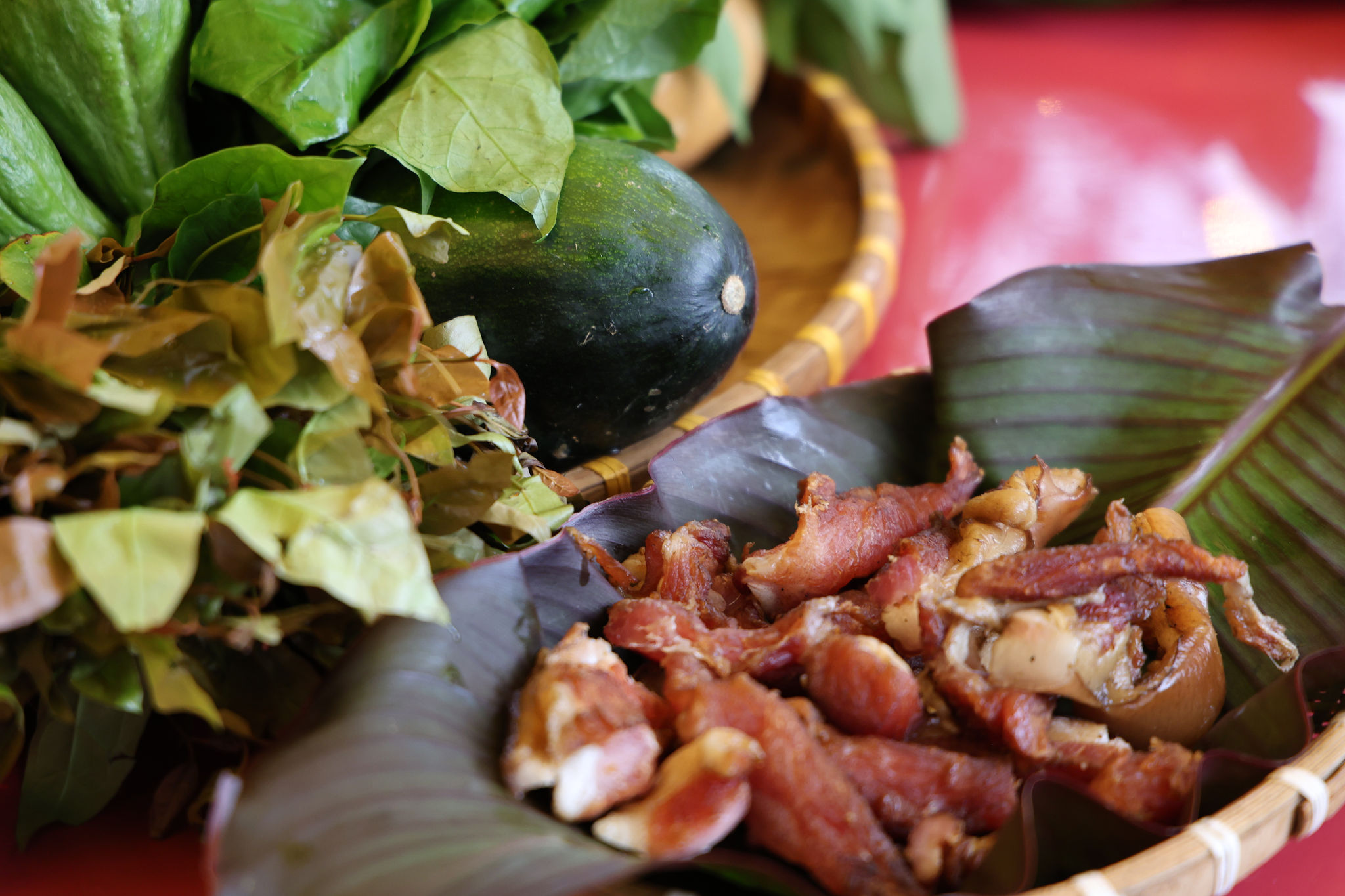
Le Thi Hong Men, a visitor from Ho Chi Minh City, shared: “I have visited Lam Dong many times, but this is the first time I have enjoyed traditional K'ho dishes in a gong performance setting. The food is simple yet offers flavors I have never experienced elsewhere.”
According to Men, the most fascinating aspect is listening to local people explain the meaning behind each dish and the customs associated with their way of life. It is truly an unforgettable experience.
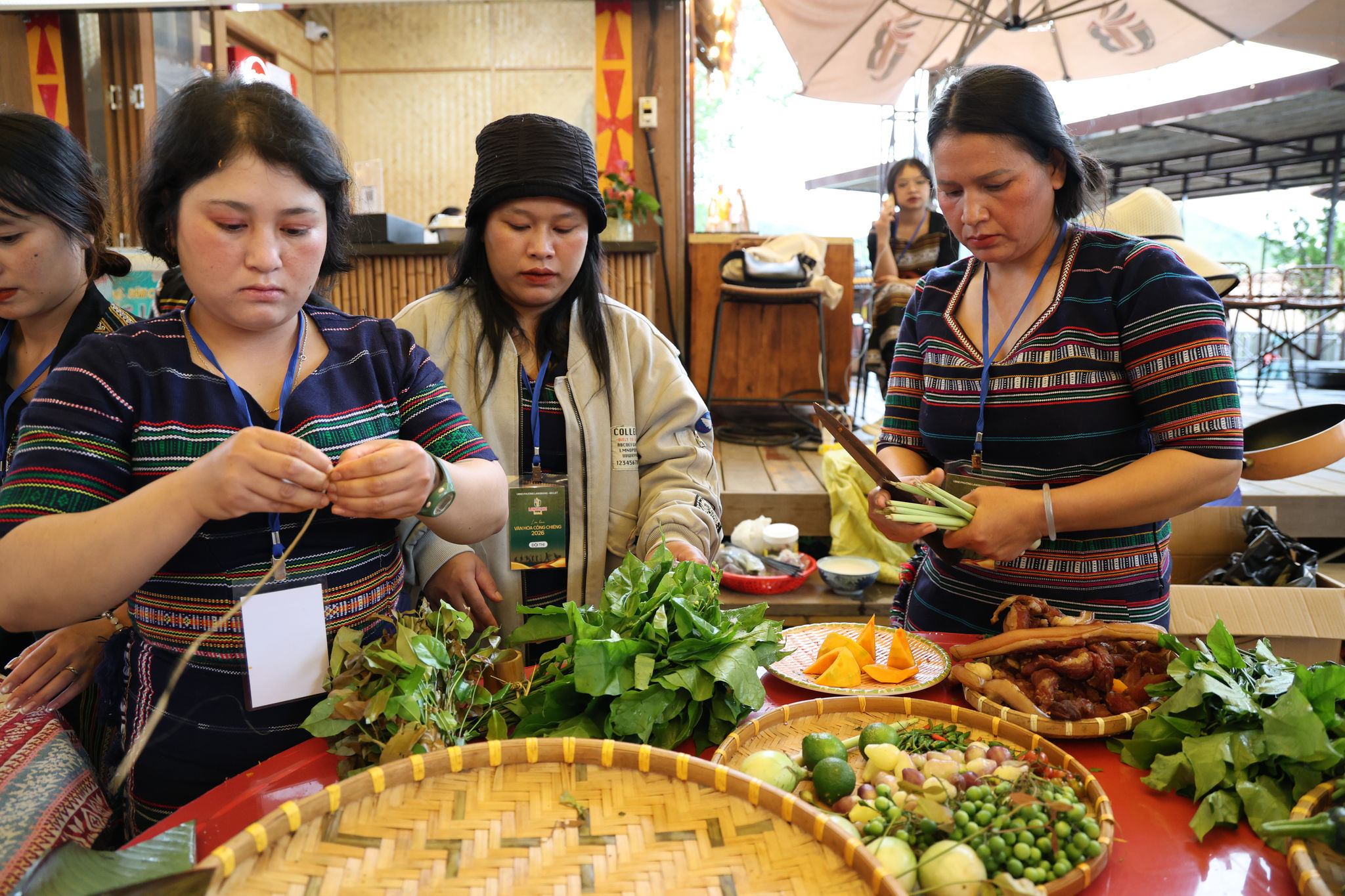
Tourism operators also note that travelers are increasingly seeking culturally immersive experiences rather than conventional sightseeing and leisure activities.
This trend presents an opportunity for localities to promote traditional cultural values, including K'ho cuisine, diversify tourism products and enhance the attractiveness of destinations.
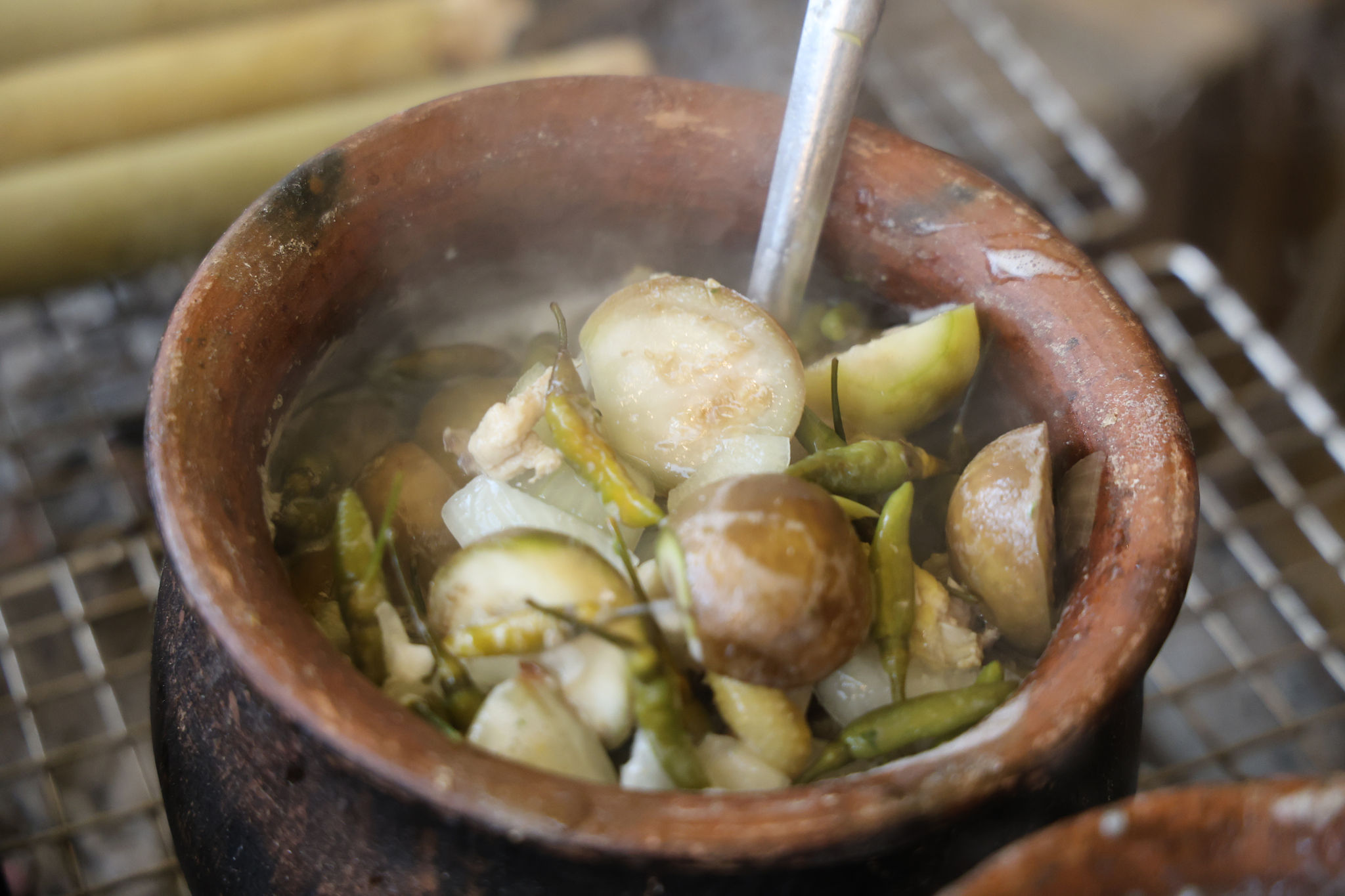
Integrating indigenous cuisine into tourism not only creates additional livelihoods for local communities but also serves as an effective solution for preserving and promoting traditional cultural values in modern society.
From the humble dishes of village life, longstanding cultural values are being shared with domestic and international visitors, further affirming Lam Dong’s appeal as a destination where nature, culture and community identity converge.