


Preserving the coastal soul through “Lau Tha”, a unique local hotpot
In the southeastern coastal area of Lam Dong province, there is a unique hotpot that not only captivates visitors but also reflects the cultural heritage of local fishing communities — “Lau Tha.” The rich aroma of peanut sauce, the heat of chilli, and the freshness of white fish leave a lasting impression on travellers.
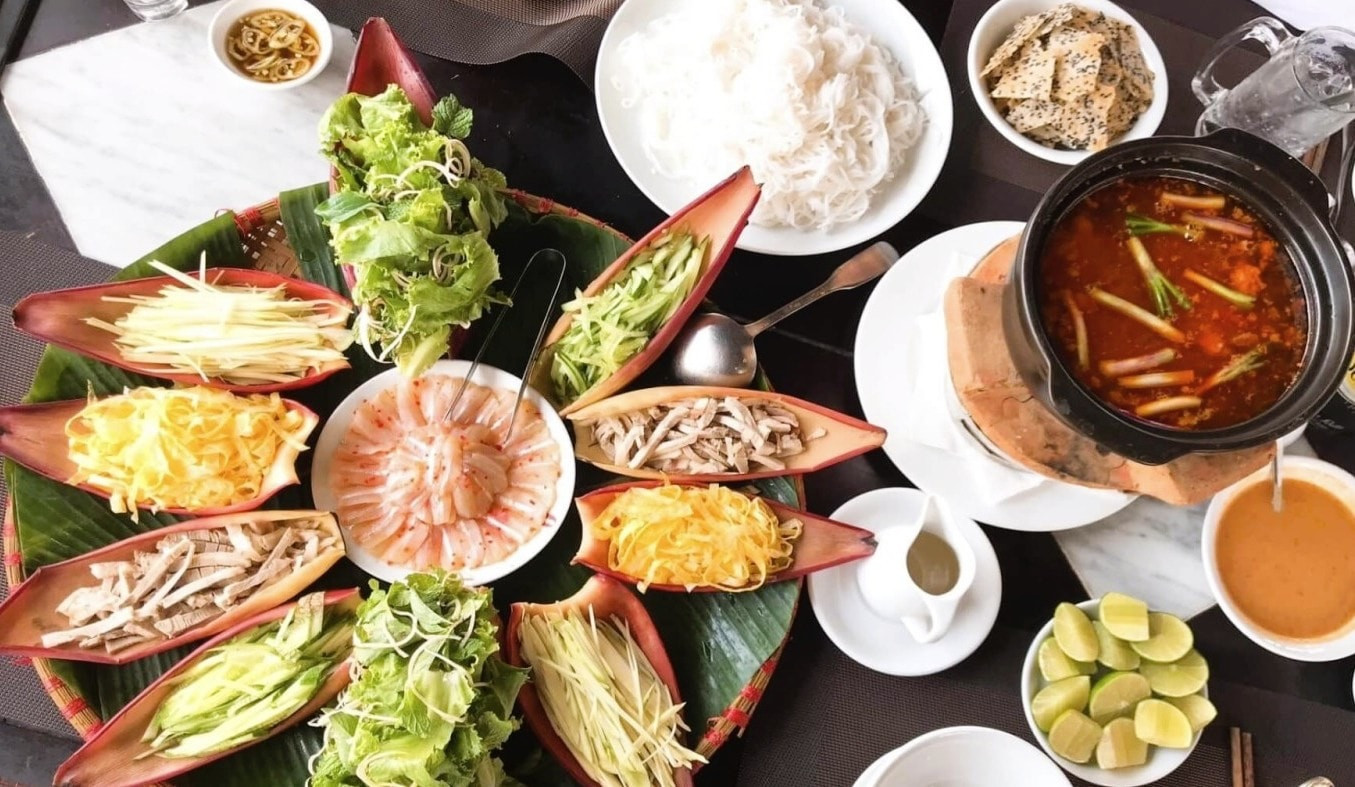
"Lau tha" makes an impression at first glance. Its ingredients are meticulously arranged on a bamboo tray shaped like a flower, with layers of pinkish banana sheaths holding shredded green mango, cucumber, sliced fried duck egg, boiled pork belly, herbs, and, at the centre, fresh anchovy-like fish. Accompaniments include vermicelli, broth, dipping sauce, and fish sauce.
This artistic presentation not only enhances the dish’s visual appeal but also symbolises the round basket boats closely associated with fishermen in Mui Ne.
According to Nguyen Hoang Nghi, Vice Chairman of the Binh Thuan Chefs’ Association, the freshness of the fish is what defines authentic ‘Lau Tha.’
“To prepare the dish properly, chefs must select fish as soon as the boats come ashore. Though small, the fish are carefully cleaned and processed immediately to preserve their freshness, while the fillets are briefly dipped in lime juice to eliminate any fishy smell.”
Unlike other hotpot dishes, "Lau Tha" is not cooked directly in a shared pot. Instead, guests assemble their own bowls with all the ingredients, such as slices of fish, herbs, vermicelli, pork, egg, and crushed rice crackers, before ladling hot broth over the top. For a different experience, it can also be enjoyed in the “dry” version, with the ingredients tossed in a signature sauce made from garlic, tamarind, chilli, and roasted peanuts. Each restaurant has its own recipe, giving the dish its own distinctive flavour.
Beyond its flavour, “Lau Tha” offers more than a culinary experience; it also tells a cultural story. Its simple, rustic name reflects the speech and character of Mui Ne fishermen — honest, open, and unpretentious.
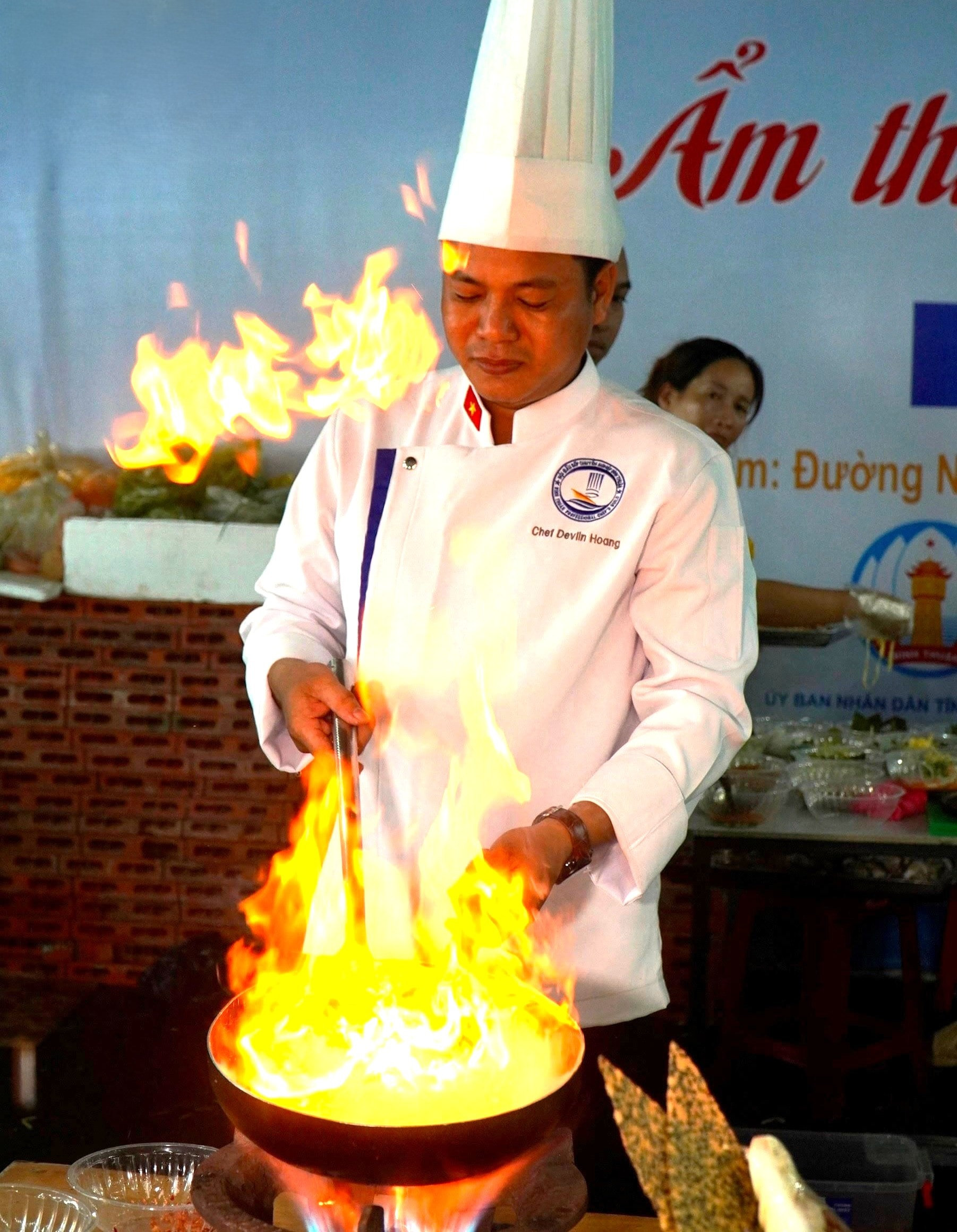
Before tourism developed, fishermen would simply “throw” (Tha) whatever they caught into the broth and season it to taste. Over time, thanks to its unique flavour and the creativity of chefs, "Lau Tha" has evolved into a beautifully presented local specialty, contributing to the region’s culinary identity.
Today, many restaurants in Mui Ne have added "Lau Tha" to their menus. Some variations replace the traditional fish with other local white-fleshed fish, commonly used in raw fish salads. Thanks to its unique combination of ingredients and its interactive way of eating, the dish satisfies even the most discerning diners.
Phan Manh Sat, a visitor from Ho Chi Minh City, shared:
“Among all the dishes in Mui Ne, "Lau Tha" is the one my family likes best. Both the elderly and children love it. It’s not just delicious, it’s like a piece of art.”
Amid the rapid growth of tourism, "Lau Tha" is no longer just a dish; it has become a bridge that introduces local culture to both domestic and international visitors.