

The Ede People Preserve Their Culture Along the Serepok River
Along the Serepok River, the Ede people in Nui, Buor, Trum, and Ea Po villages of Cu Jut commune, Lam Dong province, continue to preserve their rich cultural heritage. Amidst modern life, the Ede identity still resonates — in the sound of gongs, the melodies of folk songs, the silhouette of longhouses, and the warm smiles of people on the red basalt land.
Keepers of Cultural Fire
Among those deeply devoted to preserving Ede culture, Meritorious Artisan Y Sim Eban from Nui village is regarded as a “living treasure” for his efforts in teaching traditional gongs and instruments. Y Sim masters dozens of ancient gong pieces and can craft many traditional instruments such as the ding nam, ding buot, and jaw harp.
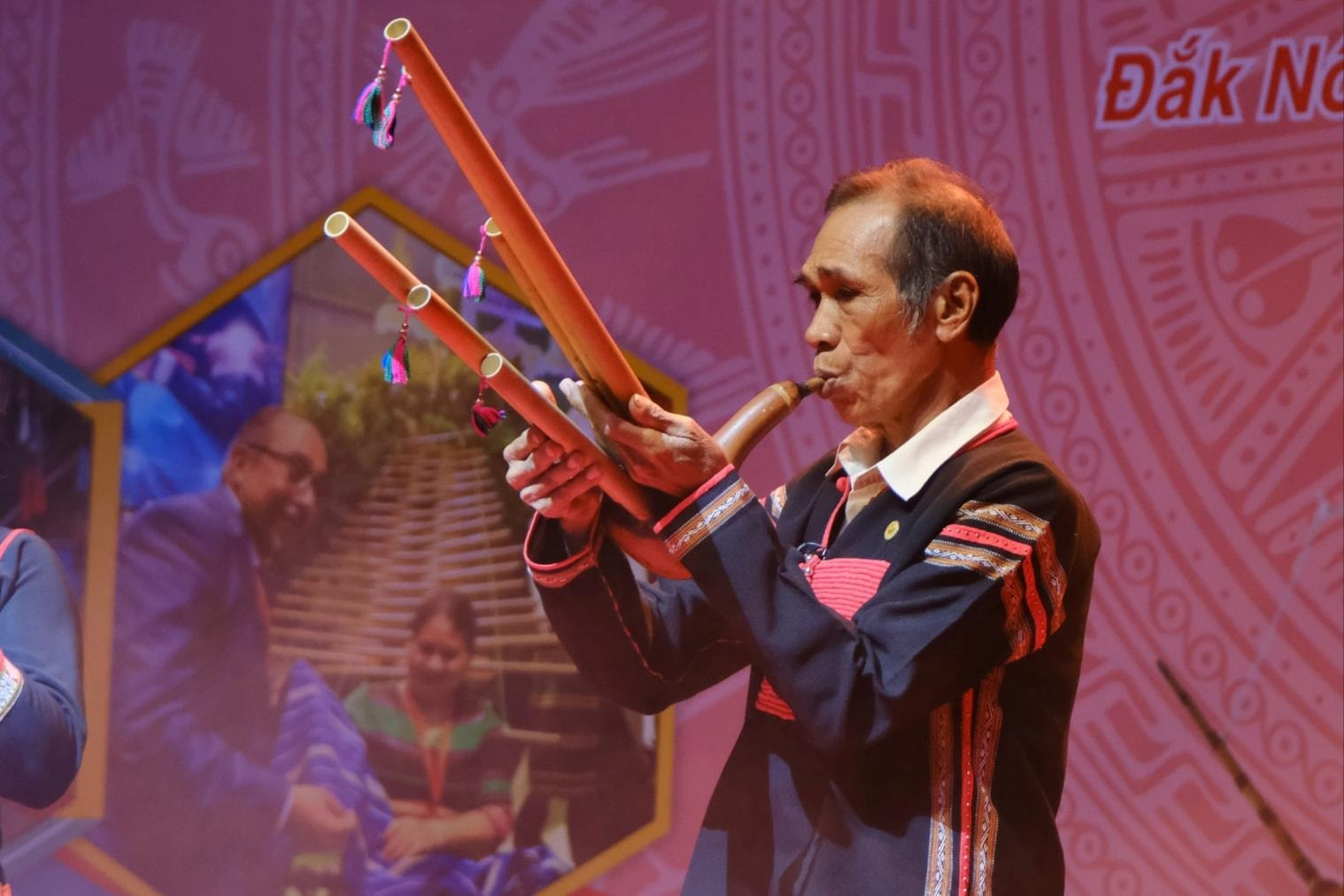
Y Sim shared: “We, the Ede people, are proud of our gongs, brocade, and festivals that carry the soul of our ethnicity. Thanks to government support, these values are still preserved today. I always remind my children and grandchildren to play the gongs, sing folk songs, and speak the Ede language — so that wherever they go, they never forget their roots.”
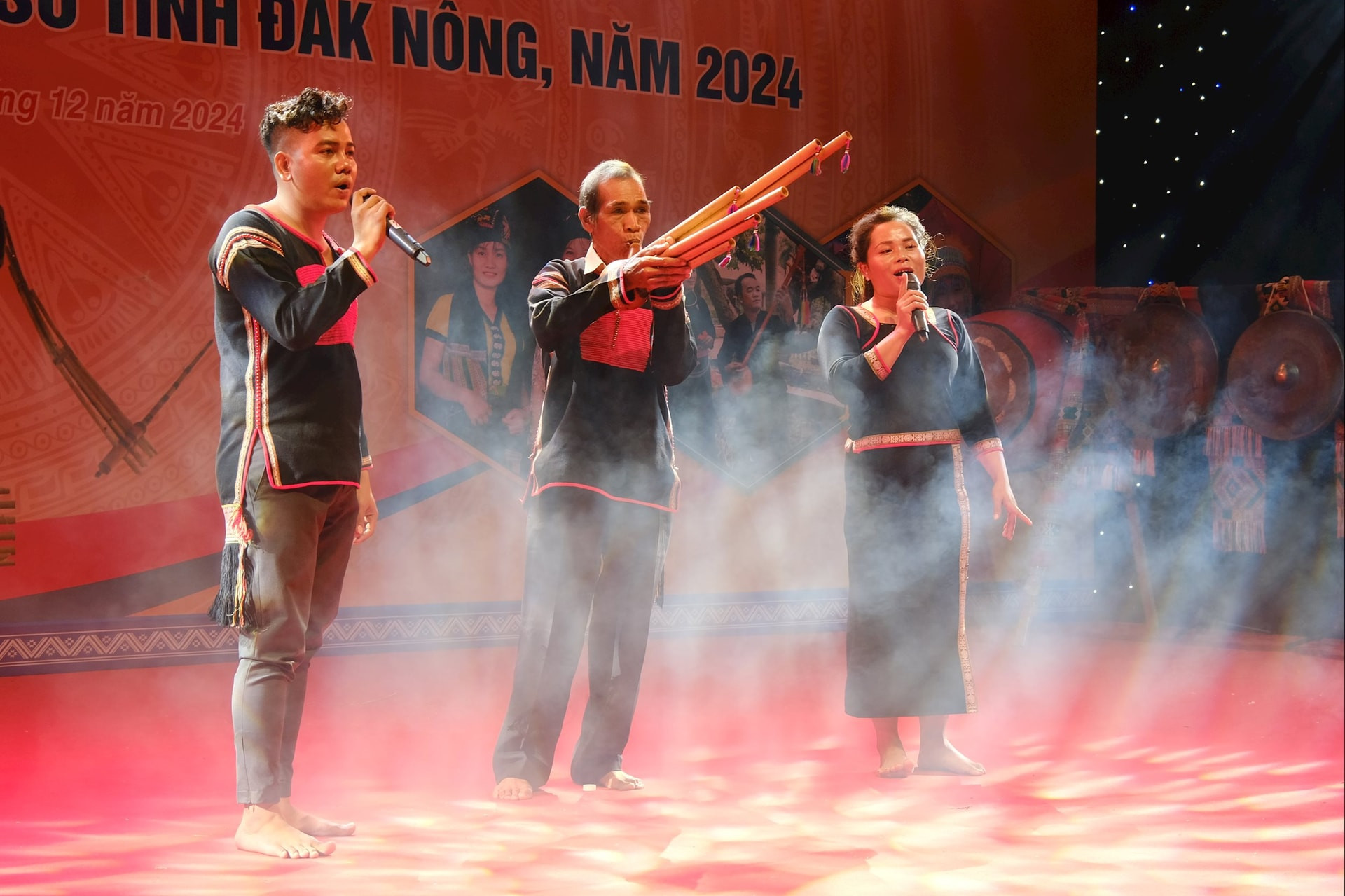
Alongside artisans like Y Sim, the young generation in Cu Jut is also carrying forward their passion for traditional culture. Youth gong clubs attract many local teenagers, where they learn to preserve and play the gongs, dance, and weave, helping to pass on Ede cultural values to future generations.
Cu Jut currently preserves seven sets of ancient gongs and dozens of traditional longhouses in Buor, Ea Po, Nui, and Trum villages. Each village has its own gong and cultural teams, maintaining a vibrant cultural space. During festivals, the resounding gongs blend with the bright colors of brocade, creating a lively cultural picture rich in Ede identity in the heart of the Central Highlands.
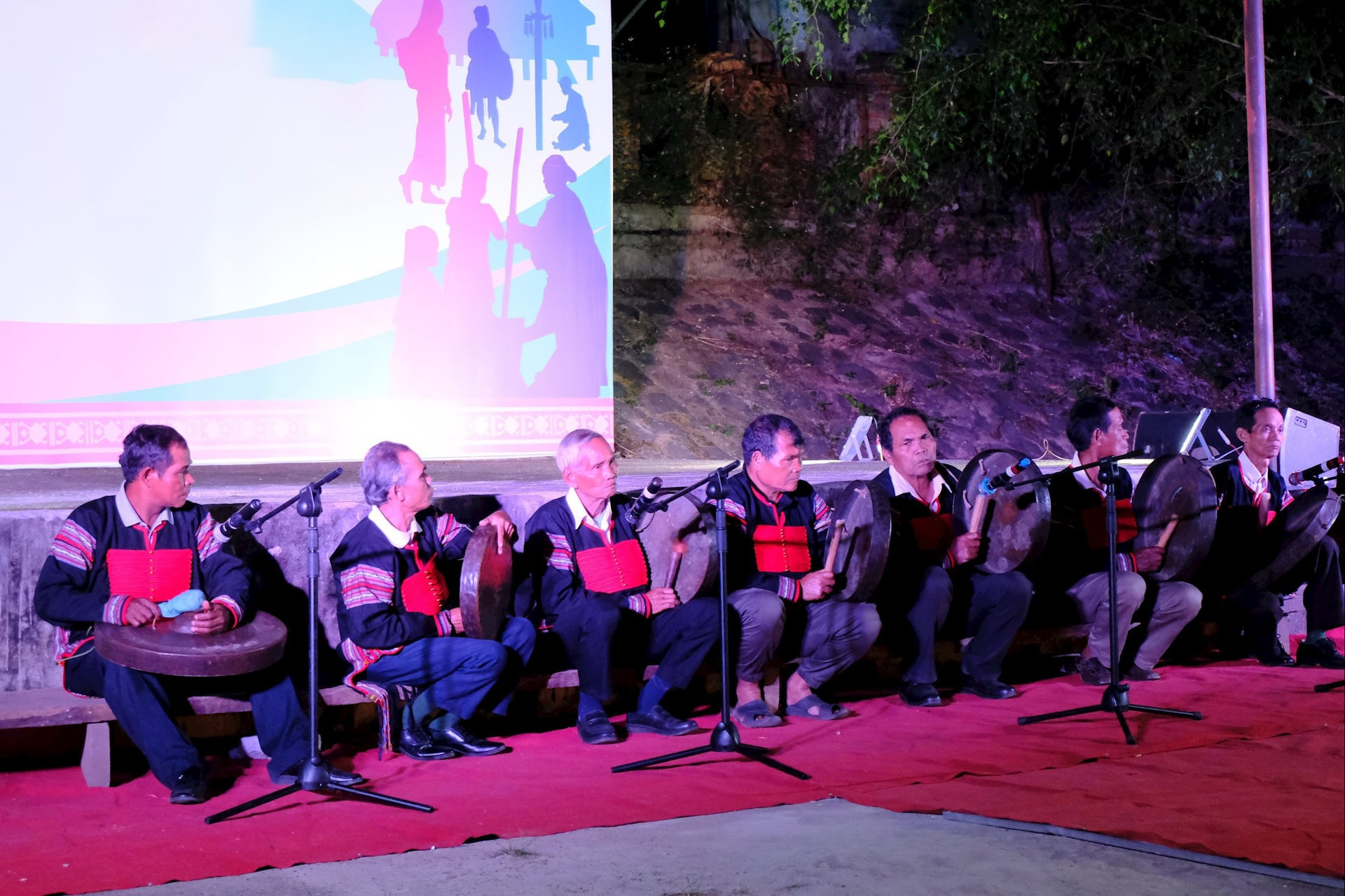
Preserving the Ede Language and Traditions
The Ede people in Cu Jut also take great pride in their language, script, and traditional attire. From a young age, Ede children are taught to speak their mother tongue, greet elders, and tell stories in Ede. Schools also organize Ede language classes, helping students learn to read and write in their native language.
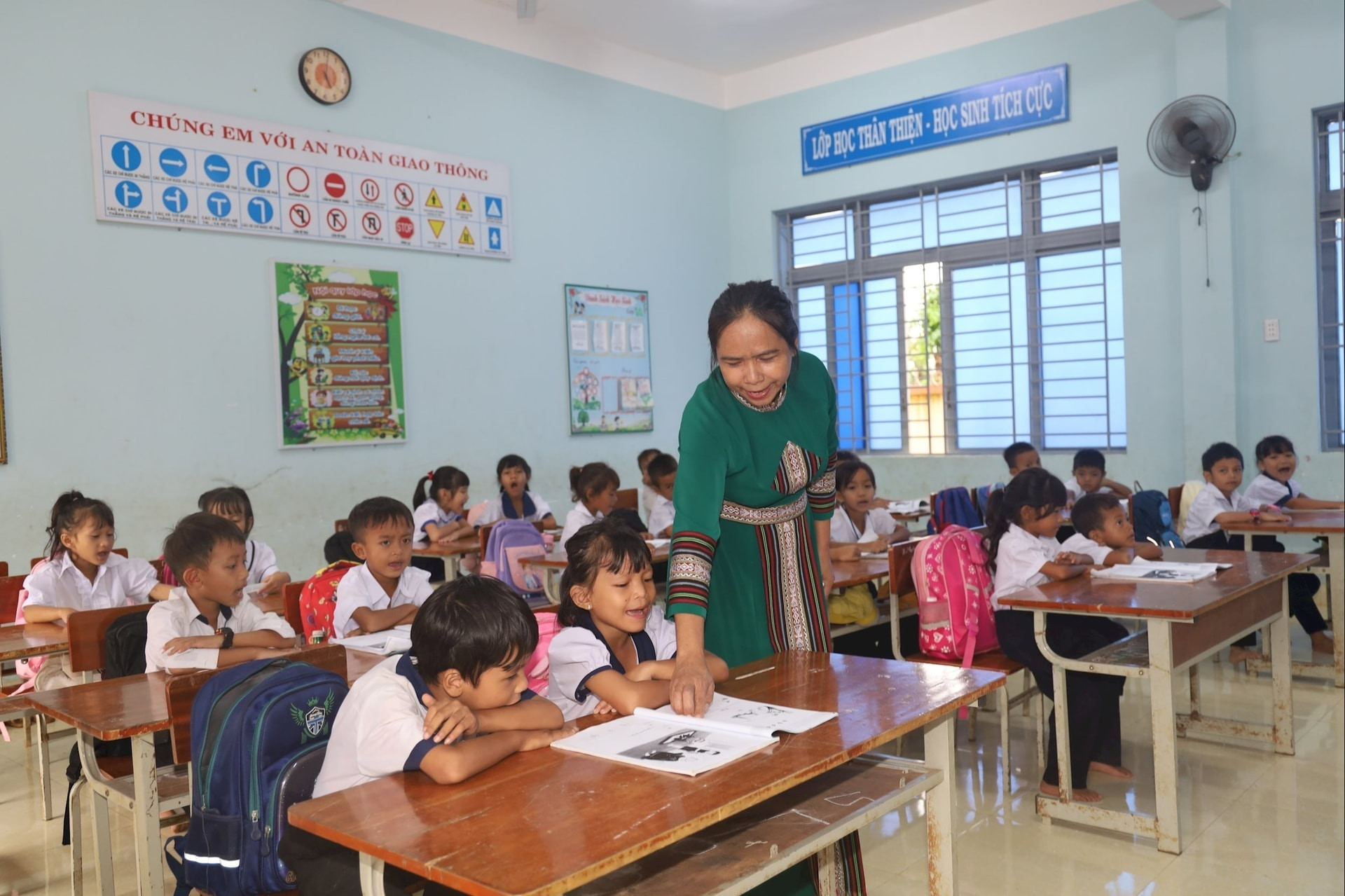
Teacher H’Dzk Lup from Y Jut Primary School, Cu Jut commune, has devoted over 30 years to education, more than half of which has been spent teaching the Ede language. For her, it is not merely a subject but a way to preserve and pass on the soul of the Ede people.
“The Ede language is the soul of the village — the bond connecting descendants with their ancestors. I always hope my students learn not only to understand but to take pride in and love their mother tongue.”
Teacher H’Dzk Lup, Y Jut Primary School, Cu Jut commune
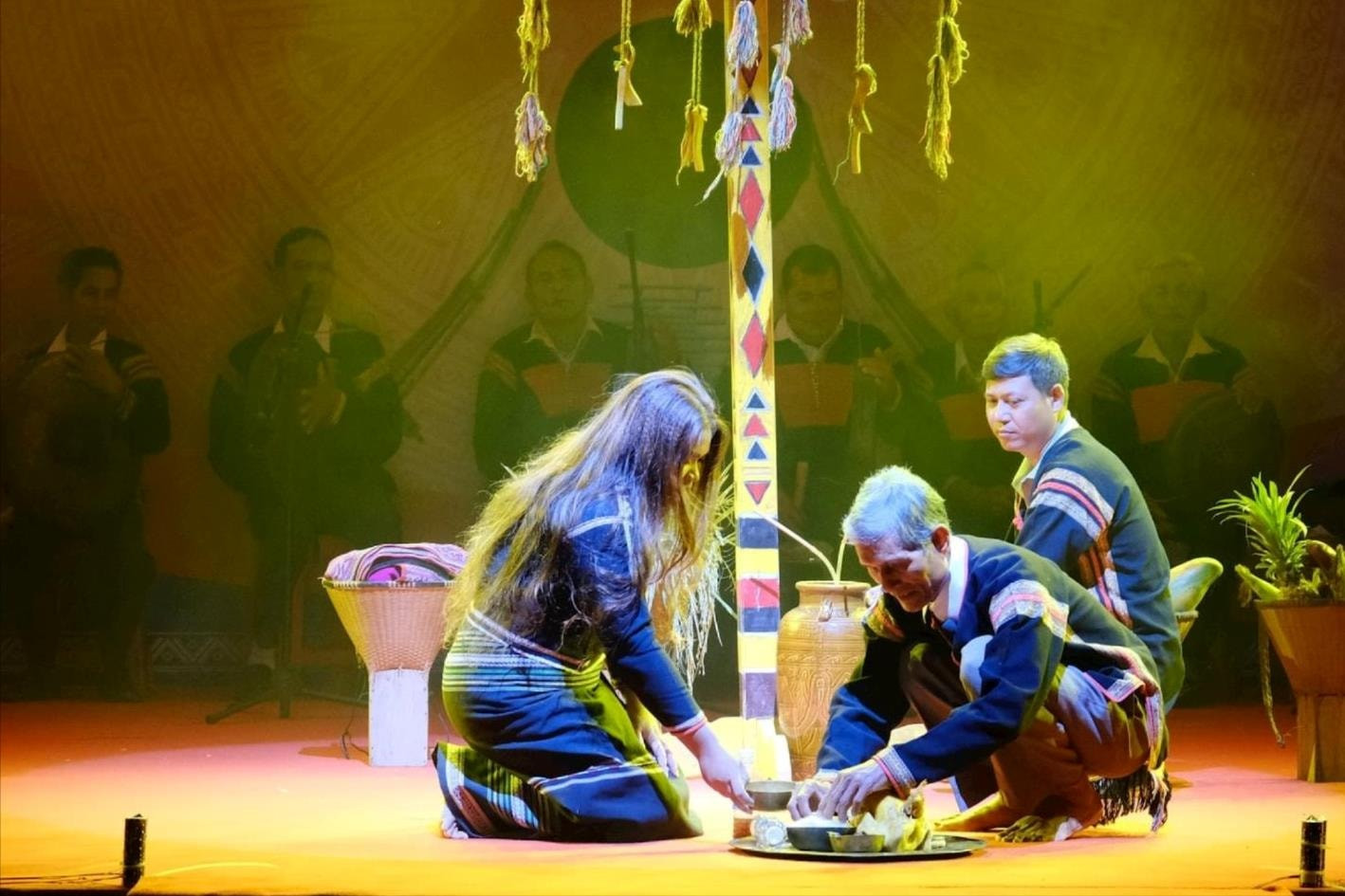
The Ede continue to cherish and wear their traditional clothing in daily life. During festivals, New Year celebrations, or weddings, they proudly don their brocade garments as an expression of ethnic pride and love for their heritage.
Beyond attire, Ede culture shines through in the warmth and solidarity among families and villagers. Whenever there’s community work, everyone joins hands to help one another. This spirit of unity has enabled them to build prosperous, harmonious villages.
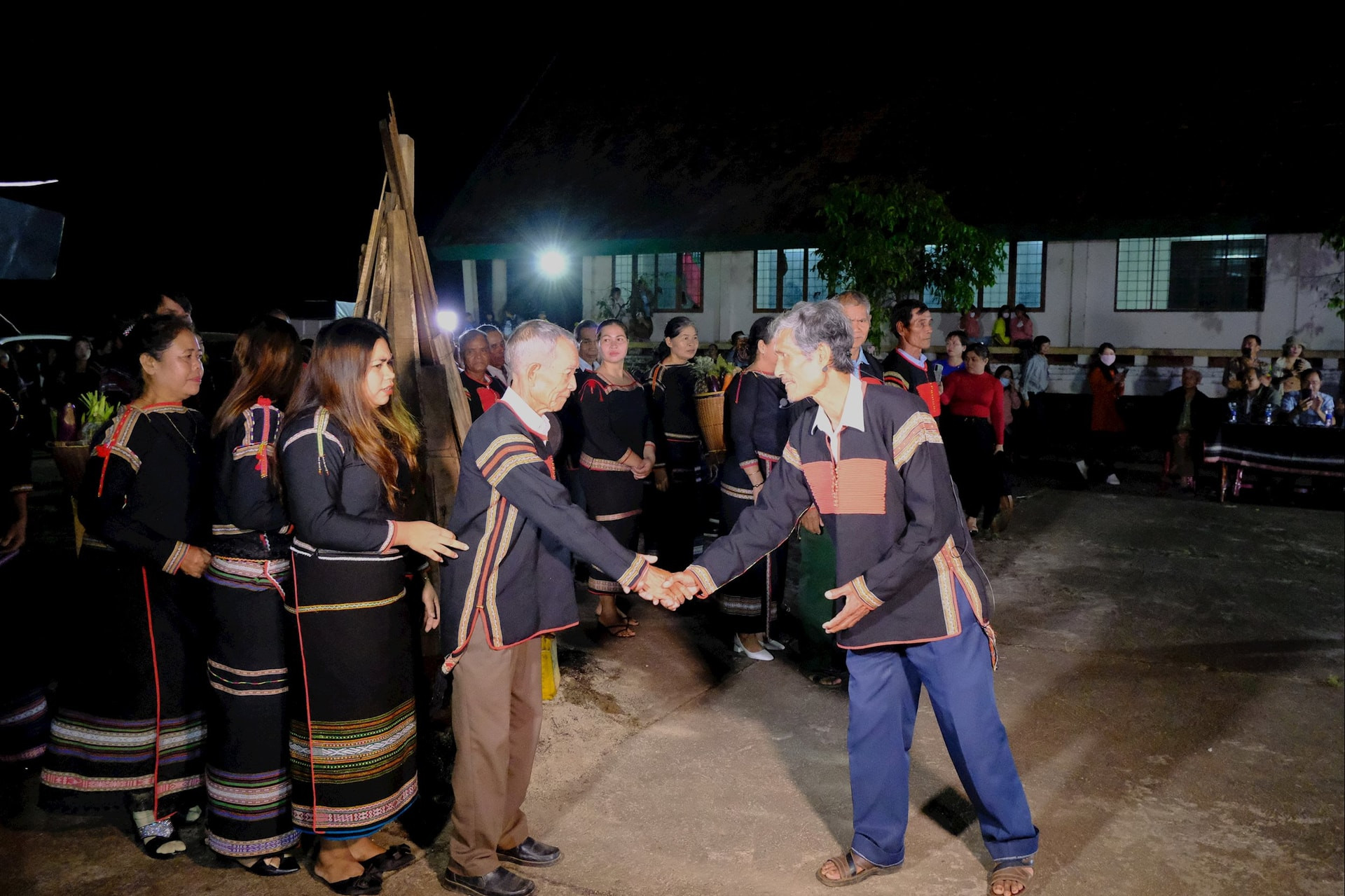
Heritage as a Path to Sustainable Development
In Nui village, the Ede not only preserve their culture but also integrate it into economic development. As part of Stop No. 18 of the UNESCO Dak Nong Global Geopark, locals have built a community tourism model that allows visitors to experience Ede life — through gong performances, jar wine, weaving looms, and traditional longhouses. Culture has become a bridge helping the Ede both preserve their heritage and pursue sustainable development.
Continuing the Cultural Legacy
Nestled in the vast Central Highlands, Cu Jut stands out as a cultural highlight where the Ede people steadfastly safeguard and pass down their traditions, keeping the sound of gongs, looms, and festivals alive in daily life.
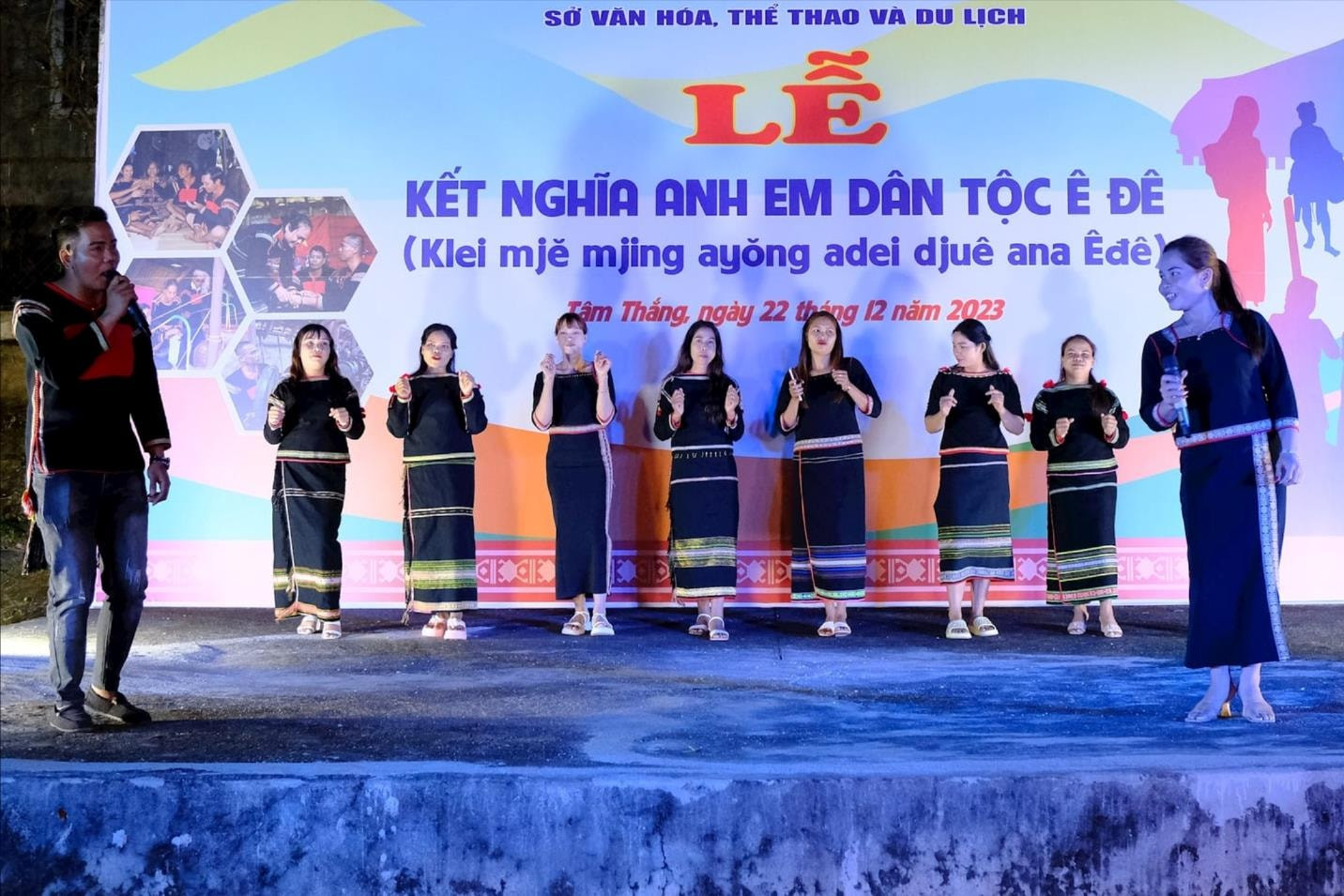
Over the years, local Party committees and authorities have implemented various policies to protect ethnic culture. Numerous cultural, artistic, and sports events have been organized, fostering community connection.
Traditional Ede festivals — such as the Brotherhood Ceremony, Rain Praying Ceremony, New Rice Celebration, and K’pan Procession — have been restored and maintained, strengthening solidarity and awakening ethnic pride among the people.
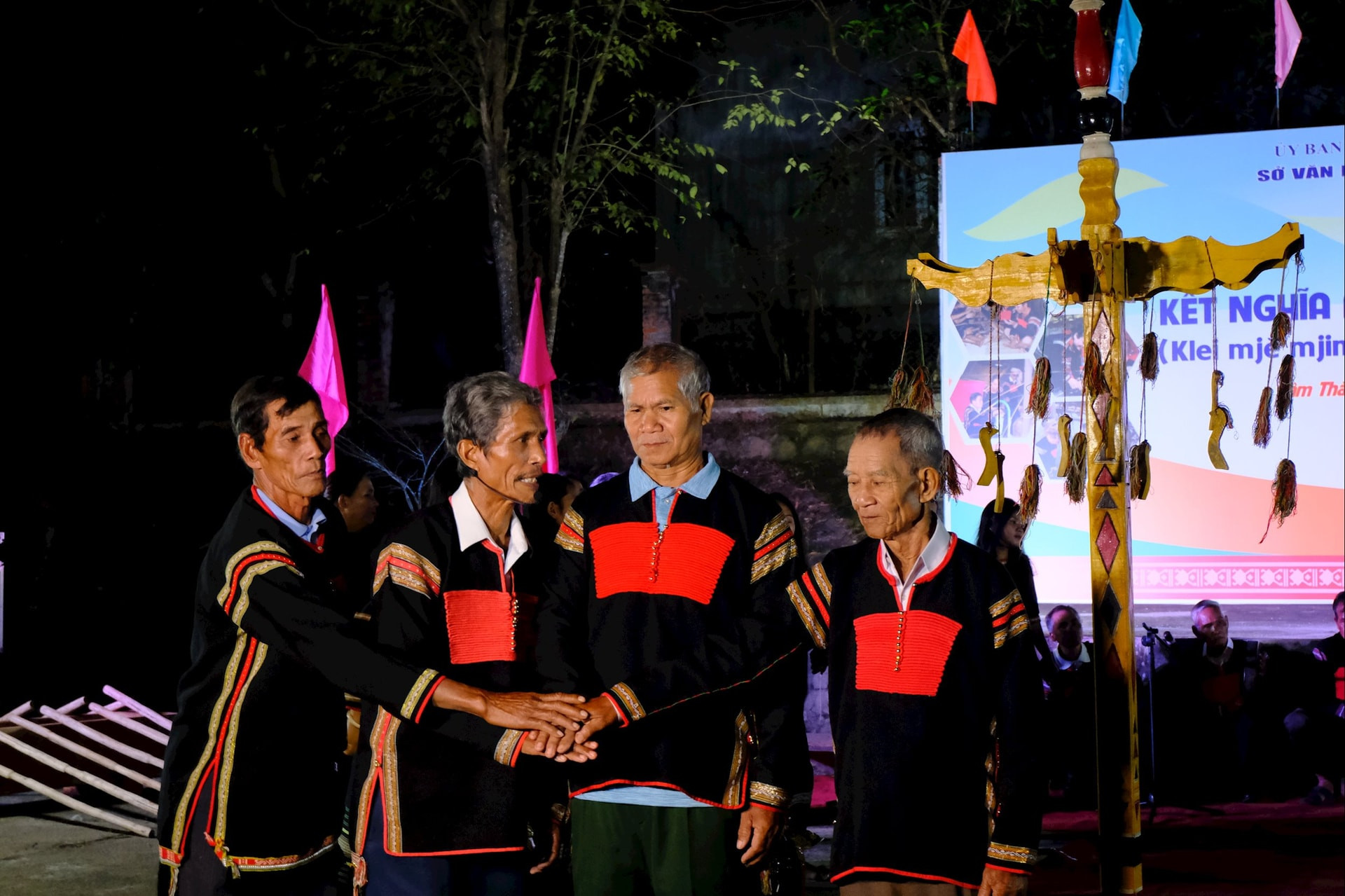
Authorities have also focused on eliminating outdated customs and promoting civilized lifestyles in weddings and funerals. Most villages now have cultural houses meeting new rural standards — spaces for community gatherings, gong practice, brocade weaving, and cultural exchange.
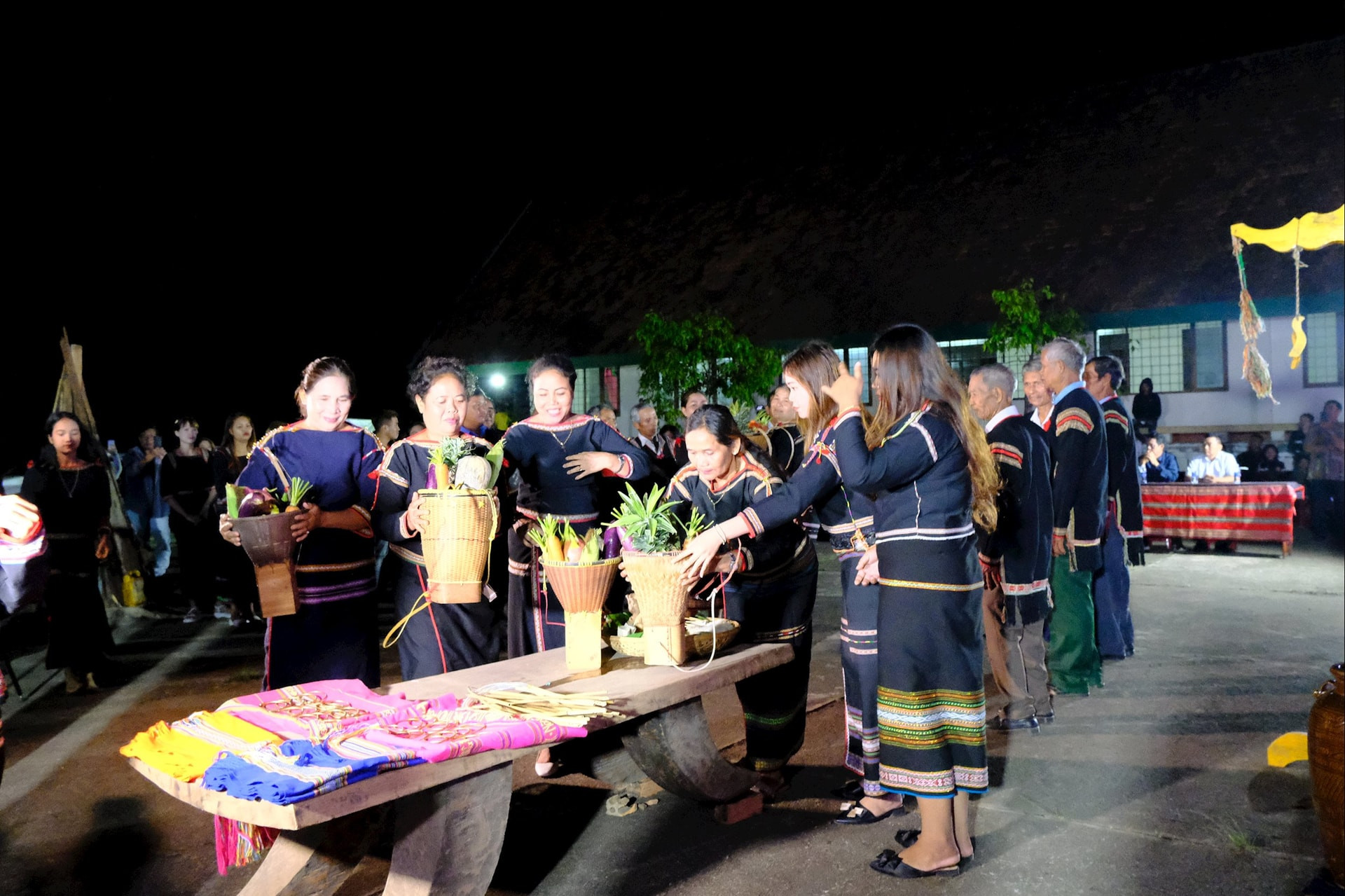
In the coming years, Cu Jut will continue to invest in preserving and promoting Ede cultural values — reviving traditional festivals, expanding gong performance spaces, and restoring brocade weaving tied to community tourism. The locality also calls on businesses, organizations, and residents to join hands in preserving these cultural treasures, creating unique tourism products and improving livelihoods for ethnic minorities.