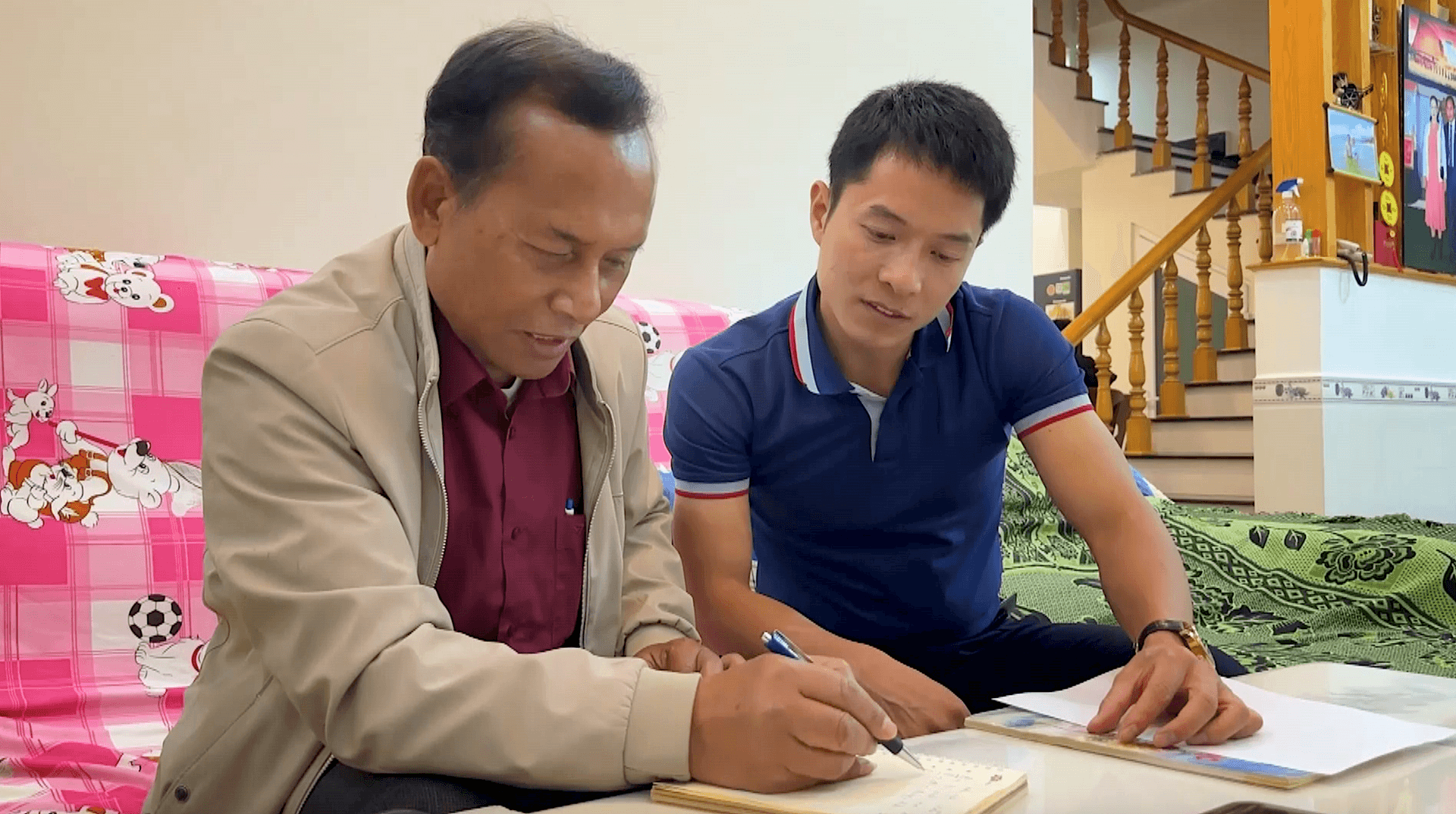

Preserving the Soul of the K’ho Language in the Heart of Lang Biang
At over 70 years old, while many choose to rest and enjoy family life, village elder Păng Ting Uốk — a K’ho man from Lang Biang- Da Lat Ward (Lam Dong Province) — still dedicates each day to the mission of preserving the language, script, and cultural soul of his people
Keeping the K’ho Language Alive
With more than half a century devoted to ethnic affairs and a former position as Deputy Head of Lam Dong’s Ethnic Affairs Committee, elder Păng Ting Uốk deeply understands that language is the root and soul of culture.
After retiring, he chose to return to his village, quietly continuing his lifelong journey to pass on the ancestral language that was fading amid the modern world.
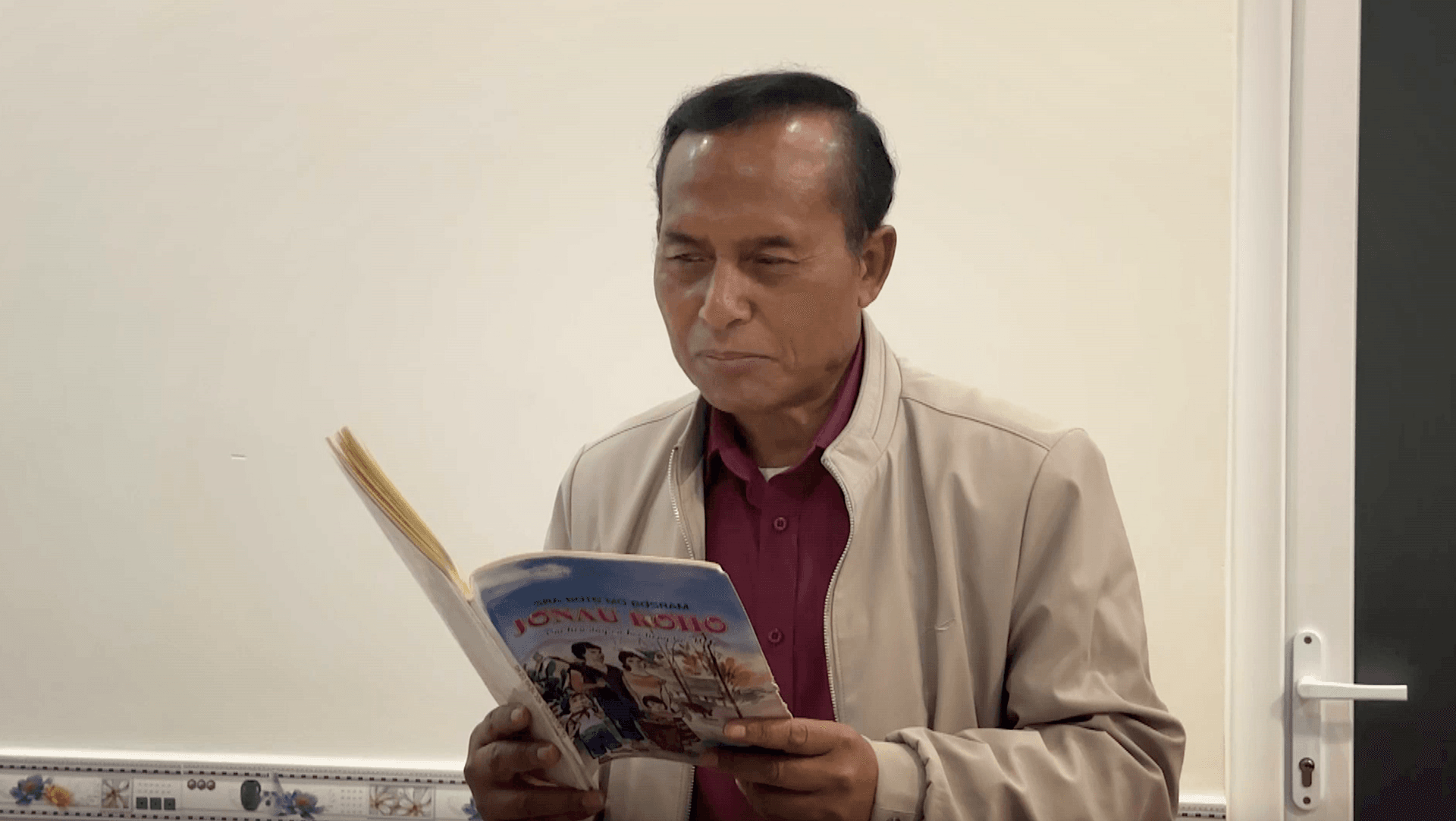
In the past, he taught the K’ho language directly to local officials and civil servants. Today, his classroom is the community space — where laughter and the melody of the mother tongue blend together.
There, he teaches others how to read, write, sing, and tell stories about their own culture — rekindling pride and identity among generations.
To preserve our language is to preserve our roots. Lose the language, and the soul of the people is lost
Elder Păng Ting Uốk
In 2005, the Ministry of Education and Training, in collaboration with the Lam Dong Provincial People’s Committee, developed the official curriculum for teaching the K’ho language — a program in which Elder Uốk played an important role.
Sowing Words in the Highlands
Beyond teaching, Elder Uốk also collects and documents a vast treasury of K’ho oral literature — from ancient epics such as Chiêng Tha and Dăm Driêng, to proverbs and folk poems filled with life philosophy, filial piety, honesty, and pride in one’s heritage.
For nearly two decades, his humble class has nurtured generations of learners. Some have become local officials serving their communities; others, tour guides sharing the K’ho language and stories with visitors.
Many children, for the first time, have learned to speak and write their mother tongue, rediscovering confidence and pride in their roots.
Each student is like a small seed, planted in a cultural field that is coming back to life
Village Elder Păng Ting Uốk
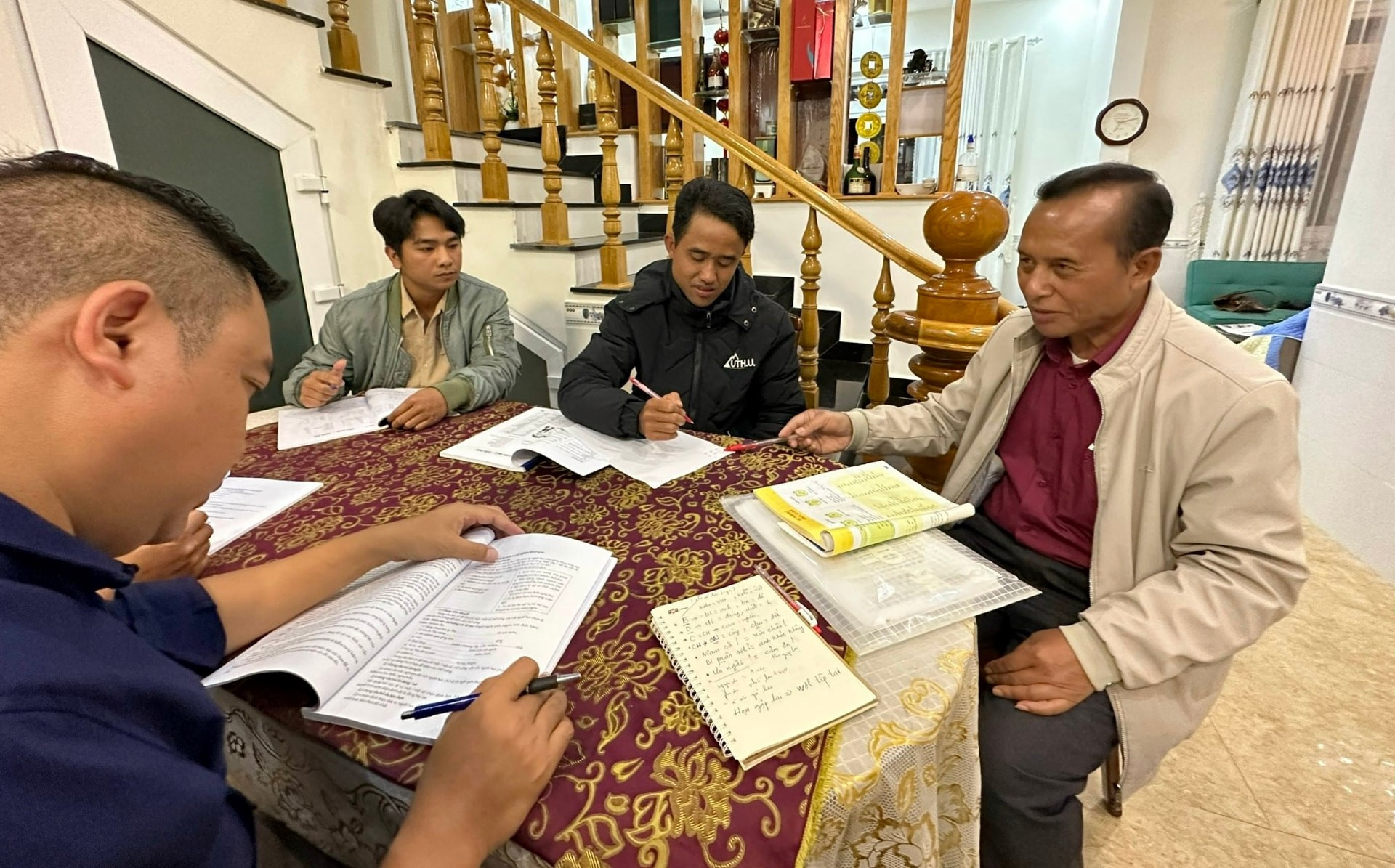
Thanks to devoted people like him, the K’ho language is not only being preserved but is thriving again — heard in traditional festivals, community tourism programs, bilingual classes, and cultural performances.
The language has become not just a means of communication but also a bridge for cultural exchange and livelihood, helping K’ho people develop sustainable community tourism right on their homeland.
Learning the K’ho language has helped me better understand the customs and traditions of the villages. It allows me to communicate more easily and grasp people’s thoughts and concerns while doing my work. Knowing K’ho language brings me closer to the community, building trust and unity when conveying the Party’s and the State’s policies.
Nuyen Thu Binh, Officer at the Lac Duong Commune People’s Committee
Preserve the Language, the Culture and the People’s Heart
Elder Păng Ting Uốk is not only a teacher but also a storyteller and guardian of spiritual treasures. He constantly encourages villagers to collect and preserve their traditional values — folk songs, proverbs, legends, and epics — the “cultural gems slowly being covered by time.”
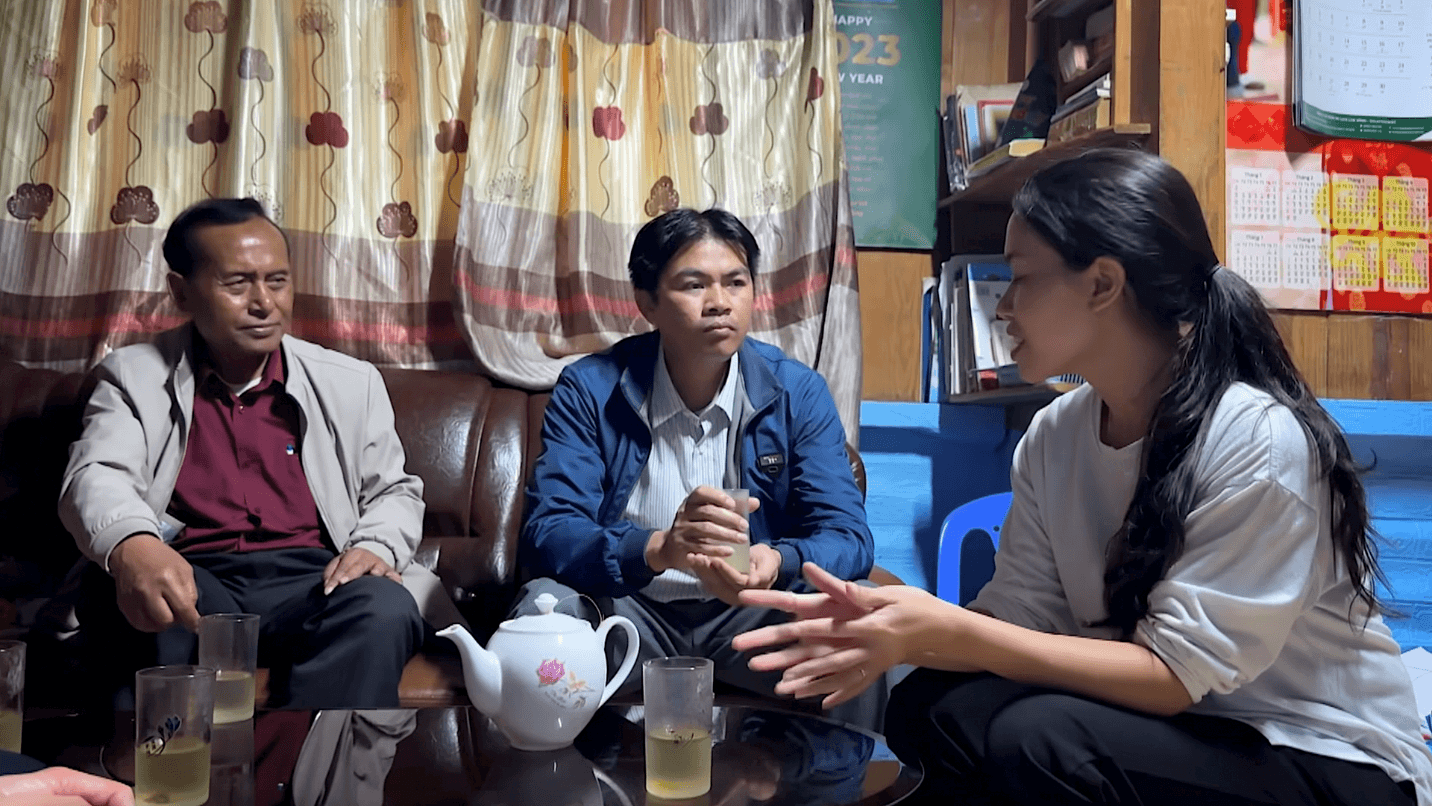
Beyond his teaching role, he works closely with local authorities to deliver government policies and Party guidelines in both Vietnamese and K’ho, ensuring that messages are easy to understand and apply — especially in programs on new rural development, forest protection, and poverty reduction.
What worries him most, however, is the younger generation, growing up in a digital age where many have drifted away from their mother tongue. To reach them, he organizes storytelling sessions, folk song lessons, and writing workshops — simple yet powerful ways to keep the K’ho spirit alive.
To preserve the written and spoken language of the K’ho people, we must begin by teaching the younger generation — helping them understand, love, and take pride in their own language. In every folktale and proverb lies a profound lesson about humanity, love, unity, and gratitude toward our ancestors and roots
Village Elder Păng Ting Uốk
The Torchbearer of the Modern Age
Nearly 20 years after retirement, Elder Uốk continues to be present at almost every cultural and social event in his community — from forest protection campaigns to village festivals and folk song lessons for children.
Amid the fast pace of modern life, he remains a shining example and a living symbol of the enduring vitality of Central Highlands culture. Through his dedication, the echo of the K’ho language — like the sound of gongs across the mountains — continues to resonate over Lang Biang, keeping alive the pride, identity, and soul of his people.